
Glyphosate-Induced Dysbiosis: Quantifying the Impact of Agricultural Herbicides on Intestinal Epithelial Integrity
An in-depth analysis of how glyphosate exposure disrupts the human gut microbiome, triggers zonulin-mediated intestinal permeability, and drives systemic inflammation through the inhibition of the shikimate pathway in commensal bacteria.
# Glyphosate-Induced Dysbiosis: Quantifying the Impact of Agricultural Herbicides on Intestinal Epithelial Integrity. In the landscape of modern environmental medicine, few substances have sparked as much controversy as glyphosate. As the active ingredient in the world's most prevalent broad-spectrum herbicides, its presence in the global food supply is nearly ubiquitous. While originally marketed as safe for human consumption because mammalian cells lack the shikimate pathway, emerging research suggests a far more insidious interaction with human biology. At INNERSTANDING, we focus on the root causes of chronic illness, and glyphosate exposure has emerged as a primary driver of 'Leaky Gut' or intestinal permeability. ## The Shikimate Pathway Fallacy.
The primary argument for glyphosate safety rests on the fact that humans do not possess the shikimate pathway, which the chemical uses to inhibit the enzyme 5-enolpyruvylshikimate-3-phosphate synthase (EPSPS) in plants and bacteria. However, this argument ignores the fundamental reality of the human holobiont: our health is inextricably linked to our microbiome. The trillions of bacteria residing in our gastrointestinal tract *do* utilize the shikimate pathway to synthesize essential aromatic amino acids—phenylalanine, tyrosine, and tryptophan. When we ingest glyphosate residues on non-organic grains, legumes, and produce, we are effectively deploying an antibiotic that targets our beneficial microbial inhabitants. ## Microbial Competitive Exclusion and Dysbiosis. Research indicates that various bacterial species exhibit varying degrees of sensitivity to glyphosate.
Crucially, beneficial strains such as Lactobacillus and Bifidobacterium are highly susceptible to glyphosate-induced inhibition. Conversely, many pathogenic or opportunistic bacteria, including certain strains of Salmonella, Clostridium, and Escherichia coli, possess a glyphosate-resistant version of the EPSPS enzyme. This creates a state of 'competitive exclusion' in reverse. By suppressing the growth of beneficial, anti-inflammatory bacteria, glyphosate allows for the overgrowth of pathogenic species. This shift, known as dysbiosis, is the first domino to fall in the erosion of intestinal health.
Pathogenic overgrowth leads to the production of lipopolysaccharides (LPS) and other endotoxins that irritate the gut lining. ## The Erosion of the Intestinal Barrier. The intestinal epithelium is a single layer of cells that acts as the gatekeeper between the external environment and the internal systemic circulation. These cells are held together by tight junctions—complex protein structures that regulate what is allowed to pass through the paracellular space. Glyphosate impacts this barrier through two primary mechanisms. First, the dysbiosis mentioned above triggers an immune response in the gut-associated lymphoid tissue (GALT), leading to the release of zonulin.
Zonulin is a protein that modulates the permeability of tight junctions; high levels of zonulin act as a key that unlocks these gates, leading to increased intestinal permeability. Second, glyphosate has been shown to exert a direct cytotoxic effect on the intestinal cells themselves. By inducing oxidative stress and mitochondrial dysfunction, the herbicide weakens the structural integrity of the epithelial layer. This allows undigested food particles, toxins, and bacteria to 'leak' into the bloodstream, triggering a cascade of systemic inflammation. ## The Tryptophan and Serotonin Connection. Beyond physical barrier disruption, the inhibition of the shikimate pathway in our gut bacteria has profound neurological implications.
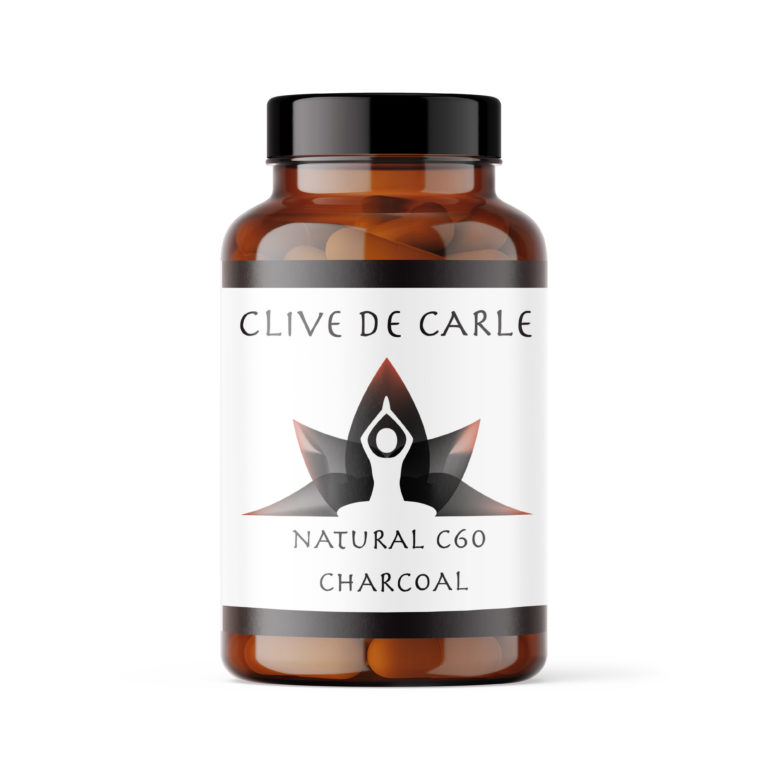
C60 Charcoal – Supports Healthy Digestion and Detoxification.
Support healthy digestion and ease bloating with a natural hardwood charcoal rich in C60 fullerenes. This non-nano formula assists in removing toxins and strengthening your immune response for a more comfortable, balanced gut.
Vetting Notes
Pending
Tryptophan, an aromatic amino acid synthesized by gut bacteria, is the precursor to serotonin—the neurotransmitter responsible for mood regulation, sleep, and satiety. Approximately 90 percent of the body's serotonin is produced in the gut. By depleting the bacterial production of tryptophan, glyphosate exposure can lead to systemic serotonin deficiency, contributing to the rise in anxiety, depression, and cognitive dysfunction observed in modern populations. This is a classic example of how a root-cause environmental toxin can manifest as a psychological symptom. ## Quantifying the Impact:
The UK Context
In the UK, glyphosate is not only used in agricultural production but is also frequently used as a desiccant—a drying agent applied to crops like wheat, oats, and barley just before harvest. This practice results in significantly higher residue levels in finished food products compared to crops where it is only used during the early growth stages.
For the UK consumer, this means that even 'healthy' whole grains may be a hidden source of gut-disrupting chemicals. The cumulative load of these residues, combined with other stressors like processed sugars and medications, creates a perfect storm for the development of chronic intestinal permeability. ## Clinical Strategies for Gut Restoration. Addressing glyphosate-induced dysbiosis requires a multi-faceted approach focused on elimination and repair. 1. Organic Transition: The most effective way to reduce glyphosate load is to prioritize organic produce and grains. Studies show that switching to an organic diet can significantly reduce urinary glyphosate levels within just one week. 2.
Microbial Re-inoculation: Targeted supplementation with spore-based probiotics and fermented foods can help restore the balance of beneficial bacteria that glyphosate suppresses. 3. Fulvic and Humic Acids: These natural substances have shown promise in binding to glyphosate residues and supporting the detoxification of the intestinal tract. 4. Barrier Support: Nutrients such as L-glutamine, zinc carnosine, and collagen peptides can provide the raw materials necessary for the intestinal epithelium to repair the tight junctions damaged by zonulin release. ## Conclusion. Glyphosate is more than just a weedkiller; it is a profound disruptor of human ecology. By understanding the mechanism through which it affects our microbiome and intestinal integrity, we can move beyond treating symptoms and begin to address the environmental root causes of the modern epidemic of gut-related illnesses.
At INNERSTANDING, we believe that restoring the integrity of the intestinal barrier is the first step toward reclaiming systemic health in a chemically complex world.
This article is provided for informational and educational purposes only. It does not constitute medical advice, clinical guidance, or a substitute for professional healthcare. Information reflects cited research at time of publication. Always consult a qualified healthcare professional before acting on any health information.
RESEARCH FOUNDATIONS
Biological Credibility Archive
Citations provided for educational reference. Verify via PubMed or institutional databases.
Medical Disclaimer
The information in this article is for educational purposes only and does not constitute medical advice, diagnosis, or treatment. Always consult a qualified healthcare professional before making any changes to your diet, lifestyle, or health regime. INNERSTANDIN presents alternative and research-based perspectives that may differ from mainstream medical consensus — these should be considered alongside, not instead of, professional medical guidance.
Read Full DisclaimerReady to learn more?
Continue your journey through our classified biological research.
THE ARSENAL
Based on Leaky Gut & Intestinal Permeability — products curated by our research team for educational relevance and biological support.
C60 Charcoal – Supports Healthy Digestion and Detoxification.
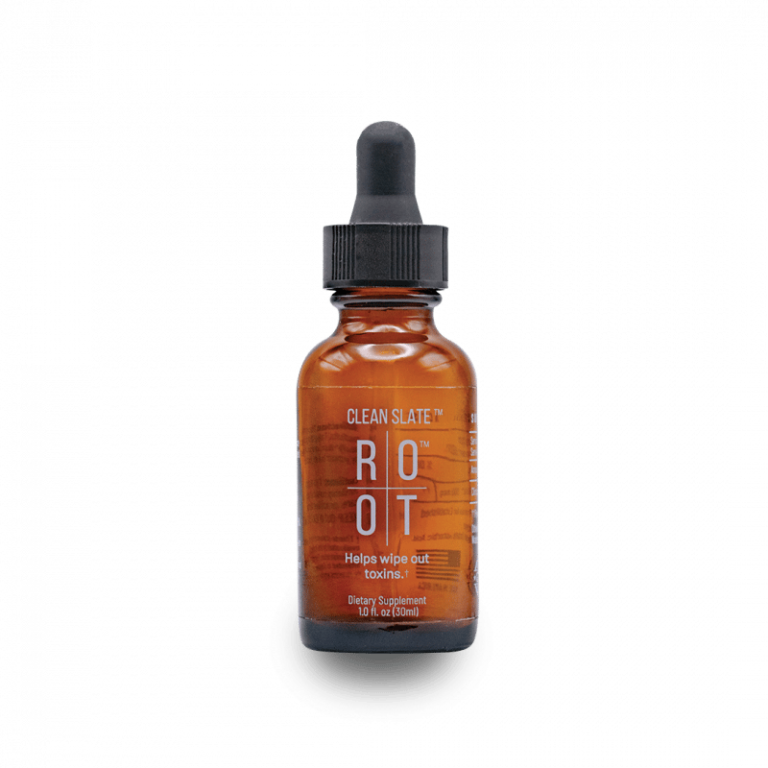
Clean Slate – Detoxes thousands of chemicals,heavy metals, pesticides, allergens, mold spores and fungus
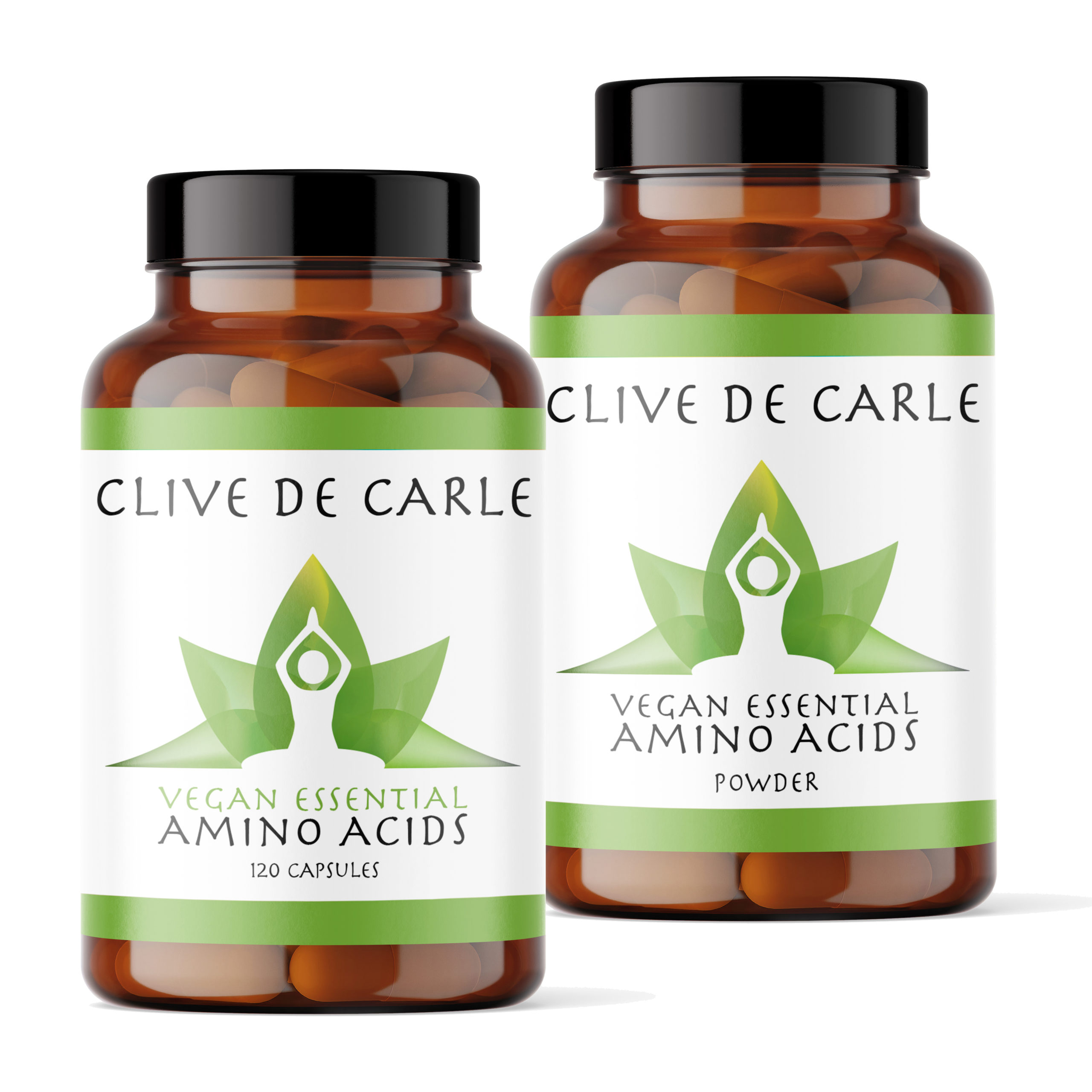
Vegan Essential Amino Acids – Plant-Powered Protein Building
INNERSTANDING may earn a commission on purchases made through these links. All products are selected based on rigorous educational relevance to our biological research.