
Microbial Transfusion: Rewiring the Neuro-Endocrine Axis
Published April 2026
Exploring the neuro-endocrine implications of FMT, focusing on how microbial diversity regulates systemic inflammation and neurotransmitter precursors.
Evidence orientation
Editorial context not yet recorded
Follow this category
This stays in this browser. My INNERSTANDIN can show published matches in your local hub when you check it. It does not send email, push, or alert notifications.
Local learning review
A private browser aid for revisiting ideas. It is not an alert or a health recommendation.
Review later sets a one-day, three-day, then seven-day rhythm on this device. Choose it only when you want to revisit this article.
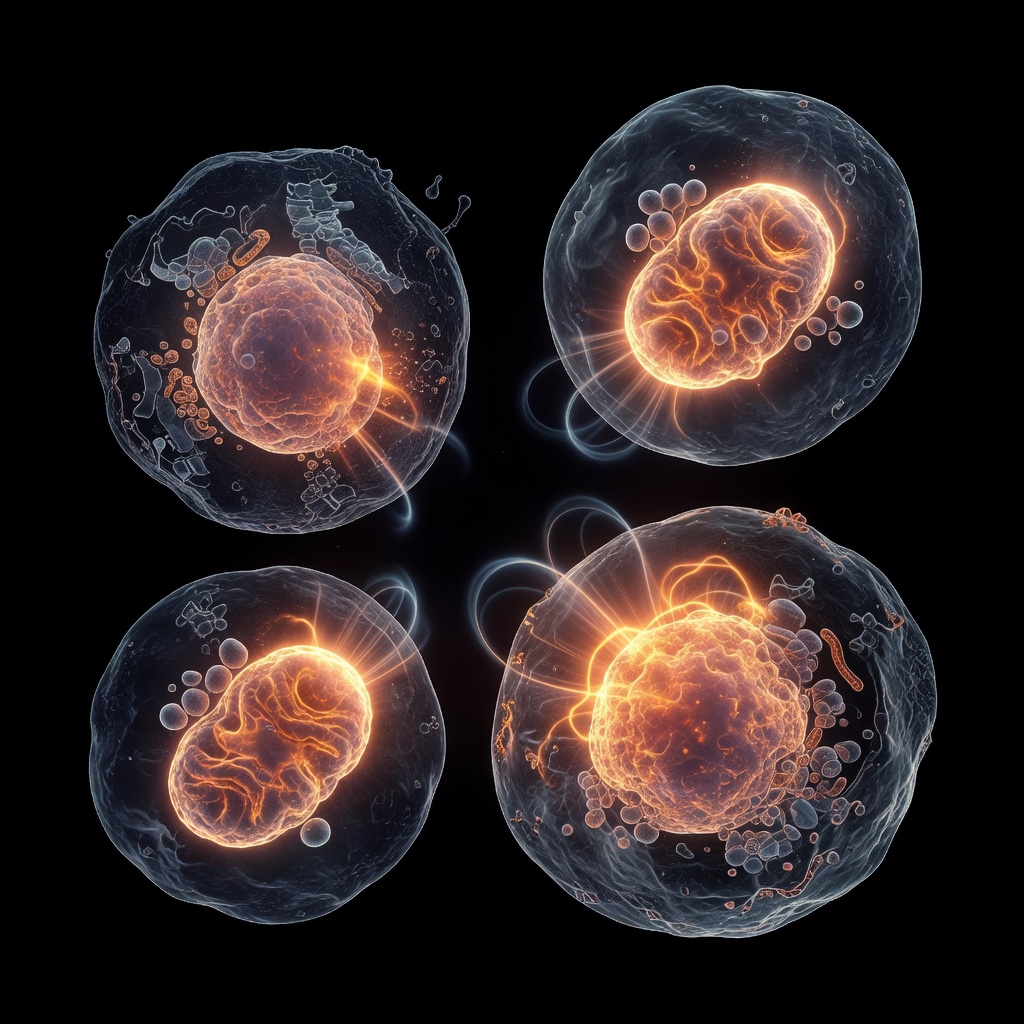
The gut-brain axis is no longer a fringe theory, yet the psychiatric community remains hesitant to embrace FMT as a viable intervention for neuro-inflammatory conditions. Conventional psychiatry focuses on synaptic neurotransmission, often neglecting the fact that up to 95% of the body's serotonin is produced in the gut. FMT offers a radical pathway for treating depression and anxiety by addressing the root cause: intestinal permeability and systemic inflammation. When the gut barrier is compromised (Leaky Gut), lipopolysaccharides (LPS) from Gram-negative bacteria enter the bloodstream, triggering a cascade of pro-inflammatory cytokines like IL-6 and TNF-alpha.
These cytokines cross the blood-brain barrier, activating microglia and inducing 'sickness behavior'—the biological foundation of clinical depression. FMT serves as a powerful tool to seal the intestinal epithelium and re-establish a diverse microbial community that produces Short-Chain Fatty Acids (SCFAs) like butyrate. Butyrate is a critical epigenetic regulator that inhibits histone deacetylases (HDACs), promoting the expression of Brain-Derived Neurotrophic Factor (BDNF). By transferring a 'resilient' microbiome, we are effectively transferring a neuro-protective chemical factory.
The evidence suggests that FMT can modulate the HPA axis, reducing cortisol and resetting the stress response from the bottom up. It is time to move beyond the chemical imbalance theory of the brain and investigate the microbial imbalance of the gut. ### The LPS-Cytokine Cascade in Depression ### Butyrate: The Epigenetic Bridge to Brain Health ### Vagal Nerve Signaling and Microbial Transfusion
This article is provided for informational and educational purposes only. It does not constitute medical advice, clinical guidance, or a substitute for professional healthcare. Information reflects cited research at time of publication. Always consult a qualified healthcare professional before acting on any health information.
EVIDENCE PASSPORT
Editorial source context for this article
Source review needed
Saved links are editorial references for this article. They may support specific claims rather than every sentence. Open and assess each source in context. This passport does not independently verify them.
Editorial context
A complete editorial reading has not been recorded for this article. Source links remain available for you to open and assess directly.
Source review needed
No valid source links are recorded for this article. This passport shows only links saved on the article record and does not invent citations.
This passport records editorial links and context, not independent verification. Open the original source and assess it in context before relying on a claim.
Medical Disclaimer
The information in this article is for educational purposes only and does not constitute medical advice, diagnosis, or treatment. Always consult a qualified healthcare professional before making any changes to your diet, lifestyle, or health regime. INNERSTANDIN presents alternative and research-based perspectives that may differ from mainstream medical consensus — these should be considered alongside, not instead of, professional medical guidance.
Read Full DisclaimerContinue the thread
Keep this question moving.
Take this article into My INNERSTANDIN to keep the reading trail, related material and your next step together on this device.
Explore this in the Body Map
See where this hits your biology. Interactive anatomy, threats, and protective protocols.
Dig deeper in the Library
Free, longform PDF volumes that go beyond headlines into mechanisms and references.