
Heavy Metal Bioaccumulation and Impaired Detoxification Pathways: A Mechanistic Review
Discuss this resourceUpdated August 2026
An exploration into how impaired methylation, sulfation, and glutathione pathways contribute to heavy metal bioaccumulation and neurological impacts within the autism spectrum.
Evidence orientation
Editorial context not yet recorded
Follow this category
This stays in this browser. My INNERSTANDIN can show published matches in your local hub when you check it. It does not send email, push, or alert notifications.
Local learning review
A private browser aid for revisiting ideas. It is not an alert or a health recommendation.
Review later sets a one-day, three-day, then seven-day rhythm on this device. Choose it only when you want to revisit this article.
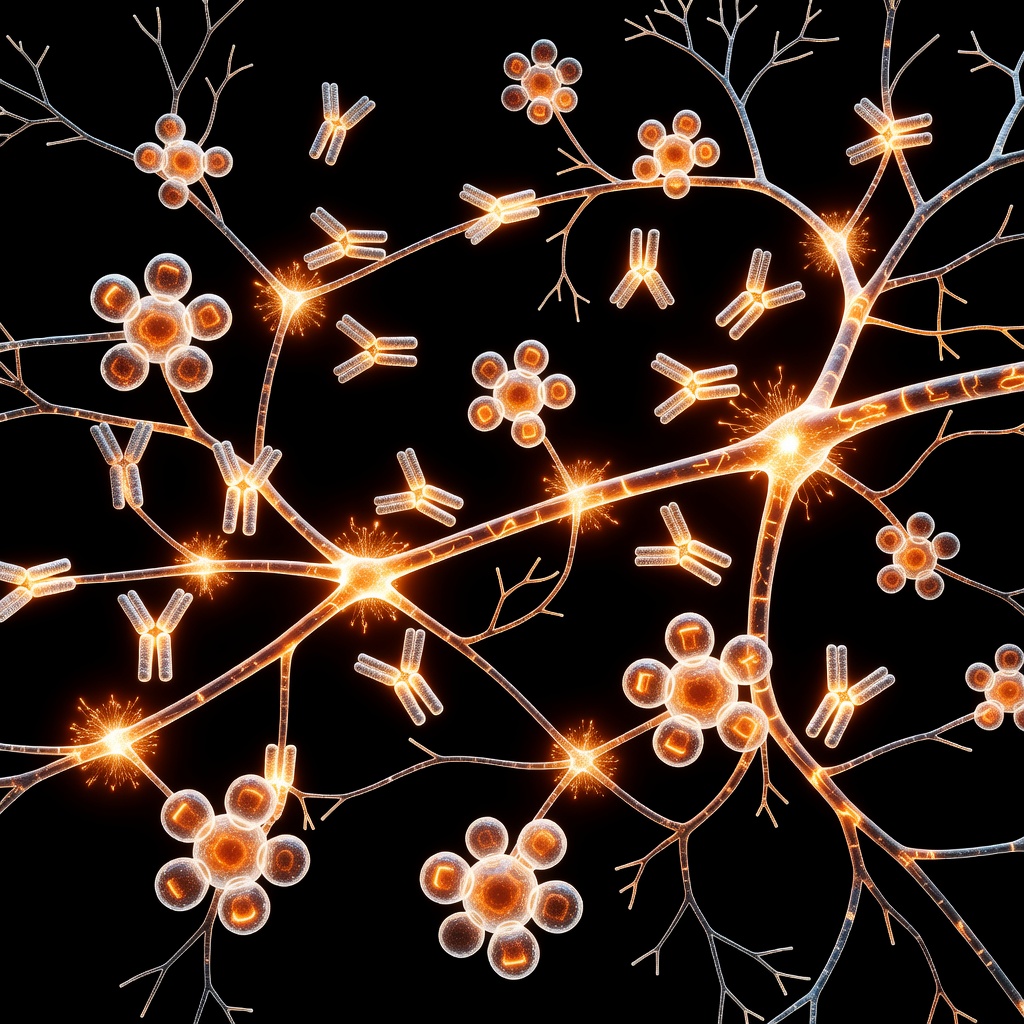
Introduction: The Toxic Burden. In modern environmental medicine, the intersection of heavy metal toxicity and neurodevelopmental conditions like Autism Spectrum Disorder (ASD) is becoming increasingly significant. At INNERSTANDING, we focus on root-cause analysis, moving beyond symptom management to understand why certain individuals bioaccumulate heavy metals like mercury, lead, and aluminum while others do not. ### The Detoxification Deficit. The primary mechanism of bioaccumulation is not necessarily an increased environmental exposure alone, but a failure of the body’s innate detoxification machinery. The detoxification process occurs primarily in the liver through Phase I and Phase II pathways.
In many individuals on the spectrum, we observe significant genetic and epigenetic polymorphisms in the methylation cycle and the transsulfuration pathway. ### Methylation and Glutathione. The methylation cycle is the body’s master control system for genetic expression and detoxification. When this cycle is stalled—often due to MTHFR or COMT gene variants combined with environmental stressors—the production of glutathione, the body’s primary antioxidant, is severely compromised. Without adequate glutathione, the body cannot effectively chelate or excrete divalent metal ions. These metals remain in the bloodstream and eventually cross the blood-brain barrier, leading to oxidative stress and chronic neuroinflammation. ### The Role of Sulfation.
Phase II detoxification relies heavily on the sulfation pathway, which utilizes PAPS (3'-phosphoadenosine-5'-phosphosulfate) to neutralize xenobiotics. Research indicates that low serum levels of inorganic sulfate are common in neurodivergent populations. When the sulfation pathway is impaired, heavy metals that would otherwise be excreted remain bioavailable, circulating through the central nervous system and disrupting neurotransmitter synthesis. ### Mechanistic Consequences. Once heavy metals deposit in nervous tissue, they act as potent neurotoxins by replacing essential minerals in enzyme structures and disrupting mitochondrial ATP production. This leads to the characteristic 'cellular energy crisis' often cited in ASD research.
The resulting mitochondrial dysfunction triggers a perpetual loop of microglia activation, manifesting as neuroinflammation, which is clinically associated with sensory processing challenges and communication difficulties. ### Clinical Considerations. Addressing this root cause requires a layered approach. First, we must support the methylation cycle with bioavailable methylated B vitamins and folates. Second, providing precursors for glutathione—such as N-acetylcysteine (NAC)—is essential for restoring natural excretion pathways. Finally, focusing on mineral repletion helps displace heavy metals at the receptor site, ensuring that the body can eventually restore homeostasis.
By addressing these impaired pathways, we move away from neuro-pathologizing and toward physiological support, providing the system with the raw materials it needs to thrive.
This article is provided for informational and educational purposes only. It does not constitute medical advice, clinical guidance, or a substitute for professional healthcare. Information reflects cited research at time of publication. Always consult a qualified healthcare professional before acting on any health information.
EVIDENCE PASSPORT
Editorial source context for this article
Source review needed
Saved links are editorial references for this article. They may support specific claims rather than every sentence. Open and assess each source in context. This passport does not independently verify them.
Editorial context
A complete editorial reading has not been recorded for this article, and no source links are saved on its record.
Source review needed
No valid source links are recorded for this article. Supplementary research, where available, is listed separately below.
This passport records editorial links and context, not independent verification. Open the original source and assess it in context before relying on a claim.
Medical Disclaimer
The information in this article is for educational purposes only and does not constitute medical advice, diagnosis, or treatment. Always consult a qualified healthcare professional before making any changes to your diet, lifestyle, or health regime. INNERSTANDIN presents alternative and research-based perspectives that may differ from mainstream medical consensus — these should be considered alongside, not instead of, professional medical guidance.
Read Full DisclaimerContinue the thread
Keep this question moving.
Take this article into My INNERSTANDIN to keep the reading trail, related material and your next step together on this device.
Explore this in the Body Map
Explore related body structures and their educational pages in the interactive Body Map.
Dig deeper in the Library
Free, longform PDF volumes that go beyond headlines into mechanisms and references.