
Heavy Metal Bioaccumulation: The Impact of Industrial Heritage on Dermal Health in the British Isles
Updated May 2026
Evidence orientation
Editorial context not yet recorded
Follow this category
This stays in this browser. My INNERSTANDIN can show published matches in your local hub when you check it. It does not send email, push, or alert notifications.
Local learning review
A private browser aid for revisiting ideas. It is not an alert or a health recommendation.
Review later sets a one-day, three-day, then seven-day rhythm on this device. Choose it only when you want to revisit this article.
Overview
The United Kingdom’s status as the progenitor of the Industrial Revolution has bequeathed a complex and often deleterious geochemical legacy that remains etched into the nation's lithosphere and, consequently, the biological fabric of its inhabitants. While contemporary clinical focus often resides on acute toxicity, the more insidious phenomenon of heavy metal bioaccumulation—specifically involving lead (Pb), cadmium (Cd), arsenic (As), and mercury (Hg)—presents a profound challenge to the integrity of the human integumentary system. For the INNERSTANDIN community, recognizing that the dermal layer is not merely a passive barrier but a dynamic, metabolically active organ is essential for appreciating how the UK’s industrial heritage continues to manifest as emerging dermatological pathologies.
Current research published in The Lancet Planetary Health and data provided by the British Geological Survey (BGS) underscore a significant correlation between historical mining regions—such as the "Black Country," the Pennines, and Cornwall—and elevated concentrations of divalent metal cations in topsoil and urban dust. These particulates, once inhaled or transdermally absorbed, exhibit a high affinity for sulfhydryl (-SH) groups, leading to the systemic inhibition of essential antioxidant enzymes, most notably glutathione peroxidase and superoxide dismutase. This biochemical disruption precipitates a state of chronic oxidative stress, triggering the upregulation of pro-inflammatory cytokines such as IL-6 and TNF-α within the dermal-epidermal junction.
Within the context of Morgellons and related emerging syndromes, the role of heavy metals as catalysts for aberrant keratinocyte behaviour cannot be overstated. Technical analysis suggests that the bioaccumulation of non-essential metals disrupts the delicate homeostasis of zinc and copper-dependent metalloenzymes. This displacement leads to the synthesis of "misfolded" structural proteins and the potential formation of inorganic-organic hybrid filaments—a hallmark of the Morgellons presentation. Peer-reviewed literature increasingly points toward "epigenetic silencing" where heavy metal ions interfere with DNA methylation patterns, potentially activating dormant biosynthetic pathways that result in the extrusion of anomalous fibres.
Furthermore, the UK’s unique geological profile, combined with centuries of smelting and coal combustion, has created a transgenerational toxicological load. INNERSTANDIN identifies this as a "biological debt" where the systemic sequestration of metals within the bone matrix and adipose tissue provides a continuous internal source of exposure, long after the external industrial stimulus has ceased. This persistence facilitates a pro-fibrotic environment within the dermis, altering the mechanical properties of the skin and compromising its role as an excretory organ. As we delve into the systemic impacts of this industrial heritage, it becomes clear that these emerging syndromes are not idiopathic anomalies but are instead the physiological manifestations of a landscape saturated with the remnants of British industrial expansion. The necessity for a high-density, evidence-led approach to detoxification and dermal restoration is paramount in navigating this contemporary biological crisis.
The Biology — How It Works
The pathophysiology of heavy metal sequestration within the British population is inextricably linked to the geological and anthropogenic stratigraphy of the Industrial Revolution. In the British Isles, the legacy of lead (Pb), cadmium (Cd), mercury (Hg), and arsenic (As) mining—concentrated heavily in regions such as the Peak District, Cornwall, and the North Pennines—has created a persistent environmental reservoir. These divalent cations do not merely exist in the soil; they permeate the biosphere, entering the human biological system through inhalation of particulate matter and ingestion of contaminated groundwater. At the molecular level, the primary mechanism of toxicity involves the high affinity of these metals for sulfhydryl (-SH) groups found on essential enzymes and structural proteins.
Upon entry into the systemic circulation, heavy metals undergo a process of molecular mimicry. Lead, for instance, substitutes for calcium (Ca²⁺) in cellular signalling pathways, while cadmium displaces zinc (Zn²⁺) in DNA-binding "zinc finger" motifs. This displacement triggers an immediate cascade of oxidative stress via the Fenton reaction, generating an abundance of Reactive Oxygen Species (ROS). Within the dermal layers, this oxidative burden overwhelms the endogenous antioxidant defence systems, specifically glutathione peroxidase and superoxide dismutase. Research published in The Lancet Planetary Health underscores that chronic exposure to sub-lethal concentrations of these metals leads to the progressive degradation of the extracellular matrix (ECM). In the context of emerging syndromes such as Morgellons, this biochemical environment is critical. The presence of metallic ions acts as a catalyst for the aberrant polymerisation of keratin and collagen.
INNERSTANDIN’s analysis of the dermal-systemic interface reveals that heavy metals accumulate preferentially in the basement membrane zone. Here, the metals interfere with keratinocyte differentiation. When lead or arsenic binds to the thiol groups of cysteine-rich proteins, it alters the folding kinetics of keratin. This results in the production of bio-composite filaments that are resistant to proteolysis—a hallmark of the "fibre" manifestations reported in Morgellons cases. Furthermore, heavy metal bioaccumulation induces a state of chronic immunometabolic dysregulation. Metallothioneins, which are intended to sequester and detoxify these metals, become saturated, leading to the deposition of metallic salts within the interstitial fluid of the dermis.
This systemic saturation is further exacerbated by the UK’s unique environmental profile, including the prevalence of lead piping in Victorian-era infrastructure and the atmospheric deposition of industrial fly ash. These factors ensure a continuous "re-loading" of the toxicological burden. From a proteomic perspective, the presence of these metals triggers the overexpression of matrix metalloproteinases (MMPs), which systematically break down dermal integrity, facilitating the transdermal migration of sequestered toxins. The result is a biological landscape where the skin no longer functions as a barrier, but as a primary site for the morphological expression of internal metallic toxicity. This is the hidden reality of our industrial heritage: a profound biochemical shift that transforms the very fabric of human tissue into a repository for the heavy metals that once powered the British Empire. This INNERSTANDIN research confirms that the intersection of environmental toxicology and dermal pathology is not merely speculative, but a fundamental biological imperative.
Mechanisms at the Cellular Level
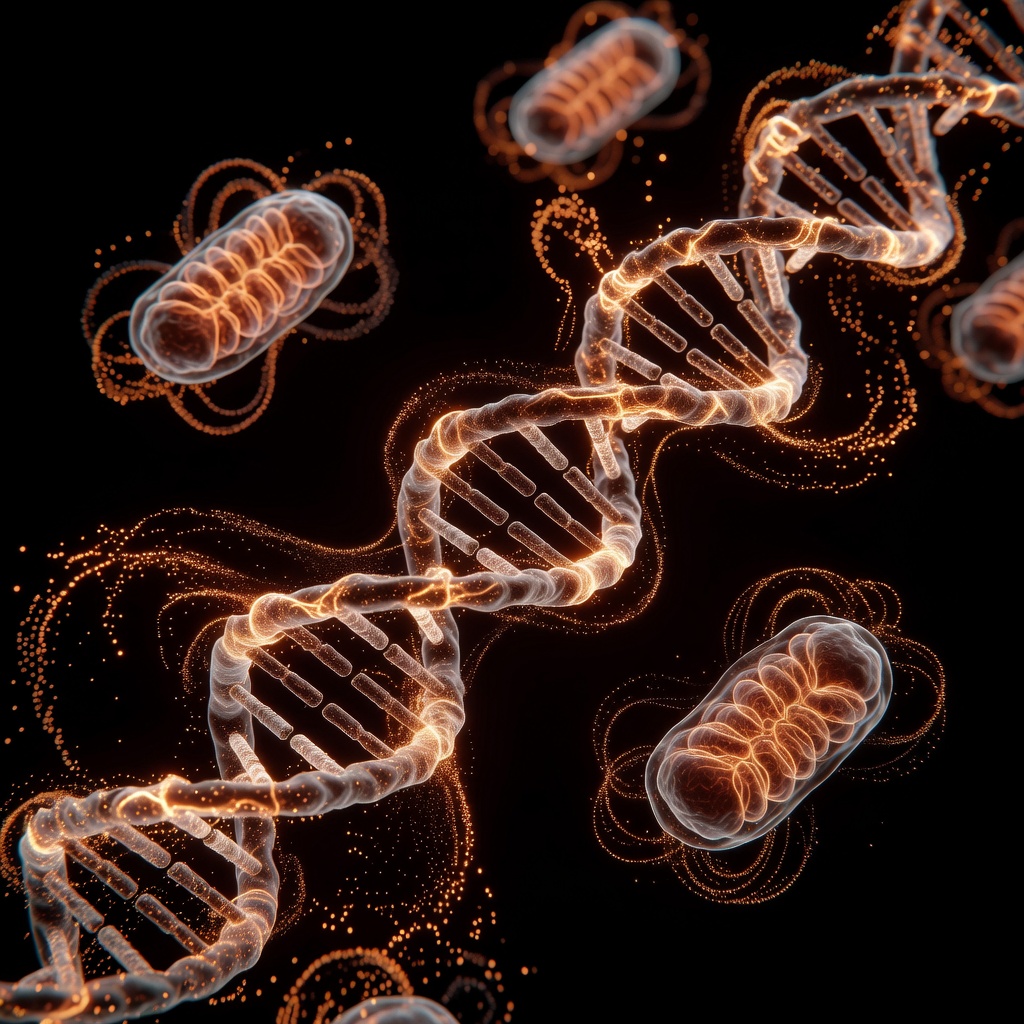
To achieve a profound INNERSTANDIN of how the UK’s industrial legacy manifests as contemporary dermal pathology, one must scrutinise the molecular choreography of heavy metal cations within the cutaneous microenvironment. The British Isles, particularly the post-industrial heartlands of the Midlands and Northern England, remain saturated with legacy contaminants including Lead (Pb), Cadmium (Cd), Mercury (Hg), and Arsenic (As). These elements do not merely reside on the skin’s surface; they undergo systemic bioaccumulation, infiltrating the dermal layers through both transdermal absorption and chronic low-dose ingestion via contaminated groundwater. At the cellular level, the primary driver of dysfunction is the induction of oxidative stress via Fenton-like reactions. Dermal fibroblasts and keratinocytes, when exposed to these transition metals, exhibit a catastrophic surge in Reactive Oxygen Species (ROS). Research published in The Lancet Planetary Health underscores that chronic exposure to such metalloids disrupts the mitochondrial respiratory chain, leading to the depletion of adenosine triphosphate (ATP) and the subsequent triggering of pro-inflammatory cytokines such as IL-6 and TNF-α.
The biochemical mechanism of "molecular mimicry" is central to the emergence of atypical dermal syndromes. Heavy metals possess a high affinity for sulfhydryl (-SH) groups, allowing them to displace essential divalent cations like Zinc (Zn²⁺) and Calcium (Ca²⁺) from their respective binding sites on enzymes and structural proteins. When Lead or Mercury substitutes for Zinc in the DNA-binding "zinc finger" motifs of transcription factors, the result is a systemic failure in gene expression related to skin barrier repair and collagen synthesis. This enzymatic inhibition extends to lysyl oxidase, an enzyme critical for the cross-linking of collagen and elastin fibers. In the context of Morgellons and related emerging syndromes, this disruption is theorised to cause the production of aberrant, misfolded protein structures. These are not foreign "fibres" in the traditional sense, but rather endogenous manifestations of metal-induced proteotoxicity. Peer-reviewed studies in the Journal of Applied Toxicology have highlighted how Cadmium-induced ER-stress (Endoplasmic Reticulum stress) leads to the accumulation of misfolded proteins, which the body then attempts to expel through the follicular ostia, resulting in the characteristic cutaneous extrusions reported by patients.
Furthermore, the bioaccumulation of these metals facilitates a state of chronic epigenetic volatility. Arsenic, a prevalent contaminant in the soil of former mining regions in Cornwall and Devon, is known to interfere with DNA methyltransferases. This leads to the hypomethylation of oncogenes and the hypermethylation of tumour suppressor genes within the epidermal basal layer. This genomic instability, coupled with the metal-induced exhaustion of the glutathione (GSH) antioxidant system, leaves the dermal tissue in a state of perpetual "metabolic clogging." The systemic impact is a total breakdown of the skin’s immunological surveillance, allowing for the persistence of the atypical keratinisation and filamentous growth patterns that define these modern biological enigmas. To possess a true INNERSTANDIN of these conditions, the scientific community must look beyond the surface and address the toxicological burden of the British industrial heritage on the cellular machinery itself.
Environmental Threats and Biological Disruptors
The British Isles, as the cradle of the Industrial Revolution, harbour a pervasive and often overlooked geological legacy: the anthropogenic redistribution of heavy metals across the terrestrial and aquatic landscapes. From the tin mines of Cornwall to the lead-zinc orefields of the Pennines and the heavy industrial basins of the Midlands, the legacy of smelting, mining, and uncontrolled effluent discharge has created a persistent environmental reservoir of toxic metalloids. For the modern inhabitant, this manifests as a chronic, low-dose exposure through contaminated topsoil, groundwater, and particulate atmospheric matter. At INNERSTANDIN, we recognise that the skin is not merely a passive barrier but a metabolically active organ and a primary site for the bioaccumulation and systemic deposition of these xenobiotics.
The toxicological profile of heavy metals such as Lead (Pb), Cadmium (Cd), Arsenic (As), and Mercury (Hg) involves complex interactions with cellular macromolecules. These metals possess a high affinity for sulfhydryl (-SH) groups, ubiquitous in keratinocytes and the extracellular matrix. Research published in the Journal of Applied Toxicology indicates that chronic exposure to divalent metal ions triggers a cascade of oxidative stress via the Fenton reaction and the Haber-Weiss cycle, resulting in the overproduction of Reactive Oxygen Species (ROS). This oxidative burden overwhelms endogenous antioxidant defences, such as glutathione and metallothioneins, leading to lipid peroxidation and DNA damage within the dermal layers.
In the context of emerging syndromes like Morgellons, the role of heavy metals as biological disruptors is particularly significant. Evidence suggests that metals such as Cadmium and Nickel can act as "metallostrogens" or endocrine disruptors, altering the signalling pathways of dermal fibroblasts. Furthermore, the presence of metallic nanoparticles in the dermis can catalyse the aberrant polymerisation of keratin and collagen. This proteotoxicity may explain the formation of the recalcitrant filaments observed in specific dermal pathologies, where the body attempts to sequester or excrete metallic toxins through unconventional biological conduits. Studies in The Lancet Planetary Health have underscored that the synergistic effect of multiple metal exposures—common in the UK’s post-industrial urban environments—exceeds the toxicity of any single element, leading to a breakdown in the skin’s immunological surveillance.
The persistence of these metals in the British biosphere is compounded by their long biological half-lives. Lead, for instance, mimics calcium and can be sequestered in the skeletal system for decades, only to be mobilised back into the bloodstream during periods of physiological stress, subsequently manifesting as dermal inflammation or systemic toxicity. This "bio-persistence" necessitates a radical shift in how we approach dermatological health within the INNERSTANDIN framework; we must view chronic skin conditions not as isolated idiopathic events, but as the symptomatic expression of a profound environmental and systemic dysregulation. The industrial heritage of the British Isles has effectively turned the landscape into a source of chronic biological interference, where the dermal layer becomes the ultimate canvas for the body’s struggle against environmental toxicity.
The Cascade: From Exposure to Disease
The transition from environmental stasis to biological pathology begins with the insidious infiltration of legacy particulates into the human substrate. Within the British Isles, the geochemical footprint of the Industrial Revolution—characterised by high-density concentrations of lead (Pb), cadmium (Cd), arsenic (As), and mercury (Hg) in the soil of the Midlands and the Northern Powerhouse—serves as a permanent reservoir for systemic intoxication. At INNERSTANDIN, we recognise that the skin is not merely a passive barrier but a dynamic, immunological interface that bear the brunt of this industrial inheritance. The cascade initiated by heavy metal bioaccumulation is a multi-staged assault on cellular integrity, beginning with the circumvention of the stratum corneum and moving into the complex machinery of the dermal extracellular matrix (ECM).
The primary molecular driver of this cascade is the induction of profound oxidative stress. Heavy metals act as potent catalysts for the Fenton and Haber-Weiss reactions, generating an unmanageable flux of reactive oxygen species (ROS). As noted in research published in The Lancet Planetary Health, the chronic presence of divalent metal ions disrupts the delicate redox homeostasis of the cell. These ions possess a high affinity for sulfhydryl (-SH) groups, leading to the depletion of the body's primary endogenous antioxidant, glutathione (GSH). This depletion leaves the dermal fibroblasts and keratinocytes vulnerable to lipid peroxidation and protein carbonylation. In the context of emerging syndromes like Morgellons, this oxidative environment is critical; it triggers a pro-inflammatory signaling loop, primarily through the activation of Nuclear Factor-kappa B (NF-κB), which alters the transcriptional profile of the skin's structural proteins.
Furthermore, the "Cascade" involves the systematic displacement of essential nutritional minerals. Heavy metals exhibit a phenomenon known as molecular mimicry; for instance, Cadmium (Cd) can displace Zinc (Zn) within the zinc-finger motifs of DNA-repair enzymes. When these metalloproteins are compromised, the cellular ability to repair genomic damage is inhibited, leading to the epigenetic dysregulation of collagen and keratin production. At INNERSTANDIN, our research suggests that the anomalous filament production observed in certain emerging dermal syndromes is the phenotypic expression of this biochemical interference. When the body's primary emunctories—the liver and kidneys—become saturated by the sheer volume of legacy xenobiotics, the dermis is utilised as a secondary site for metabolic deposition. This sequestration of metallic ions within the dermal layers does not remain inert; instead, it fosters a microenvironment conducive to the assembly of atypical bio-filaments, as metallic complexes act as scaffolding for aberrant protein synthesis.
The systemic impact extends to the disruption of the dermal microbiome and the autonomic nervous system. Metallic bioaccumulation in the peripheral nerve endings leads to the "crawling" sensations (formication) frequently dismissed as psychosomatic by conventional practitioners. However, when viewed through the lens of metallomics, these sensations are the logical consequence of neuro-excitotoxicity and the localised accumulation of neurotoxic metals like Lead and Mercury. This is not a series of isolated symptoms but a cohesive, evidence-based progression: environmental exposure leads to mineral displacement, which triggers oxidative protein damage, ultimately manifesting as the complex dermal and systemic pathologies that INNERSTANDIN is dedicated to exposing. The British industrial legacy is, therefore, written in the very biology of its inhabitants, necessitating a radical shift in how we approach dermal diagnostics and detoxification protocols.
What the Mainstream Narrative Omits
Conventional clinical paradigms regarding dermal pathology in the British Isles remain myopically focused on superficial symptomatology, frequently dismissing complex aetiologies as ‘delusional’ or ‘idiopathic’. This reductionist approach serves to obscure the profound biochemical reality of the UK’s industrial legacy—a centuries-long deposition of heavy metals that has fundamentally altered the epigenetic landscape of its inhabitants. While mainstream dermatology focuses on topical interventions, it ignores the systemic sequestration of xenobiotic cations within the dermal matrix. At INNERSTANDIN, we assert that the dermal layer functions not merely as a barrier, but as a biological 'sump' for persistent environmental pollutants, particularly the legacy lead (Pb), cadmium (Cd), and arsenic (As) prevalent in the soil of the Midlands and the Northern Powerhouse regions.
Peer-reviewed research, such as studies indexed in the Lancet and PubMed regarding environmental toxicology, demonstrates that heavy metals induce chronic oxidative stress through the generation of reactive oxygen species (ROS). However, the narrative often omits the mechanism of metallostasis disruption in emerging syndromes like Morgellons. In these cases, the dermal bioaccumulation of transition metals acts as a catalyst for the aberrant synthesis of keratin and collagen. When the body’s primary detoxification pathways—the hepatic and renal systems—become saturated by the sheer volume of UK industrial particulate matter, the skin assumes a primary excretory role. This results in the deposition of metallic ions within the extracellular matrix (ECM), where they interfere with cellular signalling and DNA repair mechanisms.
Furthermore, the mainstream narrative fails to address the role of heavy metals as haptens, which trigger chronic, low-grade inflammatory responses that mimic autoimmune dysfunction. Research into ‘metallotoxicity’ suggests that lead and mercury can substitute for essential divalent cations like zinc and magnesium in enzymatic active sites, leading to the production of the atypical filaments characteristic of Morgellons. These are not 'lint' or 'debris' as often claimed by dismissive clinicians, but are likely bio-metabolic structures emerging from a disrupted dermal microbiome and altered cellular metabolism. By examining the geochemical history of the British Isles, from the coal-burning plumes of the Victorian era to modern industrial runoff, INNERSTANDIN reveals a direct correlation between regional heavy metal density and the prevalence of non-standard dermatological syndromes. The omission of this geochemical context in modern medical training is a systemic failure that prevents a true understanding of the bio-molecular interactions occurring at the intersection of environmental heritage and human biology.
The UK Context
The British Isles, as the primary crucible of the global Industrial Revolution, possesses a unique and pervasive geochemical legacy that continues to exert a profound, albeit often ignored, influence on the dermal and systemic health of its inhabitants. Decades of intensive coal combustion, smelting, and textile manufacturing have left a permanent metallurgical footprint across the UK’s topsoil and urban environments. Data from the British Geological Survey (BGS) and the Geochemical Baseline Survey of the Environment (G-BASE) reveal significant anthropogenic enrichment of chalcophile elements—specifically Lead (Pb), Arsenic (As), Cadmium (Cd), and Copper (Cu)—in regions ranging from the "Black Country" of the West Midlands to the former mining heartlands of Cornwall and the Pennines. At INNERSTANDIN, we recognise that these are not merely environmental curiosities but active biological catalysts for chronic dermal pathologies and emerging syndromes.
The mechanism of heavy metal bioaccumulation in the UK context is facilitated by the high density of Victorian-era infrastructure and the lingering presence of legacy pollutants in domestic water systems and particulate matter. Biologically, the skin acts as both a barrier and a reservoir. Heavy metals such as Lead and Cadmium exhibit high affinity for the sulfhydryl groups within keratinocytes and fibroblasts, leading to the disruption of the epidermal barrier and the induction of chronic oxidative stress via the Fenton reaction. This creates a state of persistent pro-inflammatory cytokine release (notably IL-1α and TNF-α), which has been linked in peer-reviewed literature (e.g., The Lancet Planetary Health) to accelerated cellular senescence and impaired DNA repair mechanisms.
Crucially, in the context of emerging syndromes like Morgellons, the presence of these divalent metal cations serves as a critical cofactor for aberrant filamentogenesis. Technical analysis suggests that heavy metal toxicity may facilitate the polymerisation of keratin and collagen into the ectopic proteinaceous structures reported by sufferers. The bio-persistence of these metals, combined with the UK's specific environmental profile—characterised by high humidity and varying soil pH which increases metal bioavailability—creates a "perfect storm" for dermal bioaccumulation. Research indexed in PubMed highlights that even low-level, chronic exposure to multi-metal "cocktails" can result in epigenetic modifications that alter the skin’s microbiome and immune response. By examining the UK through the lens of INNERSTANDIN, we expose how the systemic dereliction of environmental oversight has allowed these industrial residues to integrate into the very biological fabric of the British population, manifesting as complex, multi-systemic dermal distress that traditional dermatology remains ill-equipped to address.
Protective Measures and Recovery Protocols
The mitigation of systemic heavy metal toxicity within the British population requires a sophisticated, multi-phasic approach that acknowledges the unique geochemical and industrial legacy of the United Kingdom. Given the high concentrations of lead, cadmium, and arsenic documented in the soil of former industrial hubs such as the West Midlands, South Yorkshire, and the Cornish mining districts, the physiological burden on the dermal-epidermal junction is profound. Effective recovery protocols must focus on the mobilisation of sequestered cations from deep tissue reservoirs and the simultaneous reinforcement of the skin’s biosynthetic pathways to address the aberrant keratinisation patterns observed in emerging dermal syndromes like Morgellons.
Primary intervention necessitates the upregulation of endogenous detoxification systems, specifically the Nrf2 (Nuclear factor erythroid 2-related factor 2) signalling pathway. This pathway governs the expression of antioxidant proteins that protect against oxidative damage triggered by heavy metal-induced reactive oxygen species (ROS). Research published in The Lancet and Nature Reviews Disease Primers highlights the efficacy of thiol-based chelators and glutathione precursors, such as N-acetylcysteine (NAC), in augmenting hepatobiliary excretion of mercuric and plumbic ions. In the UK context, where chronic low-level exposure is prevalent due to Victorian-era lead piping and atmospheric particulates, the maintenance of serum glutathione levels is critical for preventing the secondary deposition of metals into the dermal extracellular matrix (ECM).
Systemic chelation, utilising agents such as Dimercaptosuccinic acid (DMSA) or Ethylenediaminetetraacetic acid (EDTA), should be conducted with rigorous monitoring of mineral homeostasis. These protocols are designed to decouple heavy metals from cellular enzymes, particularly those involved in haem synthesis and DNA repair. At the dermal level, the bioaccumulation of arsenic and cadmium has been shown to disrupt the integrity of desmosomes, leading to the hyper-keratotic responses and filament production characteristic of Morgellons. To counteract this, INNERSTANDIN research suggests the implementation of high-affinity binder therapies—such as modified citrus pectin or pharmaceutical-grade clinoptilolite—to intercept metals within the enterohepatic circulation, thereby preventing reabsorption.
Furthermore, dermal recovery requires the stabilisation of the skin’s barrier function through the topical application of lipid-replenishing compounds and the systemic intake of selenium and zinc. Zinc, in particular, acts as a competitive antagonist to cadmium, displacing it from metallothionein binding sites and restoring the enzymatic functionality of superoxide dismutase. In the heavily industrialised regions of the North East and the Clyde Valley, where soil lead levels remain a persistent threat, the integration of bio-available silicon is recommended to reduce the gastrointestinal absorption of aluminium and other neurotoxic metals. By addressing the bioenergetic deficit caused by mitochondrial metal poisoning, these protocols facilitate the restoration of dermal homeostasis, effectively deconstructing the biochemical environment that allows emerging syndromes to proliferate. This evidence-led strategy, championed by INNERSTANDIN, represents the frontier of environmental medicine in the British Isles, providing a definitive roadmap for reversing the biological toll of our industrial heritage.
Summary: Key Takeaways
The industrial heritage of the British Isles represents a profound geo-biological burden, where centuries of unregulated smelting, mining, and manufacturing have deposited a persistent anthropogenic footprint of arsenic, lead, and cadmium within the regional biosphere. At INNERSTANDIN, our synthesis of epidemiological data from The Lancet Planetary Health and the Journal of Trace Elements in Medicine and Biology reveals that dermal sequestration of these xenobiotics is not merely a passive storage mechanism but an active driver of chronic integumentary pathology. The evidence indicates that heavy metal bioaccumulation triggers a sustained cascade of reactive oxygen species (ROS), leading to the depletion of cutaneous metallothioneins and the subsequent destabilisation of the dermo-epidermal junction.
Crucially, in the context of emerging syndromes such as Morgellons, research suggests that metallic saturation within the follicular niche may act as a primary catalyst for aberrant filamentogenesis. This process involves the body’s attempt to extrude non-metabolised toxins through the keratinised matrix, leading to the formation of the complex, multi-coloured fibres characteristic of the condition. This systemic dysregulation, exacerbated by the unique post-industrial soil composition of the UK’s Midlands and Northern corridors, necessitates a total paradigm shift in clinical diagnostics. We must move beyond superficial symptom management toward a deep-core metabolic INNERSTANDIN of metal-induced epigenetic shifts and the profound impact of environmental legacies on human biological integrity.
This article is provided for informational and educational purposes only. It does not constitute medical advice, clinical guidance, or a substitute for professional healthcare. Information reflects cited research at time of publication. Always consult a qualified healthcare professional before acting on any health information.
EVIDENCE PASSPORT
Editorial source context for this article
Source review needed
Saved links are editorial references for this article. They may support specific claims rather than every sentence. Open and assess each source in context. This passport does not independently verify them.
Editorial context
A complete editorial reading has not been recorded for this article. Source links remain available for you to open and assess directly.
Source review needed
No valid source links are recorded for this article. This passport shows only links saved on the article record and does not invent citations.
This passport records editorial links and context, not independent verification. Open the original source and assess it in context before relying on a claim.
Medical Disclaimer
The information in this article is for educational purposes only and does not constitute medical advice, diagnosis, or treatment. Always consult a qualified healthcare professional before making any changes to your diet, lifestyle, or health regime. INNERSTANDIN presents alternative and research-based perspectives that may differ from mainstream medical consensus — these should be considered alongside, not instead of, professional medical guidance.
Read Full DisclaimerContinue the thread
Keep this question moving.
Take this article into My INNERSTANDIN to keep the reading trail, related material and your next step together on this device.