
Heavy Metal Sequestration: The Skeletal Storage of Lead and Cadmium in Urban Environments
Updated April 2026
Evidence orientation
Editorial context not yet recorded
Follow this category
This stays in this browser. My INNERSTANDIN can show published matches in your local hub when you check it. It does not send email, push, or alert notifications.
Local learning review
A private browser aid for revisiting ideas. It is not an alert or a health recommendation.
Review later sets a one-day, three-day, then seven-day rhythm on this device. Choose it only when you want to revisit this article.
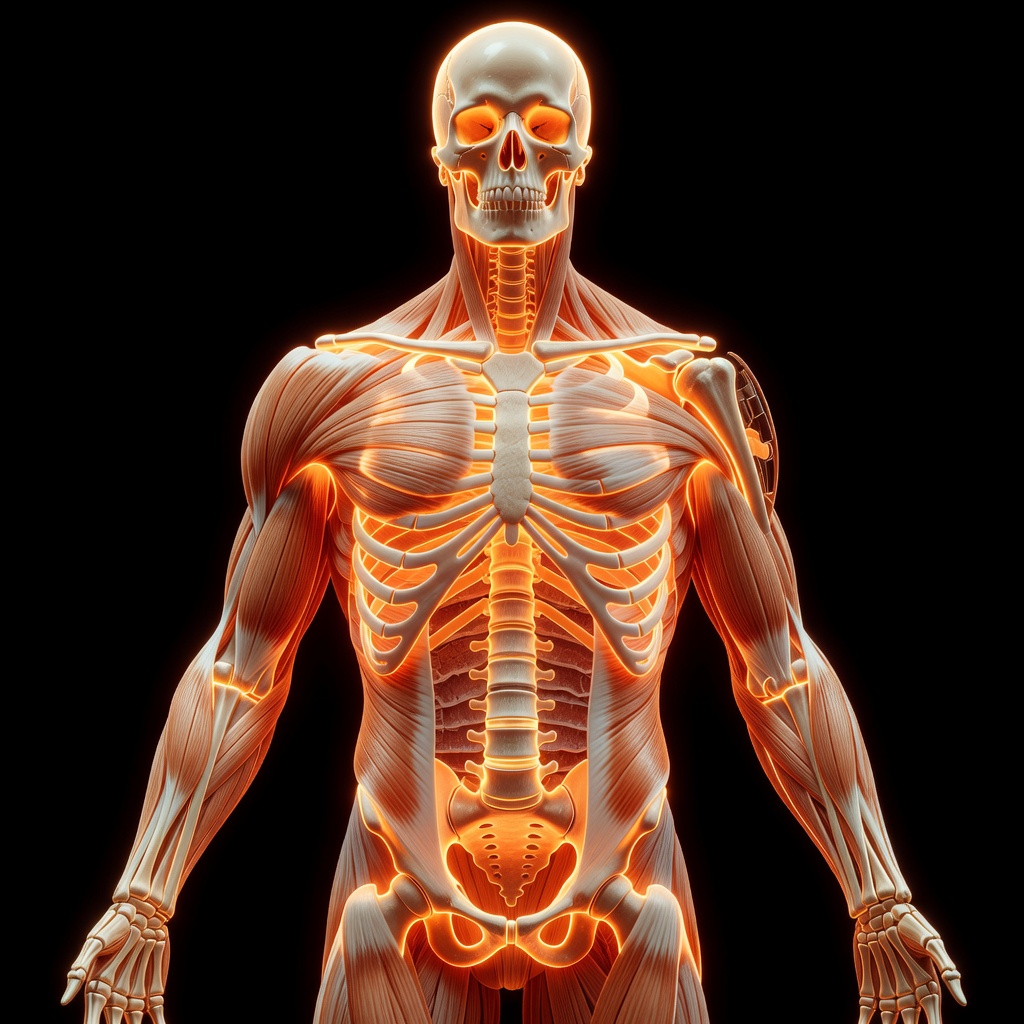
The human skeleton is frequently perceived as a static, inert scaffolding—a structural framework designed solely for movement and protection. However, within the paradigm of INNERSTANDING, we must recognise the bone as a highly dynamic, metabolic organ; a living ledger that records our lifetime environmental exposures. In the modern urban landscape, particularly within the post-industrial territories of the United Kingdom, our bones have become a primary site for Heavy Metal Sequestration.
While the primary focus of toxicology often rests on acute poisoning, the more insidious threat lies in the chronic, low-level accumulation of Lead (Pb) and Cadmium (Cd). These elements do not merely circulate; they are "warehoused" within the mineral matrix of the skeleton, effectively turning our bones into a long-term reservoir of toxicity that can be remobilised back into the bloodstream decades after the initial exposure.
Overview: The Skeleton as a Metabolic Sink
The process of sequestration refers to the body’s defensive mechanism of isolating harmful substances to prevent immediate organ damage. When the liver and kidneys are overwhelmed by the influx of heavy metals from urban air, contaminated water, and industrial dust, the body seeks a safer place for storage.
Because Lead and Cadmium possess chemical signatures remarkably similar to essential minerals, the body is essentially "tricked" into incorporating them into the bone structure. The skeleton, which holds approximately 90-95% of the total body burden of lead in adults, acts as a biological "black box." This storage may remain silent for years, only to manifest as "secondary endogenous exposure" during periods of high bone turnover, such as pregnancy, lactation, or the onset of osteoporosis in later life.
Key Fact: The biological half-life of lead in human bone can range from 10 to 30 years, meaning that the urban environment you inhabited in your youth is still chemically present in your skeleton today.
Biological Mechanisms: The Ionic Mimicry
To understand how these toxins enter the bone, we must look at the concept of Ionic Mimicry. Our bones are primarily composed of hydroxyapatite, a mineral form of calcium phosphate.
The Lead-Calcium Exchange
Lead (Pb²⁺) is a divalent cation with an ionic radius nearly identical to that of Calcium (Ca²⁺). When lead enters the systemic circulation, the osteoblasts (bone-building cells) mistakenly utilise lead ions instead of calcium ions during the formation of new bone tissue. Once embedded, lead becomes part of the crystalline lattice of the bone. This does more than just store the toxin; it actively disrupts bone mineral density (BMD) by inhibiting the enzymes required for bone synthesis and interfering with the hormonal signals of Vitamin D3.
Cadmium’s Indirect and Direct Assault
Unlike lead, Cadmium is not a direct structural substitute for calcium in the hydroxyapatite lattice, but its sequestration is equally devastating. Cadmium accumulates in the periosteum (the outer membrane of the bone) and the bone marrow. More critically, it causes profound damage to the proximal tubules of the kidneys. This renal impairment disrupts the activation of Vitamin D and the reabsorption of calcium, leading to a condition known as osteomalacia (softening of the bones). In urban populations, cadmium exposure is a silent driver of accelerated skeletal ageing.
The UK Context: A Legacy of Industry and Infrastructure
The relevance of heavy metal sequestration is particularly acute in the United Kingdom. Despite modern regulations, the legacy of the Industrial Revolution and the persistence of Victorian-era infrastructure continue to pose significant risks to bone health.
- Victorian Plumbing: Many UK cities, including London, Glasgow, and Manchester, still contain lead piping in older residential properties. While the water is treated to reduce solubility, low-level leaching remains a constant source of ingestion.
- The Petrol Legacy: Although leaded petrol was phased out in the UK by 2000, the Legacy Lead remains in the topsoil of urban gardens and road-side verges. This dust is frequently inhaled or tracked into homes, contributing to the "body burden" of urban dwellers.
- Industrial Hotspots: Regions with a history of smelting, mining, or heavy manufacturing (such as the West Midlands and South Yorkshire) show higher concentrations of cadmium and lead in the local environment, which find their way into the local food chain through "brownfield" gardening.
- Air Quality: Urban high-traffic zones in the UK are hotspots for particulate matter (PM2.5), which often carries trace amounts of cadmium from tyre wear and brake linings.
Environmental Factors and Exposure Pathways
In the urban "concrete jungle," we are exposed to a cocktail of metals through various, often overlooked, pathways:
- Atmospheric Deposition: Fine particulate matter from industrial emissions and vehicle exhaust settles on surfaces. Inhalation is a highly efficient route for cadmium to enter the bloodstream, with a much higher absorption rate than ingestion.
- Dietary Bio-accumulation: Leafy greens and root vegetables grown in urban allotments can "bio-concentrate" cadmium from the soil. In the UK, tobacco smoking remains one of the most significant sources of cadmium exposure, as the tobacco plant is uniquely efficient at absorbing the metal from the earth.
- Occupational Hazards: Those working in construction, demolition (particularly of pre-1970s buildings containing lead paint), or battery recycling are at an elevated risk of acute-on-chronic skeletal loading.
The Danger of Remobilisation
The most concerning aspect of Heavy Metal Sequestration is not when the metals go into the bone, but when they come out. The skeleton is in a constant state of "remodelling"—old bone is resorbed, and new bone is formed.
Truth-Exposing Fact: During menopause, the rapid decline in oestrogen accelerates bone resorption. This process releases decades of stored lead back into the blood, where it can travel to the brain, kidneys, and heart, potentially contributing to hypertension and cognitive decline in the elderly.
Protective Strategies: Safeguarding the Skeletal Matrix
True health education requires actionable strategies. While we cannot always control our external environment, we can influence our internal biochemistry to limit the sequestration of these metals.
Nutritional Shielding
The body’s affinity for heavy metals increases when it is deficient in essential minerals. To prevent the "uptake" of lead and cadmium:
- Optimise Calcium and Magnesium: Ensure adequate intake of bioavailable calcium and magnesium. When the body is mineral-replete, it is less likely to substitute lead for calcium in the bone matrix.
- Vitamin D3 & K2: This duo is essential for ensuring calcium is directed into the bone and not into the soft tissues. Vitamin D also helps regulate the proteins that bind heavy metals in the gut.
- Zinc and Selenium: These minerals are antagonistic to cadmium. Zinc competes with cadmium for binding sites on transport proteins, while Selenium facilitates the production of Glutathione, the body’s master antioxidant, which helps neutralise metal-induced oxidative stress.
Lifestyle and Detoxification
- High-Quality Water Filtration: Utilise filters specifically rated for heavy metal removal (such as reverse osmosis or specialized ion-exchange filters) to eliminate the risk from lead-soldered pipes.
- Sweat Induction: Cadmium and lead can be excreted through the skin. Regular use of Infrared Saunas can assist in reducing the systemic burden before the metals are sequestered in the bone.
- Bone Density Preservation: Engaging in weight-bearing exercise maintains bone integrity and slows the rate of resorption, thereby keeping stored toxins "locked" within the mineral matrix rather than allowing them to flood the bloodstream.
Diagnostic Testing
Standard blood tests are often inadequate for assessing heavy metal sequestration because the body clears metals from the blood and into the tissues/bones quickly.
- X-Ray Fluorescence (XRF): This is the gold standard for measuring lead specifically in the bone, though it is primarily used in research settings.
- Provoked Urine Challenge: Under the supervision of a functional medicine practitioner, chelating agents can be used to "pull" metals from the tissues to assess the total body burden through urine analysis.
Key Takeaways: Toward Skeletal Sovereignty
- Bones as Archives: Your skeleton is not just structural; it is a long-term storage facility for environmental toxins like Lead and Cadmium.
- Ionic Mimicry: Lead replaces calcium in the bone lattice, while cadmium disrupts bone health indirectly through renal damage and direct cellular toxicity.
- The Remobilisation Risk: Physiological shifts such as pregnancy, menopause, or prolonged immobility can "unlock" these stored toxins, causing secondary exposure.
- Mineral Primacy: Maintaining high levels of essential minerals (Calcium, Zinc, Selenium) is the primary defence against the sequestration of heavy metals.
- Urban Awareness: In the UK context, be mindful of older infrastructure and urban dust as persistent sources of low-level exposure.
Understanding the sequestration of heavy metals is a vital step in INNERSTANDING the deep connection between our environment and our internal biological integrity. By nourishing our skeletal system and remaining vigilant about the invisible pollutants of urban life, we can preserve not just our structural strength, but our long-term systemic health. Total wellness requires us to be the gatekeepers of our own mineral matrix.
This article is provided for informational and educational purposes only. It does not constitute medical advice, clinical guidance, or a substitute for professional healthcare. Information reflects cited research at time of publication. Always consult a qualified healthcare professional before acting on any health information.
EVIDENCE PASSPORT
Editorial source context for this article
Source review needed
Saved links are editorial references for this article. They may support specific claims rather than every sentence. Open and assess each source in context. This passport does not independently verify them.
Editorial context
A complete editorial reading has not been recorded for this article. Source links remain available for you to open and assess directly.
Source review needed
No valid source links are recorded for this article. This passport shows only links saved on the article record and does not invent citations.
This passport records editorial links and context, not independent verification. Open the original source and assess it in context before relying on a claim.
Medical Disclaimer
The information in this article is for educational purposes only and does not constitute medical advice, diagnosis, or treatment. Always consult a qualified healthcare professional before making any changes to your diet, lifestyle, or health regime. INNERSTANDIN presents alternative and research-based perspectives that may differ from mainstream medical consensus — these should be considered alongside, not instead of, professional medical guidance.
Read Full DisclaimerContinue the thread
Keep this question moving.
Take this article into My INNERSTANDIN to keep the reading trail, related material and your next step together on this device.