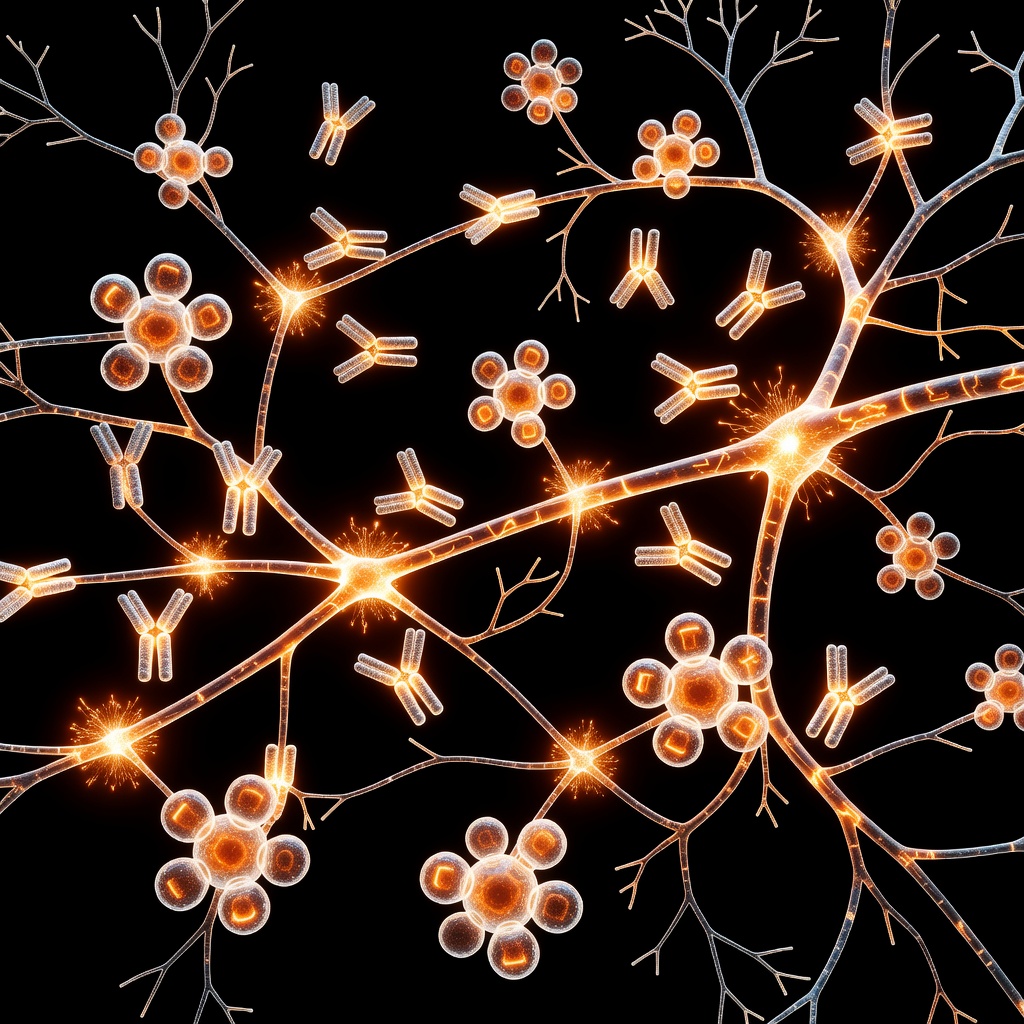
Hepatic Detoxification Pathways Post-Gestation: Addressing Phase II Conjugation Deficits through Sulfur-Donor Amino Acids
This comprehensive educational article explores the physiological burden of hormonal clearance in the postpartum period, specifically focusing on the role of Phase II hepatic conjugation and the critical necessity of sulfur-donor amino acids in resolving nutritional depletion and hormonal imbalances.
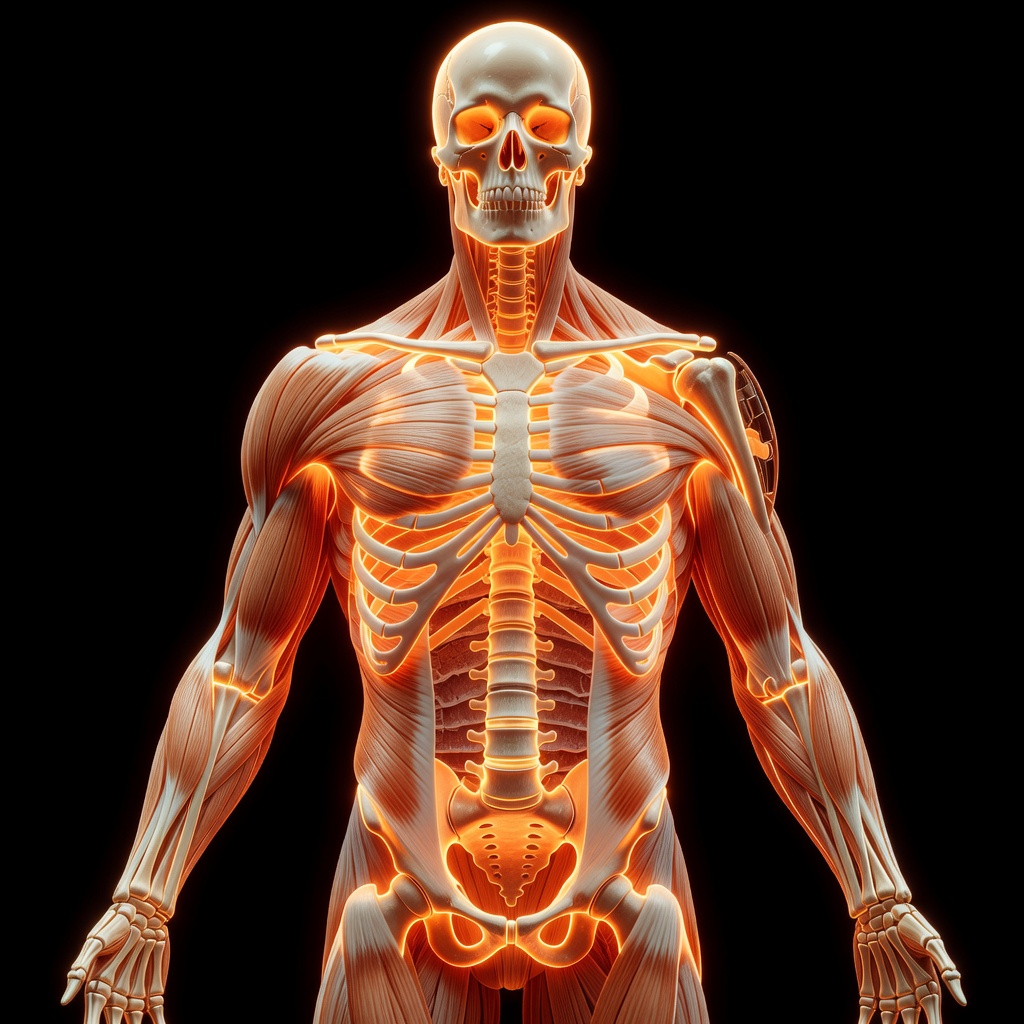
# Hepatic Detoxification Pathways Post-Gestation: Addressing Phase II Conjugation Deficits through Sulfur-Donor Amino Acids. The transition from pregnancy to the postpartum period is often described as a hormonal 'cliff.' Within hours of delivery, levels of progesterone and estrogen drop precipitously, leaving the maternal body to navigate a massive physiological shift. While much of the focus in postpartum care remains on lactation and emotional support, the metabolic root of recovery lies within the liver. During pregnancy, the liver manages a 20- to 30-fold increase in circulating steroid hormones. Post-gestation, it must rapidly clear these metabolites to restore endocrine homeostasis.
However, many women enter the 'fourth trimester' with depleted reserves of key nutrients, leading to a bottleneck in hepatic detoxification—specifically within the Phase II conjugation pathways. This article examines the biochemical necessity of sulfur-donor amino acids in resolving these deficits and supporting long-term postpartum health. ## The Liver's Dual-Phase Machinery. To understand the postpartum deficit, we must first understand the liver's two-step detoxification process. Phase I (Transformation) involves the Cytochrome P450 enzyme group, which begins the breakdown of fat-soluble toxins and hormones into intermediate metabolites. While necessary, these intermediates are often more reactive and potentially damaging than the original substances.
Phase II (Conjugation) is the critical second step where these reactive intermediates are attached to a 'carrier' molecule—such as a sulfur group, a glucuronic acid, or an amino acid—rendering them water-soluble and safe for excretion via bile or urine. In the postpartum context, if Phase I is active but Phase II is sluggish, reactive estrogen metabolites can recirculate, contributing to a state of 'estrogen dominance' despite the overall drop in systemic hormone levels. This imbalance is a primary driver of postpartum mood disorders, fatigue, and systemic inflammation. ## The Phase II Bottleneck: Sulfation and Glucuronidation. The two most vital Phase II pathways for steroid hormone clearance are glucuronidation and sulfation. Sulfation, governed by sulfotransferase (SULT) enzymes, requires a constant supply of inorganic sulfate.
This sulfate is primarily derived from the catabolism of sulfur-containing amino acids: methionine and cysteine. During pregnancy, fetal development places a high demand on the mother's amino acid pool. Cysteine, in particular, is essential for fetal protein synthesis and the production of glutathione, the body's master antioxidant. Consequently, many mothers begin their postpartum journey with a 'sulfur deficit.' When sulfate is scarce, the liver cannot efficiently conjugate catechol estrogens and other environmental toxins. This leads to a metabolic backlog.
This bottleneck is not merely a theoretical concern; it manifests clinically as 'postpartum brain fog,' skin issues, and intensified premenstrual symptoms once the cycle returns. ## Sulfur-Donor Amino Acids: The Biochemical Heroes. To resolve this bottleneck, we must look at the transsulfuration pathway. The primary sulfur-donor amino acids are Methionine, Cysteine, and Taurine. 1. Methionine: An essential amino acid that serves as the precursor to S-adenosylmethionine (SAMe), the body's universal methyl donor. Methionine is crucial for the methylation pathway, which works alongside sulfation to deactivate estrogens. 2.
Cysteine: Derived from methionine or consumed directly, cysteine is the rate-limiting precursor for glutathione synthesis. It also provides the necessary thiol groups for hepatic sulfation. 3. Taurine: While not used in protein synthesis, taurine is essential for bile acid conjugation. Since the liver excretes conjugated hormones through bile, a taurine deficiency can lead to cholestasis or 'sludgy' bile, preventing the actual removal of toxins from the body. ## The Glutathione Connection. The demand for sulfur is further compounded by the oxidative stress of labor and delivery.
Glutathione, a tripeptide made of cysteine, glycine, and glutamate, is the body’s primary defense against oxidative damage. Postpartum recovery requires high levels of glutathione to repair tissue and reduce the systemic inflammation associated with the 'postpartum inflammatory response.' If the liver is forced to choose between using cysteine for glutathione production or using it for hormone sulfation, detoxification often takes a backseat, leading to the accumulation of unmetabolized hormones. ## Clinical Manifestations of Impaired Sulfation. When a mother lacks the sulfur donors necessary for Phase II conjugation, several physiological symptoms may emerge. The most prominent is 'Postpartum Estrogen Dominance.' Even if absolute estrogen is low, the ratio of estrogen to progesterone may be skewed because the liver cannot clear the residual estrogen metabolites. This is often linked to Postpartum Depression (PPD) and Anxiety (PPA), as estrogen metabolites can interfere with neurotransmitter balance, particularly serotonin and GABA.
Additionally, impaired sulfation affects the detoxification of xenoestrogens—synthetic chemicals found in plastics and personal care products—which further burdens the endocrine system. Fatigue, often attributed solely to lack of sleep, may also be a symptom of mitochondrial stress caused by the liver's inability to neutralize reactive Phase I intermediates. ## Nutritional Strategies for Restoration. Addressing these deficits requires a root-cause approach to postpartum nutrition, prioritizing bioavailability and sulfur density. - Cruciferous Vegetables: Broccoli, kale, and Brussels sprouts contain sulforaphane and glucosinolates, which induce Phase II enzyme activity. - Animal Proteins: Eggs (specifically the yolks) are perhaps the most bioavailable source of sulfur and choline, supporting both sulfation and methylation. Ruminant meats provide a dense source of methionine. - Allium Vegetables: Garlic and onions are rich in organosulfur compounds that support the hepatic sulfur pool. - Targeted Supplementation: N-Acetyl Cysteine (NAC) can be a powerful tool for rapidly restoring glutathione levels and providing a source of cysteine. Magnesium is also a vital cofactor, as the SULT enzymes are magnesium-dependent. - Molybdenum: This trace mineral is a cofactor for the sulfite oxidase enzyme, which converts sulfite to sulfate.
Without molybdenum, the sulfur from food cannot be effectively converted into the form used for detoxification. ## Conclusion. Postpartum health is too often reduced to 'waiting it out.' However, by understanding the hepatic requirements for hormonal clearance, we can take a proactive approach to recovery. Addressing the Phase II conjugation deficit through the targeted intake of sulfur-donor amino acids allows the liver to clear the gestational hormonal load, reduce oxidative stress, and restore endocrine balance. For the UK mother navigating the complexities of the fourth trimester, focusing on liver-supportive nutrition is not just about detoxification; it is about reclaiming the metabolic foundation required for long-term vitality and maternal well-being.
This article is provided for informational and educational purposes only. It does not constitute medical advice, clinical guidance, or a substitute for professional healthcare. Information reflects cited research at time of publication. Always consult a qualified healthcare professional before acting on any health information.
RESEARCH FOUNDATIONS
Biological Credibility Archive
Citations provided for educational reference. Verify via PubMed or institutional databases.
Medical Disclaimer
The information in this article is for educational purposes only and does not constitute medical advice, diagnosis, or treatment. Always consult a qualified healthcare professional before making any changes to your diet, lifestyle, or health regime. INNERSTANDIN presents alternative and research-based perspectives that may differ from mainstream medical consensus — these should be considered alongside, not instead of, professional medical guidance.
Read Full DisclaimerReady to learn more?
Continue your journey through our classified biological research.
THE ARSENAL
Based on Postpartum Health & Nutritional Depletion — products curated by our research team for educational relevance and biological support.
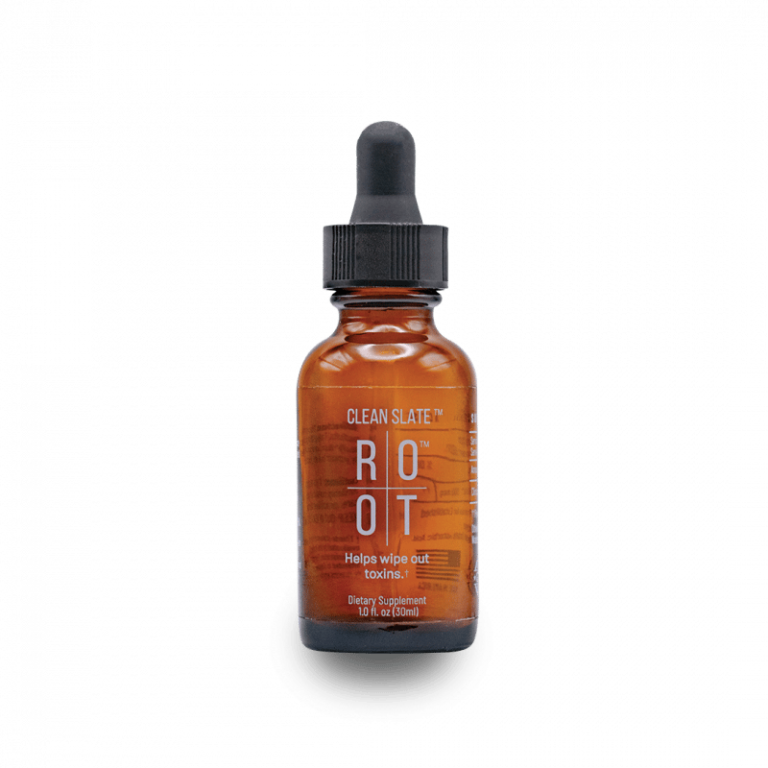
Clean Slate – Detoxes thousands of chemicals,heavy metals, pesticides, allergens, mold spores and fungus
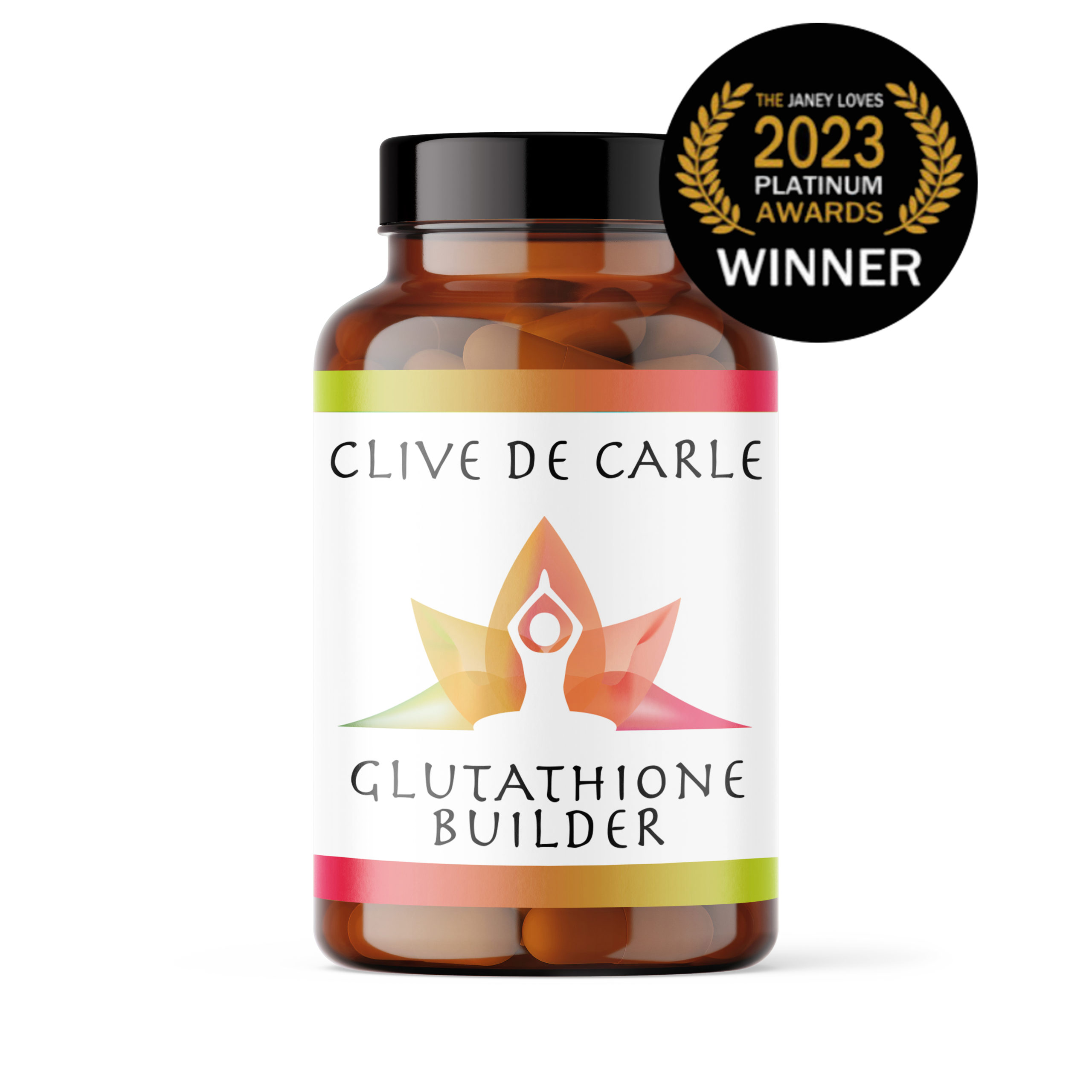
Glutathione Builder – Advanced Amino Acid Formula
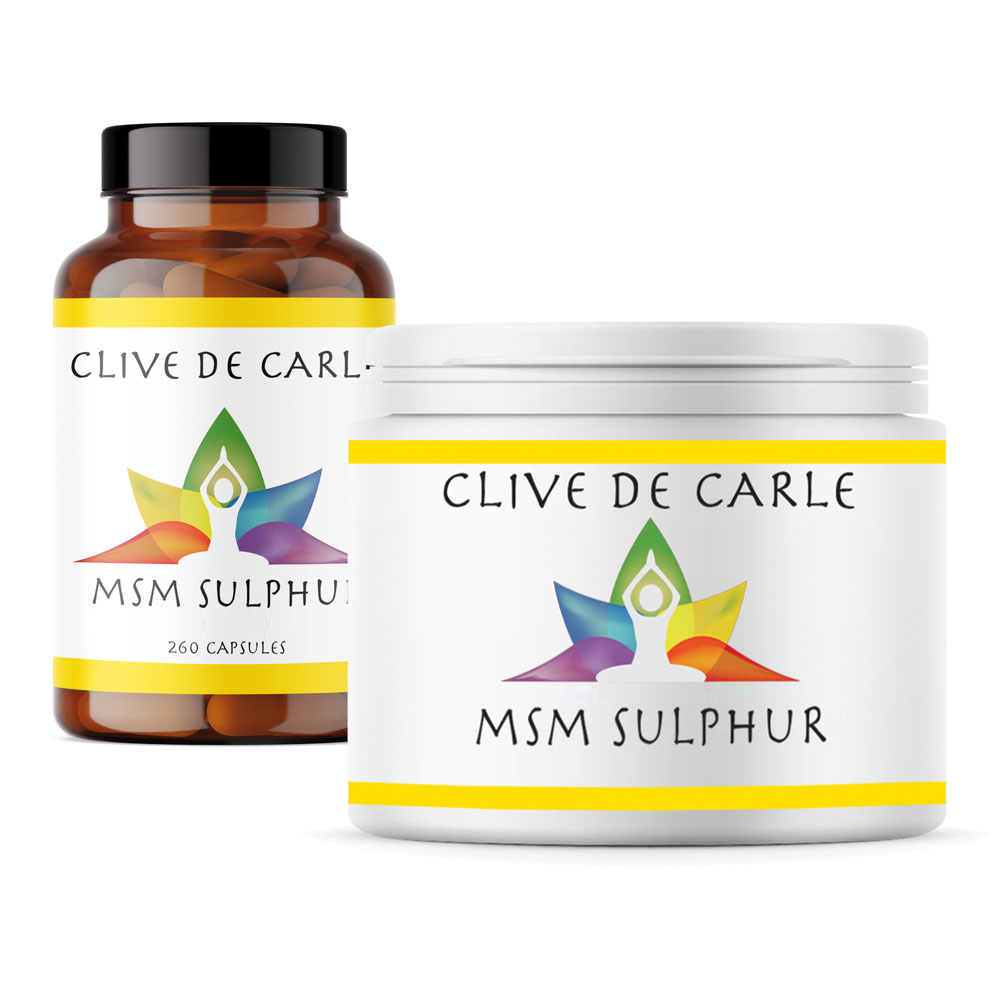
MSM Sulphur – Nature’s Forgotten Mineral
INNERSTANDING may earn a commission on purchases made through these links. All products are selected based on rigorous educational relevance to our biological research.
RABBIT HOLE
Follow the biological thread deeper