
Hormetic Stress: Can Intermittent Fasting and Cold Exposure Strengthen HPA Axis Resilience?
Updated April 2026
Evidence orientation
Editorial context not yet recorded
Follow this category
This stays in this browser. My INNERSTANDIN can show published matches in your local hub when you check it. It does not send email, push, or alert notifications.
Local learning review
A private browser aid for revisiting ideas. It is not an alert or a health recommendation.
Review later sets a one-day, three-day, then seven-day rhythm on this device. Choose it only when you want to revisit this article.
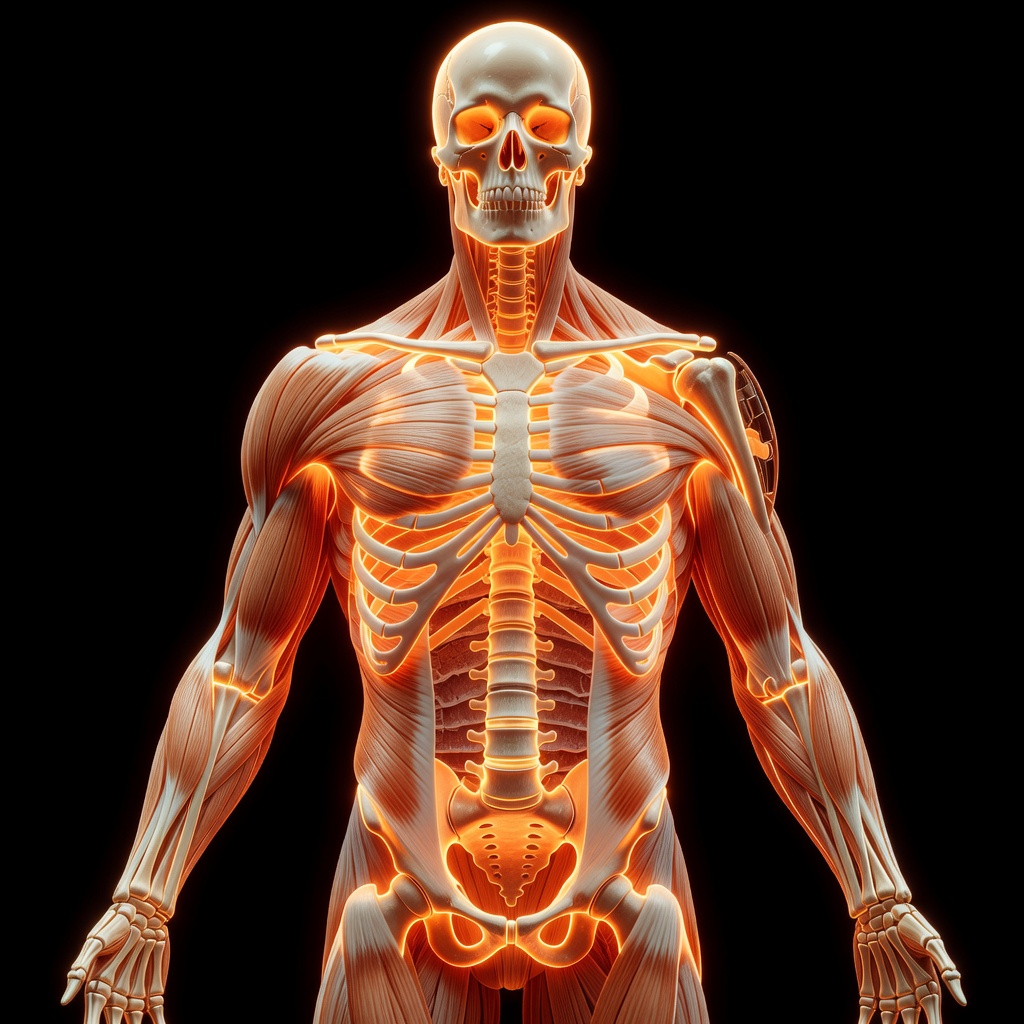
In the modern Western landscape, we have become victims of our own comfort. The central paradox of 21st-century health is that while we have eradicated many ancient environmental threats, our internal stress-response systems—specifically the Hypothalamic-Pituitary-Adrenal (HPA) axis—are more dysregulated than ever. We live in a state of "chronic low-grade alarm," triggered not by apex predators, but by constant notifications, sedentary lifestyles, and processed diets.
To reclaim adrenal health, we must look toward the biological principle of Hormesis. This article explores how controlled, acute stressors like Intermittent Fasting (IF) and Cold Exposure may be the very catalysts required to forge a resilient HPA axis and reverse the tide of adrenal fatigue.
Understanding Hormesis: The "What Doesn't Kill You" Principle
Hormesis is a biological phenomenon where a brief, low-dose exposure to a stressor that is harmful at high doses induces an adaptive, beneficial effect on the organism. It is the biological embodiment of the adage, "what doesn't kill you makes you stronger."
Unlike chronic stress—which is corrosive and leads to Hypocortisolism (adrenal exhaustion) or Hypercortisolism—hormetic stress is acute, intentional, and followed by a recovery period. This cycle "trains" the HPA axis to respond more efficiently to challenges, improving our Allostatic Load (the wear and tear on the body).
"The dose makes the poison. In the context of the HPA axis, the absence of acute physical challenge is just as detrimental as the presence of chronic psychological pressure."
The HPA Axis: The Command Centre of Resilience
The HPA Axis is a complex feedback loop comprising the hypothalamus, the pituitary gland, and the adrenal glands. Its primary job is to regulate the body’s response to stress by secreting Glucocorticoids, most notably Cortisol.
When we encounter a threat, the hypothalamus releases Corticotropin-Releasing Hormone (CRH), signalling the pituitary to release Adrenocorticotropic Hormone (ACTH), which finally prompts the adrenals to produce cortisol. In a healthy system, once the threat passes, the "negative feedback loop" tells the brain to stop production.
However, modern life keeps this loop permanently "on." By introducing hormetic stressors, we are essentially performing "resistance training" for this feedback loop, ensuring the "off switch" remains sensitive and functional.
Intermittent Fasting: Metabolic Hormesis for Adrenal Strength
Intermittent Fasting (IF)—the practice of cycling between periods of eating and fasting—is perhaps the most potent metabolic hormetic stressor available. While often discussed for weight loss, its true value lies in its ability to optimise the HPA axis.
1. Mitochondrial Biogenesis and Cortisol
Fasting places a temporary energy stress on the body. This triggers the production of PGC-1alpha, a protein that stimulates Mitochondrial Biogenesis (the creation of new mitochondria). Healthier mitochondria mean cells require less cortisol to manage energy production, reducing the long-term burden on the adrenal glands.
2. Autophagy and Cellular Clean-up
During the fasting window, the body initiates Autophagy—a cellular "housekeeping" process where damaged proteins and organelles are recycled. By clearing out cellular debris, IF reduces systemic inflammation. Since inflammation is a primary driver of HPA axis over-activation, fasting acts as a secondary protective mechanism for adrenal longevity.
3. Enhancing Insulin Sensitivity
Insulin and cortisol have an inverse, antagonistic relationship. High insulin (driven by frequent snacking and refined carbohydrates) often leads to erratic cortisol spikes. By stabilising insulin through fasting, we create a "metabolic floor" that prevents the HPA axis from having to compensate for blood sugar crashes.
Cold Exposure: The Thermal Shock to the System
From wild swimming in the Scottish Highlands to the increasing popularity of ice baths in London, Cold Exposure (or Cryotherapy) is being rediscovered as a primary tool for HPA resilience.
The Adrenaline-Noradrenaline Surge
When the body is immersed in cold water, the sympathetic nervous system is immediately activated. The adrenal medulla releases Adrenaline and Noradrenaline. This is an acute, high-intensity spike that forces the HPA axis to manage a massive influx of signals.
Vagal Tone and the Parasympathetic Shift
Crucially, the benefit of cold exposure occurs in the aftermath. As you exit the cold and begin to rewarm, the body triggers a powerful parasympathetic (rest-and-digest) response. Regular cold exposure improves Vagal Tone, the ability of the vagus nerve to modulate the heart rate and calm the HPA axis after a stress event.
Brown Adipose Tissue (BAT)
Cold exposure activates Brown Adipose Tissue, a type of "fat that burns fat" to generate heat (Thermogenesis). The metabolic demand of BAT activation improves glucose metabolism, further reducing the systemic stress that typically drains the adrenals.
The UK Context: A Culture of "Indoor Fragility"
In the United Kingdom, several environmental and cultural factors contribute to HPA axis dysfunction. The UK’s climate, particularly during the long winter months, often leads to a sedentary, indoor lifestyle.
- The Comfort Trap: With central heating and constant access to high-calorie "beige" foods (ultra-processed carbohydrates), the average Briton rarely experiences thermal stress or genuine hunger. This lack of hormesis leads to a "flabby" stress response.
- The "Stiff Upper Lip" Fallacy: Culturally, the UK has a history of suppressing emotional stress. Suppressed emotion is a potent driver of chronic HPA activation. Unlike the acute stress of an ice bath, suppressed emotional stress never "resolves," leading to chronic adrenal depletion.
- Vitamin D Deficiency: Given the UK's latitude, Vitamin D deficiency is rampant. Vitamin D is a pro-hormone essential for cortisol regulation. Without it, the HPA axis is inherently more fragile.
Environmental Factors Contributing to Adrenal Fatigue
Before implementing hormetic strategies, one must address the "leaks" in the bucket. Hormetic stress only works if the body has the resources to adapt.
- Blue Light Pollution: The UK's high density of screen use and street lighting disrupts the Circadian Rhythm. Melatonin and cortisol are on a 24-hour timer; if you disrupt sleep with blue light, you disrupt the HPA axis.
- Endocrine Disruptors: Chemicals found in plastics and pesticides (common in non-organic UK produce) can mimic hormones, confusing the HPA axis feedback loops.
- Noise Pollution: For those living in urban centres like Manchester, Birmingham, or London, constant background noise acts as a "micro-stressor," preventing the HPA axis from ever reaching a state of true baseline.
Protective Strategies: How to Implement Hormesis Safely
It is vital to distinguish between "beneficial stress" and "overload." If an individual is already in a state of advanced Adrenal Fatigue (Addison’s-like clinical presentation or severe burnout), hormetic stressors can backfire.
1. The Minimum Effective Dose
Start small. Do not jump into a five-day fast or a frozen lake on day one.
- Fasting: Begin with a 12:12 window (12 hours of fasting, 12 hours of eating) and gradually move to 16:8.
- Cold: End your usual warm shower with 30 seconds of cold water, gradually increasing the duration and decreasing the temperature.
2. Prioritise "Refeeding" and "Rewarming"
Hormesis is only effective if followed by a period of safety and nourishment. After a fast, break it with nutrient-dense, whole foods (high-quality proteins and healthy fats). After cold exposure, ensure you have the metabolic energy to rewarm naturally.
3. Monitor Heart Rate Variability (HRV)
HRV is the gold standard for measuring HPA axis resilience. A high HRV indicates a flexible, resilient nervous system. If your HRV drops significantly after introducing fasting or cold exposure, it is a sign that the stressor is currently exceeding your adaptive capacity.
4. Support with Adaptogens
In the UK, we have access to potent Adaptogenic Herbs like Ashwagandha, Rhodiola Rosea, and Holy Basil. These botanical agents help "level out" the HPA response, making hormetic stressors safer and more effective for those with moderate adrenal depletion.
Key Takeaways: Forging Adrenal Resilience
The path to a resilient HPA axis does not lie in more rest, but in better stress. By strategically reintroducing the environmental challenges our ancestors faced daily, we can "re-programme" our biological response to the modern world.
- Hormesis is a Biological Necessity: Without acute stress, our HPA axis becomes hypersensitive to minor psychological triggers.
- Intermittent Fasting is more than a diet; it is a tool for metabolic flexibility and reduced HPA burden through autophagy and insulin control.
- Cold Exposure acts as a "reset button" for the nervous system, improving vagal tone and the ability to switch off the stress response.
- Context Matters: UK residents should be particularly mindful of Vitamin D levels and the "Comfort Trap" of modern indoor living.
- Listen to the Body: Hormetic stress must be cyclical. Always follow acute stress with deep recovery to avoid crossing the line into chronic exhaustion.
By embracing the cold and the hunger, we don't just survive the modern world; we become biologically optimised to thrive within it. True INNERSTANDING of the HPA axis reveals that our greatest strength lies in our ability to adapt to the very things we have spent centuries trying to avoid.
This article is provided for informational and educational purposes only. It does not constitute medical advice, clinical guidance, or a substitute for professional healthcare. Information reflects cited research at time of publication. Always consult a qualified healthcare professional before acting on any health information.
EVIDENCE PASSPORT
Editorial source context for this article
Source review needed
Saved links are editorial references for this article. They may support specific claims rather than every sentence. Open and assess each source in context. This passport does not independently verify them.
Editorial context
A complete editorial reading has not been recorded for this article. Source links remain available for you to open and assess directly.
Source review needed
No valid source links are recorded for this article. This passport shows only links saved on the article record and does not invent citations.
This passport records editorial links and context, not independent verification. Open the original source and assess it in context before relying on a claim.
Medical Disclaimer
The information in this article is for educational purposes only and does not constitute medical advice, diagnosis, or treatment. Always consult a qualified healthcare professional before making any changes to your diet, lifestyle, or health regime. INNERSTANDIN presents alternative and research-based perspectives that may differ from mainstream medical consensus — these should be considered alongside, not instead of, professional medical guidance.
Read Full DisclaimerContinue the thread
Keep this question moving.
Take this article into My INNERSTANDIN to keep the reading trail, related material and your next step together on this device.
Explore this in the Body Map
See where this hits your biology. Interactive anatomy, threats, and protective protocols.
Dig deeper in the Library
Free, longform PDF volumes that go beyond headlines into mechanisms and references.