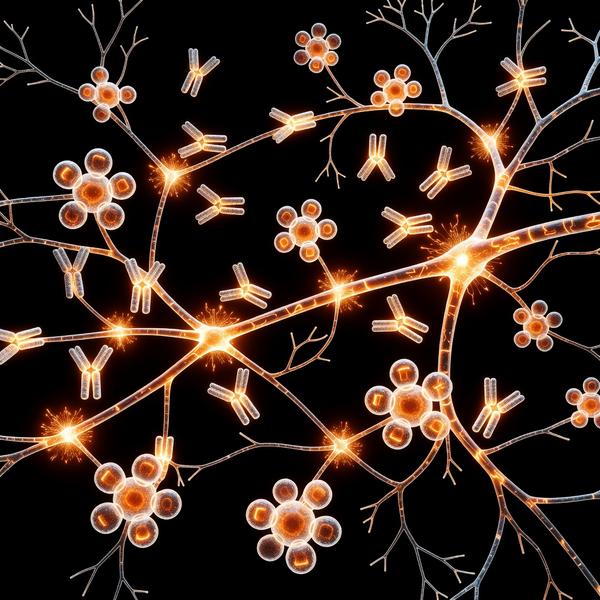
Hydrodynamic Forces and Lymphatic Pump Failure: A Cellular Perspective on Breast Tissue Detoxification
Discuss this resourceUpdated August 2026
An in-depth exploration of how lymphatic stasis in breast tissue is influenced by hydrodynamic pressure, cellular environmental shifts, and the critical role of the lymphatic pump in maintaining homeostasis.
Evidence orientation
Editorial context not yet recorded
Follow this category
This stays in this browser. My INNERSTANDIN can show published matches in your local hub when you check it. It does not send email, push, or alert notifications.
Local learning review
A private browser aid for revisiting ideas. It is not an alert or a health recommendation.
Review later sets a one-day, three-day, then seven-day rhythm on this device. Choose it only when you want to revisit this article.
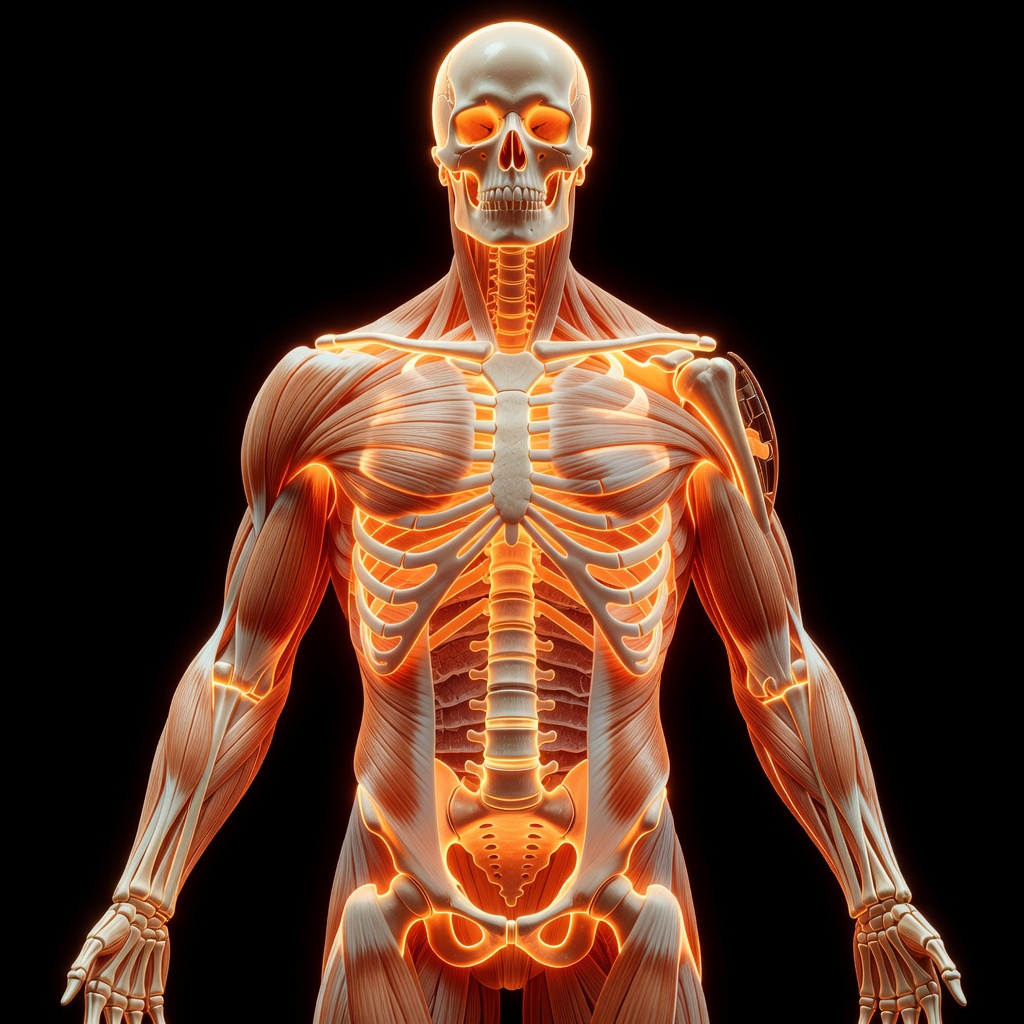
In the landscape of breast health, the lymphatic system acts as the primary waste management infrastructure. Unlike the cardiovascular system, which benefits from the mechanical force of the heart, the lymphatic system relies on intrinsic contractility—lymphangion pulsation—and external movement. When these hydrodynamic forces falter, the result is stagnant interstitial fluid, creating an environment ripe for metabolic byproduct accumulation and chronic inflammation.
The Hydrodynamic Principle
Lymphatic transport depends on a pressure gradient. Fluid moves from high-pressure areas (the interstitial space) into the low-pressure zones of the initial lymphatic capillaries. In the breast, this process is influenced by the proximity to the pectoral musculature and the dense connective tissue architecture. When this gradient is disrupted, fluid viscosity increases, leading to what we define as 'lymphatic pump failure.'
Cellular Stasis and the Microenvironment
At a cellular level, impaired lymphatic flow prevents the efficient removal of carbon dioxide, cellular debris, and inflammatory cytokines. This metabolic 'clutter' alters the pH of the extracellular matrix (ECM). Acidosis in the ECM can trigger a cycle where fibroblasts overproduce collagen, leading to fibrosis—a hallmark of breast tissue congestion. This creates a mechanical feedback loop: the stiffer the tissue becomes, the harder it is for lymphatic vessels to expand and contract, effectively 'locking' the tissue in a state of chronic stasis.
Root-Cause Drivers of Lymphatic Failure
- Mechanical Restriction: Tight-fitting garments, particularly underwire bras, exert external pressure that acts as a tourniquet on the lymphatic drainage pathways leading to the axillary nodes.
- Sedentary Dynamics: Because the thoracic duct and regional lymphatic collectors rely on diaphragmatic movement and muscular contraction, shallow breathing and inactivity severely throttle the system's total volumetric flow.
- Inflammatory Overload: High levels of systemic oxidative stress lead to capillary leakage, which overwhelms the lymphatic system's transport capacity, leading to localized edema.
Therapeutic Interventions and Restoration
To restore optimal hydrodynamic function, we must treat the breast not as an isolated gland, but as a dynamic, fluid-dependent ecosystem. Manual Lymphatic Drainage (MLD) is not merely a massage; it is an exercise in pressure-based stimulation that mimics the intrinsic rhythm of the lymphangions. By applying precise, rhythmic vectors, we can assist the body in shifting high-protein interstitial fluid into the active drainage channels.
Conclusion
Breast health is a reflection of the fluidity of the cellular terrain. By addressing the root causes of lymphatic pump failure—improving thoracic mobility, reducing mechanical restriction, and supporting systemic detoxification—we empower the body to maintain its own innate restorative potential.
This article is provided for informational and educational purposes only. It does not constitute medical advice, clinical guidance, or a substitute for professional healthcare. Information reflects cited research at time of publication. Always consult a qualified healthcare professional before acting on any health information.
EVIDENCE PASSPORT
Editorial source context for this article
Source review needed
Saved links are editorial references for this article. They may support specific claims rather than every sentence. Open and assess each source in context. This passport does not independently verify them.
Editorial context
A complete editorial reading has not been recorded for this article, and no source links are saved on its record.
Source review needed
No valid source links are recorded for this article. Supplementary research, where available, is listed separately below.
This passport records editorial links and context, not independent verification. Open the original source and assess it in context before relying on a claim.
Medical Disclaimer
The information in this article is for educational purposes only and does not constitute medical advice, diagnosis, or treatment. Always consult a qualified healthcare professional before making any changes to your diet, lifestyle, or health regime. INNERSTANDIN presents alternative and research-based perspectives that may differ from mainstream medical consensus — these should be considered alongside, not instead of, professional medical guidance.
Read Full DisclaimerContinue the thread
Keep this question moving.
Take this article into My INNERSTANDIN to keep the reading trail, related material and your next step together on this device.
Explore this in the Body Map
Explore related body structures and their educational pages in the interactive Body Map.
Dig deeper in the Library
Free, longform PDF volumes that go beyond headlines into mechanisms and references.
RABBIT HOLE
Follow the biological thread deeper