
Hypoxic Signaling: How Low Oxygen Drives Tissue Regeneration
Updated May 2026
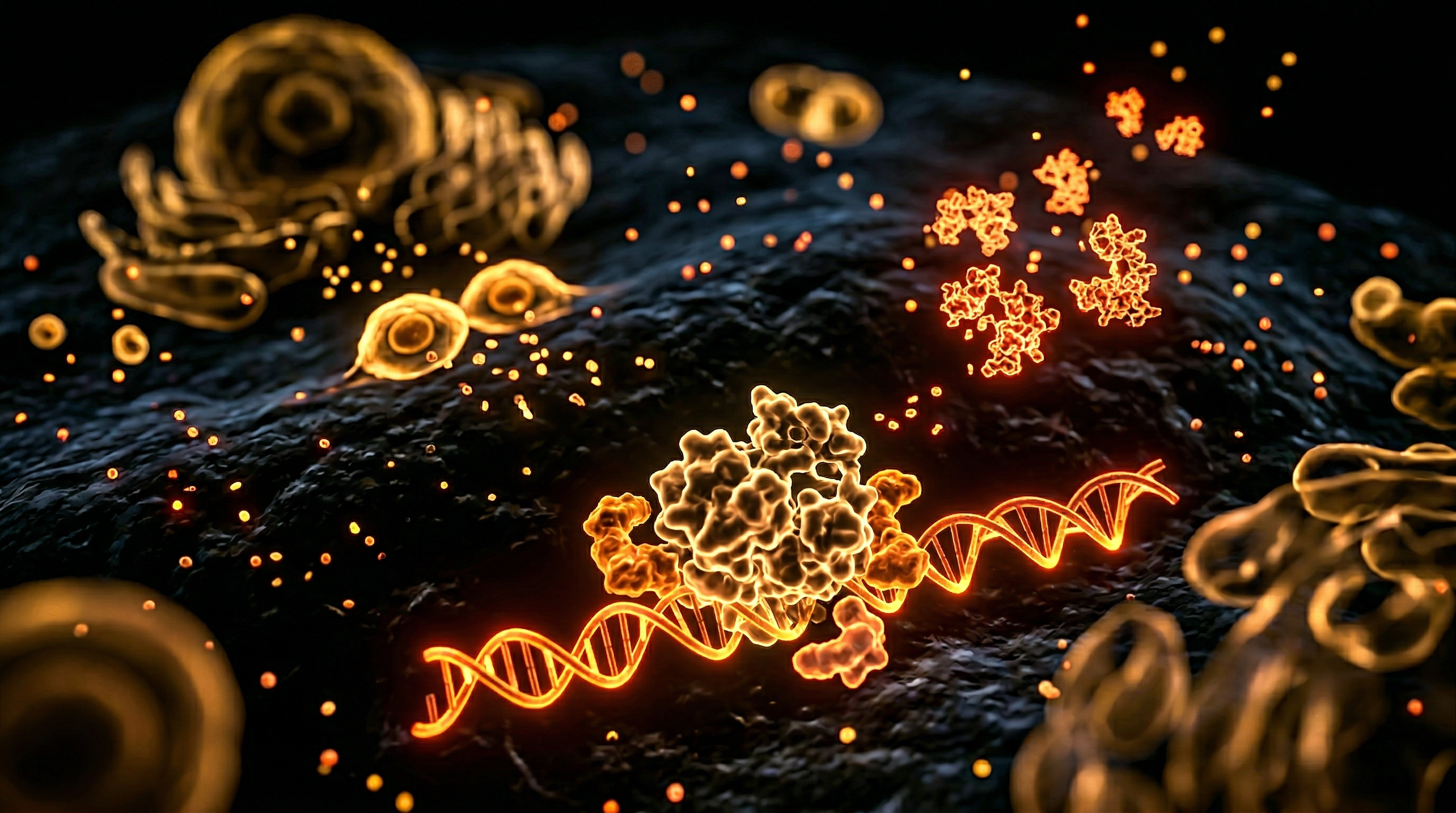
Stem cells often reside in 'hypoxic niches' where low oxygen levels maintain their potency. This article explores how manipulating oxygen sensors can accelerate the healing of chronic wounds.
Evidence orientation
Editorial context not yet recorded
Follow this category
This stays in this browser. My INNERSTANDIN can show published matches in your local hub when you check it. It does not send email, push, or alert notifications.
Local learning review
A private browser aid for revisiting ideas. It is not an alert or a health recommendation.
Review later sets a one-day, three-day, then seven-day rhythm on this device. Choose it only when you want to revisit this article.
Overview
For decades, the medical establishment has viewed oxygen through a binary and somewhat reductive lens: oxygen is life, and the lack of it—hypoxia—is a catastrophic failure of the system. In the clinical setting, we are taught to fear low oxygen saturation, reaching for the mask and the cylinder at the first sign of a dip. However, as we delve deeper into the molecular architecture of the human body, a far more nuanced and revolutionary truth emerges. At INNERSTANDING, we investigate the frontiers of biological science that the mainstream often bypasses. The reality is that hypoxia is not merely a state of deficiency; it is a master evolutionary signal.
It is the primary "switch" that triggers the most profound regenerative processes in the mammalian body. From the embryonic stage to the maintenance of adult stem cell niches, the absence of high-pressure oxygen is what allows for cellular potency and the repair of complex tissues. This article explores the intricate world of hypoxic signalling, the Hypoxia-Inducible Factors (HIFs), and how we can harness this "threat" to drive the healing of chronic wounds, the regeneration of ischaemic tissue, and the reversal of cellular senescence.
Key Fact: The human foetus develops in an environment with oxygen levels comparable to the summit of Mount Everest (an "Everest in utero"), proving that low oxygen is the fundamental state for rapid growth and cellular differentiation.
We stand at a crossroads in regenerative medicine. By understanding how the body senses and responds to oxygen fluctuations, we move away from the "band-aid" approach of modern pharmacology and toward a paradigm of endogenous bio-hacking—using the body’s own primordial survival mechanisms to rebuild what was thought to be lost.
The Biology — How It Works
To understand hypoxic signalling, one must first appreciate the Oxygen Paradox. While oxygen is the final electron acceptor in the mitochondrial electron transport chain—powering the production of ATP—it is also a highly reactive and potentially toxic molecule. High levels of oxygen lead to the production of Reactive Oxygen Species (ROS), which damage DNA, proteins, and lipid membranes.
The body, therefore, has evolved a sophisticated molecular thermostat to monitor oxygen levels at the cellular level. This thermostat is governed by a family of proteins known as Hypoxia-Inducible Factors (HIFs).
The HIF Alpha and Beta Subunits
The HIF protein is a heterodimer, consisting of an oxygen-sensitive HIF-α subunit (the "sensor") and a constitutively expressed HIF-β subunit. Under normal oxygen conditions (normoxia), the HIF-α subunit is rapidly degraded. It is produced and destroyed in a continuous cycle, lasting only minutes. This degradation is mediated by Prolyl Hydroxylase Domain (PHD) enzymes.
The Role of Prolyl Hydroxylases (PHDs)
PHD enzymes are the true oxygen sensors of the cell. They require three things to function: molecular oxygen (O2), iron (Fe2+), and alpha-ketoglutarate. When oxygen is plentiful, PHDs attach a hydroxyl group to specific proline residues on the HIF-α protein. This "marks" the protein for recognition by the von Hippel-Lindau (VHL) tumour suppressor protein, which tags it with ubiquitin for destruction in the proteasome.
When oxygen levels drop, the PHDs lose their substrate. They can no longer hydroxylate HIF-α. Consequently, HIF-α accumulates, migrates to the nucleus, binds with HIF-β, and attaches to specific DNA sequences called Hypoxia Response Elements (HREs).
Important Callout: The HIF system is so fundamental to life that the 2019 Nobel Prize in Physiology or Medicine was awarded to William Kaelin Jr, Sir Peter Ratcliffe, and Gregg Semenza for their discovery of how cells sense and adapt to oxygen availability.
Mechanisms at the Cellular Level
Once HIF-α is stabilised and bound to the DNA, it initiates a massive transcriptional programme. It is estimated that HIF controls the expression of over 2% of the entire human genome, particularly genes involved in energy metabolism, angiogenesis, and cell survival.
Metabolic Reprogramming: The Warburg-like Shift
In a hypoxic state, the cell proactively shifts its metabolism. It moves away from oxidative phosphorylation (OXPHOS) in the mitochondria—which requires oxygen—and toward anaerobic glycolysis. HIF-α upregulates glucose transporters (GLUT1) and glycolytic enzymes (such as LDH-A).
This is not a "starvation" move; it is a protective one. By downregulating mitochondrial activity via the induction of PDK1 (Pyruvate Dehydrogenase Kinase 1), the cell prevents the massive surge of ROS that would occur if it tried to process oxygen in a limited environment. For a stem cell, this metabolic shift is what preserves its potency and prevents premature "burnout" or differentiation.
Angiogenesis and Revascularisation
Perhaps the most visible effect of hypoxic signalling is the induction of Vascular Endothelial Growth Factor (VEGF). When a tissue is wounded or ischaemic, the resulting hypoxia triggers the HIF pathway to "call for help." VEGF stimulates the sprouting of new blood vessels from existing ones—a process called angiogenesis. Without this hypoxic trigger, chronic wounds remain stagnant, deprived of the nutrients and immune cells required for closure.
Stem Cell Maintenance in the "Niche"
It is a common misconception that stem cells thrive in oxygen-rich environments. In reality, the most potent stem cells in the human body—Haematopoietic Stem Cells (HSCs) and Mesenchymal Stem Cells (MSCs)—reside in "hypoxic niches" within the bone marrow and other tissues.
- Quiescence: Low oxygen keeps stem cells in a state of "sleep" (quiescence), protecting their DNA from oxidative damage.
- Self-Renewal: Hypoxia promotes the expression of pluripotency markers like OCT4 and NANOG, ensuring the stem cell pool is not depleted.
Statistic: Atmospheric oxygen is roughly 21%, but the "physioxia" (natural oxygen level) within human tissues ranges from 3% to 9%. In the bone marrow niche, it can be as low as 1%.
Environmental Threats and Biological Disruptors
In our modern "civilised" environment, the delicate HIF signalling pathway is under constant assault. We are seeing a widespread "decoupling" of oxygen sensing, where the body's sensors are either falsely suppressed or pathologically over-activated.
The Heavy Metal Interference
The PHD enzymes, which act as our oxygen sensors, require iron (Fe2+) to function. In the modern world, we are exposed to high levels of heavy metals like cobalt, nickel, and cadmium. These metals can displace iron from the active site of the PHD enzymes. This "tricks" the cell into thinking it is hypoxic even when oxygen is present—a state known as pseudohypoxia. While this might sound beneficial for regeneration, chronic pseudohypoxia is a hallmark of cancer progression and metabolic syndrome.
Electromagnetic Fields (EMFs) and Calcium Signalling
Emerging research (often marginalised by industry-funded studies) suggests that non-ionising radiation from EMFs can disrupt the Voltage-Gated Calcium Channels (VGCCs) in the cell membrane. Calcium is a secondary messenger in many signalling pathways, including those that interact with HIF-1α. Disruptions here can lead to an "uncoupling" of the metabolic response to oxygen, preventing the cell from entering its regenerative state during recovery.
The Role of Endocrine Disruptors
Chemicals like BPA (Bisphenol A) and various phthalates have been shown to interfere with the aryl hydrocarbon receptor (AhR). Since the HIF-β subunit is also known as the Aryl Hydrocarbon Receptor Nuclear Translocator (ARNT), toxins that hijack this protein can effectively "starve" the HIF pathway, preventing the body from initiating repair in response to injury.
The Cascade: From Exposure to Disease
When the hypoxic signalling mechanism fails, the results are catastrophic and systemic. We see a clear cascade that leads from environmental disruption to chronic, non-communicable diseases.
Chronic Non-Healing Wounds
In diabetic patients, the HIF-1α response is severely impaired. Even though the tissue is starving for oxygen (due to poor circulation), the "sensor" is broken. High glucose levels lead to the glycation of the HIF protein, rendering it inactive. Because the "call for help" (VEGF) is never sent, the wound never develops the blood supply it needs to heal. This leads to the high rates of amputation seen in Western populations.
Ischaemia-Reperfusion Injury
When oxygen is restored to a tissue after a period of blockage (such as after a stroke or heart attack), the sudden influx of oxygen creates a "firestorm" of free radicals. If the hypoxic signalling pathway was not properly "primed" during the low-oxygen phase, the tissue lacks the antioxidant defences (like superoxide dismutase) induced by HIF. This results in more damage during the "recovery" phase than during the initial injury itself.
The Fibrosis Trap
When regeneration fails, the body resorts to fibrosis—scarring. HIF-2α, a cousin of HIF-1α, plays a role in the transition to a fibrotic state if the hypoxic signal becomes chronic and maladaptive. Instead of new, functional tissue, the body lays down rigid collagen, leading to organ failure in the lungs, liver, and kidneys.
Fact: Chronic inflammation "hijacks" the hypoxic pathway. NF-κB, the master regulator of inflammation, can activate HIF-1α even in the presence of oxygen, creating a pro-inflammatory loop that prevents tissue healing.
What the Mainstream Narrative Omits
The mainstream medical narrative is heavily invested in the "Oxygen is Good" dogma. This has led to the suppression or dismissal of therapies that leverage the power of controlled hypoxia.
The Truth About Hyperbaric Oxygen Therapy (HBOT)
While HBOT is touted as a miracle for many conditions, the mainstream often ignores the "Hyperoxic-Hypoxic Paradox." It is not just the high oxygen that heals; it is the fluctuation back to normal levels that the body perceives as a "relative hypoxia." By saturating the body with oxygen and then removing it, we trigger a massive surge in HIF-α. However, prolonged, continuous high-pressure oxygen can actually suppress endogenous stem cell release and damage the delicate mitochondrial membranes.
The Suppression of HIF-Stabilisers
There is a class of drugs known as HIF-Prolyl Hydroxylase Inhibitors (HIF-PHIs). These drugs "trick" the body into thinking it is hypoxic, thereby stimulating erythropoiesis (red blood cell production) and angiogenesis. While some have been approved for renal anaemia, their potential for treating chronic wounds and neurodegeneration is being "slow-walked" through the regulatory pipeline. Why? Because a systemic HIF-activator could potentially replace dozens of expensive treatments for diabetic complications and cardiovascular disease.
The "Everest" Effect and Longevity
The mainstream rarely discusses the fact that populations living at moderate altitudes—where oxygen is lower—have lower rates of cardiovascular disease and certain cancers. The mild, chronic activation of the HIF pathway acts as a form of hormesis, strengthening the body’s internal repair mechanisms. This contradicts the "more is better" approach to supplemental oxygen used in many elderly care facilities.
The UK Context
In the United Kingdom, the implications of hypoxic signalling research are particularly acute. The NHS is currently facing a "silent epidemic" of chronic wounds and peripheral vascular disease.
The NHS Wound Care Crisis
- It is estimated that the NHS spends approximately £8.3 billion annually on the management of wounds.
- Many of these are "stagnant" ulcers in the elderly and diabetic populations.
- Traditional UK clinical guidelines focus on "moist wound healing" and compression, often ignoring the molecular signalling required for revascularisation.
British Research Excellence
The UK has been a global leader in this field. The work of Sir Peter Ratcliffe at the University of Oxford provided the foundational understanding of the VHL-HIF pathway. Despite this, there is a significant lag in translating this "Nobel-level" science into the local GP surgery. British patients are rarely offered intermittent hypoxia protocols or HIF-stabilising interventions, which remain relegated to elite sports science clinics in London.
Environmental Factors in the UK
The UK’s industrial legacy and high levels of urban air pollution (specifically nitrogen dioxide and particulate matter) create a unique challenge. These pollutants induce systemic oxidative stress that "blunts" the natural HIF response. Furthermore, the British diet—often deficient in the key PHD co-factors like magnesium and bioavailable iron—further impairs our natural ability to sense and respond to oxygen fluctuations.
Protective Measures and Recovery Protocols
Understanding the science of hypoxia allows us to take control of our regenerative health. We can "pulse" our oxygen levels to stimulate repair without causing damage.
1. Intermittent Hypoxic-Hyperoxic Training (IHHT)
This is a protocol where an individual breathes oxygen-depleted air (around 10-12% O2) for a few minutes, followed by oxygen-enriched air.
- Effect: This "shocks" the PHDs, leading to a controlled spike in HIF-α.
- Benefit: It triggers mitochondrial biogenesis—the creation of new, healthy mitochondria—and stimulates the release of circulating stem cells.
2. Breathwork: The Buteyko and Wim Hof Methods
Specific breathing techniques can influence CO2 and O2 levels in the blood.
- The Bohr Effect: By increasing CO2 through breath retention (hypoventilation), we reduce the affinity of haemoglobin for oxygen, actually allowing more oxygen to be delivered to the tissues (the "oxygen paradox").
- Hypoxic Pulsions: Short periods of breath-holding (under guidance) can create a transient hypoxic state that activates the HIF-1α pathway in the brain, offering neuroprotective benefits.
3. Nutritional Co-Factors
To ensure your "oxygen sensors" are working correctly, you must provide the necessary co-factors for the PHD enzymes:
- Iron (Heme source): Essential for the enzyme's active site.
- Alpha-Ketoglutarate (AKG): A Krebs cycle intermediate that is a required co-substrate. AKG supplementation is now being studied for its longevity effects.
- Vitamin C: Keeps the iron in the enzyme in its active (reduced) state.
- Magnesium: Critical for the ATP-dependent processes that follow HIF activation.
4. Avoiding Mitochondrial Toxins
Protect your "hypoxic niches" by reducing exposure to:
- Fluoride: Can interfere with mitochondrial enzymes.
- Glyphosate: Disrupts the shikimate pathway and may interfere with mineral absorption necessary for oxygen sensing.
- Blue Light at Night: Disrupts the circadian rhythm of HIF expression, which naturally peaks during certain phases of the sleep cycle.
Summary: Key Takeaways
The exploration of hypoxic signalling reveals that our bodies are not fragile machines requiring a constant, high-pressure stream of oxygen. Instead, we are dynamic, adaptive organisms that use "lack" as a signal for "growth."
- Hypoxia is the Master Switch: It is the primary trigger for stem cell activation, angiogenesis, and metabolic adaptation.
- The HIF Pathway: The PHD-VHL-HIF axis is the molecular machinery that senses oxygen. Its discovery is one of the most important milestones in modern biology.
- Regenerative Potential: Manipulating this pathway offers the key to healing chronic wounds and potentially regenerating damaged organs.
- Mainstream Blind Spots: The medical establishment’s focus on "oxygenation" often misses the importance of the hypoxic signal and the dangers of pseudohypoxia caused by environmental toxins.
- UK Crisis: The NHS is burdened by conditions that are essentially failures of hypoxic signalling; adopting these "new" paradigms could save billions of pounds and thousands of limbs.
- Actionable Steps: Through intermittent hypoxia training, proper nutrition, and breathwork, individuals can harness the "Everest within" to drive their own tissue repair.
At INNERSTANDING, we believe that the future of medicine lies in hormetic physiology—the use of controlled stressors to activate the body's ancient, suppressed regenerative programmes. Hypoxia is not the enemy; it is the architect of our survival.
"References & Technical Terms:"
- PHD: Prolyl Hydroxylase Domain.
- VHL: von Hippel-Lindau Protein.
- VEGF: Vascular Endothelial Growth Factor.
- HRE: Hypoxia Response Element.
- Erythropoiesis: The production of red blood cells.
- Physioxia: The normal, physiological oxygen level of a specific tissue.
This article is provided for informational and educational purposes only. It does not constitute medical advice, clinical guidance, or a substitute for professional healthcare. Information reflects cited research at time of publication. Always consult a qualified healthcare professional before acting on any health information.
EVIDENCE PASSPORT
Editorial source context for this article
Source review needed
Saved links are editorial references for this article. They may support specific claims rather than every sentence. Open and assess each source in context. This passport does not independently verify them.
Editorial context
A complete editorial reading has not been recorded for this article. Source links remain available for you to open and assess directly.
Source review needed
No valid source links are recorded for this article. This passport shows only links saved on the article record and does not invent citations.
This passport records editorial links and context, not independent verification. Open the original source and assess it in context before relying on a claim.
Medical Disclaimer
The information in this article is for educational purposes only and does not constitute medical advice, diagnosis, or treatment. Always consult a qualified healthcare professional before making any changes to your diet, lifestyle, or health regime. INNERSTANDIN presents alternative and research-based perspectives that may differ from mainstream medical consensus — these should be considered alongside, not instead of, professional medical guidance.
Read Full DisclaimerContinue the thread
Keep this question moving.
Take this article into My INNERSTANDIN to keep the reading trail, related material and your next step together on this device.