
Insulin-Like Growth Factor-1: The Metabolic Link Between Sugar and Prostate Cancer
Published April 2026
Hyperinsulinemia is a silent driver of prostate tissue proliferation via the stimulation of Insulin-like Growth Factor-1 (IGF-1) receptors. Elevated circulating insulin reduces Sex Hormone-Binding Globulin (SHBG), increasing the bioavailability of mitogenic hormones. Understanding the metabolic pathway between glucose metabolism and prostate health provides a roadmap for prevention that goes beyond PSA screening.
Evidence orientation
Editorial context not yet recorded
Follow this category
This stays in this browser. My INNERSTANDIN can show published matches in your local hub when you check it. It does not send email, push, or alert notifications.
Local learning review
A private browser aid for revisiting ideas. It is not an alert or a health recommendation.
Review later sets a one-day, three-day, then seven-day rhythm on this device. Choose it only when you want to revisit this article.
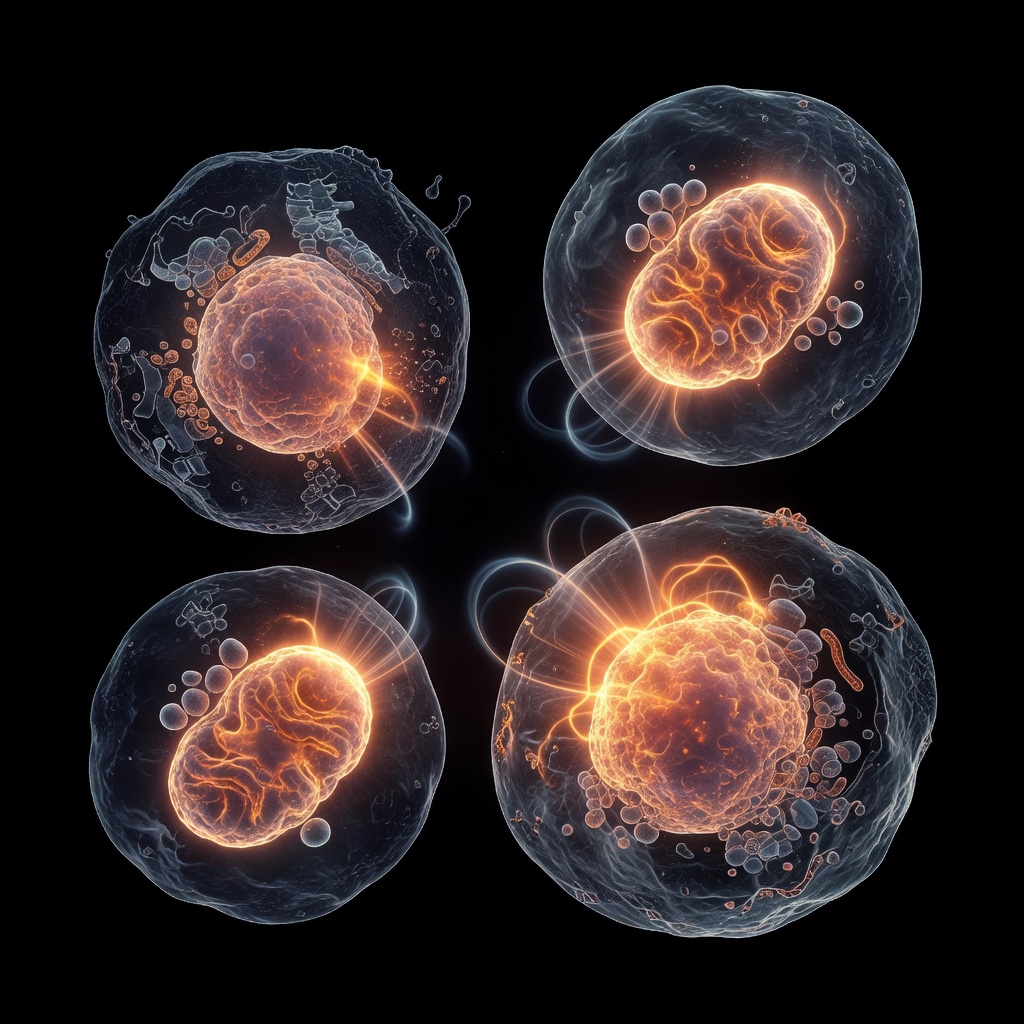
The relationship between metabolic health and prostate integrity is one of the most overlooked aspects of modern urology. While clinical focus remains on the Prostate-Specific Antigen (PSA) as a diagnostic tool, the underlying metabolic drivers of prostate growth often go unaddressed. Central to this is the Insulin-Like Growth Factor-1 (IGF-1) pathway. IGF-1 is a potent mitogen, meaning it stimulates cell division and inhibits apoptosis (programmed cell death). In a healthy state, IGF-1 is essential for growth, but in the context of hyperinsulinemia—common in the UK due to high-carbohydrate diets and sedentary lifestyles—IGF-1 signaling becomes pathologically elevated.
When insulin levels are chronically high, the liver reduces its production of IGF-Binding Protein 1 and 3 (IGFBP-1/3), which normally act as 'sponges' to neutralize excess IGF-1. This results in a surge of free, active IGF-1 that binds to receptors in the prostate gland, signaling cells to divide rapidly. Furthermore, high insulin levels suppress the production of Sex Hormone-Binding Globulin (SHBG). Since SHBG binds to testosterone and estrogen, its decline leads to an increase in 'free' hormones, further fueling the proliferative fire. This metabolic environment is highly conducive to both BPH and the progression of prostate adenocarcinoma.
Conventional medicine misses this because it treats the prostate as an isolated organ, rather than a sensor of the body's overall metabolic state. Research published in 'The Lancet Oncology' has shown that men with the highest levels of circulating IGF-1 have a significantly increased risk of developing aggressive prostate cancer. Lifestyle factors are the primary drivers here; the consumption of refined sugars and high-glycemic carbohydrates creates the insulin spikes that drive this axis. To mitigate this risk, one must focus on increasing insulin sensitivity. This involves intermittent fasting, which has been shown to lower systemic IGF-1 levels, and the adoption of a ketogenic or low-carbohydrate framework to keep insulin at baseline.
Exercise, specifically high-intensity interval training (HIIT), is highly effective at improving peripheral glucose disposal. Practical takeaways include monitoring HbA1c and fasting insulin levels, not just PSA; incorporating natural insulin sensitizers like Berberine or Alpha-Lipoic Acid; and reducing the consumption of dairy, which is specifically designed by nature to elevate IGF-1 levels. By regaining metabolic control, men can effectively 'starve' the signals that drive abnormal prostate growth.
This article is provided for informational and educational purposes only. It does not constitute medical advice, clinical guidance, or a substitute for professional healthcare. Information reflects cited research at time of publication. Always consult a qualified healthcare professional before acting on any health information.
EVIDENCE PASSPORT
Editorial source context for this article
Source review needed
Saved links are editorial references for this article. They may support specific claims rather than every sentence. Open and assess each source in context. This passport does not independently verify them.
Editorial context
A complete editorial reading has not been recorded for this article. Source links remain available for you to open and assess directly.
Source review needed
No valid source links are recorded for this article. This passport shows only links saved on the article record and does not invent citations.
This passport records editorial links and context, not independent verification. Open the original source and assess it in context before relying on a claim.
Medical Disclaimer
The information in this article is for educational purposes only and does not constitute medical advice, diagnosis, or treatment. Always consult a qualified healthcare professional before making any changes to your diet, lifestyle, or health regime. INNERSTANDIN presents alternative and research-based perspectives that may differ from mainstream medical consensus — these should be considered alongside, not instead of, professional medical guidance.
Read Full DisclaimerContinue the thread
Keep this question moving.
Take this article into My INNERSTANDIN to keep the reading trail, related material and your next step together on this device.
Explore this in the Body Map
See where this hits your biology. Interactive anatomy, threats, and protective protocols.
Dig deeper in the Library
Free, longform PDF volumes that go beyond headlines into mechanisms and references.