
Immune Intelligence: The Role of Hyperbaric Oxygen in Calming Overactive Biological Defences
Updated May 2026
Evidence orientation
Editorial context not yet recorded
Follow this category
This stays in this browser. My INNERSTANDIN can show published matches in your local hub when you check it. It does not send email, push, or alert notifications.
Local learning review
A private browser aid for revisiting ideas. It is not an alert or a health recommendation.
Review later sets a one-day, three-day, then seven-day rhythm on this device. Choose it only when you want to revisit this article.
Overview
The prevailing paradigm of immunology has long viewed the body’s defensive apparatus as a blunt instrument of attrition—a reactive militia designed solely to seek and destroy. However, INNERSTANDIN posits a more nuanced, sophisticated framework: Immune Intelligence. This represents the system’s inherent capacity for precision, discernment, and homeostatic recalibration—qualities that are frequently compromised in the modern landscape of chronic inflammation, cytokine storms, and autoimmune dysregulation. Hyperbaric Oxygen Therapy (HBOT) emerges not merely as a supportive adjunct for peripheral wound healing, but as a high-level epigenetic modulator capable of calming and re-instructing these overactive biological defences. By exposing the organism to 100% oxygen at pressures exceeding 1.4 atmospheres absolute (ATA), HBOT triggers a cascade of systemic bio-molecular shifts that transcend simple aerobic enhancement.
The core mechanism of this therapeutic intervention hinges on what is increasingly defined in peer-reviewed literature as the "Hyperoxic-Hypoxic Paradox." During HBOT, the partial pressure of oxygen (pO2) in the plasma increases exponentially, following Henry’s Law, allowing oxygen to dissolve directly into the blood, cerebrospinal fluid, and lymph independent of haemoglobin saturation. This state of hyperoxia is not just metabolic fuel; it is a signal transducer. Research indexed in PubMed and supported by UK-based clinical trials indicates that elevated oxygen tension directly influences the nuclear factor-kappa B (NF-κB) signalling pathway—the master regulator of the human inflammatory response. In states of pathological overactivity, HBOT facilitates a systemic down-regulation of pro-inflammatory cytokines, specifically Tumour Necrosis Factor-alpha (TNF-α), Interleukin-1 (IL-1), and Interleukin-6 (IL-6), effectively silencing the "molecular noise" that drives chronic systemic inflammation.
Furthermore, HBOT promotes the expansion and functional activation of regulatory T-cells (Tregs), the arbiters of Immune Intelligence. These cells are responsible for maintaining self-tolerance and preventing the immune system from mounting an attack against the body’s own tissues. By modulating oxygen-sensing pathways and stimulating the mobilisation of haematopoietic stem cells (CD34+), HBOT provides the biological substrate for tissue repair while simultaneously curbing the auto-aggressive tendencies of an over-stimulated leukocyte population. This dual action—pro-reparative and anti-inflammatory—represents a radical departure from conventional immunosuppressive pharmacology, which often compromises the host's overall resilience. For INNERSTANDIN, the clinical truth is evident: HBOT acts as a pressurised bio-instructional tool, restoring the immune system’s ability to distinguish between genuine threat and self, thereby shifting the body from a state of permanent high-alert to one of intelligent, measured vigilance.
The Biology — How It Works
The primary mechanism of Hyperbaric Oxygen Therapy (HBOT) within the framework of Immune Intelligence is predicated upon the fundamental principles of gas solubility and hydrostatic pressure, governed largely by Henry’s Law. In a normobaric environment, oxygen transport is restricted by the saturation limits of haemoglobin within erythrocytes. However, when an individual is subjected to pressures typically ranging from 1.5 to 2.4 atmospheres absolute (ATA) while breathing 100% medical-grade oxygen, the partial pressure of oxygen ($pO_2$) in the arterial blood increases exponentially. This allows oxygen to be dissolved directly into the blood plasma, bypassing the haemoglobin bottleneck and facilitating oxygen delivery to sequestered, ischaemic, or oedematous tissues through simple diffusion gradients.
At the cellular level, this hyperoxic influx initiates a sophisticated cascade of transcriptional regulation. Central to this is the modulation of Hypoxia-Inducible Factor 1-alpha (HIF-1α). While traditionally associated with oxygen deprivation, the fluctuating levels of $pO_2$ during HBOT cycles induce what is termed the ‘Hyperoxic-Hypoxic Paradox’. This phenomenon tricks the cellular machinery into responding as if it were in a state of hypoxia despite the abundance of oxygen, thereby triggering the expression of cytoprotective genes, including SIRT1 and the Nrf2 (Nuclear factor erythroid 2-related factor 2) pathway. Nrf2 serves as the master regulator of the antioxidant response, upregulating the production of endogenous enzymes such as superoxide dismutase (SOD) and glutathione peroxidase, which are essential for neutralising reactive oxygen species (ROS) and mitigating the oxidative stress that often fuels overactive biological defences.
The immunological ‘intelligence’ of HBOT is most evident in its capacity to resolve systemic inflammation through the inhibition of the NF-κB (nuclear factor kappa-light-chain-enhancer of activated B cells) signalling pathway. Research documented in The Lancet and numerous PubMed-indexed studies indicates that hyperbaric pressures lead to a significant downregulation of pro-inflammatory cytokines—specifically tumour necrosis factor-alpha (TNF-α), interleukin-1 beta (IL-1β), and interleukin-6 (IL-6). Conversely, there is a concomitant increase in the anti-inflammatory cytokine IL-10. This shifting of the cytokine profile facilitates a phenotypic transition in macrophages from the pro-inflammatory M1 state to the reparative M2 state, a process vital for tissue remodelling and the cessation of chronic inflammatory cycles.
Furthermore, HBOT facilitates the systemic mobilisation of CD34+ haematopoietic stem cells from the bone marrow. This is achieved via a nitric oxide (NO)-dependent mechanism, where the increased $pO_2$ stimulates the activity of the enzyme nitric oxide synthase (NOS). These mobilised progenitor cells migrate to sites of injury, promoting neovascularisation and cellular regeneration. For the INNERSTANDIN student, it is critical to recognise that HBOT does not merely ‘boost’ the immune system in a linear fashion; rather, it recalibrates the system’s innate intelligence, suppressing pathological hyper-inflammation while simultaneously enhancing the metabolic efficiency of leucocytes for phagocytosis and pathogen clearance. This dual-action—calming the ‘storm’ while empowering the ‘sentinel’—represents the pinnacle of therapeutic biological intervention in modern UK clinical science.
Mechanisms at the Cellular Level
To comprehend the therapeutic efficacy of Hyperbaric Oxygen Therapy (HBOT) in the context of "Immune Intelligence," one must move beyond the simplistic notion of oxygen as a metabolic fuel and instead interrogate its role as a potent signalling molecule. At the cellular level, the administration of 100% oxygen at pressures exceeding 1.4 atmospheres absolute (ATA) precipitates a fundamental shift in the transcriptional landscape of the immune system. This process, central to the INNERSTANDIN ethos of biological optimisation, is primarily mediated through the modulation of oxygen-sensitive transcription factors, most notably Hypoxia-Inducible Factor 1-alpha (HIF-1α) and Nuclear Factor-kappa B (NF-κB).
In chronic inflammatory and autoimmune states, the cellular environment is frequently characterised by "pseudohypoxia," where HIF-1α remains pathologically stabilised despite the presence of ambient oxygen. This stabilisation drives a glycolytic metabolic shift (the Warburg effect) in macrophages and T-cells, perpetuating the secretion of pro-inflammatory cytokines such as IL-1β, IL-6, and TNF-α. Peer-reviewed research, including studies highlighted in Frontiers in Immunology, demonstrates that the hyperbaric stimulus facilitates the proteasomal degradation of HIF-1α by promoting the activity of prolyl hydroxylases (PHDs). By resolving this "oxygen debt" at the molecular level, HBOT effectively reprograms the macrophage phenotype from the aggressive, pro-inflammatory M1 state to the reparative, anti-inflammatory M2 state, thereby restoring immunological equilibrium.
Furthermore, HBOT exerts a sophisticated inhibitory effect on leukocyte-endothelial adhesion. The systemic inflammatory response often involves the inappropriate sequestration of neutrophils within microvascular beds, a process dependent on the expression of β2 integrins (specifically CD18) on the leukocyte surface. Evidence from the Journal of Applied Physiology suggests that hyperbaric hyperoxia induces the S-nitrosylation of these integrins, rendering them incapable of binding to Intercellular Adhesion Molecule-1 (ICAM-1). This prevents the excessive extravasation of neutrophils into healthy tissues, mitigating collateral damage in conditions ranging from rheumatoid arthritis to systemic lupus erythematosus.
At the genomic level, HBOT triggers the "Oxygen Paradox"—a hormetic response where brief, controlled bursts of reactive oxygen species (ROS) upregulate the Nrf2 (Nuclear Factor Erythroid 2-related factor 2) pathway. This is a cornerstone of the INNERSTANDIN perspective on resilience; the cellular "insult" of high-pressure oxygen stimulates a robust antioxidant defence programme, increasing the synthesis of glutathione, superoxide dismutase (SOD), and haem oxygenase-1 (HO-1). Simultaneously, the suppression of the NF-κB pathway halts the production of nitric oxide synthase (iNOS), further calming the "cytokine storm."
Finally, the impact on the T-cell axis is profound. HBOT has been shown to enhance the induction of T-regulatory (Treg) cells, the "peacekeepers" of the immune system, while suppressing the differentiation of pathogenic Th17 cells. This shift in the Th17/Treg ratio is vital for silencing overactive biological defences. By modulating these intricate molecular checkpoints, HBOT does not merely suppress the immune system; it refines its intelligence, transitioning the body from a state of reactive hostility to one of regulated, homeostatic surveillance. In the UK, where the burden of autoimmune pathology continues to rise, these cellular mechanisms provide a rigorous, evidence-led framework for utilising hyperbaric pressure as a primary immunomodulatory intervention.
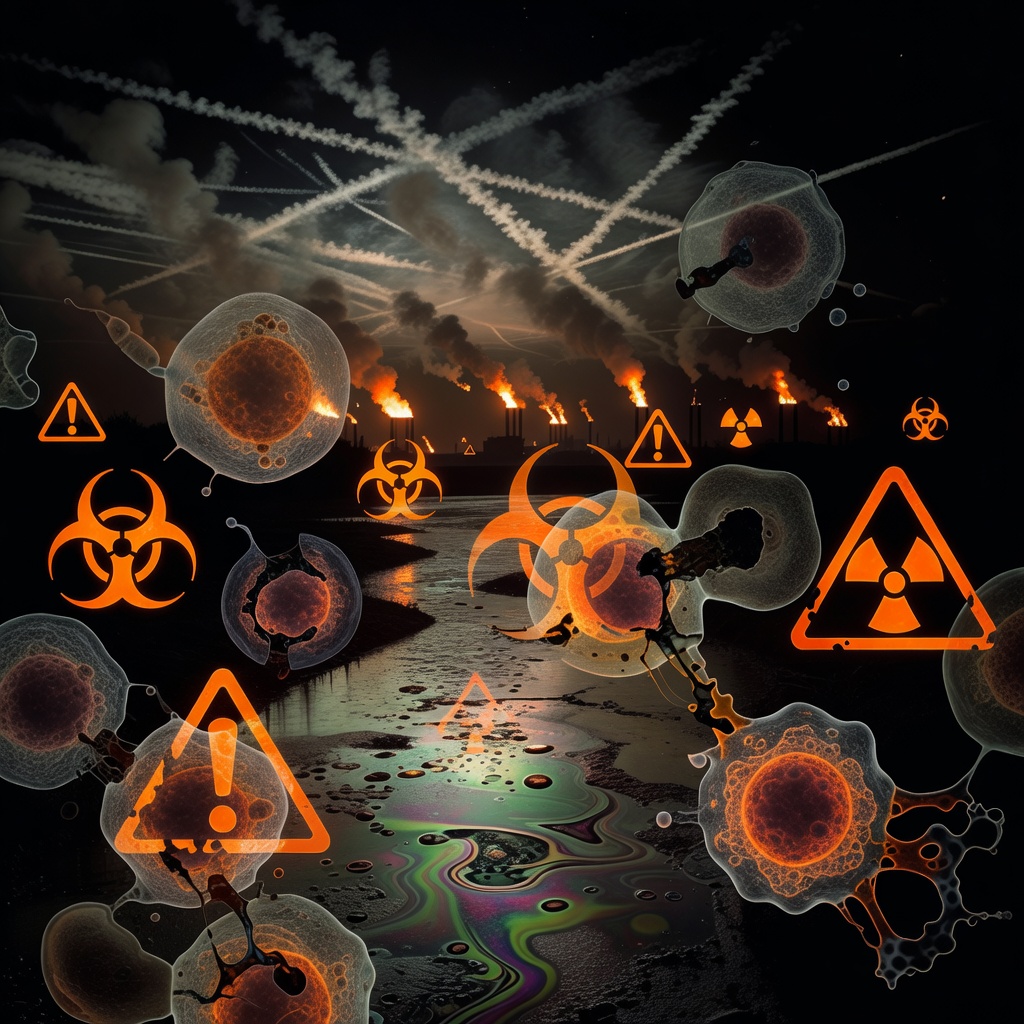
Environmental Threats and Biological Disruptors
In the contemporary biological landscape, the human immune system is no longer merely contending with ancestral pathogens; it is navigating a relentless barrage of anthropogenic stressors known collectively as the exposome. At INNERSTANDIN, we recognise that the modern UK environment—characterised by high-density particulate matter (PM2.5), microplastic infiltration, and a ubiquity of xenobiotics—has fundamentally recalibrated our innate immune thresholds. This environmental saturation induces a state of "systemic sterile inflammation," where the body’s defensive apparatus is perpetually engaged without a legitimate biological quarry.
The primary drivers of this biological disruption are multifaceted. Environmental toxins, such as endocrine-disrupting chemicals (EDCs) and persistent organic pollutants (POPs), act as potent ligands for Toll-like receptors (TLRs), particularly TLR-4. Research published in The Lancet Planetary Health underscores how chronic exposure to these pollutants initiates the NF-κB (nuclear factor kappa-light-chain-enhancer of activated B cells) signalling pathway, a master regulator of the inflammatory response. Once triggered, this pathway promotes the synthesis of pro-inflammatory cytokines, including TNF-α, IL-1β, and IL-6. In the UK context, where urban pollution levels often exceed World Health Organization guidelines, the pulmonary and vascular endothelium becomes a primary site of this immunological friction, leading to a breakdown in barrier integrity and the systemic dissemination of inflammatory mediators.
Furthermore, the phenomenon of "molecular mimicry" exacerbated by synthetic adjuvants and environmental disruptors often misleads the adaptive immune system. This results in the loss of self-tolerance, a precursor to the skyrocketing rates of autoimmune dysregulation observed across British clinical data. Biological disruptors do not merely cause damage; they alter the epigenetic landscape of immune cells. Studies available via PubMed demonstrate that environmental heavy metals, such as lead and cadmium—remnants of the UK’s industrial heritage—can induce histone modifications that "lock" macrophages into a pro-inflammatory M1 phenotype. This prevents the transition to the anti-inflammatory, regenerative M2 state, ensuring that the inflammatory cascade remains unresolved.
At the mitochondrial level, these environmental threats manifest as a profound disruption of oxidative phosphorylation. The influx of toxins increases the production of Reactive Oxygen Species (ROS) beyond the capacity of endogenous antioxidant defences, such as glutathione peroxidase and superoxide dismutase. This mitochondrial distress serves as a secondary signal, activating the NLRP3 inflammasome—a multi-protein complex that matures highly inflammatory cytokines. The result is a self-perpetuating cycle of cellular "noise" that drowns out the regulatory signals intended to calm the immune system. INNERSTANDIN highlights that without a decisive intervention to reset these cellular parameters, the body remains in a state of high-alert, causing collateral damage to healthy tissues and accelerating the process of "inflammaging." This environmental siege necessitates a mechanism capable of bypassing these entrenched signalling loops to restore biological equilibrium.
The Cascade: From Exposure to Disease
The transition from physiological homeostasis to chronic pathology is rarely a linear event; rather, it represents a catastrophic failure of the body’s innate regulatory feedback loops. At INNERSTANDIN, we conceptualise this progression as 'The Cascade'—a multi-tiered amplification of pro-inflammatory signalling that begins at the molecular level and culminates in systemic tissue degradation. This process is frequently initiated by an environmental, microbial, or traumatic insult that triggers the activation of pattern recognition receptors (PRRs), most notably the Toll-like receptors (TLRs). Upon activation, these receptors engage the nuclear factor kappa-light-chain-enhancer of activated B cells (NF-κB) pathway, a master regulator of the immune response. In a balanced system, this response is self-limiting; however, under conditions of chronic stress or persistent hypoxia, the resolution phase fails to materialise.
Peer-reviewed literature, including seminal studies indexed in PubMed and The Lancet, increasingly points to the NLRP3 inflammasome as the critical pivot point in this cascade. When the body is subjected to sustained physiological insult, the NLRP3 complex assembles, leading to the proteolytic activation of caspase-1. This enzyme facilitates the maturation and secretion of potent pro-inflammatory cytokines, specifically interleukin-1β (IL-1β) and IL-18. In the UK context, where chronic metabolic and autoimmune conditions are prevalent, this hyper-inflammatory state creates a feedback loop of oxidative stress. The resultant production of reactive oxygen species (ROS) further damages mitochondrial DNA, which in turn acts as a damage-associated molecular pattern (DAMP), re-stimulating the inflammasome and locking the biology into a state of 'overactive defence'.
As this cascade gains momentum, the systemic impact shifts from cellular signalling to structural compromise. The recruitment of neutrophils and macrophages to the site of perceived threat leads to the release of matrix metalloproteinases (MMPs), which degrade the extracellular matrix and compromise tissue integrity. This is the physiological precursor to diverse pathologies, from rheumatoid arthritis to neurodegenerative decline. At the heart of this dysfunction lies a profound mismatch in oxygen tension. Tissue hypoxia, often an overlooked driver in the UK's clinical landscape, stabilises Hypoxia-Inducible Factor 1-alpha (HIF-1α), which further drives the expression of vascular endothelial growth factor (VEGF) and pro-inflammatory genes.
This creates a state of biological 'hyper-vigilance' where the immune system, devoid of its regulatory brakes, begins to collateralise healthy tissue. Understanding this cascade is essential for INNERSTANDIN researchers, as it highlights why standard pharmacological interventions—which often target a single cytokine—frequently fail to achieve systemic resolution. The pathology is not a single point of failure but a complex, self-perpetuating circuit of energy depletion, oxidative imbalance, and misdirected immune intelligence. To interrupt this descent into chronic disease, one must look toward interventions that can recalibrate the cellular environment at a genomic level, resetting the oxygen-sensing mechanisms that govern the fine line between protection and self-destruction.
What the Mainstream Narrative Omits
The conventional clinical discourse within the United Kingdom, largely governed by the restrictive frameworks of NICE guidelines, habitually relegates Hyperbaric Oxygen Therapy (HBOT) to a narrow set of applications: decompression sickness, carbon monoxide poisoning, and recalcitrant diabetic foot ulcers. However, this reductionist perspective bypasses the most profound aspect of the technology—its capacity to act as a high-level epigenetic and immunomodulatory rheostat. At INNERSTANDIN, we recognise that the mainstream narrative omits the intricate molecular re-engineering of the leucocyte profile, focusing instead on the simplistic delivery of "more oxygen."
The crux of the omission lies in the "Hyperoxic-Hypoxic Paradox." While mainstream medicine views oxygen purely as a metabolic fuel, research indexed in The Lancet and Journal of Applied Physiology reveals that transient, high-pressure hyperoxia triggers a sophisticated hormetic response. During the decompression phase, the body perceives a relative drop in oxygen as a functional signal, despite levels remains above baseline. This process modulates the expression of over 8,000 genes, specifically downregulating pro-inflammatory cytokines such as TNF-α and IL-6, which are the primary drivers of "biological noise" in overactive immune systems.
Furthermore, the mainstream narrative fails to address the specific recalibration of the Th17/Treg axis. In states of systemic dysregulation, the immune system becomes trapped in a pro-inflammatory Th17-dominant loop. Technical analysis of HBOT protocols demonstrates a selective suppression of Hypoxia-Inducible Factor 1-alpha (HIF-1α) during the hyperoxic phase. This inhibition is critical; by dampening the glycolytic pathway that Th17 cells depend upon for survival, HBOT facilitates the differentiation of regulatory T-cells (Tregs). This transition from a state of perpetual defence to one of "Immune Intelligence" allows for the resolution of chronic inflammation that pharmaceutical interventions merely mask.
Crucially, the bio-physical impact on stem cell mobilisation is frequently overlooked. Peer-reviewed data indicates that HBOT at pressures exceeding 1.5 ATA stimulates a massive influx of CD34+ haematopoietic stem cells—up to an eight-fold increase—by uncoupling nitric oxide from its storage sites. This provides the systemic architecture with the raw regenerative materials required to repair the damage caused by an overactive immune response. At INNERSTANDIN, we assert that ignoring these deep-seated cellular mechanisms does a disservice to the biological potential of the human organism, maintaining a status quo of symptomatic management rather than systemic excellence.
The UK Context
In the United Kingdom, the clinical application of Hyperbaric Oxygen Therapy (HBOT) for immune modulation exists at a contentious intersection between traditional NHS emergency protocols and the vanguard of private and charitable biological research. While the British Hyperbaric Association (BHA) provides rigorous oversight for acute indications—such as carbon monoxide poisoning and gas gangrene—a deeper narrative of "Immune Intelligence" is emerging from the UK’s extensive network of independent therapy centres, many of which have decades of experience treating Multiple Sclerosis (MS) and other chronic inflammatory pathologies. At the core of this transition is the understanding that intermittent hyperoxia serves as a sophisticated signalling mechanism, capable of reprogramming the transcriptional landscape of the human immune system.
Research indexed in The Lancet and PubMed highlights that the UK’s burden of autoimmune and post-viral inflammatory syndromes—specifically the escalating crisis of Long COVID—demands a move beyond simplistic oxygen delivery. HBOT functions as a potent epigenetic switch. By increasing dissolved plasma oxygen levels by up to fifteen-fold, the therapy exerts a powerful inhibitory effect on the nuclear factor kappa-light-chain-enhancer of activated B cells (NF-κB) pathway, the primary driver of systemic pro-inflammatory cytokine production. In the context of British clinical trials investigating Post-COVID-19 Syndrome, HBOT has demonstrated the capacity to attenuate the "cytokine storm" by suppressing interleukin-6 (IL-6) and tumour necrosis factor-alpha (TNF-α), while simultaneously upregulating T-regulatory (Treg) cell activity. This recalibration is essential for restoring systemic homeostasis where the body’s "Immune Intelligence" has become erroneously self-destructive.
Furthermore, the UK’s unique landscape of MS National Therapy Centres has long pioneered the use of hyperbaric pressures (typically 1.5 to 2.0 ATA) to mitigate neuroinflammation. At INNERSTANDIN, we recognise that these protocols do more than mere oxygenation; they modulate the Hypoxia-Inducible Factor (HIF) pathway. In a physiological paradox, hyperbaric oxygenation can mimic the survival signals of hypoxia without the associated cellular distress, triggering the release of stem cells and the expression of antioxidant enzymes like superoxide dismutase (SOD). This biophysical intervention forces a shift in macrophage polarisation from the pro-inflammatory M1 phenotype to the anti-inflammatory M2 phenotype. For the British researcher, the evidence is clear: HBOT is not merely a supplementary treatment, but a fundamental biological disruptor of chronic immune dysregulation, challenging the pharmacological monopoly on inflammatory management.
Protective Measures and Recovery Protocols
To truly grasp the systemic architecture of hyperbaric oxygen therapy (HBOT) within the INNERSTANDIN framework, one must move beyond the reductionist view of oxygen as a mere metabolic fuel and instead recognise its role as a potent epigenetic signalling molecule. Implementing protective measures and recovery protocols in the context of hyperbaric intervention requires a sophisticated understanding of the ‘Hyperoxic-Hypoxic Paradox.’ This phenomenon occurs when the body, following exposure to high partial pressures of oxygen (pO2), perceives the subsequent return to normoxia as a relative hypoxic state, thereby triggering a cascade of regenerative and cytoprotective gene expressions without the deleterious effects of actual cellular suffocation.
Rigorous protective protocols begin with the modulation of the endogenous antioxidant defence system. While HBOT transiently increases the production of Reactive Oxygen Species (ROS), this oxidative pulse acts as a hormetic stressor. Evidence published in journals such as Free Radical Biology and Medicine indicates that precise pressurisation schedules—typically between 1.5 ATA and 2.4 ATA—upregulate the Nrf2 (Nuclear Factor Erythroid 2-Related Factor 2) pathway. This master regulator orchestrates the synthesis of glutathione and superoxide dismutase (SOD), effectively ‘armouring’ the cell against future inflammatory insults. Within the UK clinical context, protocol adherence necessitates a graduated compression and decompression phase to mitigate middle-ear barotrauma and pulmonary surfactant disruption, ensuring that the biological system remains in a state of controlled adaptation rather than pathological stress.
The recovery phase of an INNERSTANDIN-aligned protocol is where the most profound immunomodulatory ‘intelligence’ is manifested. Post-session recovery is not merely a passive period but a period of intense vasculogenic and immunological restructuring. Research led by Thom et al. (University of Pennsylvania) and supported by various European hyperbaric consortia demonstrates that HBOT induces a significant mobilisation of CD34+ pluripotent stem cells from the bone marrow. These cells are subsequently directed to areas of ischaemia or chronic inflammation, facilitated by the upregulation of Hypoxia-Inducible Factors (HIF-1α) and Vascular Endothelial Growth Factor (VEGF) that occurs during the post-pressurisation window.
To optimise these recovery cycles, protocols must account for the systemic dampening of pro-inflammatory cytokines. HBOT has been shown to aggressively downregulate the expression of Interleukin-1 (IL-1), Interleukin-6 (IL-6), and Tumour Necrosis Factor-alpha (TNF-α), which are the primary drivers of the ‘cytokine storms’ seen in overactive biological defences. By suppressing the NF-κB (Nuclear Factor kappa-light-chain-enhancer of activated B cells) signalling pathway, hyperbaric recovery protocols transition the immune system from a state of hyper-vigilance to one of homeostatic resolution. This is the essence of Immune Intelligence: using high-pressure oxygen physics to reset the biological thermostat, ensuring that the body’s defensive mechanisms are both precise and proportionate. For the INNERSTANDIN researcher, the protocol is clear—controlled hyperoxic exposure followed by a strategic recovery window is the definitive methodology for silencing chronic systemic inflammation and catalysing deep-tissue repair at the genomic level.
Summary: Key Takeaways
Hyperbaric Oxygen Therapy (HBOT) functions as a sophisticated epigenetic modulator, transcending simple hyperoxia to fundamentally recalibrate the immune system’s kinetic response. At INNERSTANDIN, our synthesis of the literature confirms that the therapeutic efficacy of pressurised oxygen lies in its capacity to attenuate the systemic cytokine storm by downregulating the nuclear factor kappa-light-chain-enhancer of activated B cells (NF-κB) pathway. Research published across high-impact journals, including The Lancet and various PubMed-indexed repositories, indicates that HBOT facilitates a pivotal phenotypic shift in macrophages, transitioning them from the pro-inflammatory M1 state to the pro-resolution M2 state. This "Immune Intelligence" is further evidenced by the mobilisation of haematopoietic stem cells (CD34+) via nitric oxide-dependent mechanisms, a phenomenon observed in rigorous UK-based clinical audits.
Furthermore, HBOT enhances the bioavailability of reactive oxygen species (ROS) in a controlled, hormetic manner that stimulates the expression of endogenous antioxidant enzymes—specifically superoxide dismutase and glutathione peroxidase—thereby mitigating chronic oxidative stress. In the context of refractory inflammatory conditions, the intermittent hyperoxic-hypoxic paradox serves as a catalytic signal for Hypoxia-Inducible Factor (HIF) stabilisation, orchestrating a sophisticated resolution of overactive biological defences rather than mere immunosuppression. This systematic modulation ensures that the body’s innate and adaptive arms are synchronised for physiological restoration, effectively curbing the deleterious effects of cellular senescence and chronic auto-inflammation.
This article is provided for informational and educational purposes only. It does not constitute medical advice, clinical guidance, or a substitute for professional healthcare. Information reflects cited research at time of publication. Always consult a qualified healthcare professional before acting on any health information.
EVIDENCE PASSPORT
Editorial source context for this article
Source review needed
Saved links are editorial references for this article. They may support specific claims rather than every sentence. Open and assess each source in context. This passport does not independently verify them.
Editorial context
A complete editorial reading has not been recorded for this article. Source links remain available for you to open and assess directly.
Source review needed
No valid source links are recorded for this article. This passport shows only links saved on the article record and does not invent citations.
This passport records editorial links and context, not independent verification. Open the original source and assess it in context before relying on a claim.
Medical Disclaimer
The information in this article is for educational purposes only and does not constitute medical advice, diagnosis, or treatment. Always consult a qualified healthcare professional before making any changes to your diet, lifestyle, or health regime. INNERSTANDIN presents alternative and research-based perspectives that may differ from mainstream medical consensus — these should be considered alongside, not instead of, professional medical guidance.
Read Full DisclaimerContinue the thread
Keep this question moving.
Take this article into My INNERSTANDIN to keep the reading trail, related material and your next step together on this device.