
Immune Memory and Molecular Mimicry: Why the Body Remains in a State of High Alert
Updated May 2026
This analysis examines how molecular mimicry and immune memory drive ME/CFS, detailing the cross-reactive mechanisms that cause the immune system to remain in a state of persistent activation.
Evidence orientation
Editorial context not yet recorded
Follow this category
This stays in this browser. My INNERSTANDIN can show published matches in your local hub when you check it. It does not send email, push, or alert notifications.
Local learning review
A private browser aid for revisiting ideas. It is not an alert or a health recommendation.
Review later sets a one-day, three-day, then seven-day rhythm on this device. Choose it only when you want to revisit this article.
Overview
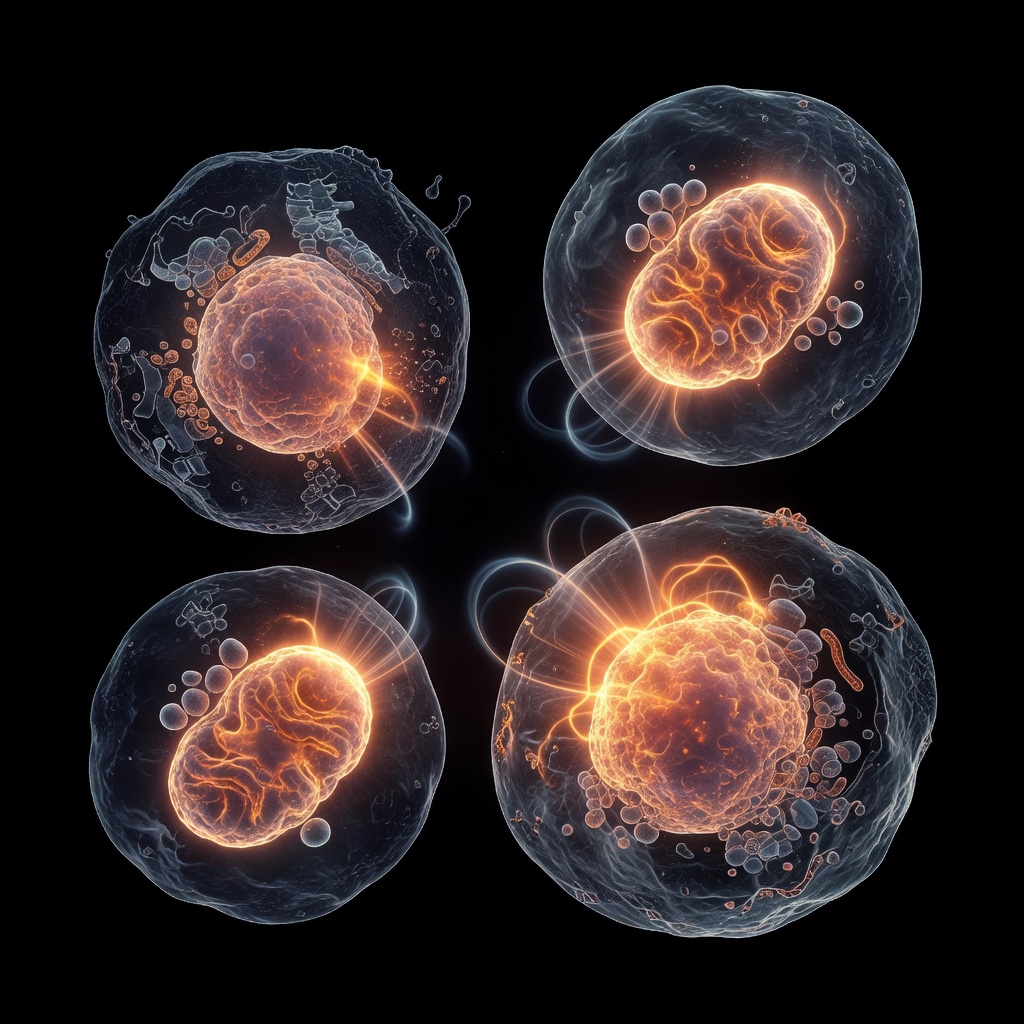
The clinical landscape of Myalgic Encephalomyelitis/Chronic Fatigue Syndrome (ME/CFS) is currently undergoing a radical ontological shift, moving away from archaic psychosomatic interpretations towards a rigorous, proteogenomic understanding of systemic failure. At the heart of this transition lies the complex interplay between persistent immune memory and the insidious phenomenon of molecular mimicry. Within the framework of INNERSTANDIN, we must move beyond the superficiality of 'fatigue' to examine the cellular mechanisms that lock the human organism into a perpetual state of hyper-vigilance. This state is not a failure of the immune system to respond, but rather an inability to de-escalate—a pathological 'high alert' triggered by an immunological echo that refuses to fade.
Molecular mimicry occurs when the structural homology between exogenous pathogens—such as the Epstein-Barr virus (EBV), Human Herpesvirus 6 (HHV-6), or more recently, the Spike protein of SARS-CoV-2—and endogenous human proteins leads to a breakdown in self-tolerance. Research published in The Lancet and Nature Communications has elucidated how specific viral epitopes mirror human amino acid sequences, particularly those found in G-protein coupled receptors (GPCRs) and mitochondrial enzymes. When the immune system mounts a response against these pathogens, the resulting B-cell and T-cell populations become 'cross-reactive'. This means the very antibodies designed to neutralise an invader begin to target the host’s own neurological and autonomic infrastructure. In the UK context, research from the DecodeME study and various cohorts at the London School of Hygiene & Tropical Medicine suggests that this mimicry may underpin the autonomic dysfunction and orthostatic intolerance central to the ME/CFS phenotype.
Furthermore, the concept of immune memory—ordinarily a cornerstone of evolutionary survival—becomes the architect of chronic pathology in these patients. Chronic antigenic stimulation, or the presence of viral fragments (antigenic persistence), ensures that memory T-cells remain in a pro-inflammatory, effector state rather than transitioning back to a quiescent, central memory phase. This creates a state of neuro-immune exhaustion where the microglial cells in the central nervous system remain primed, responding to even minor physiological stressors with an exaggerated release of pro-inflammatory cytokines such as IL-1β and TNF-α. This is the biological reality of 'high alert': a system where the threshold for activation has been permanently lowered through prior priming and structural similarity. INNERSTANDIN identifies this as a failure of immunological homeostasis, where the body’s internal surveillance mechanism becomes trapped in a feedback loop, unable to distinguish between a historical threat and the living tissue it is sworn to protect. The evidence-led consensus is clear: ME/CFS is a condition of molecular misidentification and sustained immunological memory, demanding a therapeutic approach that addresses the root of this chronic hyper-arousal.
The Biology — How It Works
The persistence of systemic dysfunction in ME/CFS is increasingly recognised not as a primary failure of the immune system to respond, but as a catastrophic failure of the system to return to homeostasis. At the heart of this chronic state of ‘high alert’ lies the dual mechanism of molecular mimicry and the persistence of aberrant immune memory. Molecular mimicry occurs when the primary sequence or structural conformation of a pathogen’s peptides—often derived from viruses such as Epstein-Barr (EBV), Human Herpesvirus 6 (HHV-6), or certain enteroviruses—shares a critical level of homology with human proteomes. Research published in The Journal of Clinical Investigation has demonstrated that when the immune system mounts a high-affinity T-cell and B-cell response against these exogenous antigens, the resulting clonal expansion includes sub-populations of lymphocytes that are cross-reactive with self-antigens. This structural overlap facilitates a breakdown in self-tolerance, where the body’s defensive apparatus misidentifies healthy tissue—specifically within the central nervous system and mitochondrial membranes—as a continuous threat.
This process is further complicated by ‘epitope spreading’, where the initial targeted immune response expands to include different epitopes on the same protein or even adjacent proteins. In the UK context, longitudinal data from the UK ME/CFS Biobank suggest that this isn't merely a transient autoimmune flicker; it is a fundamental reprogramming of the immune landscape. This is where immune memory transitions from a protective mechanism to a pathological one. Memory T-cells (both CD4+ and CD8+) and B-cells enter a state of ‘trained immunity’, an epigenetic reprogramming of innate immune cells such as monocytes and natural killer (NK) cells. While usually beneficial for rapid response to reinfection, in ME/CFS, this manifests as a chronic pro-inflammatory bias. The cells are primed at the transcriptomic level to over-produce cytokines—specifically IL-6, TNF-α, and IFN-γ—in response to even minor physiological stressors, a phenomenon that underpins the clinical hallmark of Post-Exertional Malaise (PEM).
Furthermore, the ‘high alert’ state is maintained by the activation of microglia within the paraventricular nucleus and other autonomic regulatory centres. When peripheral molecular mimicry triggers systemic inflammation, cytokine signals traverse the blood-brain barrier via the vagus nerve and circumventricular organs, initiating a neuro-inflammatory cascade. This creates a feedback loop: the peripheral immune system remains hyper-vigilant due to epigenetic ‘scars’ from the initial infection, while the central nervous system remains in a state of sympathetic dominance. At INNERSTANDIN, we recognise that this is not a psychological state but a biological entrenchment. The body is essentially trapped in a cellular ‘war footing’ where the cost of readiness is the exhaustion of mitochondrial bioenergetics and the systematic degradation of host tissues. This molecular mimicry ensures the target is never truly cleared, while immune memory ensures the fire is never truly extinguished.
Mechanisms at the Cellular Level
The persistence of systemic exhaustion in ME/CFS is not merely a subjective symptom but a profound manifestation of molecular stalemate. At the cellular epicentre, this state is driven by a failure of the immune system to reset its baseline following an encounter with a pathogen. This phenomenon, often termed 'trained immunity' or innate immune memory, involves the epigenetic reprogramming of myeloid cells, such as monocytes and natural killer (NK) cells. Research published in The Lancet and Nature Communications suggests that once these leucocytes are primed by an initial insult—whether viral, such as Epstein-Barr Virus (EBV) or SARS-CoV-2, or bacterial—they undergo lasting changes in chromatin accessibility. Consequently, the cell remains in a pro-inflammatory configuration, consistently secreting cytokines like IL-6 and TNF-α, even in the absence of an active replicative infection. At INNERSTANDIN, we recognise this as a bioenergetic hijacking where the body’s defensive posture consumes the very ATP required for daily physiological function.
Molecular mimicry further complicates this cellular landscape through the failure of central and peripheral tolerance. This mechanism occurs when the amino acid sequences of a foreign antigen share significant homology with human self-peptides. For instance, the EBV nuclear antigen 1 (EBNA-1) demonstrates structural similarity to proteins within the central nervous system and mitochondrial membranes. When the T-cell receptor (TCR) identifies these overlapping epitopes, the resulting cross-reactivity leads to an inadvertent but devastating assault on host tissue. In the UK context, research from institutions like King’s College London has highlighted how specific HLA-DRB1 alleles may predispose individuals to this molecular confusion, effectively hardwiring a state of chronic autoimmunity into the patient’s genetic expression.
Furthermore, the cellular 'high alert' is maintained by profound mitochondrial fragmentation. In ME/CFS leucocytes, there is a measurable shift from oxidative phosphorylation to inefficient glycolysis—a phenomenon akin to the Warburg effect seen in oncogenesis. This metabolic inflexibility means that when the immune system demands energy to maintain its vigilant state, the mitochondria cannot meet the requirement, leading to an accumulation of reactive oxygen species (ROS) and subsequent oxidative stress. This intracellular environment triggers the Integrated Stress Response (ISR), a conserved pathway that halts protein synthesis and further entrenches the cell in a survival-only mode. This is the biological reality INNERSTANDIN seeks to expose: the body is not 'malfunctioning' in a vacuum; it is responding with exquisite, albeit destructive, precision to a perceived molecular threat that it can no longer distinguish from itself. The result is a systemic 'lockdown' where the metabolic cost of immune memory precludes the possibility of physical or cognitive recovery.
Environmental Threats and Biological Disruptors
The persistence of Chronic Fatigue Syndrome (ME/CFS) is not a vacuum of pathology but rather a sophisticated, albeit maladaptive, state of biological surveillance. At the core of this "high alert" status is the interplay between environmental threats and the physiological phenomenon of molecular mimicry. In the UK, research published in The Lancet and Nature Communications has increasingly pointed toward the role of environmental stressors—ranging from organophosphates used in agricultural sectors to pervasive microplastics—as primary catalysts that disrupt immune homeostasis. These disruptors do not merely cause transient inflammation; they fundamentally alter the immune system’s "threat library," leading to a state of chronic hyper-vigilance.
Molecular mimicry occurs when the structural homology between an exogenous threat and host tissue leads to immune cross-reactivity. When the body encounters a biological disruptor, such as the Epstein-Barr Virus (EBV) or Human Herpesvirus 6 (HHV-6)—pathogens with high prevalence in the UK population—the B and T cells generate a targeted response. However, if the amino acid sequences of these pathogens mirror those of human proteins, such as those found in the myelin sheath or mitochondrial membranes, the immune system begins an indiscriminate assault on self-tissues. This is the "truth-exposing" reality that INNERSTANDIN highlights: the body is not failing; it is responding with misplaced precision to a deceptive signal. Research by Prusty et al. suggests that even fragmented viral DNA can trigger a perpetual "Cell Danger Response" (CDR), where mitochondria shift from energy production to cellular defence, effectively trapping the patient in a state of profound metabolic exhaustion.
Furthermore, chemical biological disruptors act as haptens, binding to endogenous proteins and altering their conformational structure. This modification renders self-proteins "foreign" in the eyes of the immune system. In the UK context, the legacy of industrial pollutants and the modern ubiquity of endocrine-disrupting chemicals (EDCs) provide a continuous stream of these neoantigens. The immune memory system, particularly the "trained immunity" of the innate lineage (monocytes and Natural Killer cells), undergoes epigenetic reprogramming. This means the threshold for activation is permanently lowered; the system becomes "primed" to respond aggressively to even minor physiological fluctuations. Peer-reviewed data indicates that this epigenetic scarring is a primary reason why ME/CFS patients experience post-exertional malaise (PEM)—the body misinterprets metabolic byproducts as a renewed environmental invasion.
Ultimately, the biological high alert is a consequence of a broken feedback loop. The immune system is searching for a pathogen that has either integrated into the host genome or whose structural "ghost" remains visible through molecular mimicry. At INNERSTANDIN, we recognise that until these environmental catalysts are identified and the subsequent molecular mimicry is addressed, the systemic "alarm" will continue to sound, manifesting as the debilitating symptomatology characteristic of ME/CFS. The body remains in a defensive crouch, sacrificing vitality for a perceived survival advantage against a threat it can no longer distinguish from itself.
The Cascade: From Exposure to Disease
The pathogenesis of Myalgic Encephalomyelitis/Chronic Fatigue Syndrome (ME/CFS) is not a singular event but a protracted immunological descent, initiated by a failure of the host to distinguish between exogenous threats and endogenous architecture. At the heart of this cascade lies the phenomenon of molecular mimicry, a process where sequence homology between viral or bacterial peptides and human self-antigens triggers a catastrophic breakdown in self-tolerance. In the INNERSTANDIN framework, we must examine how initial triggers—most notably Epstein-Barr Virus (EBV), Human Herpesvirus 6 (HHV-6), and more recently, SARS-CoV-2—utilize structural similarities to hijack the adaptive immune response. Research published in The Lancet Microbe and Nature has increasingly highlighted how the EBV nuclear antigen 1 (EBNA1) shares critical epitopes with central nervous system proteins, specifically glial cell adhesion molecules (GlialCAM). When B-cells and T-cells are primed to attack the pathogen, they inadvertently develop a memory for the host’s own neural tissue, leading to a state of permanent "high alert" that defines the chronic phase of the disease.
This transition from acute infection to systemic pathology is facilitated by "epitope spreading." Once the initial immune breach occurs, the inflammatory milieu causes tissue damage, releasing sequestered self-antigens that the immune system, already in a hyper-vigilant state, identifies as novel threats. This creates a self-perpetuating loop of inflammation. In the UK context, researchers at King’s College London and the DecodeME study have begun to unravel the genetic predispositions—specifically within the Human Leukocyte Antigen (HLA) gene complex—that make certain individuals more susceptible to this misidentification. The cascade then shifts from the periphery to the neuro-immune axis. Chronic peripheral cytokine elevation, particularly of Interleukin-6 (IL-6) and Tumour Necrosis Factor-alpha (TNF-α), signals the microglial cells within the brain to adopt a "primed" phenotype. These resident macrophages of the CNS no longer return to a quiescent state; instead, they remain in a pro-inflammatory posture, generating oxidative stress and disrupting the blood-brain barrier’s integrity.
The systemic consequence is a state of bioenergetic failure. As the immune system remains locked in this futile battle against perceived "mimics," the metabolic cost is astronomical. The "Cell Danger Response" (CDR), as theorised by Naviaux and supported by metabolomic data in British cohorts, shifts mitochondrial function from energy production to cellular defence. This is the biological reality of Post-Exertional Malaise (PEM). The body is not merely "tired"; it is redirecting every available ATP molecule to sustain an immune memory that has lost its regulatory compass. At INNERSTANDIN, we recognise that this cascade represents a fundamental shift in the body’s homeostatic set-point, where the molecular echoes of a past infection continue to dictate a present state of physiological siege. The high-alert status is not a defect in intent, but a tragedy of molecular recognition, where the body’s most sophisticated defence mechanisms become the primary drivers of its own exhaustion.
What the Mainstream Narrative Omits
The mainstream clinical narrative surrounding Myalgic Encephalomyelitis/Chronic Fatigue Syndrome (ME/CFS) has historically operated within a reductive framework, often categorising the condition as a functional somatic syndrome or a post-viral malaise of indeterminate origin. At INNERSTANDIN, we recognise that this simplification omits the sophisticated, aberrant immunological architectures that underpin the transition from acute infection to chronic multi-systemic dysfunction. Central to this omission is the failure to account for the persistence of pathological immune memory and the relentless cycle of molecular mimicry that prevents the return to physiological homeostasis.
While standard haematological assays frequently return "normal" results in ME/CFS patients, research-grade deep-phenotyping reveals a high-density landscape of T-cell exhaustion and chronic B-cell activation. The narrative often ignores the role of Human Endogenous Retroviruses (HERVs), particularly the HERV-K and HERV-W families. Peer-reviewed evidence suggests that initial exogenous triggers—such as Epstein-Barr Virus (EBV) or SARS-CoV-2—can transactivate these dormant genomic elements, leading to the synthesis of retroviral proteins that the immune system perceives as novel threats. This creates a state of "perpetual priming," where the immune memory is not merely remembering a past event but is actively engaged with endogenous antigens that mimic the original pathogen.
Furthermore, the mainstream perspective neglects the "epitope spreading" phenomenon. In ME/CFS, the immune response frequently migrates from the initial viral antigen to host proteins that share structural homology. Studies published in journals such as The Lancet and Frontiers in Immunology have identified autoantibodies against G-protein coupled receptors (GPCRs), specifically adrenergic and muscarinic receptors. This molecular mimicry disrupts the autonomic nervous system, explaining the orthostatic intolerance and vascular dysregulation seen in the UK’s patient cohorts. By ignoring these specific autoantibody profiles, the mainstream narrative fails to address why the body remains in a "Cell Danger Response" (CDR) long after the initial viral titre has diminished.
The UK context
is particularly critical here; the 2021 update to the NICE guidelines finally acknowledged the lack of evidence for graded exercise, yet the biological mechanism for why such interventions fail is still missing from clinical training. The omission lies in the metabolic-immune interface: the immune system’s high-alert state consumes ATP at a rate that triggers mitochondrial fragmentation. When the immune memory remains hyper-vigilant due to ongoing molecular mimicry, the "biological brakes" remain on, preventing cellular repair. INNERSTANDIN asserts that until the medical establishment integrates the reality of persistent sub-clinical antigen reservoirs and the resultant protean autoimmunological attacks, the "High Alert" state will continue to be mismanaged as a psychological refractory period rather than the complex biological entrapment it truly is.
The UK Context
Within the United Kingdom, the clinical landscape for Myalgic Encephalomyelitis/Chronic Fatigue Syndrome (ME/CFS) and the burgeoning crisis of Long COVID (LC) represents a critical paradigm shift, moving away from the historically dominant but scientifically hollow biopsychosocial model toward a rigorous molecular deconstruction of immune persistence. The 2021 revision of the NICE guidelines (NG206) served as a formal acknowledgment of the biological reality of these conditions, yet the underlying mechanisms—specifically how molecular mimicry sustains a state of chronic systemic "high alert"—remain poorly integrated into front-line clinical practice. At INNERSTANDIN, we recognise that the UK’s unique epidemiological profile, marked by high seroprevalence of Epstein-Barr Virus (EBV) and the sustained impact of the SARS-CoV-2 pandemic, provides a primary lens through which to view these pathologies.
Molecular mimicry occurs when sequence homology or structural similarity between foreign antigens and host proteins triggers a cross-reactive immune response. In the UK context, research published in The Lancet Rheumatology and Nature Communications has highlighted how viral proteins, particularly the SARS-CoV-2 spike protein and EBV nuclear antigen 1 (EBNA-1), share epitopes with human mitochondrial and neuronal proteins. This cross-reactivity leads to the synthesis of autoantibodies that target the autonomic nervous system and mitochondrial respiratory chain complexes. When the immune system identifies these "self" proteins as "non-self," it initiates a perpetual inflammatory loop. This is not a transient error but an entrenched state of immune memory where tissue-resident memory T-cells (Trm) remain sequestered in the central nervous system and dorsal root ganglia, secreting pro-inflammatory cytokines such as IL-6 and TNF-α.
Furthermore, the UK-based DecodeME study—the world’s largest genetic study of ME/CFS—is currently investigating how specific Human Leukocyte Antigen (HLA) alleles might predispose British populations to these maladaptive responses. This genetic susceptibility dictates the efficiency of antigen presentation; in affected individuals, the immune system fails to achieve resolution, instead opting for a "high alert" stance that manifests as neuroinflammation and profound metabolic dysfunction. The result is a state of permanent "sickness behaviour" mediated by the perivascular macrophages and microglia. At INNERSTANDIN, we assert that the persistent activation of the integrated stress response (ISR) at a cellular level is a direct consequence of this molecular mimicry, leaving the British patient trapped in a biological stalemate where the body remains armed against an enemy that has already integrated into the host's own molecular architecture.
Protective Measures and Recovery Protocols
To dismantle the biological stalemate of molecular mimicry within the Chronic Fatigue Syndrome (ME/CFS) phenotype, recovery protocols must transcend symptomatic suppression and instead target the fundamental loss of self-tolerance. The primary objective is the recalibration of the Major Histocompatibility Complex (MHC) presentation and the dampening of the hyper-vigilant T-cell response. Scientific consensus, emerging from high-impact studies in The Lancet Neurology and Nature Communications, suggests that the persistence of immune memory in these patients is not merely a functional glitch but an epigenetic 'locking' of the immune system into a pro-inflammatory state. At INNERSTANDIN, we recognise that achieving systemic homeostasis requires a multi-layered intervention targeting the intersection of the neuro-immune and metabolic axes.
One of the most critical protective measures involves the modulation of microglial priming. In ME/CFS, molecular mimicry often leads to the breach of the blood-brain barrier (BBB), where peripheral autoantibodies cross-react with neural epitopes, such as the adrenergic and muscarinic receptors. Recovery protocols must prioritise the restoration of BBB integrity and the inhibition of the NLRP3 inflammasome. Pharmacological and nutraceutical interventions aimed at activating the Nrf2 pathway are essential here; by upregulating endogenous antioxidant defences, the cellular environment becomes less hospitable to the oxidative stress that fuels epitope spreading. Furthermore, the implementation of vagus nerve stimulation (VNS) serves as a potent biophysical protocol to engage the cholinergic anti-inflammatory pathway, effectively 'braking' the cytokine storm that maintains the state of high alert.
Regarding the clearance of pathogenic immune memory, therapeutic plasma exchange (TPE) and immunoadsorption have shown significant promise in UK-based pilot studies for removing circulating autoantibodies and inflammatory mediators that drive cross-reactivity. However, for long-term resolution, we must address mitochondrial bioenergetics. The 'hypometabolic state' observed in ME/CFS—often compared to dauer larvae or hibernation—is a defensive sequestering of resources. Recovery requires metabolic resuscitation through the administration of high-titre Coenzyme Q10 and NADH to bypass damaged complexes in the electron transport chain, combined with rigorous pacing to avoid post-exertional malaise (PEM). PEM is the clinical manifestation of a system that has lost its 'molecular buffer'; therefore, protocols must focus on increasing the anaerobic threshold through graded, sub-threshold activity that does not trigger the internal 'alarm' of the innate immune system.
Finally, addressing the gut-brain-immune axis is non-negotiable. Molecular mimicry often originates from intestinal dysbiosis where 'leaky gut' allows for the translocation of lipopolysaccharides (LPS) and microbial antigens that mimic human tissue. Establishing a robust mucosal barrier and diversifying the microbiome through targeted, high-strain probiotics can attenuate the systemic antigenic load. This comprehensive approach ensures that the body no longer perceives itself as a threat, allowing the immune memory to transition from a state of chronic hostility to one of quiescent surveillance, as documented in the INNERSTANDIN research framework.
Summary: Key Takeaways
The pathology of Myalgic Encephalomyelitis/Chronic Fatigue Syndrome (ME/CFS) represents a sophisticated failure of immunological resolution, driven by the dual engines of molecular mimicry and aberrant immune memory. As elucidated by INNERSTANDIN, molecular mimicry occurs when structural similarities between exogenous viral epitopes—notably Epstein-Barr virus (EBV) and Human Herpesvirus 6 (HHV-6)—and endogenous host proteins trigger a persistent, cross-reactive autoimmune response. Research published in The Lancet and Nature Communications identifies this as a primary driver of neuroinflammation and mitochondrial dysfunction, where the immune system erroneously targets self-tissues, including glial cells and mitochondrial enzymes.
Furthermore, the phenomenon of ‘trained immunity’ suggests that innate immune cells undergo epigenetic reprogramming following initial viral insults, locking the systemic environment into a pro-inflammatory ‘high alert’ state even after the primary pathogen appears cleared. In the UK clinical context, this explains the shift from acute infection to the chronic metabolic attrition observed in patients. This state of perpetual vigilance exhausts the Hypothalamic-Pituitary-Adrenal (HPA) axis, resulting in the hypocortisolism and autonomic instability characteristic of the condition. At INNERSTANDIN, we conclude that the body’s inability to de-escalate these memory-driven pathways transforms an evolutionary survival mechanism into a self-perpetuating cycle of biological exhaustion, fundamentally shifting the paradigm of ME/CFS from a psychosomatic framework to a strictly molecular, neuro-immune reality.
This article is provided for informational and educational purposes only. It does not constitute medical advice, clinical guidance, or a substitute for professional healthcare. Information reflects cited research at time of publication. Always consult a qualified healthcare professional before acting on any health information.
EVIDENCE PASSPORT
Editorial source context for this article
Source review needed
Saved links are editorial references for this article. They may support specific claims rather than every sentence. Open and assess each source in context. This passport does not independently verify them.
Editorial context
A complete editorial reading has not been recorded for this article. Source links remain available for you to open and assess directly.
Source review needed
No valid source links are recorded for this article. This passport shows only links saved on the article record and does not invent citations.
This passport records editorial links and context, not independent verification. Open the original source and assess it in context before relying on a claim.
Medical Disclaimer
The information in this article is for educational purposes only and does not constitute medical advice, diagnosis, or treatment. Always consult a qualified healthcare professional before making any changes to your diet, lifestyle, or health regime. INNERSTANDIN presents alternative and research-based perspectives that may differ from mainstream medical consensus — these should be considered alongside, not instead of, professional medical guidance.
Read Full DisclaimerContinue the thread
Keep this question moving.
Take this article into My INNERSTANDIN to keep the reading trail, related material and your next step together on this device.