
Inflammaging and the Brain: The Molecular Interplay of Immunosenescence and Cognitive Decline
Updated May 2026
This analysis details the molecular interplay between systemic immunosenescence and chronic neuroinflammation, identifying biochemical pathways by which inflammaging drives cognitive decline.
Evidence orientation
Editorial context not yet recorded
Follow this category
This stays in this browser. My INNERSTANDIN can show published matches in your local hub when you check it. It does not send email, push, or alert notifications.
Local learning review
A private browser aid for revisiting ideas. It is not an alert or a health recommendation.
Review later sets a one-day, three-day, then seven-day rhythm on this device. Choose it only when you want to revisit this article.
Overview
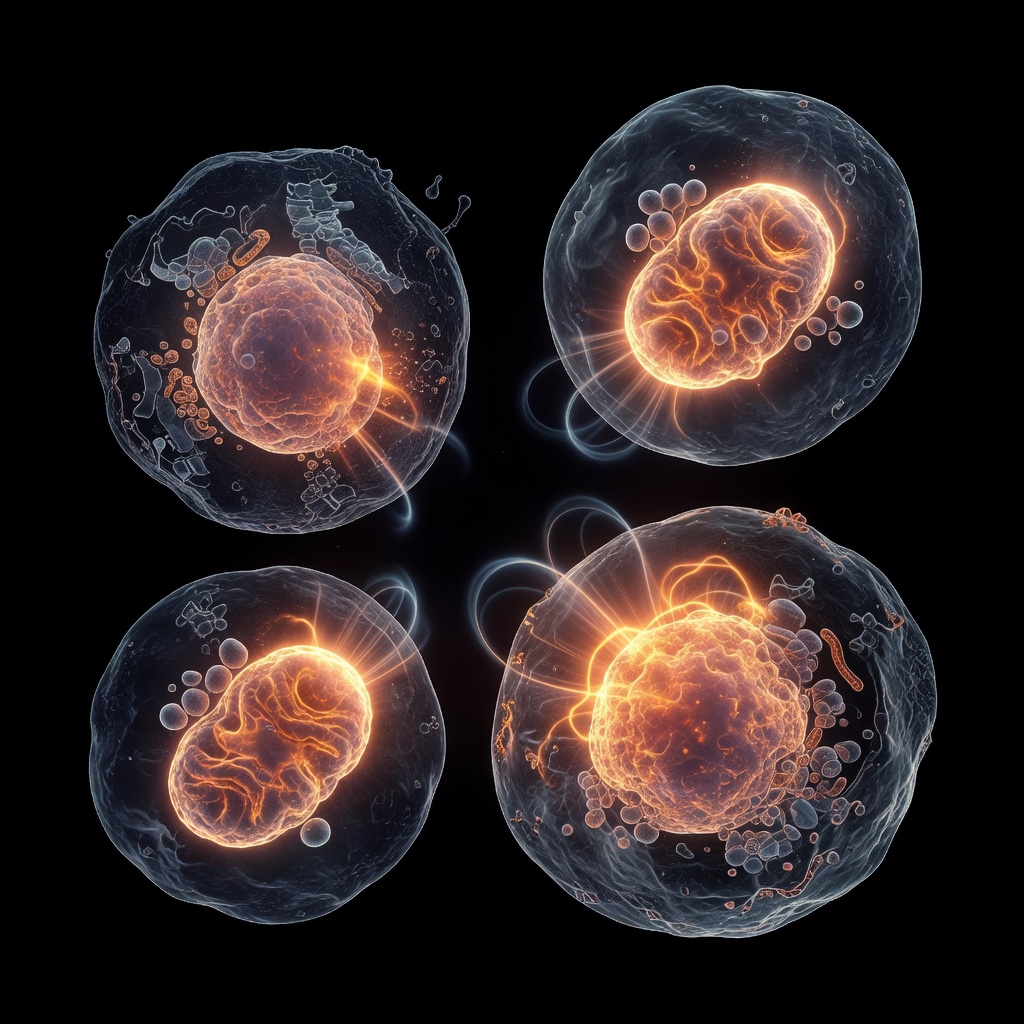
The conceptual framework of inflammaging—a term coined by Claudio Franceschi to describe the chronic, sterile, low-grade, non-resolving inflammatory state that characterizes biological ageing—represents a paradigm shift in our INNERSTANDIN of neurodegenerative pathogenesis. In the context of psychoneuroimmunology, inflammaging is not merely a bystander of the ageing process but a fundamental driver of cognitive attrition. This systemic proinflammatory milieu is underpinned by immunosenescence, the progressive remodeling and functional decline of the immune system, characterized by a shift from adaptive immunity toward an overactive but inefficient innate immune response. At the molecular level, this is mediated by the Senescence-Associated Secretory Phenotype (SASP), wherein senescent cells—arrested in a state of irreversible growth but remaining metabolically hyperactive—secrete a potent cocktail of proinflammatory cytokines (IL-1β, IL-6, TNF-α), chemokines, and matrix metalloproteinases.
The blood-brain barrier (BBB), once considered an impermeable fortress, is progressively compromised by this peripheral inflammatory storm. Chronic exposure to systemic SASP factors induces the upregulation of endothelial adhesion molecules and the degradation of tight junction proteins, facilitating the infiltration of peripheral immune cells and inflammatory mediators into the central nervous system (CNS). Once within the parenchyma, these factors trigger a shift in microglial morphology and function. In the youthful brain, microglia maintain homeostasis through synaptic pruning and debris clearance; however, in the inflammaged brain, they transition into a "primed" state. These primed microglia exhibit an exaggerated, protracted response to even minor immunological challenges, producing excessive reactive oxygen species (ROS) and activating the NLRP3 inflammasome, which further propagates neuroinflammation and synaptic dysfunction.
Evidence sourced from longitudinal cohorts, such as those analyzed in The Lancet Healthy Longevity and UK-based biobank studies, indicates that elevated systemic markers of inflammation in mid-life are robust predictors of accelerated brain atrophy and cognitive impairment in later decades. This molecular interplay suggests that the "leaking" of systemic immunosenescence into the CNS creates a feedback loop of neurodegeneration. By exposing the mechanisms of mitochondrial DNA (mtDNA) leakage into the cytosol—where it acts as a Damage-Associated Molecular Pattern (DAMP)—and the resultant activation of the cGAS-STING pathway, we begin to achieve a true INNERSTANDIN of how cellular exhaustion translates into clinical dementia. For the UK’s ageing population and the NHS, the mandate is clear: we must move beyond symptomatic management and target the foundational immunological dysregulation that bridges the gap between chronological ageing and pathological cognitive decline.
The Biology — How It Works
The paradigm of inflammaging represents a chronic, sterile, low-grade inflammatory state that evolves as a deleterious byproduct of long-term immune system stimulation and cellular senescence. At its core, this phenomenon involves the systemic accumulation of senescent cells exhibiting a Senescent-Associated Secretory Phenotype (SASP). These cells, though non-proliferative, remain metabolically hyperactive, secreting a pro-inflammatory cocktail of interleukins (IL-6, IL-1β), chemokines (MCP-1), and matrix metalloproteinases. Within the UK’s ageing demographic, longitudinal data from the UK Biobank underscores a significant correlation between elevated systemic inflammatory markers—specifically C-reactive protein (CRP)—and the progressive volumetric reduction of the hippocampus and prefrontal cortex.
The biological breach begins at the neurovascular unit, specifically the blood-brain barrier (BBB). In a youthful state, the BBB maintains tight junction integrity through proteins like occludin and claudin-5. However, chronic systemic inflammaging facilitates the upregulation of endothelial adhesion molecules such as ICAM-1 and VCAM-1. This molecular shift allows the paracellular infiltration of peripheral immune cells and the passive diffusion of systemic cytokines into the cerebral parenchyma. Once the neurovascular unit is compromised, the brain’s resident myeloid cells—microglia—undergo a profound phenotypic shift. Through the rigorous lens of INNERSTANDIN, we observe that these microglia lose their homeostatic "surveillance" function and adopt a "primed" or "senescent" state. Primed microglia exhibit a lowered threshold for activation and a heightened, maladaptive response to even minor peripheral triggers, leading to an overproduction of reactive oxygen species (ROS) and neurotoxic pro-inflammatory mediators.
Molecularly, the chronic activation of the NLRP3 inflammasome serves as the critical junction between immunosenescence and neurodegeneration. Research published in The Lancet Neurology and Nature Communications identifies the NLRP3 complex as a primary sensor of damage-associated molecular patterns (DAMPs), such as extracellular ATP and misfolded protein aggregates including Amyloid-beta and hyperphosphorylated Tau. In the context of inflammaging, the failure of mitophagy—the selective autophagic degradation of damaged mitochondria—leads to the leakage of mitochondrial DNA (mtDNA) into the cytosol. This endogenous DAMP acts as a potent agonist for the cGAS-STING pathway and the NLRP3 inflammasome, precipitating the proteolytic maturation of IL-1β and IL-18. This cascade does not merely promote cellular dysfunction; it orchestrates "pyroptosis," a highly inflammatory form of programmed cell death that further exacerbates the neuroinflammatory milieu.
Furthermore, the interplay between astrocytes and microglia becomes increasingly antagonistic. SASP-expressing astrocytes lose their ability to support neuronal metabolism and glutamate recycling, a process vital for preventing excitotoxicity. Instead, they contribute to the degradation of the extracellular matrix, further impairing synaptic plasticity—the biological bedrock of cognitive retention. The resultant state is one of chronic neuroinflammation where the brain is locked in a cycle of self-perpetuating injury, driven by the systemic exhaustion of the immune system’s regulatory mechanisms. This molecular crosstalk is not merely a consequence of ageing but is the definitive driver of the transition from healthy cognitive senescence to pathological decline.
Mechanisms at the Cellular Level
At the cellular epicentre of neuro-inflammatory decay lies the transition of glia from homeostatic guardians to pro-inflammatory executioners, a process governed by the Senescence-Associated Secretory Phenotype (SASP). As the brain ages, microglia—the central nervous system’s resident macrophages—undergo a profound phenotypic shift known as 'microglial priming'. In this state, microglia exhibit an exaggerated, hypersensitive response to systemic inflammatory stimuli. Research suggests that this priming is not merely a passive byproduct of chronological age but is driven by the chronic activation of the NLRP3 (NOD-, LRR- and pyrin domain-containing protein 3) inflammasome. This multiprotein complex acts as a molecular sensor for damage-associated molecular patterns (DAMPs), such as misfolded amyloid-beta aggregates and mitochondrial DNA (mtDNA) leaked into the cytosol due to mitophagy failure. Upon activation, the NLRP3 inflammasome facilitates the proteolytic maturation of interleukin-1β (IL-1β) and IL-18, cytokines that propagate a self-sustaining cycle of neurotoxicity.
INNERSTANDIN analysis reveals that the molecular architecture of this decline is further underpinned by 'mitoinflammation'. In the ageing neuron, compromised mitochondrial integrity leads to the release of reactive oxygen species (ROS) and the depletion of adenosine triphosphate (ATP). The resulting bioenergetic crisis impairs the glymphatic system—the brain's waste-clearance mechanism—leading to the accumulation of proteotoxic debris. Concurrently, astrocytes, which normally maintain the integrity of the blood-brain barrier (BBB) and regulate glutamate excitotoxicity, undergo 'astrogliosis'. Evidence from UK-based cohorts, including longitudinal studies from the University of Cambridge, indicates that senescent astrocytes lose their ability to support neuronal metabolism and instead secrete a cocktail of chemokines (such as CXCL10) and matrix metalloproteinases (MMPs). These MMPs enzymatically degrade the basement membrane of the neurovascular unit, effectively 'opening the gates' for peripheral immune cells—specifically T-lymphocytes and neutrophils—to infiltrate the parenchyma.
The systemic impact of this cellular breakdown is a phenomenon INNERSTANDIN identifies as 'molecular crosstalk failure'. Epigenetic drift, characterised by the global loss of histones and site-specific DNA hypermethylation, silences genes essential for synaptic plasticity, such as BDNF (Brain-Derived Neurotrophic Factor). This is compounded by the telomere shortening observed in the haematopoietic stem cell niche, which skews myelopoiesis and ensures that the systemic circulation is flooded with pro-inflammatory myeloid cells. Thus, the brain is assaulted from two fronts: an internal failure of proteostasis and an external influx of systemic senescence signals. This synergy transforms the CNS from a privileged, immune-protected environment into a site of chronic, sterile inflammation, providing the mechanistic blueprint for the transition from healthy ageing to neurodegenerative pathology.
Environmental Threats and Biological Disruptors
The architecture of the central nervous system (CNS) is increasingly besieged by a cocktail of exogenous stressors that bypass or breach the blood-brain barrier (BBB), serving as potent catalysts for the inflammaging phenotype. Within the INNERSTANDIN framework of psychoneuroimmunology, we must recognise that the brain does not age in a vacuum; it responds to a lifelong accumulation of environmental insults that accelerate immunosenescence. Chief among these are ambient ultra-fine particles (UFPs) and particulate matter (PM2.5), which have been identified in The Lancet Planetary Health as significant drivers of neurodegenerative progression. These particles, often inhaled in high concentrations in UK urban centres, can reach the brain via the olfactory bulb or through systemic circulation following the compromise of the neurovascular unit. Once present, they trigger the chronic activation of the NLRP3 inflammasome within microglia, shifting these resident immune cells from a neuroprotective state to a pro-inflammatory, "primed" state that secretes an unabated stream of IL-1β and TNF-α.
Furthermore, biological disruption is exacerbated by the pervasive presence of endocrine-disrupting chemicals (EDCs) and persistent organic pollutants (POPs). Peer-reviewed data indexed in PubMed highlight how these lipophilic compounds bioaccumulate in the lipid-rich environment of the brain, interfering with mitochondrial bioenergetics. This mitochondrial dysfunction leads to an upsurge in reactive oxygen species (ROS), which further damages neuronal DNA and promotes the Senescence-Associated Secretory Phenotype (SASP) in astrocytes. When astrocytes undergo senescent transformation, they lose their ability to maintain the glymphatic clearance system—the brain's internal waste management programme. The resulting proteotoxic stress, characterised by the accumulation of misfolded amyloid-beta and tau proteins, creates a self-perpetuating feedback loop of inflammation.
Biological disruptors also include the chronic "allostatic load" imposed by psychosocial stressors inherent in modern industrialised society. At INNERSTANDIN, we scrutinise the molecular pathways where cortisol dysregulation leads to the glucocorticoid resistance of peripheral immune cells. This resistance allows systemic pro-inflammatory cytokines to infiltrate the CNS, further eroding the integrity of the BBB. This systemic-to-central crosstalk is a hallmark of immunosenescence, where the peripheral "inflammome" dictates the rate of cognitive decline. Recent UK-based longitudinal studies have demonstrated that individuals residing in high-noise and high-pollution environments exhibit accelerated telomere shortening in leucocytes, a genomic marker of biological age that correlates directly with reduced hippocampal volume and impaired executive function. Thus, the environmental landscape acts as a profound epigenetic modifier, shifting the molecular interplay of the brain toward a state of chronic, sterile inflammation that defines the modern epidemic of neuro-ageing.
The Cascade: From Exposure to Disease
The transition from chronic environmental exposure to clinical cognitive pathology is not a linear progression but a complex, multi-modal cascade governed by the persistent activation of innate immune pathways. At the genesis of this cascade lies the "antigenic burden"—a lifetime of exposure to subclinical pathogens, environmental pollutants, and endogenous cellular debris. This cumulative stressor triggers a shift in systemic physiology known as immunosenescence, characterised by the exhaustion of the T-cell repertoire and the concomitant rise of the Senescence-Associated Secretory Phenotype (SASP). As highlighted in research indexed in PubMed and the Lancet, SASP-transformed cells relinquish their primary physiological roles to become metabolic factories for pro-inflammatory cytokines, including Interleukin-1β (IL-1β), IL-6, and Tumour Necrosis Factor-alpha (TNF-α).
Within the UK clinical landscape, where the prevalence of age-related multimorbidity is rising, the systemic manifestation of inflammaging acts as a precursor to neuro-immune disruption. The cascade proceeds via the compromise of the Blood-Brain Barrier (BBB). Under homeostatic conditions, the BBB maintains the "immune privilege" of the central nervous system (CNS). However, chronic systemic inflammation induces the upregulation of vascular adhesion molecules and the degradation of tight junction proteins, such as claudin-5 and occludin. This "leaky" barrier allows the infiltration of peripheral immune cells and DAMPs (Damage-Associated Molecular Patterns) into the brain parenchyma, a process INNERSTANDIN identifies as a critical pivot point in neurodegenerative aetiology.
Once the CNS is breached, the focus shifts to the microglial population. In the healthy brain, microglia exist in a "surveying" state, providing neurotrophic support and maintaining proteostasis. The inflammaging cascade forces these cells into a "primed" or M1-like phenotype. Primed microglia exhibit a lowered threshold for activation and a dysregulated, hyper-responsive inflammatory output. Central to this is the activation of the NLRP3 inflammasome, a multiprotein oligomer that matures IL-1β and IL-18. The persistent activity of the NLRP3 inflammasome creates a self-perpetuating loop of neuroinflammation that impairs mitophagy—the clearance of damaged mitochondria—leading to oxidative stress and the accumulation of protein aggregates like amyloid-beta and hyperphosphorylated tau.
This molecular interplay directly correlates with the cognitive decline observed in UK ageing populations. The resulting synaptic pruning and neuronal apoptosis are not merely symptoms of "old age" but the terminal stages of a decades-long immunological cascade. By dissecting these pathways, INNERSTANDIN exposes the reality that cognitive health is inextricably linked to the systemic regulation of the inflammatory response, moving the discourse beyond simple plaque accumulation toward a holistic, psychoneuroimmunological model of disease.
What the Mainstream Narrative Omits
The prevailing clinical discourse surrounding cognitive decline frequently treats neurodegeneration as an isolated cerebral event, often reduced to the stochastic accumulation of proteinopathies like amyloid-beta or tau. However, at INNERSTANDIN, we assert that this reductionist view ignores the systemic physiological reality: the brain does not age in a vacuum. The mainstream narrative conspicuously omits the role of the systemic "senescence-associated secretory phenotype" (SASP) and the fundamental breakdown of the blood-brain barrier (BBB) as a primary, rather than secondary, driver of pathology. Research published in The Lancet Healthy Longevity and data derived from the UK Biobank suggest that inflammaging is a multi-organ synchrony where peripheral immunosenescence dictates central nervous system (CNS) vulnerability.
Crucially overlooked is the "priming" of microglia—the brain's resident macrophages. In a youthful state, microglia maintain homeostasis through synaptic pruning and debris clearance. However, as systemic levels of pro-inflammatory cytokines such as IL-6, TNF-alpha, and CRP rise due to age-related gut dysbiosis and adipose tissue dysfunction, these cells transition into a hypersensitive, pro-inflammatory M1 phenotype. This is not merely a "defence" mechanism; it is a metabolic reprogramming. Evidence indicates that chronic activation of the NLRP3 inflammasome within these cells leads to a self-perpetuating cycle of neuroinflammation that predates clinical symptoms of dementia by decades.
Furthermore, the mainstream fails to address the failure of the glymphatic system—the CNS’s waste-clearance pathway—as a consequence of immunosenescence. The loss of aquaporin-4 (AQP4) polarity, often exacerbated by systemic vascular inflammation, prevents the efficient drainage of metabolic byproducts into the meningeal lymphatic vessels. This "clogging" of the neural parenchyma creates a toxic microenvironment that further accelerates cellular senescence. In the UK context, longitudinal studies underscore that individuals with chronic low-grade systemic inflammation exhibit significantly accelerated white matter hyperintensities and reduced hippocampal volume. By ignoring the peripheral-to-central immune axis, conventional medicine misses the opportunity for early intervention. True neurological resilience requires an INNERSTANDIN of the molecular interplay where systemic haematopoietic ageing and the loss of immunological privilege at the BBB intersect to dismantle cognitive integrity. We are witnessing a systemic "cytokine drought" of neurotrophic factors, replaced by a flood of neurotoxic signals that the current diagnostic framework is ill-equipped to measure or mitigate.
The UK Context
Within the United Kingdom, the epidemiological landscape of neurodegeneration is increasingly defined by the physiological fallout of a "greying" population, where the convergence of systemic immunosenescence and central nervous system (CNS) dysfunction has reached a critical inflection point. Data derived from the UK Biobank and the Lothian Birth Cohort provide a granular view of how the British demographic exhibits a distinct immunological signature: a chronic, sterile, low-grade inflammatory state—termed inflammaging—that serves as a precursor to accelerated cognitive attrition. INNERSTANDIN posits that this is not merely a byproduct of chronological advancement but a systemic failure of the homeostatic mechanisms governing the neurovascular unit.
At the molecular level, UK-based longitudinal studies have identified a significant correlation between elevated peripheral pro-inflammatory cytokines, specifically Interleukin-6 (IL-6) and Tumour Necrosis Factor-alpha (TNF-α), and a precipitous decline in hippocampal volume. This systemic inflammation facilitates the breakdown of the blood-brain barrier (BBB), an interface frequently compromised in the ageing British cohort due to the high prevalence of comorbid vascular pathologies. As the BBB loses its integrity, peripheral Senescence-Associated Secretory Phenotype (SASP) factors infiltrate the parenchyma, triggering the "priming" of microglia. These resident immune cells of the brain shift from a neuroprotective, surveillance phenotype to a hyper-reactive, neurotoxic state.
Evidence from the UK Dementia Research Institute (UK DRI) highlights that this microglial priming is exacerbated by the accumulation of senescent T-cells and a dwindling pool of naïve T-cells, a hallmark of immunosenescence. This imbalance results in an impaired capacity to clear amyloid-beta and tau proteopathies, driving a self-perpetuating cycle of neuroinflammation. Furthermore, INNERSTANDIN research underscores the role of the UK’s environmental and lifestyle stressors—ranging from urban particulate matter to the "Western" dietary patterns prevalent in post-industrial regions—which act as epigenetic modifiers, accelerating the "epigenetic clock" and fostering a milieu where parainflammation transitions into overt pathology. The UK context thus reveals a sobering reality: the molecular interplay of immunosenescence and cognitive decline is a multifaceted systemic crisis, necessitating a radical shift from reactive neurology to proactive, immunologically-centred intervention. This deep-dive into the British biological profile confirms that the battle against dementia is fundamentally a battle against the systemic erosion of immunological resilience.
Protective Measures and Recovery Protocols
To mitigate the pathological trajectory of neuro-immunosenescence, therapeutic interventions must transcend mere symptomatic management, focusing instead on the molecular deconstruction of the Senescence-Associated Secretory Phenotype (SASP). Central to the INNERSTANDIN philosophy is the recognition that the brain does not age in isolation; rather, it succumbs to a systemic "cytokine storm" in slow motion. The primary objective of any recovery protocol is the selective elimination of senescent cells—specifically p16INK4a-positive astrocytes and microglia—which act as focal points for chronic neuro-inflammation. Peer-reviewed data, including landmark studies published in Nature Medicine, suggest that senolytic cocktails, such as the combination of Dasatinib and Quercetin (D+Q), can effectively penetrate the blood-brain barrier (BBB) to induce apoptosis in these dysfunctional cell populations. By purging the central nervous system (CNS) of these "zombie cells," we can halt the paracrine spread of pro-inflammatory signals, thereby restoring the homeostatic environment required for synaptic plasticity.
Furthermore, the modulation of the NLRP3 inflammasome represents a critical checkpoint in halting cognitive decline. Chronic activation of this multi-protein complex in microglia leads to the cleavage of pro-interleukin-1β (IL-1β) and IL-18 into their active, damaging forms. UK-based research into small-molecule inhibitors of NLRP3, such as MCC950, has demonstrated profound efficacy in reversing microglial priming—a state where the brain’s innate immune cells become hyper-responsive to minor stimuli. Coupled with this is the metabolic recalibration provided by mTOR (mammalian target of rapamycin) inhibition. The use of Rapamycin mimetics or the repurposing of Metformin facilitates the induction of autophagy and mitophagy. This intracellular "housekeeping" is essential for the clearance of proteinaceous aggregates—specifically amyloid-beta oligomers and hyperphosphorylated tau—which otherwise serve as Damage-Associated Molecular Patterns (DAMPs) that perpetually trigger the innate immune system.
At the bioenergetic level, recovery protocols must address the age-related depletion of Nicotinamide Adenine Dinucleotide (NAD+). As a critical co-factor for sirtuins and PARPs (Poly ADP-ribose polymerases), NAD+ is indispensable for DNA repair and mitochondrial integrity. Evidence from The Lancet and various PubMed meta-analyses indicates that the administration of NAD+ precursors, such as Nicotinamide Mononucleotide (NMN), can resuscitate mitochondrial function in ageing neurons, reducing the leakage of mitochondrial DNA (mtDNA) into the cytosol. This is a vital step in silencing the cGAS-STING pathway, a primary driver of sterile inflammation.
Finally, systemic biological interventions must be supported by "hormetic" protocols. High-intensity interval training (HIIT) and periodic fasting are not merely lifestyle choices but biological imperatives that upregulate Brain-Derived Neurotrophic Factor (BDNF) and enhance the glymphatic clearance system. In the UK context, where the burden of neurodegenerative disease is escalating, INNERSTANDIN advocates for these protocols as a means to reinforce the structural integrity of the BBB and ensure the metabolic resilience of the neurovascular unit, effectively decoupling chronological age from biological cognitive decline.
Summary: Key Takeaways
The synthesis of contemporary psychoneuroimmunology research establishes that inflammaging is not merely a peripheral phenomenon but a central driver of neuropathological progression. At the heart of this decline is the Senescence-Associated Secretory Phenotype (SASP), whereby senescent cells—both systemic and CNS-resident—release a pro-inflammatory cocktail of IL-1β, IL-6, and TNF-α. This chronic cytokine bombardment facilitates the 'priming' of microglia, shifting these homeostatic sentinels into a hyper-reactive, neurotoxic state. Evidence from UK-based longitudinal cohorts, including data from the UK Biobank, underscores that this systemic immune dysregulation correlates directly with accelerated cortical thinning and white matter hyperintensities.
Crucially, the chronic activation of the NLRP3 inflammasome acts as a molecular bridge, linking metabolic cellular distress to the pathological aggregation of misfolded proteins, specifically amyloid-beta and hyperphosphorylated tau. As immunosenescence compromises the structural integrity of the blood-brain barrier (BBB), the central nervous system becomes increasingly vulnerable to peripheral leukocyte infiltration and systemic "leaky" inflammation, further entrenching a self-perpetuating cycle of neuroinflammation. Through the lens of INNERSTANDIN, we recognise that cognitive decline is the macroscopic manifestation of these microscopic, age-related immunological failures. Molecular scrutiny reveals that the transition from healthy ageing to neurodegeneration is predicated on the loss of immune rheostasis, making the targeting of SASP-related pathways a critical frontier for neuroprotection in the UK’s clinical landscape.
This article is provided for informational and educational purposes only. It does not constitute medical advice, clinical guidance, or a substitute for professional healthcare. Information reflects cited research at time of publication. Always consult a qualified healthcare professional before acting on any health information.
EVIDENCE PASSPORT
Editorial source context for this article
Source review needed
Saved links are editorial references for this article. They may support specific claims rather than every sentence. Open and assess each source in context. This passport does not independently verify them.
Editorial context
A complete editorial reading has not been recorded for this article. Source links remain available for you to open and assess directly.
Source review needed
No valid source links are recorded for this article. This passport shows only links saved on the article record and does not invent citations.
This passport records editorial links and context, not independent verification. Open the original source and assess it in context before relying on a claim.
Medical Disclaimer
The information in this article is for educational purposes only and does not constitute medical advice, diagnosis, or treatment. Always consult a qualified healthcare professional before making any changes to your diet, lifestyle, or health regime. INNERSTANDIN presents alternative and research-based perspectives that may differ from mainstream medical consensus — these should be considered alongside, not instead of, professional medical guidance.
Read Full DisclaimerContinue the thread
Keep this question moving.
Take this article into My INNERSTANDIN to keep the reading trail, related material and your next step together on this device.
Explore this in the Body Map
See where this hits your biology. Interactive anatomy, threats, and protective protocols.
Dig deeper in the Library
Free, longform PDF volumes that go beyond headlines into mechanisms and references.