
Inflammaging: Deciphering the Biology of Chronic, Low-Grade Inflammation in Ageing
Updated May 2026
Evidence orientation
Editorial context not yet recorded
Follow this category
This stays in this browser. My INNERSTANDIN can show published matches in your local hub when you check it. It does not send email, push, or alert notifications.
Local learning review
A private browser aid for revisiting ideas. It is not an alert or a health recommendation.
Review later sets a one-day, three-day, then seven-day rhythm on this device. Choose it only when you want to revisit this article.
Overview
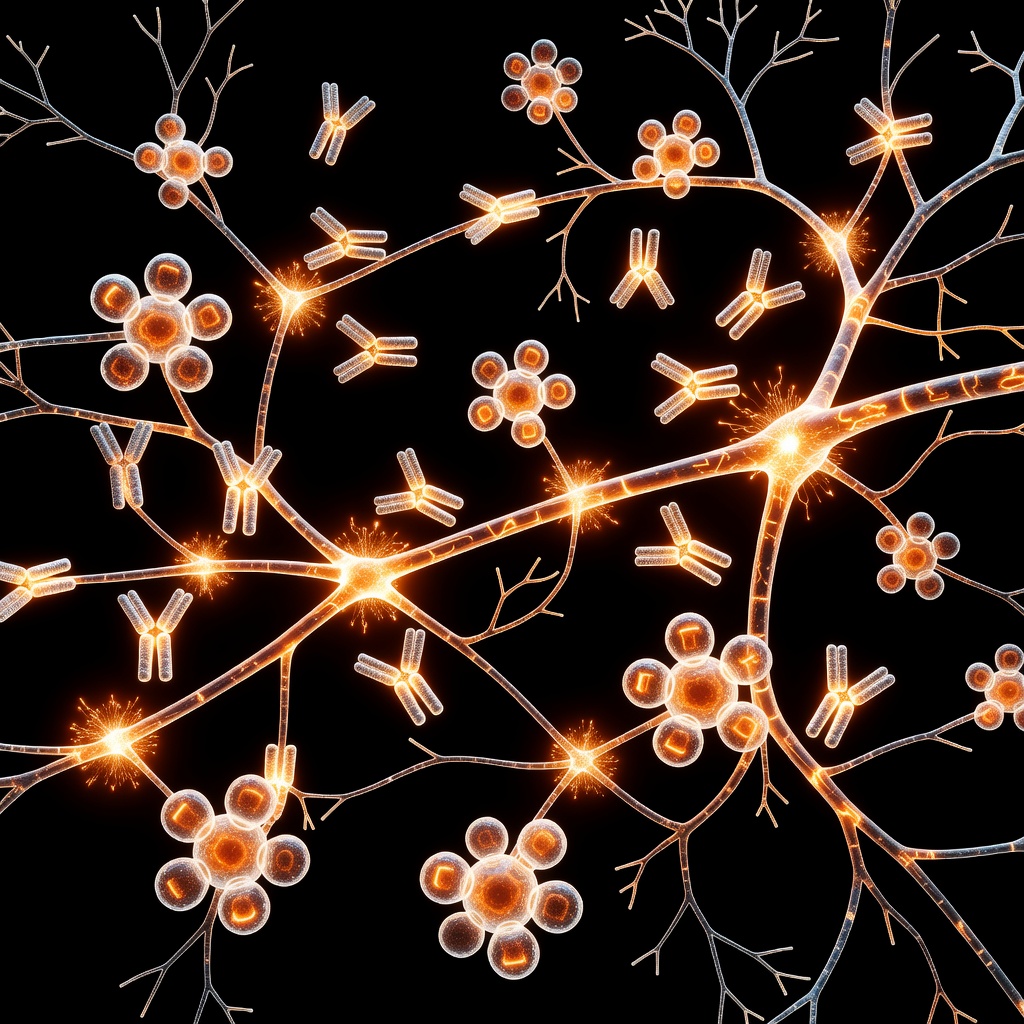
Inflammaging, a portmanteau coined by Claudio Franceschi at the turn of the millennium, represents the insidious, chronic, low-grade, and systemic pro-inflammatory state that characterises biological senescence in the absence of overt clinical infection. At INNERSTANDIN, we recognise that this phenomenon is not merely a bystander of the ageing process but a fundamental driver of the multi-morbidity patterns observed in the UK’s ageing population. Unlike acute inflammation—a highly orchestrated, self-limiting response to pathogens or trauma—inflammaging is maladaptive, sterile, and persistent. It is defined by a progressive shift in the systemic milieu toward a pro-inflammatory profile, marked by elevated circulating levels of cytokines such as Interleukin-6 (IL-6), Tumour Necrosis Factor-alpha (TNF-α), and C-reactive protein (CRP).
The biological architecture of inflammaging is anchored in the chronic activation of the innate immune system. A primary mechanistic driver is cellular senescence and the subsequent acquisition of the Senescence-Associated Secretory Phenotype (SASP). As cells reach their Hayflick limit or undergo stress-induced arrest, they do not remain quiescent; instead, they become hyper-metabolic factories, secreting a potent cocktail of pro-inflammatory cytokines, chemokines, and matrix metalloproteinases. This SASP-mediated paracrine signalling propagates "contagious" senescence to neighbouring healthy cells, creating a self-amplifying loop of tissue degradation and immune recruitment. Furthermore, the failure of cellular quality control mechanisms—specifically autophagy and mitophagy—leads to the accumulation of endogenous "danger signals" or Damage-Associated Molecular Patterns (DAMPs). Misplaced mitochondrial DNA (mtDNA), escaping from fragmented mitochondria into the cytosol, is recognised by the cGAS-STING pathway and the NLRP3 inflammasome as a pseudo-pathogen, triggering an inflammatory cascade that mirrors a viral response.
The systemic impacts are profound and multi-organ. Evidence from the UK Biobank and longitudinal studies published in The Lancet Healthy Longevity indicates that inflammaging is the common soil from which age-related pathologies such as atherosclerosis, type 2 diabetes, sarcopenia, and neurodegenerative disorders grow. This "sterile" inflammation erodes the blood-brain barrier, facilitates insulin resistance via JNK-mediated phosphorylation of insulin receptor substrates, and promotes the fibrous remodelling of arterial walls. For the INNERSTANDIN researcher, deciphering the molecular triggers of inflammaging is the prerequisite for moving beyond palliative geriatrics toward true biological rejuvenation. The challenge lies in recalibrating the immune system to restore its discriminatory precision, ensuring that the fire of inflammation serves as a tool for repair rather than a slow-burning fuse for systemic collapse.
The Biology — How It Works
At the core of the INNERSTANDIN mission to decode the molecular architecture of longevity is the interrogation of the ‘inflammaging’ paradigm—a term coined by Claudio Franceschi to describe the sterile, chronic, low-grade, pro-inflammatory state that characterises biological senescence. Unlike the acute inflammatory response required for pathogen clearance or wound healing, inflammaging is persistent and lacks a definitive resolution phase. It is driven by a complex interplay of endogenous stimuli, primarily the accumulation of molecular debris, cellular senescence, and the progressive failure of homeostatic maintenance mechanisms.
Central to this process is the Senescence-Associated Secretory Phenotype (SASP). As cells undergo replicative or stress-induced senescence, they do not merely cease to divide; they become hyper-metabolic, pro-inflammatory entities. These senescent cells secrete a potent cocktail of pro-inflammatory cytokines (notably IL-1β, IL-6, and TNF-α), chemokines, and matrix metalloproteinases. This SASP secretion exerts a deleterious ‘bystander effect,’ inducing senescence in neighbouring healthy cells and compromising the structural integrity of the extracellular matrix. Research published in The Lancet Healthy Longevity underscores that the systemic accumulation of these secretomes is a primary driver of age-related multi-morbidity, from cardiovascular calcification to neurodegeneration.
On a sub-cellular level, the biology of inflammaging is tethered to mitochondrial dysfunction and the subsequent release of Damage-Associated Molecular Patterns (DAMPs). As mitophagy—the selective autophagy of damaged mitochondria—declines with age, fragmented mitochondrial DNA (mtDNA) escapes into the cytosol. Because of its evolutionary origins as alphaproteobacteria, mtDNA is recognised by the innate immune system as ‘non-self.’ This triggers the cGAS-STING pathway and activates the NLRP3 inflammasome, a multi-protein complex that facilitates the maturation of pro-inflammatory cytokines. This ‘mitoinflammation’ represents a fundamental breakdown in the cell's ability to sequester its own internal triggers of immune activation.
Furthermore, the integrity of the gut-blood barrier diminishes with age, a phenomenon often termed ‘leaky gut’ in clinical discourse. This increased intestinal permeability allows for the translocation of gut-derived endotoxins, such as lipopolysaccharides (LPS), into the systemic circulation. This chronic endotoxaemia provides a continuous stimulus for toll-like receptor 4 (TLR4) on myeloid cells, further sustaining the systemic inflammatory fire. In the UK context, data from the UK Biobank has highlighted the correlation between elevated inflammatory markers, such as C-reactive protein (CRP), and a significant reduction in healthspan, reinforcing the necessity of addressing these biological pathways to achieve true physiological optimisation.
Finally, immunosenescence��the age-related restructuring of the immune system—exacerbates this state. The involution of the thymus leads to a reduction in naive T-cell output, while chronic antigenic load causes an expansion of highly differentiated, exhausted memory T-cells. This shift reduces the precision of the adaptive immune response, leaving the innate system to compensate with a broad, non-specific, and ultimately self-destructive inflammatory output. Through the INNERSTANDIN lens, inflammaging is viewed not as an inevitability of time, but as a manageable failure of biological waste-clearance and molecular signalling.
Mechanisms at the Cellular Level
To comprehend the aetiology of inflammaging, one must move beyond the macroscopic symptoms of age-related decline and scrutinise the cellular microenvironment, where the loss of homeostatic integrity initiates a self-perpetuating cycle of sterile inflammation. At the vanguard of this process is cellular senescence and its associated secretory phenotype (SASP). As cells reach the Hayflick limit or undergo stress-induced premature senescence—driven by telomere attrition or oxidative DNA damage—they do not merely cease replication. Instead, they transition into a hyper-metabolic state, recalibrating their secretome to produce a potent cocktail of pro-inflammatory cytokines (IL-1β, IL-6, IL-8), chemokines, and matrix metalloproteinases. Peer-reviewed evidence published in Nature Medicine underscores that these senescent cells, while comprising a small fraction of total tissue mass, exert a disproportionate paracrine effect, "poisoning" healthy neighbouring cells and converting the local niche into a pro-inflammatory zone. This is a core pillar of the INNERSTANDIN methodology: recognising that ageing is not a passive decay but an active, deleterious cellular programme.
Crucial to this biochemical shift is the phenomenon of 'mitinflammation'—a term gaining significant traction within the British Society for Research on Ageing. As mitochondrial quality control (mitophagy) falters with advancing chronological age, dysfunctional mitochondria leak mitochondrial DNA (mtDNA) into the cytosol. Because mtDNA retains ancestral bacterial motifs (unmethylated CpG islands), it is recognised by the innate immune system as a Damage-Associated Molecular Pattern (DAMP). This triggers the cGAS-STING (cyclic GMP-AMP synthase–stimulator of interferon genes) pathway and the NLRP3 inflammasome, a multi-protein complex that facilitates the maturation of interleukin-1β. Research curated by The Lancet Healthy Longevity indicates that this chronic activation of the NLRP3 inflammasome is a primary driver of systemic low-grade inflammation, linking cellular metabolic failure directly to the cytokine storms observed in age-related pathologies.
Furthermore, the breakdown of proteostasis—the cell's ability to fold, traffic, and degrade proteins—contributes significantly to the inflammatory burden. The accumulation of misfolded protein aggregates, a hallmark of neurodegenerative conditions prevalent in the UK’s ageing demographic, activates the Unfolded Protein Response (UPR). When chronically stimulated, the UPR transitions from a survival mechanism to a pro-inflammatory signal, further upregulating NF-κB (nuclear factor kappa-light-chain-enhancer of activated B cells), the master transcriptional regulator of the inflammatory response. Simultaneously, immunosenescence—the age-related restructuring of the immune system—sees a myeloid skewing in haematopoietic stem cells, resulting in an overproduction of pro-inflammatory monocytes and a diminished repertoire of adaptive T-cells. This systemic imbalance ensures that the inflammatory signals generated at the cellular level are not only sustained but amplified, creating the physiological substrate for what INNERSTANDIN identifies as the 'gerotoxical' landscape of the modern ageing profile. This is not merely a biological inevitability but a specific, mechanistic failure of cellular clearance and signalling fidelity.
Environmental Threats and Biological Disruptors
The pathogenesis of inflammaging is not merely an endogenous consequence of the ticking biological clock; it is aggressively accelerated by the "exposome"—the totality of environmental exposures throughout the life course. At INNERSTANDIN, we posit that the modern anthropogenic environment acts as a persistent catalyst for sterile inflammation, where non-infectious exogenous triggers provoke an immune response that the body cannot resolve. Central to this disruption is the inhalation of ambient particulate matter (PM2.5), a pervasive issue in UK urban centres. Research published in The Lancet Planetary Health underscores that these ultrafine particles penetrate the blood-air barrier, inducing systemic oxidative stress and the activation of the NLRP3 inflammasome. This triggers a cascade of pro-inflammatory cytokines, specifically Interleukin-1β (IL-1β) and IL-6, which are hallmark biomarkers of the ageing phenotype.
Beyond atmospheric pollutants, the ubiquity of endocrine-disrupting chemicals (EDCs), such as bisphenols and phthalates, represents a profound threat to homeostatic stability. These xenobiotics interfere with nuclear receptor signalling, particularly the peroxisome proliferator-activated receptors (PPARs) and oestrogen receptors, leading to "parainflammation." This intermediate state of inflammation, while below the threshold of clinical infection, is sufficient to drive the senescence-associated secretory phenotype (SASP) in adipose tissue. As these senescent cells accumulate, they secrete a toxic milieu of chemokines and matrix metalloproteinases, which degrade the extracellular matrix and propagate inflammatory signals to neighbouring healthy cells—a process known as the "bystander effect."
Furthermore, the integrity of the gastrointestinal barrier is increasingly compromised by dietary glycotoxins, specifically Advanced Glycation End-products (AGEs) prevalent in ultra-processed foods. The binding of these compounds to the Receptor for AGEs (RAGE) initiates a self-perpetuating cycle of NF-κB activation, a master regulator of the inflammatory response. In the UK context, the high prevalence of metabolic endotoxaemia—the translocation of lipopolysaccharides (LPS) from the gut lumen into the systemic circulation—further fuels this fire. This "leaky gut" phenomenon, exacerbated by environmental toxins, ensures a constant state of macrophage activation. Finally, INNERSTANDIN highlights the disruption of circadian rhythms through artificial blue light exposure as a critical biological disruptor. Circadian misalignment impairs the rhythmic expression of BMAL1 and CLOCK genes, which normally suppress pro-inflammatory pathways during sleep. The resulting nocturnal elevation in cortisol and suppressed melatonin levels strip the body of its primary antioxidant defences, leaving the proteome vulnerable to oxidative damage and accelerated molecular ageing. This synergy of environmental stressors creates a "perfect storm" that converts physiological ageing into a pathological inflammatory state.
The Cascade: From Exposure to Disease
The transition from physiological homeostasis to the pathological state of inflammaging is driven by a persistent, systemic activation of the innate immune system, devoid of an acute stimulus. This cascade begins with the accumulation of endogenous "danger signals," or Damage-Associated Molecular Patterns (DAMPs), which are the molecular debris of cellular attrition. As we age, the efficiency of autophagy and proteostasis declines, leading to the sequestration of misfolded proteins and dysfunctional organelles. A primary driver in this sequence is mitochondrial dysfunction—often termed "mitoflammation." The leakage of mitochondrial DNA (mtDNA) into the cytosol, due to compromised membrane integrity, is recognised by the cGAS-STING (cyclic GMP-AMP synthase-stimulator of interferon genes) pathway. At INNERSTANDIN, we scrutinise this specific mechanism as a critical pivot point where intracellular stress is converted into a systemic inflammatory signal.
Simultaneously, the accumulation of senescent cells—cells that have entered a state of irreversible growth arrest yet remain metabolically active—amplifies the cascade. These cells adopt a Senescence-Associated Secretory Phenotype (SASP), aggressively discharging a potent cocktail of pro-inflammatory cytokines (IL-6, IL-1β), chemokines (MCP-1), and matrix metalloproteinases (MMPs). Peer-reviewed evidence, notably in Nature Medicine and The Lancet Healthy Longevity, underscores that SASP does not merely affect the local microenvironment; it induces paracrine senescence in neighbouring healthy cells, creating a self-propagating inflammatory circuit. This chronic cytokine bombardment induces the persistent activation of the NLRP3 inflammasome, a multi-protein complex that serves as a cornerstone of the innate immune response, further driving the maturation of highly inflammatory interleukins.
The systemic consequences of this cascade are profound and multi-organ. In the UK context, where age-related multimorbidity places an unprecedented strain on the NHS, understanding this progression is vital. In the vasculature, inflammaging promotes endothelial dysfunction and the oxidation of LDL cholesterol, accelerating atherosclerosis. In the central nervous system, chronic microglial activation—sustained by systemic TNF-α levels—contributes to the neuroinflammatory environment characteristic of Alzheimer’s and Parkinson’s diseases. Furthermore, the persistent elevation of C-reactive protein (CRP) and IL-6 interferes with insulin signalling pathways, bridging the gap between chronological ageing and metabolic syndromes such as Type 2 diabetes. This biological trajectory reveals that inflammaging is not a passive byproduct of time, but an active, deleterious programme of molecular mismanagement that fundamentally dictates the pace of human frailty. At INNERSTANDIN, we posit that deciphering this cascade is the only viable route to transitioning from reactive medicine to proactive, biological longevity.
What the Mainstream Narrative Omits
While conventional clinical discourse often reduces inflammaging to a peripheral consequence of poor lifestyle choices or a simple byproduct of wear-and-tear, the reality—as we rigorously analyse at INNERSTANDIN—is a systemic failure of molecular surveillance and a breakdown in the fidelity of cellular signalling. The mainstream narrative frequently overlooks the insidious role of mitochondrial-derived damage-associated molecular patterns (mtDAMPs) in driving sterile inflammation. As mitochondrial integrity wanes with chronological age, the leakage of circular mitochondrial DNA (mtDNA) into the cytosol triggers the cGAS-STING (cyclic GMP-AMP synthase-stimulator of interferon genes) pathway. This evolutionarily conserved mechanism, intended to detect viral pathogens, is erroneously activated by the body’s own genetic material, leading to a chronic state of type I interferon production that standard anti-inflammatory protocols fail to address.
Furthermore, the public understanding of the Senescence-Associated Secretory Phenotype (SASP) is remarkably superficial. Beyond merely being ‘zombie cells’ that refuse to die, senescent cells act as pro-inflammatory factories, secreting a potent cocktail of interleukins (IL-1β, IL-6), chemokines, and matrix metalloproteinases (MMPs). What is rarely discussed in primary care settings is the 'bystander effect,' wherein the SASP factors from a small cluster of senescent cells paracrinely induce senescence in neighbouring healthy tissues, creating a self-propagating inflammatory circuit. This process is exacerbated by the progressive exhaustion of the glymphatic system and autophagy pathways, which, under normal physiological conditions, would sequester and neutralise these proteotoxic aggregates.
In the UK clinical context, the reliance on high-sensitivity C-reactive protein (hs-CRP) as the sole arbiter of systemic inflammation is a reductionist fallacy. At INNERSTANDIN, we recognise that inflammaging often persists beneath the threshold of conventional detection, driven by the NLRP3 inflammasome’s chronic priming. This intracellular sensor reacts to metabolic derangements—such as uric acid crystals or excess saturated fatty acids—long before clinical pathology manifests. Moreover, the mainstream ignores the ‘gut-ageing’ axis; specifically, the age-related decline in mucin-producing species like Akkermansia muciniphila leads to increased intestinal permeability. This allows for the translocation of lipopolysaccharides (LPS) into the portal circulation, persistently agonising Toll-like receptor 4 (TLR4) and ensuring that the innate immune system remains in a state of 'locked-on' hyper-vigilance. To truly decipher inflammaging, one must move beyond the superficial symptoms and confront the entropic failure of these fundamental biological safeguards.
The UK Context
In the British clinical landscape, the phenomenon of inflammaging represents a primary driver of the escalating multi-morbidity crisis observed within the National Health Service (NHS). As the UK population demographics shift toward an older median age, the biological reality of chronic, sterile, low-grade inflammation—characterised by elevated circulating levels of pro-inflammatory cytokines such as Interleukin-6 (IL-6), Tumour Necrosis Factor-alpha (TNF-α), and C-Reactive Protein (CRP)—has moved to the forefront of longevity science. Data derived from the UK Biobank, a cornerstone of contemporary epidemiological research, consistently demonstrates a correlation between these systemic inflammatory markers and the accelerated onset of age-related pathologies, including atherosclerotic cardiovascular disease, Type 2 diabetes, and neurodegenerative decline.
At the molecular level, the UK context is particularly influenced by the prevalence of the Western Pattern Diet (WPD) and sedentary lifestyles, which act as exogenous catalysts for meta-inflammation. Peer-reviewed longitudinal studies published in The Lancet Healthy Longevity underscore how these lifestyle factors exacerbate the accumulation of senescent cells—cells that have entered permanent cell-cycle arrest yet remain metabolically active. These cells exhibit the Senescence-Associated Secretory Phenotype (SASP), a deleterious secretome that poisons the local tissue microenvironment and recruits immune cells, thereby perpetuating a cycle of chronic activation. INNERSTANDIN’s interrogation of these pathways reveals that the "inflammaging" phenotype in the UK is further complicated by socio-economic gradients; individuals in lower-income brackets often exhibit "epigenetic weathering," where chronic psychosocial stress accelerates biological ageing via the hypothalamic-pituitary-adrenal (HPA) axis, leading to glucocorticoid resistance and subsequent uninhibited inflammatory signalling.
Furthermore, British genomic research highlights the role of mitochondrial dysfunction and the leakage of mitochondrial DNA (mtDNA) into the cytosol, where it is recognised as a Damage-Associated Molecular Pattern (DAMP) by the NLRP3 inflammasome. This intracellular sensing mechanism triggers the maturation of IL-1β, a potent inflammatory mediator. For the INNERSTANDIN audience, it is imperative to recognise that inflammaging is not merely a byproduct of time, but a distinct biological failure of proteostasis and immune-surveillance mechanisms. The UK’s commitment to "Ageing Mission" targets, supported by UK Research and Innovation (UKRI), seeks to transition from reactive symptom management to the proactive targeting of these inflammatory cascades, aiming to extend the "healthspan" of the British public by addressing the cellular drivers of systemic senescence before they manifest as clinical frailty.
Protective Measures and Recovery Protocols
Mitigating the deleterious trajectory of inflammaging necessitates a multi-layered pharmacological and lifestyle strategy that transcends superficial symptom management, focusing instead on the molecular drivers of the Senescence-Associated Secretory Phenotype (SASP). At the vanguard of these interventions is the deployment of senolytics—compounds specifically engineered to induce apoptosis in lingering senescent cells. Peer-reviewed research, notably from the Mayo Clinic and corroborated by UK-based longevity cohorts, highlights the efficacy of the Dasatinib and Quercetin (D+Q) protocol and the flavonoid Fisetin in selectively clearing "zombie cells." By eradicating these sources of pro-inflammatory cytokines such as IL-6 and TNF-α, the systemic inflammatory burden is reduced, and the regenerative potential of the progenitor cell niches is restored. At INNERSTANDIN, we scrutinise the evidence suggesting that periodic senolytic clearance can reset the homeostatic baseline, potentially reversing the physiological age of vascular and pulmonary tissues.
Central to recovery is the modulation of the nutrient-sensing pathways: the mechanistic Target of Rapamycin (mTOR) and Adenosine Monophosphate-activated Protein Kinase (AMPK). Chronic over-activation of mTOR, driven by perpetual nutrient abundance, is a primary catalyst for cellular senescence and protein misfolding. Recovery protocols now prioritise the use of rapalogs (Rapamycin analogues) and AMPK activators like Metformin to simulate a state of caloric restriction, thereby triggering macro-autophagy and mitophagy. This intracellular "housekeeping" is vital for the removal of damaged mitochondria, which otherwise leak mitochondrial DNA (mtDNA) into the cytosol, activating the NLRP3 inflammasome and subsequent pyroptosis. British clinical trials investigating the TAME (Targeting Ageing with Metformin) framework underscore the systemic prophylactic benefits of metabolic recalibration in suppressing the low-grade "smouldering" inflammation typical of the geriatric transition.
Furthermore, the resolution of inflammation is no longer viewed as a passive decay of signals but as an active, enzymatically driven biochemical programme. The therapeutic application of Specialised Pro-resolving Mediators (SPMs), derived from long-chain omega-3 fatty acids, offers a sophisticated mechanism to "switch off" the inflammatory response without the immunosuppressive side effects of traditional NSAIDs. Resolvins, protectins, and maresins facilitate the clearance of cellular debris and the sequestration of neutrophils, preventing the transition from acute protective responses to chronic pathological states.
Integrating xenohormetic triggers also forms a cornerstone of modern bio-gerontology protocols. Controlled stressors, such as thermal cycling (sauna and cryotherapy) and high-intensity interval training (HIIT), upregulate Heat Shock Proteins (HSPs) and the Nrf2 transcription factor. This enhances the cell’s antioxidant capacity and proteostasis, creating a robust biological buffer against the oxidative stressors that fuel inflammaging. By addressing the gut-systemic axis, specifically by reinforcing the intestinal barrier to prevent metabolic endotoxaemia—the leakage of Lipopolysaccharides (LPS) into the systemic circulation—practitioners can mitigate one of the most persistent environmental triggers of innate immune over-activation. Through these rigorous, evidence-led interventions, the objective shifts from merely extending lifespan to expanding "healthspan," ensuring that the biological machinery remains resilient against the entropic pressures of time.
Summary: Key Takeaways
Inflammaging represents a systemic, sterile, and chronic low-grade inflammatory state that underpins the biological trajectory of senescence. Central to this pathophysiology is the accumulation of senescent cells and their subsequent Senescence-Associated Secretory Phenotype (SASP), which facilitates the persistent secretion of pro-inflammatory cytokines such as IL-6, IL-1β, and TNF-α. Extensive peer-reviewed evidence from The Lancet Healthy Longevity and PubMed underscores the role of the NLRP3 inflammasome and the cGAS-STING pathway in sensing endogenous ‘danger signals,’ such as mislocated mitochondrial DNA (mtDNA) and chromatin fragments. At INNERSTANDIN, our research highlights how this molecular unrest is compounded by immunosenescence—a deleterious shift towards myeloid-biased haematopoiesis—and age-related intestinal barrier compromise, which permits the systemic translocation of microbial-derived ligands. In the UK context, these mechanisms are proven drivers of multi-morbidity, directly accelerating neurodegeneration, cardiovascular stiffening, and metabolic dysregulation. Ultimately, inflammaging is not merely a symptom of chronologic age but a primary driver of the functional decline that defines the ageing process, necessitating precise senomorphic and senolytic interventions to preserve systemic homeostasis and extend the human healthspan.
This article is provided for informational and educational purposes only. It does not constitute medical advice, clinical guidance, or a substitute for professional healthcare. Information reflects cited research at time of publication. Always consult a qualified healthcare professional before acting on any health information.
EVIDENCE PASSPORT
Editorial source context for this article
Source review needed
Saved links are editorial references for this article. They may support specific claims rather than every sentence. Open and assess each source in context. This passport does not independently verify them.
Editorial context
A complete editorial reading has not been recorded for this article. Source links remain available for you to open and assess directly.
Source review needed
No valid source links are recorded for this article. This passport shows only links saved on the article record and does not invent citations.
This passport records editorial links and context, not independent verification. Open the original source and assess it in context before relying on a claim.
Medical Disclaimer
The information in this article is for educational purposes only and does not constitute medical advice, diagnosis, or treatment. Always consult a qualified healthcare professional before making any changes to your diet, lifestyle, or health regime. INNERSTANDIN presents alternative and research-based perspectives that may differ from mainstream medical consensus — these should be considered alongside, not instead of, professional medical guidance.
Read Full DisclaimerContinue the thread
Keep this question moving.
Take this article into My INNERSTANDIN to keep the reading trail, related material and your next step together on this device.