Insulin Resistance and Androgens: The Metabolic Link to Thinning Hair
High insulin levels can stimulate the production of androgens, exacerbating hair loss in both men and women. We investigate the link between blood sugar management and follicle preservation.
# Insulin Resistance and Androgens: The Metabolic Link to Thinning Hair
Overview
In the modern clinical landscape, hair loss is frequently dismissed as an inevitable consequence of "genetics" or the "natural aging process." At INNERSTANDING, we reject this reductionist view. The thinning of the scalp—medically termed androgenetic alopecia (AGA) in both men and women—is not merely an isolated cosmetic grievance; it is a visible, physiological "canary in the coal mine." It is an external manifestation of deep-seated metabolic disharmony.
The prevailing medical orthodoxy often overlooks the profound nexus between metabolic health and follicle integrity. Specifically, the epidemic of hyperinsulinaemia (elevated fasting insulin) and its progression into insulin resistance are the primary drivers of hormonal shifts that sabotage the hair growth cycle. When the body loses its ability to manage blood glucose efficiently, it triggers a cascade of androgenic activity that miniaturises hair follicles until they are no longer viable.
This article serves as a definitive investigation into how your metabolic status dictates the thickness of your hair. We will peel back the layers of endocrine signaling to reveal how a diet high in refined carbohydrates and a lifestyle that promotes insulin spikes are directly responsible for the "androgenisation" of the scalp. If you are struggling with thinning hair, the solution likely resides not in a bottle of expensive shampoo, but in the biochemical management of your internal environment.
Callout Fact 1: According to Diabetes UK, more than 5 million people in the United Kingdom are living with diabetes, and an estimated 7 million more are currently in a state of "prediabetes" (non-diabetic hyperglycaemia). This represents a staggering metabolic crisis that correlates directly with the rising rates of early-onset hair thinning across the British population.
---
The Biology — How It Works
To understand why insulin destroys hair, we must first understand the life cycle of a hair follicle. Every hair on your head undergoes three distinct phases:
- —Anagen (Growth): Lasting 2 to 7 years.
- —Catagen (Transition): Lasting 2 to 3 weeks.
- —Telogen (Resting): Lasting roughly 3 months, after which the hair falls out and the cycle resets.
In a healthy system, approximately 85-90% of your hair is in the Anagen phase. However, when the hormonal milieu is dominated by androgens—specifically Dihydrotestosterone (DHT)—the Anagen phase is progressively shortened. This process is known as follicle miniaturisation. The hair becomes thinner, shorter, and more brittle with each cycle until the follicle eventually closes permanently.
The Role of Insulin as a Master Growth Hormone
Insulin is often misunderstood as a simple blood sugar regulator. In reality, it is a potent "master growth hormone." When insulin levels are chronically high, the body enters an anabolic state that disregulates other hormonal systems.
In the context of hair health, high insulin acts as a double-edged sword:
- —Stimulation of Androgen Synthesis: Insulin acts directly on the ovaries in women and the testes/adrenals in men to stimulate the production of testosterone.
- —Suppression of SHBG: Perhaps most critically, insulin suppresses the liver's production of Sex Hormone-Binding Globulin (SHBG). SHBG is a protein that acts as a "buffer" in the blood, latching onto excess testosterone and preventing it from entering cells. When SHBG is low due to insulin resistance, the amount of "free," bioavailable testosterone skyrockets. This free testosterone is then converted into DHT, the primary executioner of the hair follicle.
---
Mechanisms at the Cellular Level
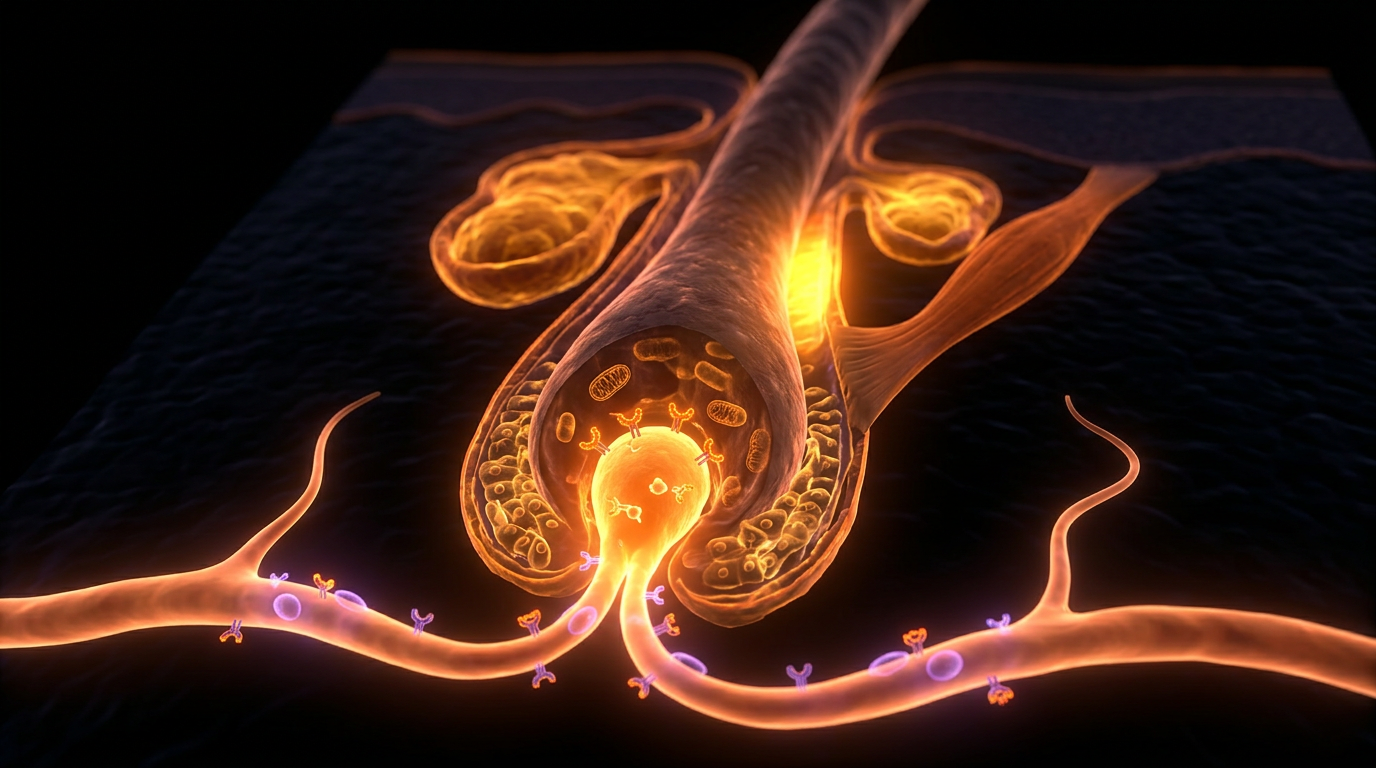
The interplay between insulin and hair loss occurs within the Dermal Papilla Cells (DPCs)—the "command centre" at the base of the hair follicle.
5-Alpha Reductase: The Enzyme Accelerator
The conversion of testosterone into the more potent DHT is facilitated by an enzyme called 5-alpha reductase. High levels of insulin and insulin-like growth factor-1 (IGF-1) have been shown to upregulate the activity of this enzyme.
When insulin levels are consistently elevated, the scalp’s 5-alpha reductase works overtime. This creates a localised "DHT storm" within the follicle. DHT binds to androgen receptors in the Dermal Papilla, triggering a signaling pathway that restricts blood flow (vasoconstriction) and inhibits the delivery of essential nutrients like oxygen and glucose to the hair matrix.
The IGF-1 Paradox
Insulin-like Growth Factor-1 (IGF-1) is structurally similar to insulin. While IGF-1 is necessary for hair growth in normal physiological amounts, hyperinsulinaemia disrupts the delicate balance of IGF-binding proteins. This leads to an over-activation of the IGF-1 receptors in the scalp, which, paradoxically, promotes the transition from the Anagen phase to the Catagen phase prematurely. Essentially, the hair is "forced" into retirement before its time.
Inflammation and Oxidative Stress
Insulin resistance is a pro-inflammatory state. High blood sugar causes the glycation of proteins (AGEs—Advanced Glycation End-products), which creates oxidative stress. For the hair follicle, this means the delicate micro-vasculature surrounding the bulb becomes inflamed and damaged. This "micro-inflammation" is a hallmark of androgenetic alopecia and is significantly exacerbated by the metabolic dysfunction of the host.
Callout Fact 2: Research suggests that men with early-onset male pattern baldness (before age 35) have a significantly higher risk of developing insulin resistance and cardiovascular disease. In the UK, early-onset balding is now being investigated as a clinical marker for metabolic syndrome in younger men.
---
Environmental Threats and Biological Disruptors
We do not live in a vacuum. The UK’s modern environment is specifically designed to promote insulin resistance and, by extension, hormonal hair loss.
The Ultra-Processed Food (UPF) Trap
The British diet is currently one of the most processed in Europe. High-fructose corn syrup, refined wheat flours, and "seed oils" (high in Omega-6) are the foundations of the modern UK diet. These substances are biological disruptors; they bypass satiety signals and cause massive insulin spikes.
Refined sugar, in particular, is a direct antagonist to hair. It promotes a state of "metabolic inflexibility" where the body cannot switch between burning sugar and burning fat, leading to the chronic hyperinsulinaemia that fuels androgen production.
Endocrine Disrupting Chemicals (EDCs)
Beyond the plate, our environment is saturated with EDCs—phthalates in shampoos, BPA in food linings, and pesticides in our produce. These chemicals often mimic oestrogen or disrupt androgen receptors. When combined with insulin resistance, these "xenoestrogens" further confuse the endocrine system, often leading to a state of "androgen dominance" even if total testosterone levels appear normal on a standard blood test.
The Sedentary Crisis
The lack of muscular contraction (movement) in the modern UK workforce means that glucose remains in the bloodstream longer. Skeletal muscle is the primary "sink" for glucose. Without regular movement, the pancreas must pump out more insulin to force glucose into resistant cells, maintaining the high-insulin state that destroys follicles.
---
The Cascade: From Exposure to Disease
The journey from a high-carb lunch to a thinning crown is a predictable biochemical cascade. It follows a specific "pathway of destruction" that can take years to manifest fully, but it begins at the cellular level almost immediately.
- —Stage 1: Chronic Glucose Loading. Frequent consumption of high-glycemic foods (bread, pasta, sugary snacks, "healthy" fruit juices) leads to repeated blood sugar spikes.
- —Stage 2: Compensatory Hyperinsulinaemia. The pancreas produces excessive insulin to manage the sugar. Over time, the body’s cells become "numb" to insulin, requiring even more of it to get the job done.
- —Stage 3: Hepatic SHBG Suppression. The liver, sensing high insulin, slows down the production of Sex Hormone-Binding Globulin. The "protective" buffer for your hormones is now gone.
- —Stage 4: Androgen Overflow. Free testosterone levels rise. In women, this may manifest as PCOS (Polycystic Ovary Syndrome) symptoms; in men, it accelerates the conversion to DHT.
- —Stage 5: Follicular Miniaturisation. DHT binds to the scalp follicles. The growth phase (Anagen) is truncated. Hairs grow back thinner and shorter (vellus hairs) until the follicle "atrophies."
- —Stage 6: Systemic Metabolic Disease. By the time the hair loss is noticeable, the individual often already has elevated triglycerides, high blood pressure, and visceral (belly) fat—the classic "Metabolic Syndrome."
Callout Fact 3: Polycystic Ovary Syndrome (PCOS), which is fundamentally driven by insulin resistance, affects approximately 1 in 10 women in the UK. Thinning hair is one of the most psychologically distressing symptoms of this metabolic condition, yet it is often treated with hormonal contraceptives rather than metabolic repair.
---
What the Mainstream Narrative Omits
The mainstream medical and pharmaceutical narrative regarding hair loss is strategically narrow. It focuses almost exclusively on "symptom management" rather than "causal resolution."
The "Genetic" Fallacy
You will often be told that hair loss is "genetic." While genetic predisposition (the number and sensitivity of androgen receptors) plays a role, epigenetics—how your environment interacts with your genes—is the true arbiter. Insulin resistance is the "light switch" that turns on the genetic predisposition for balding. Without the metabolic trigger, the "balding genes" might never fully express themselves.
The Profitability of Permanent Patients
The UK hair loss industry is worth hundreds of millions of pounds. Pharmacies and clinics profit from the lifetime use of:
- —Finasteride: A drug that inhibits 5-alpha reductase but can lead to significant side effects (sexual dysfunction, "post-finasteride syndrome").
- —Minoxidil: A vasodilator that helps blood flow but does nothing to address the underlying hormonal/insulin issue.
These are "band-aid" solutions. They do not ask *why* the DHT is high or *why* the blood flow is poor. By omitting the metabolic link, the mainstream narrative ensures that patients remain customers for life, tethered to pharmaceutical interventions while their metabolic health continues to decline in the background.
The Fasting Insulin Oversight
Standard NHS blood tests typically measure HbA1c (average blood sugar over 3 months) or Fasting Glucose. These are "late-stage" markers. Your blood sugar can remain "normal" for a decade while your insulin levels are skyrocketing to keep it that way. If a GP does not test Fasting Insulin (and calculate a HOMA-IR score), they are missing the earliest warning sign of both hair loss and Type 2 Diabetes.
Callout Fact 4: A study published in the *Lancet* indicates that metabolic health is a stronger predictor of age-related hair loss than chronological age itself. Despite this, "Metabolic Hair Health" is not currently a standard module in UK medical school curricula.
---
The UK Context
The United Kingdom presents a unique "perfect storm" for insulin-driven hair loss. Our dietary habits, combined with a healthcare system that is reactive rather than proactive, have led to a silent epidemic.
The "British Sandwich" Culture
The standard British lunch—often a meal deal consisting of a sandwich (refined flour), a bag of crisps (acelluar carbohydrates and seed oils), and a sugary drink—is a metabolic disaster. This combination creates a massive glucose spike followed by an insulin surge that stays elevated for hours. For the office worker sitting at a desk, this is a direct assault on the scalp's follicles every single day.
NHS Limitations
The NHS is currently under immense pressure, leading to "10-minute GP appointments." In this timeframe, it is impossible for a physician to counsel a patient on the intricate link between their sourdough bread habit, their insulin levels, and their thinning crown. The default path is a referral to a private hair transplant clinic or a prescription for a topical foam.
The Rise of "Skinny Fat" (TOFI)
A significant portion of the UK population falls into the category of TOFI (Thin on the Outside, Fat on the Inside). These individuals may look lean, but they carry visceral fat around their organs and are profoundly insulin resistant. These are the people who are often most confused by their hair loss, as they do not fit the "obese" profile of a metabolic patient. However, their follicles are reacting to the same internal insulin-androgen signaling as someone with overt Type 2 Diabetes.
---
Protective Measures and Recovery Protocols
Recovery of the hair follicle is possible, provided the follicle has not fully scarred over. The goal is to restore insulin sensitivity and reduce the androgenic load naturally.
1. Dietary Resynchronisation
The most effective way to lower insulin is to reduce the demand for it.
- —Eliminate Refined Carbohydrates: Remove bread, pasta, rice, and sugar for at least 90 days. Focus on "above-ground" vegetables.
- —Prioritise Protein and Healthy Fats: High-quality animal proteins and fats (eggs, grass-fed beef, wild-caught fish) provide the building blocks for hair (keratin) without spiking insulin.
- —The 16:8 Protocol: Intermittent fasting is one of the fastest ways to lower fasting insulin levels and give the follicle's receptors a "reset."
2. Strategic Supplementation
While diet is primary, certain nutrients can accelerate the restoration of insulin sensitivity:
- —Inositol (specifically Myo-inositol): Proven to improve insulin sensitivity and frequently used in treating PCOS-related hair loss.
- —Berberine: A potent botanical that works similarly to the drug Metformin to lower blood glucose and insulin levels.
- —Zinc and Saw Palmetto: Natural 5-alpha reductase inhibitors that can help reduce the conversion of testosterone to DHT while you fix your metabolism.
- —Magnesium: Essential for insulin receptor function; most UK adults are chronically deficient.
3. Resistance Training
Skeletal muscle is "metabolic real estate." By lifting weights or performing bodyweight resistance exercises, you create a high demand for glucose. This improves insulin sensitivity significantly more than "cardio" (like jogging), which can sometimes elevate cortisol—another hormone that can trigger hair shedding (telogen effluvium).
4. Scalp Stimulation
To counteract the vasoconstriction caused by DHT, physical stimulation is necessary.
- —Scalp Massage: 10 minutes of daily mechanical massage has been shown to upregulate signaling proteins in the dermal papilla.
- —Cold Exposure: Cold showers can improve systemic circulation and metabolic rate.
Callout Fact 5: The UK Government's "Better Health" campaign notes that losing just 5% of body weight (if overweight) can significantly improve insulin sensitivity. For the scalp, this 5% reduction can be the difference between continued thinning and the stabilisation of hair density.
---
Summary: Key Takeaways
The link between insulin resistance and hair loss is an undeniable biological reality that is currently being ignored by the mainstream medical establishment. If we are to address the epidemic of thinning hair in the UK, we must look beyond the scalp and into the blood.
- —Insulin is the Trigger: High levels of insulin drive down SHBG and drive up DHT, the hormone responsible for killing hair follicles.
- —Metabolic Markers Matter: Fasting insulin and HOMA-IR are more important for hair health than any topical treatment.
- —Environment is Key: The UK’s reliance on ultra-processed foods and sedentary lifestyles is the primary driver of premature balding and thinning.
- —The Narrative is Incomplete: Genetics are not destiny. You have epigenetic control over your hair growth through metabolic management.
- —Root Cause Resolution: To save your hair, you must fix your metabolism. Lowering insulin through diet, fasting, and movement is the only sustainable way to preserve the follicle.
At INNERSTANDING, we believe that your health is your sovereignty. Understanding the metabolic link to hair loss is the first step in reclaiming that sovereignty. The crown you wear is a reflection of the health within; feed your body correctly, manage your insulin, and your follicles will follow suit.
*
"References & Further Reading:"
- —*Starka, L., et al. (2005). "Hormonal profile of men with premature androgenetic alopecia."*
- —*Nardo, L. G., et al. (2003). "Insulin resistance and polycystic ovary syndrome."*
- —*UK National Statistics: "Health Survey for England: Adult Health and Obesity."*
- —*INNERSTANDING Internal Database: "The Impact of UPFs on Endocrine Function."*
This article is provided for informational and educational purposes only. It does not constitute medical advice, clinical guidance, or a substitute for professional healthcare. Information reflects cited research at time of publication. Always consult a qualified healthcare professional before acting on any health information.
RESEARCH FOUNDATIONS
Biological Credibility Archive
Citations provided for educational reference. Verify via PubMed or institutional databases.
Medical Disclaimer
The information in this article is for educational purposes only and does not constitute medical advice, diagnosis, or treatment. Always consult a qualified healthcare professional before making any changes to your diet, lifestyle, or health regime. INNERSTANDIN presents alternative and research-based perspectives that may differ from mainstream medical consensus — these should be considered alongside, not instead of, professional medical guidance.
Read Full DisclaimerReady to learn more?
Continue your journey through our classified biological research.
DISCUSSION ROOM
Members of THE COLLECTIVE discussing "Insulin Resistance and Androgens: The Metabolic Link to Thinning Hair"
SILENT CHANNEL
Be the first to discuss this article. Your insight could help others understand these biological concepts deeper.
THE ARSENAL
Based on Hair Health & Follicle Biology — products curated by our research team for educational relevance and biological support.
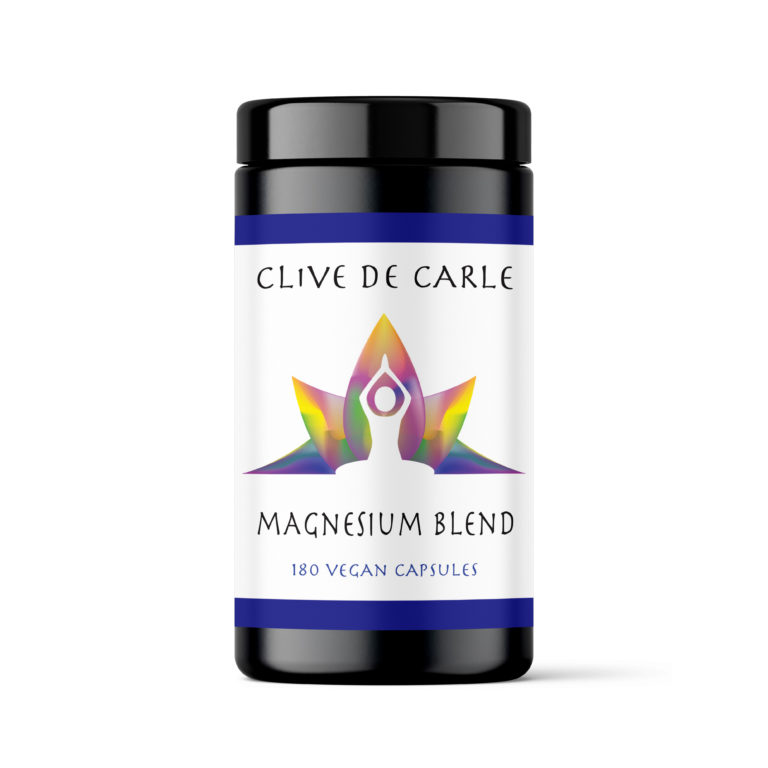
Magnesium Blend – The Most Important Mineral

Clean Slate – Detoxes thousands of chemicals,heavy metals, pesticides, allergens, mold spores and fungus
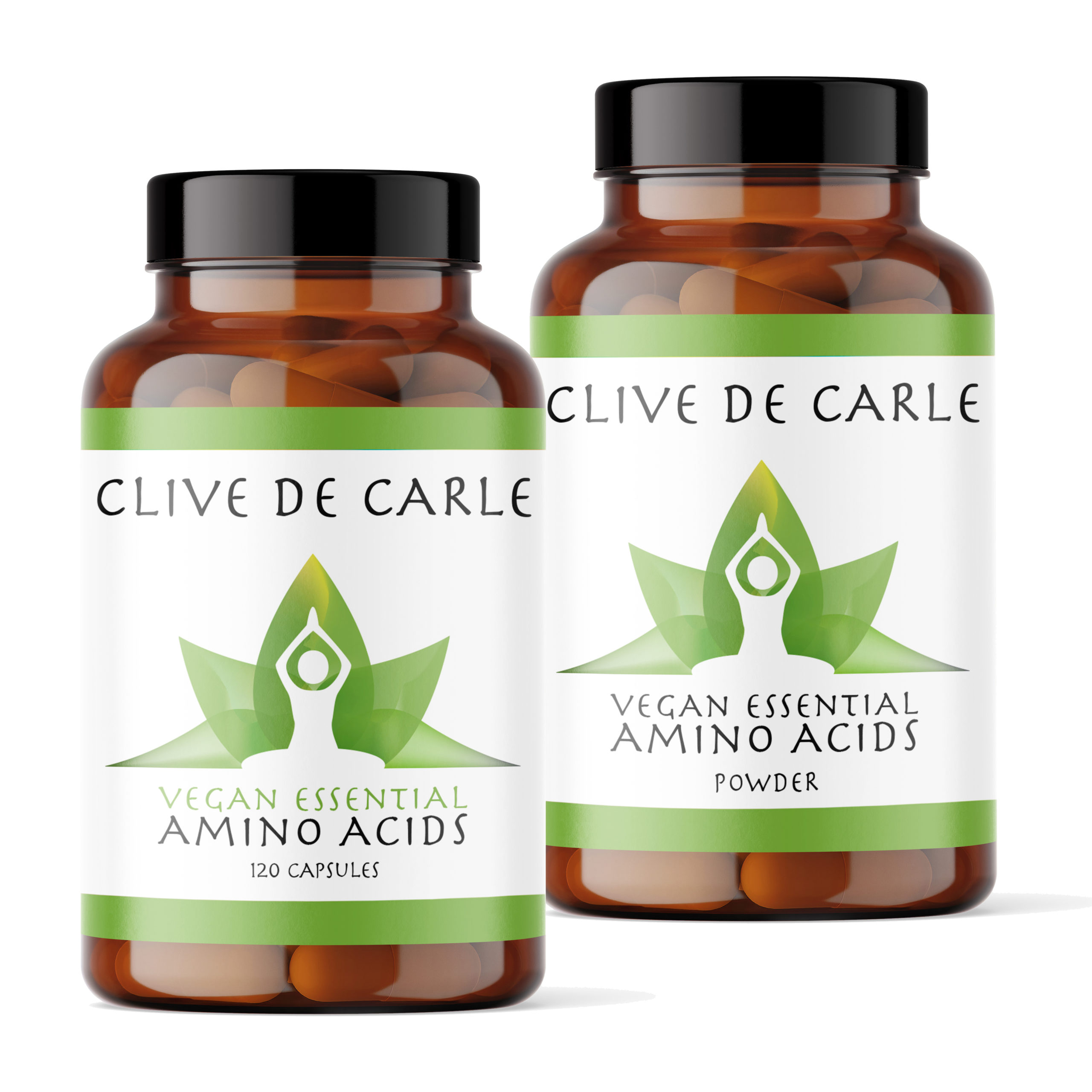
Vegan Essential Amino Acids – Plant-Powered Protein Building
INNERSTANDING may earn a commission on purchases made through these links. All products are selected based on rigorous educational relevance to our biological research.
RABBIT HOLE
Follow the biological thread deeper