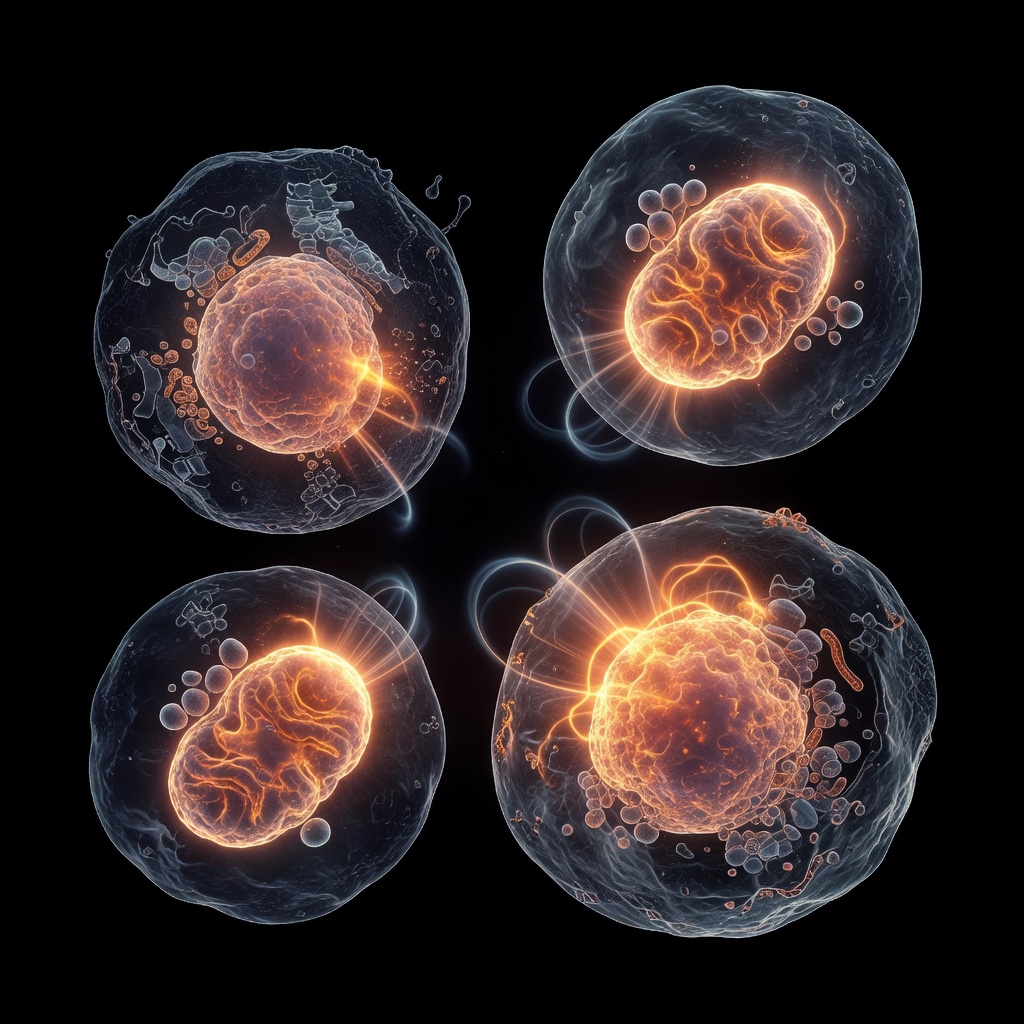
Invisible Infiltrators: Nanoparticulate Air Pollution and the Erosion of Astrocyte End-Foot Integrity
An in-depth exploration of how ultrafine air pollutants bypass biological defenses to compromise the structural integrity of astrocyte end-feet, leading to Blood-Brain Barrier dysfunction and neuroinflammation.
# The Invisible Siege: Understanding Nanoparticulate Pollution. In the urban landscapes of the United Kingdom and across the globe, a silent environmental crisis is unfolding within the microscopic realm. While public health discourse has traditionally focused on larger particles like PM10, it is the ultrafine particles (UFPs) or nanoparticulate matter (NPM) — those less than 0.1 microns in diameter — that pose the most insidious threat to neurological health. These particles, primarily derived from combustion processes, industrial emissions, and tyre wear, are so small they can bypass the body's natural filtration systems. Emerging research suggests that once inhaled or ingested, these nanoparticles can breach the most secure vault in the human body: the Blood-Brain Barrier (BBB).
Specifically, they target the structural cornerstone of this barrier, the astrocyte end-feet, leading to a cascade of neurovascular decay. # The Architecture of the Blood-Brain Barrier (BBB). To understand the impact of pollution, one must first appreciate the elegance of the BBB. It is not merely a physical wall but a dynamic, multicellular interface known as the Neurovascular Unit (NVU). This unit consists of endothelial cells, pericytes, neurons, and, crucially, astrocytes. Astrocytes are star-shaped glial cells that act as the primary mediators between the blood supply and the brain's neuronal networks.
Their specialized processes, known as 'end-feet', wrap around the cerebral capillaries, covering over 99% of the vascular surface. These end-feet serve several vital functions: they regulate blood flow, transport nutrients, and maintain the tight junctions between endothelial cells that prevent toxins from entering the brain. When the structural integrity of these end-feet is compromised, the entire security system of the brain begins to fail. # Translocation: How Nanoparticles Breach the Brain. Nanoparticles possess a unique ability to travel through the human body in ways larger particles cannot. There are two primary routes of entry into the central nervous system (CNS).
The first is the olfactory pathway; nanoparticles inhaled through the nose can bypass the BBB entirely by traveling along the olfactory nerve, moving directly from the nasal epithelium into the olfactory bulb of the brain. The second is the systemic route, where particles enter the bloodstream via the alveolar-capillary interface in the lungs. Once in circulation, these particles — often composed of heavy metals like magnetite or organic compounds like polycyclic aromatic hydrocarbons — interact with the endothelial lining of the brain. Their small size and high surface-area-to-volume ratio allow them to induce oxidative stress and trigger inflammatory signaling that increases the permeability of the barrier, granting them access to the delicate astrocyte end-feet. # The Impact on Astrocyte End-Foot Structural Integrity. The core of the issue lies in the molecular 'anchors' that hold astrocyte end-feet in place.
These end-feet are attached to the vascular basement membrane through a complex of proteins, including dystroglycan and aquaporin-4 (AQP4). Nanoparticulate matter induces a state of chronic oxidative stress within the NVU. This stress activates enzymes known as Matrix Metalloproteinases (MMPs), specifically MMP-9. MMPs are designed to remodel tissues, but when overactivated by pollution, they begin to 'digest' the proteins that anchor the astrocyte end-feet to the blood vessels. This process, known as end-foot decoupling or retraction, causes the astrocyte processes to pull away from the capillaries.
This retraction has catastrophic effects. Without the physical presence and signaling of the end-feet, the tight junctions between endothelial cells weaken (a process involving the loss of claudin-5 and occludin). Furthermore, the polarized distribution of AQP4 water channels is disrupted. Instead of being concentrated at the end-feet to facilitate the 'glymphatic' clearance of waste, AQP4 becomes redistributed across the entire cell body. This leads to impaired waste removal and localized swelling, known as cytotoxic edema. # Root-Cause Consequences: From Inflammation to Neurodegeneration.
The breakdown of astrocyte end-foot integrity is not an isolated event; it is the root cause of a broader neuroinflammatory landscape. As the BBB becomes 'leaky,' peripheral immune cells and systemic inflammatory cytokines flood into the brain parenchyma. This 'unfiltered' entry triggers the activation of microglia — the brain's resident immune cells. Activated microglia release further pro-inflammatory markers, creating a feedback loop of chronic neuroinflammation. Long-term exposure to NPM and the subsequent erosion of astrocyte integrity have been linked to the hallmarks of neurodegenerative diseases.
In regions with high air pollution, autopsies have revealed the presence of combustion-derived nanoparticles inside the brain, surrounded by amyloid-beta plaques and tau tangles — the signature markers of Alzheimer’s disease. The failure of the glymphatic system (driven by AQP4 redistribution) means that these toxic proteins are no longer efficiently cleared during sleep, accelerating the progression of cognitive decline. # Protecting the Brain: A Root-Cause Approach. Addressing the impact of nanoparticulate pollution requires a dual approach: systemic change and individual resilience. On a systemic level, the reduction of ultrafine particle emissions from transport and industry is paramount. The UK’s transition toward cleaner energy and the implementation of Clean Air Zones are steps in the right direction, but they often overlook the 'invisible' PM0.1 fraction.
On an individual level, supporting the structural integrity of the BBB involves targeting the mechanisms of oxidative stress. A diet rich in phytonutrients, particularly those that can cross the BBB like sulforaphane or certain flavonoids, can help neutralize the free radicals generated by nanoparticles. Furthermore, ensuring high-quality sleep is essential, as the glymphatic system requires optimal astrocyte function to flush out the daily accumulation of environmental toxins. # Conclusion. The structural integrity of astrocyte end-feet is the linchpin of neurological health. As we continue to navigate an increasingly polluted world, understanding the microscopic interactions between nanoparticulate matter and the neurovascular unit is vital.
By focusing on the root causes of BBB disruption — namely oxidative stress and protein degradation — we can better advocate for environmental standards and lifestyle interventions that protect the brain from the silent infiltration of air pollution.
This article is provided for informational and educational purposes only. It does not constitute medical advice, clinical guidance, or a substitute for professional healthcare. Information reflects cited research at time of publication. Always consult a qualified healthcare professional before acting on any health information.
RESEARCH FOUNDATIONS
Biological Credibility Archive
Citations provided for educational reference. Verify via PubMed or institutional databases.
Medical Disclaimer
The information in this article is for educational purposes only and does not constitute medical advice, diagnosis, or treatment. Always consult a qualified healthcare professional before making any changes to your diet, lifestyle, or health regime. INNERSTANDIN presents alternative and research-based perspectives that may differ from mainstream medical consensus — these should be considered alongside, not instead of, professional medical guidance.
Read Full DisclaimerReady to learn more?
Continue your journey through our classified biological research.
RABBIT HOLE
Follow the biological thread deeper