
Iodine Displacement: The Biochemical Rivalry in the Thyroid
Updated May 2026
The article details the halogenic competition where fluoride displaces iodine in the thyroid gland. It connects this mechanism to the rising rates of hypothyroidism across fluoridated regions of the UK.
Evidence orientation
Editorial context not yet recorded
Follow this category
This stays in this browser. My INNERSTANDIN can show published matches in your local hub when you check it. It does not send email, push, or alert notifications.
Local learning review
A private browser aid for revisiting ideas. It is not an alert or a health recommendation.
Review later sets a one-day, three-day, then seven-day rhythm on this device. Choose it only when you want to revisit this article.
Overview
In the intricate machinery of the human endocrine system, the thyroid gland serves as the master regulator of metabolism, growth, and neurological development. It is a butterfly-shaped sentinel situated in the neck, responsible for secreting hormones that dictate the pace at which every cell in the body operates. However, this vital organ is currently the site of a silent, microscopic turf war. This conflict is known as halogen displacement, a biochemical rivalry where industrial chemicals—most notably fluoride—compete for the same biological receptors as iodine, the essential mineral upon which thyroid health depends.
For decades, public health policy in the United Kingdom and globally has operated under the assumption that the addition of fluoride to municipal water supplies is a benign necessity for dental hygiene. Yet, when viewed through the lens of molecular biology and the periodic table, a darker narrative emerges. The thyroid gland possesses an insatiable hunger for iodine; it is the only organ that requires this element in significant quantities. But due to the principles of the Halogen Group in chemistry, elements like fluoride, chlorine, and bromine can mimic iodine’s electronic signature, effectively "locking out" the genuine mineral from the thyroid’s receptors.
This article serves as a comprehensive investigation into the mechanisms of iodine displacement. We will explore how the systematic fluoridation of water, particularly in the UK, has coincided with a dramatic rise in hypothyroidism and metabolic dysfunction. We will peel back the layers of mainstream dental dogma to reveal a biochemical vulnerability that is being exploited by environmental toxins, leading to a cascade of chronic disease that the current medical establishment often fails to link to its source.
Fact: The thyroid gland is the only organ in the human body capable of absorbing iodine. Every single cell in the body, however, has receptors for thyroid hormones, meaning thyroid disruption has systemic consequences.
The Biology — How It Works
To understand the rivalry between iodine and fluoride, one must first understand the Hypothalamus-Pituitary-Thyroid (HPT) Axis. This is the body’s internal thermostat. When the brain senses a drop in metabolic rate, the hypothalamus releases Thyrotropin-Releasing Hormone (TRH), which signals the pituitary gland to release Thyroid-Stimulating Hormone (TSH). This TSH then prompts the thyroid to produce two primary hormones: Thyroxine (T4) and Triiodothyronine (T3).
The numbers '4' and '3' in these hormones refer to the number of iodine atoms attached to the tyrosine backbone of the molecule. Without iodine, these hormones cannot be synthesised.
The Halogen Group Hierarchy
In the Periodic Table of Elements, Group 17 is known as the Halogens. This group includes:
- Fluorine (F)
- Chlorine (Cl)
- Bromine (Br)
- Iodine (I)
These elements share similar chemical properties because they all possess seven electrons in their outer shells. In chemistry, the Law of Displacement dictates that elements with a lower atomic weight and higher electronegativity can displace those with a higher atomic weight and lower electronegativity.
Atomic Size and Competition
Fluorine is the most reactive and electronegative element in existence. It is significantly smaller and more aggressive than iodine. When fluoride enters the bloodstream—whether through drinking water, toothpaste, or dental treatments—it travels to the thyroid gland. Because the thyroid is designed to "trap" halogens (specifically iodine), it cannot always distinguish between the essential iodine it needs and the toxic fluoride it is being fed.
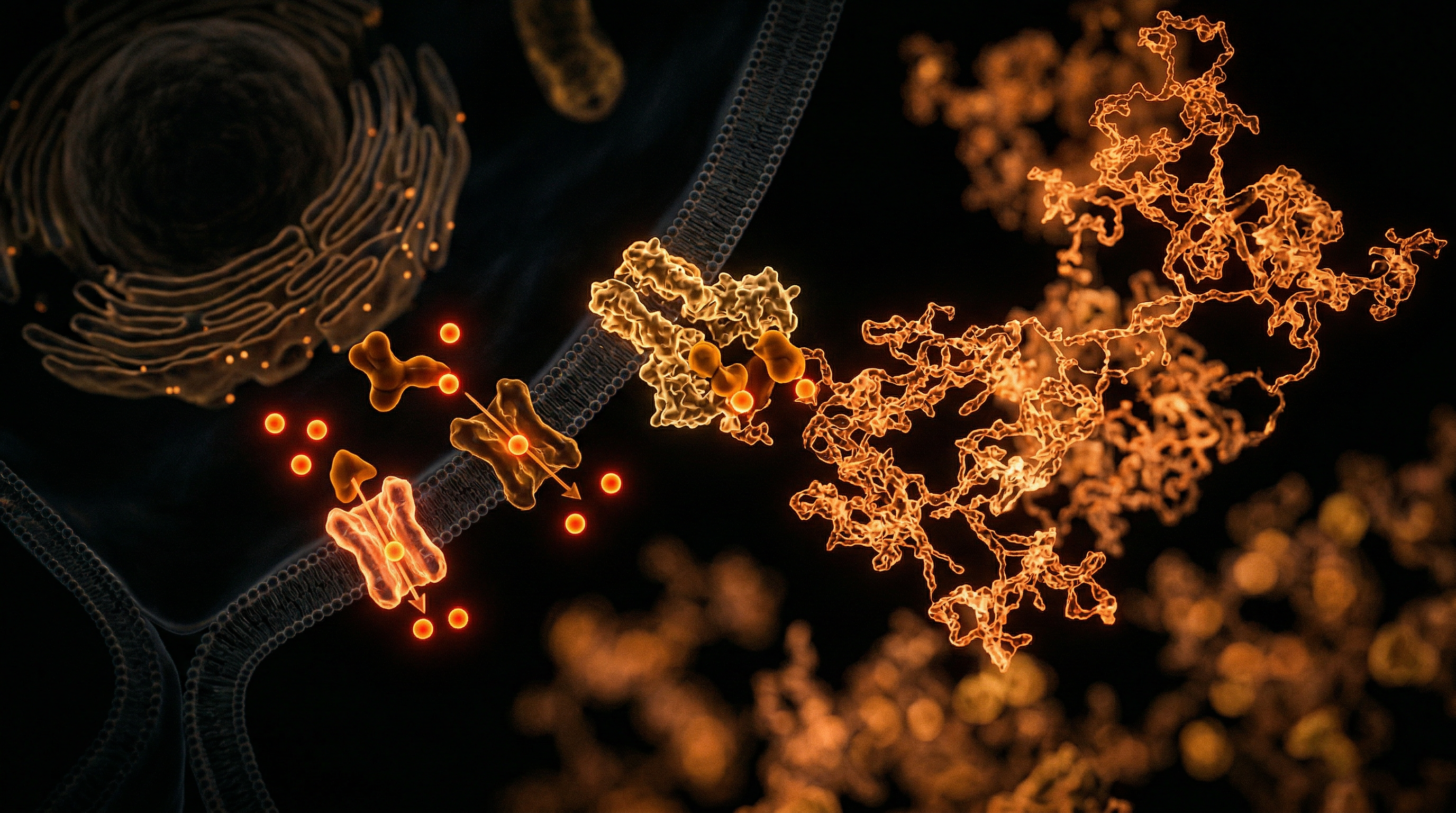
When the concentration of fluoride is high, or when iodine levels are chronically low (as is the case for much of the British population), fluoride takes the place of iodine in the Sodium-Iodide Symporter (NIS). This is the "gateway" into the thyroid cell. Once fluoride occupies these sites, iodine is "displaced" and excreted via urine, leaving the thyroid starved of its primary fuel.
Statistic: Research indicates that the United Kingdom is now one of the top ten iodine-deficient nations in the developed world, a factor that significantly increases vulnerability to fluoride-induced thyroid damage.
Mechanisms at the Cellular Level
The interference of fluoride does not end at the gateway. Its disruptive influence extends deep into the cellular architecture of the thyroid follicle, where it wreaks havoc on the enzymes and transport proteins essential for life.
Inhibition of Thyroid Peroxidase (TPO)
Thyroid Peroxidase is the enzyme responsible for "organifying" iodine—attaching it to the protein thyroglobulin to create thyroid hormones. Research has demonstrated that fluoride acts as a potent inhibitor of TPO activity. By binding to the active sites of this enzyme, fluoride prevents the conversion of iodide into its usable form. The result is a thyroid gland that may appear structurally normal but is biochemically "frozen," unable to manufacture sufficient T4.
G-Protein Signalling Interference
One of the most insidious ways fluoride disrupts the thyroid is through its effect on G-proteins. G-proteins act as molecular switches that transmit signals from outside the cell (like TSH) to the interior of the cell. Fluoride, particularly in the form of aluminium-fluoride complexes, mimics the structure of phosphate. This allows it to "trick" G-proteins into a permanent "on" or "off" state.
When fluoride interferes with G-protein signalling, the thyroid cell no longer responds correctly to TSH. Even if the pituitary gland is screaming for more hormone production, the message is lost in translation at the cellular membrane. This leads to the clinical presentation of "Subclinical Hypothyroidism," where TSH is elevated but the body remains in a hypometabolic state.
The Deiodinase Blockade
Once T4 is produced, it must be converted into the active T3 form. This conversion happens primarily in the liver, kidneys, and peripheral tissues via enzymes called Deiodinases. These enzymes are selenium-dependent.
- Fluoride has been shown to deplete selenium levels and interfere with deiodinase activity.
- If T4 cannot be converted to T3, the cells remain starved of energy, regardless of how much T4 is circulating in the blood.
- This creates a "cellular hypothyroidism" that is frequently missed by standard NHS blood tests, which often only measure TSH or T4.
Mitochondrial Toxicity
The thyroid's ultimate purpose is to regulate mitochondrial function—the "powerhouses" of our cells. Fluoride is a known mitochondrial poison. It disrupts the Electron Transport Chain, leading to reduced ATP (energy) production and an increase in Reactive Oxygen Species (ROS). This oxidative stress damages the thyroid cells themselves, potentially triggering an autoimmune response known as Hashimoto’s Thyroiditis.
Environmental Threats and Biological Disruptors
While fluoride is the primary antagonist in our discussion, the modern inhabitant of the UK is besieged by a "Halogen Cocktail." The displacement of iodine is a cumulative process driven by multiple environmental factors.
1. Bromine: The Silent Rival
Bromine is perhaps the most pervasive iodine-displacer after fluoride. It is found in:
- Polybrominated Diphenyl Ethers (PBDEs): Used as flame retardants in UK furniture, carpets, and electronics.
- Pesticides: Used in industrial agriculture.
- Bakery Products: As potassium bromate (though banned in food in the UK, it is often found in imported goods and remains a legacy environmental pollutant).
Bromine competes directly with iodine for the same receptors in the thyroid and the breasts (another organ that requires high iodine levels).
2. Chlorine: The Ubiquitous Oxidiser
Chlorine is used to disinfect almost the entirety of the UK's water supply. While necessary for preventing cholera and other waterborne diseases, the trihalomethanes (THMs) formed when chlorine reacts with organic matter are highly toxic. Like fluoride, chlorine is a smaller, more electronegative halogen that can displace iodine, especially when one is frequently exposed via hot showers (vapour inhalation) or swimming pools.
3. Perchlorate: The Competitive Inhibitor
Though not a halogen itself, perchlorate (a component of rocket fuel and certain fertilisers) is a powerful competitive inhibitor of the Sodium-Iodide Symporter. It is frequently found in groundwater and even in the food chain. It is "stickier" than iodine, meaning it binds to the thyroid's transport system with far greater affinity, effectively locking iodine out.
Callout: In regions of the UK where water is both fluoridated and high in chlorine, the "Halogen Load" on the thyroid can be 10 to 50 times higher than natural levels, making iodine deficiency almost inevitable.
The Cascade: From Exposure to Disease
The displacement of iodine by fluoride does not manifest as an overnight illness. It is a slow, erosive process—a "cascade" that gradually degrades the metabolic integrity of the individual.
Phase 1: Subclinical Dysfunction
Initially, the body compensates. The pituitary gland increases TSH production to force the thyroid to work harder. The patient may feel "tired but wired," experiencing mild brain fog or cold extremities. At this stage, a GP will often tell the patient their "bloods are normal" because they fall within the wide standard reference ranges.
Phase 2: Metabolic Deceleration
As fluoride accumulation increases and iodine stores are depleted, T3 levels begin to drop. Metabolism slows down.
- Weight Gain: The body can no longer efficiently burn fat for fuel.
- Depression: T3 is essential for serotonin receptors in the brain.
- Hypercholesterolaemia: The liver requires T3 to clear LDL cholesterol; without it, "bad" cholesterol levels rise, regardless of diet.
Phase 3: Structural Changes and Autoimmunity
Chronic iodine displacement often leads to the formation of goitres (enlargement of the thyroid) or nodules as the gland attempts to increase its surface area to catch any stray iodine molecules. Simultaneously, the damage caused by fluoride-induced oxidative stress can cause the immune system to misidentify thyroid tissue as a threat, leading to Hashimoto’s Disease.
Phase 4: Neurological Impact
Because thyroid hormones are critical for the development and maintenance of the central nervous system, chronic displacement has profound effects on IQ and cognitive function. Multiple studies have now linked high fluoride exposure to lowered IQ in children—a direct result of maternal thyroid disruption during pregnancy.
What the Mainstream Narrative Omits
The refusal of public health bodies to acknowledge the iodine-fluoride rivalry is one of the most significant oversights in modern medicine. The mainstream narrative remains focused almost exclusively on the "dental benefits" of fluoride, while ignoring the systemic endocrinological costs.
The "Safe Level" Fallacy
Authorities often cite "1 part per million (ppm)" as the safe level for water fluoridation. However, this figure does not account for the total body burden. An individual consumes fluoride from:
- Tap water
- Beverages made with tap water (tea/coffee)
- Pesticide residues on food
- Fluoridated toothpaste
- Dental varnishes
- Pharmaceutical drugs (many antidepressants and antibiotics are fluorinated)
When these sources are combined, the dose is frequently high enough to suppress thyroid function, particularly in "sensitive" populations or those with pre-existing iodine deficiency.
The Omission of Iodine Ratios
Medical training rarely emphasises the Iodine-to-Fluoride ratio. In toxicology, the toxicity of a substance is often dependent on the presence of its antagonist. Fluoride is significantly more toxic in an iodine-deficient state. By ignoring iodine status, the NHS and other health bodies are effectively blind to the mechanism by which fluoride causes harm.
Financial and Political Inertia
The infrastructure for water fluoridation is expensive and deeply entrenched in British public health policy. To admit that fluoride is a thyroid disruptor would be to admit to a decades-long public health error with massive legal and financial implications. Consequently, the "science" presented to the public is often curated to exclude studies showing thyroid suppression, focusing instead on dated dental metrics.
Fact: In the mid-20th century, fluoride was actually used as a medicine (specifically, Fluorotyrosine) to suppress the thyroid in patients suffering from hyperthyroidism (Overactive thyroid). The dose used to suppress an overactive thyroid is strikingly similar to the dose many people now receive through fluoridated water.
The UK Context
The United Kingdom occupies a unique position in the fluoride debate. Unlike many European nations (such as Germany, France, and the Netherlands) that have rejected or ceased water fluoridation, the UK government has recently moved to expand the practice.
The Health and Care Act 2022
The passage of the Health and Care Act 2022 transferred the power to mandate water fluoridation from local authorities directly to the Secretary of State for Health. This move was designed to bypass local opposition and pave the way for a national rollout, particularly in the North of England and the West Midlands.
The North-South Divide in Thyroid Health
Epidemiological data reveals a disturbing trend. Regions in the UK with mandatory fluoridation—such as Birmingham, Newcastle, and parts of Cumbria—show significantly higher rates of hypothyroidism diagnoses compared to non-fluoridated areas like the South East or Scotland.
- A landmark study published in the Journal of Epidemiology and Community Health (Peckham et al., 2015) analysed data from nearly every GP practice in England.
- The study found that locations with fluoridated water were twice as likely to report high rates of hypothyroidism.
- In some fluoridated areas, the prevalence of thyroid underactivity was 30% higher than the national average.
The "York Review" and the Lack of Evidence
Despite the UK government's insistence on the safety of fluoride, the 2000 "York Review" (a systematic review of water fluoridation) concluded that there was a surprising lack of high-quality evidence regarding the systemic health effects of fluoride. Decades later, that evidence gap has been filled by independent researchers, but the policy remains unchanged, prioritising dental enamel over the endocrine health of millions.
Protective Measures and Recovery Protocols
If you live in a fluoridated area of the UK, the "Biochemical Rivalry" is already taking place within your body. However, the process of iodine displacement is not irreversible. Through targeted nutritional intervention and environmental changes, you can reclaim your thyroid's receptors.
1. Iodine Repletion
The most direct way to counter fluoride displacement is to increase the presence of iodine. When iodine levels are high, the "competition" for receptors shifts back in favour of the essential mineral.
- Source: High-quality Lugol’s Iodine (a mixture of molecular iodine and potassium iodide) is often considered the gold standard.
- Diet: Increase intake of wild-caught fish and seaweed (Kelp, Dulse, Wakame).
- Caution: Iodine supplementation should be started slowly and ideally under the guidance of a practitioner, as it can trigger "detox" symptoms (the Halogen Flush) as bromide and fluoride are pushed out of the tissues.
2. The Selenium Connection
Iodine and Selenium are partners. Taking iodine without selenium can, in some cases, increase oxidative stress in the thyroid.
- Role: Selenium protects the thyroid from oxidative damage and is essential for the T4 to T3 conversion.
- Source: Two to three Brazil nuts per day provide the RDA of selenium for most adults.
3. Water Filtration
Standard carbon filters (like Brita) do not remove fluoride. To eliminate the fluoride rivalry from your drinking water, you must use:
- Reverse Osmosis (RO): The most effective method for removing 90-95% of fluoride.
- Activated Alumina Filters: Specifically designed to target fluoride.
- Distillation: Highly effective but requires remineralisation of the water afterward.
4. Eliminating Other Halogens
- Switch to Fluoride-Free Toothpaste: The absorption through the sublingual mucosa (under the tongue) is highly efficient.
- Avoid Brominated Flour: Choose organic, locally sourced British sourdough or artisan breads that do not use dough conditioners.
- Filter Your Shower: Use a high-quality shower filter to reduce chlorine inhalation and absorption.
5. Fulvic and Humic Acids
These natural substances can act as organic chelators, helping to bind to and remove heavy metals and halides from the bloodstream, facilitating the excretion of accumulated fluoride.
Recovery Tip: When starting an iodine protocol, many people experience "brain fog" or skin breakouts. This is often not a reaction to the iodine itself, but the result of Bromide/Fluoride Detoxification as the displaced toxins enter the bloodstream for elimination. Increasing sea salt intake and water consumption can help flush these toxins.
Summary: Key Takeaways
The "Iodine Displacement" phenomenon is a critical but ignored factor in the modern epidemic of fatigue, weight gain, and mental health struggles.
- Chemical Mimicry: Fluoride, bromine, and chlorine share Group 17 of the periodic table with iodine. Because they are smaller and more reactive, they "bully" iodine out of the thyroid's receptors.
- The UK Crisis: The systematic fluoridation of British water supplies, coupled with widespread iodine deficiency, has created a "perfect storm" for thyroid suppression.
- Enzymatic Interference: Fluoride doesn't just block iodine; it poisons the enzymes (TPO) and transport proteins (NIS) that allow the thyroid to function.
- Systemic Impact: Thyroid disruption isn't just about the neck; it affects IQ, heart health, cholesterol levels, and the immune system.
- Testing Blind Spots: Standard NHS TSH tests often fail to catch cellular-level hypothyroidism caused by halogen displacement.
- Proactive Protection: Protecting the thyroid requires a dual approach: Reducing Halogen Exposure (filtering water, changing toothpaste) and Increasing Iodine/Selenium Intake to outcompete the toxins.
In the battle for your metabolic health, the thyroid is the front line. Understanding the biochemical rivalry between iodine and its toxic cousins is the first step in reclaiming your energy, your clarity, and your long-term vitality. The mainstream narrative may continue to overlook this displacement, but the chemistry of the human body remains an absolute truth. It is time to stop the displacement and start the restoration.
This article is provided for informational and educational purposes only. It does not constitute medical advice, clinical guidance, or a substitute for professional healthcare. Information reflects cited research at time of publication. Always consult a qualified healthcare professional before acting on any health information.
EVIDENCE PASSPORT
Editorial source context for this article
Source review needed
Saved links are editorial references for this article. They may support specific claims rather than every sentence. Open and assess each source in context. This passport does not independently verify them.
Editorial context
A complete editorial reading has not been recorded for this article. Source links remain available for you to open and assess directly.
Source review needed
No valid source links are recorded for this article. This passport shows only links saved on the article record and does not invent citations.
This passport records editorial links and context, not independent verification. Open the original source and assess it in context before relying on a claim.
Medical Disclaimer
The information in this article is for educational purposes only and does not constitute medical advice, diagnosis, or treatment. Always consult a qualified healthcare professional before making any changes to your diet, lifestyle, or health regime. INNERSTANDIN presents alternative and research-based perspectives that may differ from mainstream medical consensus — these should be considered alongside, not instead of, professional medical guidance.
Read Full DisclaimerContinue the thread
Keep this question moving.
Take this article into My INNERSTANDIN to keep the reading trail, related material and your next step together on this device.
Explore this in the Body Map
See where this hits your biology. Interactive anatomy, threats, and protective protocols.
Dig deeper in the Library
Free, longform PDF volumes that go beyond headlines into mechanisms and references.