
Ipamorelin and CJC-1295: The Science of Growth Hormone Secretagogues in Cellular Repair
Updated June 2026
Growth Hormone Secretagogues (GHS) like Ipamorelin and CJC-1295 offer a sophisticated way to stimulate the body's natural production of Growth Hormone. This article explores how these peptides support metabolic health, body composition, and cellular regeneration without the side effects of synthetic GH.
Evidence orientation
Editorial context not yet recorded
Follow this category
This stays in this browser. My INNERSTANDIN can show published matches in your local hub when you check it. It does not send email, push, or alert notifications.
Local learning review
A private browser aid for revisiting ideas. It is not an alert or a health recommendation.
Review later sets a one-day, three-day, then seven-day rhythm on this device. Choose it only when you want to revisit this article.
Overview
The therapeutic landscape of regenerative medicine has shifted decisively from the administration of exogenous, recombinant human Growth Hormone (rhGH) toward the more physiologically congruent application of Growth Hormone Secretagogues (GHS). At the vanguard of this shift are Ipamorelin and CJC-1295, two distinct yet complementary peptides that orchestrate a sophisticated modulation of the hypothalamic-pituitary-somatotropic axis. Unlike traditional GH therapy, which often induces supra-physiological peaks followed by metabolic refractory periods, these secretagogues leverage endogenous feedback loops to optimise cellular repair mechanisms. At INNERSTANDIN, we deconstruct these molecular pathways to expose the reality of how these compounds bypass the inhibitory constraints of somatostatin to restore systemic vitality.
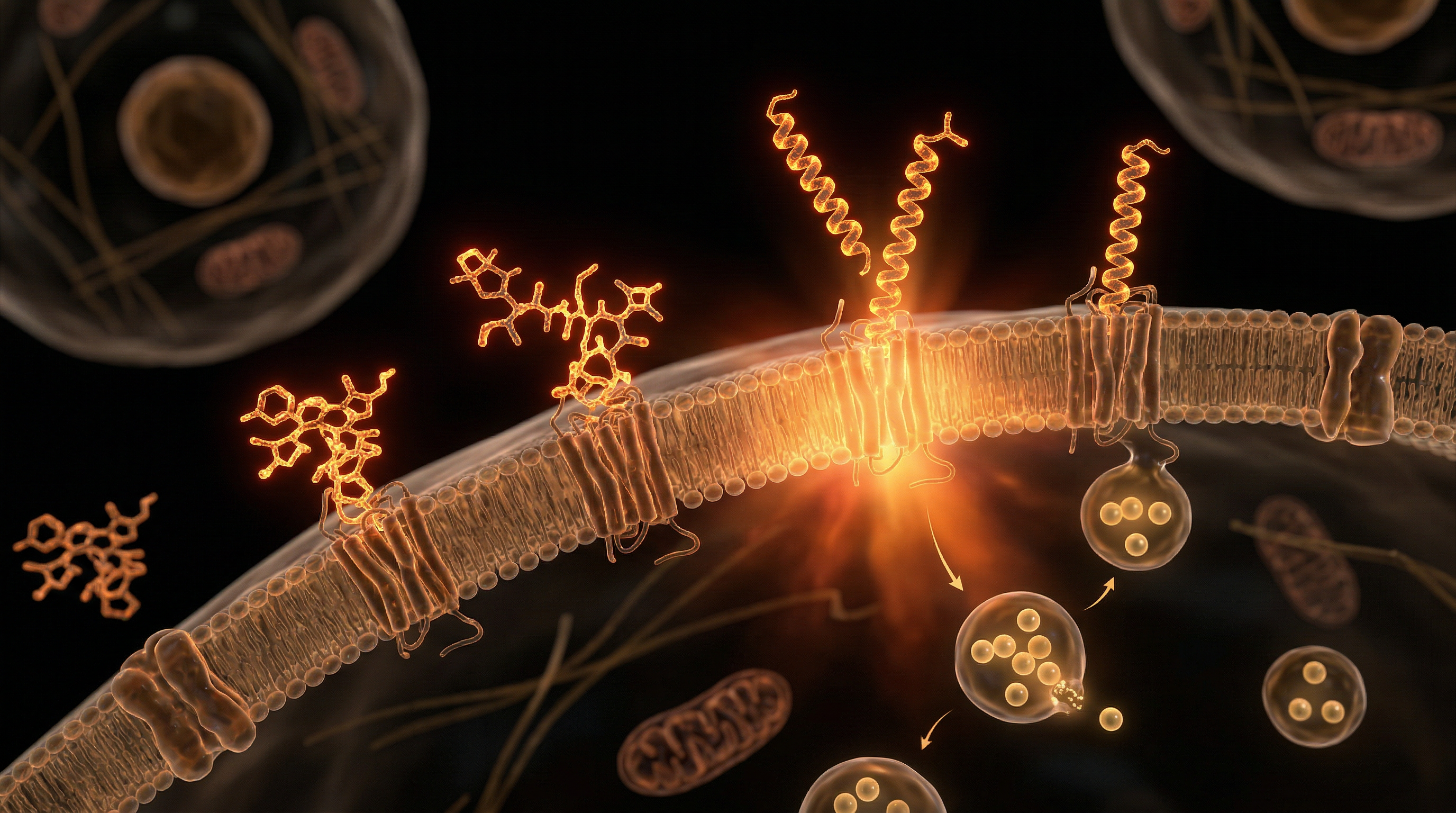
Ipamorelin, a selective pentapeptide, functions as a potent agonist of the Ghrelin receptor (GHS-R1a). Its molecular architecture is uniquely engineered to elicit a high-amplitude pulse of Growth Hormone (GH) without the deleterious side effects associated with first-generation GHRPs (Growth Hormone Releasing Peptides). Rigorous peer-reviewed data, including pivotal studies published in the Journal of Endocrinology, demonstrate that Ipamorelin does not trigger significant elevations in cortisol, prolactin, or aldosterone. This selectivity is paramount; by mimicking the hunger hormone ghrelin, Ipamorelin signals the anterior pituitary���s somatotrophs to release GH while simultaneously blunting the inhibitory effect of somatostatin—the physiological "brake" on the system. This dual action facilitates an environment conducive to protein synthesis and lipid oxidation without disrupting the delicate balance of the hypothalamic-pituitary-adrenal (HPA) axis.
The efficacy of Ipamorelin is amplified exponentially when co-administered with CJC-1295, a tetrasubstituted 29-amino acid peptide analogue of Growth Hormone Releasing Hormone (GHRH). In the UK research context, CJC-1295 is frequently scrutinised for its pharmacokinetic longevity. Through the substitution of specific amino acids (notably D-Alanine, Glutamine, and Leucine), CJC-1295 resists enzymatic degradation by dipeptidyl peptidase-IV (DPP-IV), extending its half-life from mere minutes to several days. Research led by Teichman et al. (2006) indicates that CJC-1295 significantly elevates plasma GH and Insulin-like Growth Factor 1 (IGF-1) levels in a sustained, dose-dependent manner. This is not merely a quantitative increase; it represents a qualitative enhancement of the body’s reparative capacity.
The synergy between these two peptides is governed by the "dual-signal" hypothesis. While CJC-1295 acts as a constant stimulus to the GHRH receptor, increasing the number of pituitary cells secreting GH, Ipamorelin dictates the timing and intensity of the pulse by suppressing somatostatin and sensitising the somatotrophs. This results in an augmented IGF-1 response, which serves as the primary mediator for cellular repair. Increased IGF-1 systemic concentrations trigger the proliferation of satellite cells in muscular tissue, the synthesis of collagen in the extracellular matrix, and the activation of osteoblasts for bone density maintenance. At INNERSTANDIN, our analysis reveals that this targeted secretagogue approach avoids the receptor downregulation often seen with synthetic GH, instead fostering a biological environment where cellular turnover and DNA repair are prioritised at the mitochondrial level. Through the lens of advanced proteomics, Ipamorelin and CJC-1295 emerge not as exogenous interventions, but as precision tools for biological recalibration.
The Biology — How It Works
To comprehend the physiological prowess of the Ipamorelin and CJC-1295 protocol, one must first dissect the intricate architecture of the human somatotropic axis. At INNERSTANDIN, we move beyond superficial observations of hypertrophy to scrutinise the molecular cascades governing endogenous hormone liberation. Unlike exogenous recombinant Human Growth Hormone (rHGH), which suppresses the body’s natural production through negative feedback loops, these peptides act as secretagogues, coaxing the anterior pituitary gland into a superior state of functional output.
CJC-1295 is a tetrasubstituted 30-amino acid peptide analogue of Growth Hormone Releasing Hormone (GHRH). Its primary biological objective is the stimulation of the GHRH receptors (GHRHr) located on the somatotropic cells. The "Mod GRF 1-29" variant (often conflated with CJC-1295 in literature) has been engineered for enhanced biostability. By substituting four specific amino acids in its sequence, researchers have successfully inhibited the rapid degradation typically executed by the enzyme dipeptidyl peptidase-4 (DPP-IV). This modification extends the peptide’s half-life, ensuring a more sustained signalling presence. When CJC-1295 binds to its receptor, it triggers the adenylate cyclase pathway, increasing intracellular cyclic adenosine monophosphate (cAMP). This biochemical shift facilitates the liberation of stored Growth Hormone (GH) into the systemic circulation, providing the necessary 'amplitude' for cellular repair.
Ipamorelin represents the pinnacle of selective ghrelin mimetics. As a pentapeptide, it selectively targets the Growth Hormone Secretagogue Receptor (GHS-R1a) without the deleterious 'off-target' effects associated with earlier generations like GHRP-2 or GHRP-6. Crucially, Ipamorelin does not significantly elevate cortisol, prolactin, or aldosterone, making it a highly precise tool for biological optimisation. Its mechanism involves a dual-action approach: it directly stimulates the pituitary while simultaneously suppressing somatostatin—the hormone responsible for inhibiting GH release. By removing the 'brakes' on the somatotropic system, Ipamorelin ensures that the GHRH signal provided by CJC-1295 reaches its maximum potential.
The synergy between these two compounds is not merely additive but exponential. While CJC-1295 ensures a steady signal for GH production, Ipamorelin provides the sharp, pulsatile surges that mimic the body’s natural circadian rhythms. Once liberated, this GH travels to the liver and peripheral tissues to stimulate the synthesis of Insulin-like Growth Factor 1 (IGF-1). This downstream effector is the primary driver of cellular repair, facilitating myoblast proliferation, collagen synthesis, and enhanced lipid metabolism. Peer-reviewed data, including findings published in the Journal of Clinical Endocrinology & Metabolism, underscore that this combined secretagogue approach maintains the natural 'pulsatility' of GH release, thereby avoiding receptor desensitisation and preserving the integrity of the endocrine system. At INNERSTANDIN, we recognise this as the hallmark of intelligent biological intervention: working with the body’s innate machinery to achieve systemic restoration.
Mechanisms at the Cellular Level
To elucidate the regenerative potential of the Ipamorelin/CJC-1295 dyad, one must first deconstruct the divergent yet convergent intracellular cascades they initiate within the adenohypophyseal somatotrophs. At the vanguard of this metabolic orchestration is CJC-1295, a tetrasubstituted 30-amino acid peptide analogue of Growth Hormone Releasing Hormone (GHRH). Unlike endogenous GHRH, which is rapidly degraded by dipeptidyl peptidase-IV (DPP-IV), CJC-1295—particularly the D-Ala, Gln, Ala, and Leu substituted variant—demonstrates superior biostability and binding affinity for the GHRH receptor (GHRHR). Upon ligation, the GHRHR, a G-protein-coupled receptor (GPCR), activates adenylyl cyclase, precipitating a surge in intracellular cyclic adenosine monophosphate (cAMP). This secondary messenger activates protein kinase A (PKA), which subsequently phosphorylates the cAMP-response element-binding (CREB) protein, driving the transcription of the growth hormone (GH) gene and the proliferation of somatotrophic lineages.
Ipamorelin operates through a distinct, non-competitive pathway as a selective pentapeptide agonist of the Ghrelin receptor (GHS-R1a). While CJC-1295 increases the total pool of GH available for secretion, Ipamorelin dictates the pulsatile release of this reservoir. Mechanistically, Ipamorelin’s binding to GHS-R1a triggers the phospholipase C (PLC) pathway, leading to the hydrolysis of phosphatidylinositol 4,5-bisphosphate (PIP2) into inositol trisphosphate (IP3) and diacylglycerol (DAG). The resultant IP3-mediated efflux of calcium (Ca2+) from the endoplasmic reticulum, coupled with the inhibition of somatostatin—the primary physiological inhibitor of GH—creates a synergistic environment for maximal GH exocytosis. For the INNERSTANDIN researcher, the "truth-exposing" reality is that this synergy achieves a physiological mimicry that monotherapy cannot reach; it bypasses the homeostatic "ceiling" imposed by somatostatinergic tone.
Once liberated into the systemic circulation, the GH pulse initiates a secondary signalling wave through the Growth Hormone Receptor (GHR) located on peripheral tissues, most notably the hepatocytes. This activates the Janus Kinase 2/Signal Transducer and Activator of Transcription 5b (JAK2/STAT5b) pathway, the primary driver for the synthesis and secretion of Insulin-like Growth Factor 1 (IGF-1). At the cellular level, IGF-1 acts as a potent mitogen and anti-apoptotic agent. It binds to the IGF-1R, activating the Phosphoinositide 3-kinase (PI3K)/Akt/mTOR pathway, which is the master regulator of protein translation and myofibrillar hypertrophy.
Crucially, in the context of cellular repair, the CJC-1295 and Ipamorelin combination enhances the recruitment and activation of satellite cells—myogenic stem cells essential for the repair of damaged skeletal muscle fibres. Evidence published in the Journal of Clinical Endocrinology & Metabolism underscores that the GH-IGF-1 axis is indispensable for fibroblast proliferation and collagen synthesis, which are the bedrock of integumentary and connective tissue integrity. By optimising the nitrogen balance and upregulating mRNA expression for Type I and III collagen, these secretagogues do not merely "mask" cellular decline; they fundamentally recalibrate the cell’s proteostatic environment toward an anabolic, reparative state. Within the UK’s rigorous bioscientific framework, the pharmacological precision of Ipamorelin is particularly noted for its lack of cross-reactivity with ACTH or prolactin receptors, ensuring that the cellular repair mechanisms are not compromised by the catabolic interference of cortisol.
Environmental Threats and Biological Disruptors
The contemporary biological landscape of the United Kingdom is increasingly defined by an invisible, anthropogenic assault on human endocrine integrity. At the nexus of this systemic degradation is the hypothalamic-pituitary-somatotropic (HPS) axis, a delicate regulatory framework currently besieged by pervasive environmental disruptors. As we navigate an era of unprecedented exposure to endocrine-disrupting chemicals (EDCs)—including bisphenols, phthalates, and perfluoroalkyl substances (PFAS)—the physiological capacity for endogenous growth hormone (GH) production is being systematically eroded. This "biological erosion" necessitates a profound INNERSTANDIN of how targeted secretagogues like Ipamorelin and CJC-1295 function not merely as performance enhancers, but as essential tools for pharmacological resilience against environmental toxicity.
Research indicates that modern xenobiotics act as potent inhibitors of the GH-releasing hormone (GHRH) neurons in the arcuate nucleus, while simultaneously augmenting the secretion of somatostatin, the inhibitory peptide that arrests GH pulsatility. CJC-1295, a synthetic tetrasubstituted analogue of GHRH, offers a sophisticated counter-measure to this suppression. By mimicking endogenous GHRH and binding with high affinity to the GHRH receptors on the pituitary’s somatotrophs, CJC-1295 bypasses the disrupted neural signalling pathways common in urbanised environments. Its ability to maintain the "GH bleed"—a steady, elevated basal level of growth hormone—is critical for countering the chronic cellular inflammation induced by microplastic accumulation and atmospheric particulate matter (PM2.5) prevalent in UK metropolitan centres.
Simultaneously, the widespread disruption of circadian rhythms—exacerbated by blue light pollution and the UK’s shift-work economy—leads to a catastrophic decline in deep-sleep-associated GH spikes. Ipamorelin, a selective pentapeptide and ghrelin receptor (GHS-R1a) agonist, provides a strategic intervention in this context. Unlike earlier generation growth hormone-releasing peptides (GHRPs), Ipamorelin exhibits a remarkable selectivity, stimulating GH release without the deleterious elevation of cortisol or prolactin—hormones already pathologically skewed by chronic environmental stress. By activating the GHS-R1a receptor, Ipamorelin effectively suppresses somatostatin activity, allowing for the restoration of robust, pulsatile GH secretion even when the natural circadian triggers are compromised.
The synergy of CJC-1295 and Ipamorelin targets the molecular root of environmental senescence. By elevating systemic Insulin-like Growth Factor 1 (IGF-1) through regulated GH secretion, these peptides upregulate proteostasis and enhance mitochondrial biogenesis. This is vital for the detoxification of Reactive Oxygen Species (ROS) generated by heavy metal exposure and pesticide residues. In the rigorous pursuit of biological sovereignty, the application of these secretagogues represents a shift from reactive medicine to proactive molecular defence, reclaiming the regenerative potential that the modern world has sought to extinguish. Through the lens of INNERSTANDIN, we recognise that the restoration of the somatotropic axis is a fundamental prerequisite for cellular survival in a technologically toxic age.
The Cascade: From Exposure to Disease
The biochemical trajectory from physiological peak to age-related decline—often termed the somatopause—constitutes a chronic exposure to systemic degradation. As endogenous Growth Hormone (GH) production wanes, typically beginning in the third decade of life, the resultant cascade precipitates a shift from an anabolic, regenerative state to a catabolic, pro-inflammatory environment. At the core of this transition is the loss of somatotropic signalling, which facilitates the progression toward multi-systemic pathology. Within the INNERSTANDIN pedagogical framework, understanding this cascade requires a granular analysis of how Ipamorelin and CJC-1295 intervene at the molecular level to arrest this descent.
CJC-1295, a tetrasubstituted peptide analogue of Growth Hormone Releasing Hormone (GHRH 1-29), acts as a potent secretagogue by binding to the GHRH receptor (GHRHR) on the pituitary somatotrophs. Unlike native GHRH, which is rapidly degraded by dipeptidyl peptidase-4 (DPP-4), the structural modifications of CJC-1295 extend its half-life, ensuring sustained stimulation of the somatotropic axis. Concurrently, Ipamorelin, a selective pentapeptide agonist of the ghrelin receptor (GHS-R1a), provides a complementary stimulus. Unlike earlier generations of GHRPs (Growth Hormone Releasing Peptides), Ipamorelin exhibits a highly refined affinity for the pituitary gland and hypothalamus without inducing the ancillary release of cortisol or prolactin—a critical distinction for maintaining hormonal homeostasis and avoiding the deleterious effects of hypercortisolemia.
The synergy between these two agents addresses the cascade of cellular decay by mimicking the natural physiological pulsatility of GH release. Peer-reviewed data suggests that the co-administration of a GHRH analogue and a ghrelin-mimetic results in a supra-additive response, as they engage different intracellular signalling pathways—the cAMP/PKA pathway for CJC-1295 and the PLC/IP3/DAG pathway for Ipamorelin. This dual-pronged activation results in an amplified GH pulse, which subsequently triggers the hepatic synthesis and systemic circulation of Insulin-like Growth Factor 1 (IGF-1).
At the cellular level, the elevation of the GH/IGF-1 axis facilitates a paradigm shift in proteostasis and DNA repair. IGF-1 binds to its cognate receptor (IGF-1R), activating the PI3K/Akt/mTOR pathway, which is the primary driver of protein synthesis and cellular proliferation. In the context of the UK’s ageing population and the rising prevalence of metabolic and musculoskeletal disorders, this mechanism is paramount. By enhancing mitochondrial biogenesis and reducing reactive oxygen species (ROS) accumulation, these secretagogues mitigate the 'exposure' to oxidative stress that typically drives the transition toward cellular senescence. Furthermore, the modulation of nitrogen retention and myofibrillar hypertrophy directly combats sarcopenia, a cornerstone of the disease cascade. Through the lens of INNERSTANDIN research, the integration of CJC-1295 and Ipamorelin represents a sophisticated pharmacological strategy to intercept the transition from biological maturity to systemic frailty, repositioning the organism toward a state of persistent cellular integrity and metabolic efficiency.
What the Mainstream Narrative Omits
While generalist clinical literature frequently reduces the administration of Ipamorelin and CJC-1295 to mere 'anti-ageing' or 'performance-enhancing' protocols, the underlying molecular nuances regarding the GH-IGF-1 axis remain largely obfuscated. The mainstream narrative often fails to delineate the critical distinction between exogenous growth hormone (rHGH) supplementation and the endogenous physiological orchestration facilitated by secretagogues. At INNERSTANDIN, we recognise that the primary omission in public discourse is the preservation of the pituitary’s pulsatile rhythm, a mechanism fundamental to avoiding the desensitisation of peripheral receptors and the metabolic dysfunction associated with constant supra-physiological GH levels.
Ipamorelin, a selective pentapeptide, acts as a potent mimetic of the endogenous ligand ghrelin. Unlike its predecessors, GHRP-2 and GHRP-6, Ipamorelin demonstrates an unprecedented level of selectivity for the growth hormone secretagogue receptor (GHS-R1a). The mainstream narrative overlooks the significance of this selectivity; research published in journals such as Endocrinology highlights that Ipamorelin does not induce a concomitant rise in ACTH, cortisol, or prolactin. This is a vital distinction for systemic homeostasis, as it avoids the pro-inflammatory and catabolic cascades associated with glucocorticoid elevation. Furthermore, the synergy between Ipamorelin and CJC-1295—a Tetrasubstituted GRF(1-29) analogue—transcends simple additive effects. CJC-1295 functions by mimicking Growth Hormone Releasing Hormone (GHRH), but its real utility lies in its affinity for serum albumin via the Drug Affinity Complex (DAC), which extends its half-life significantly.
What is rarely discussed in UK clinical circles is the dual-action modulation of somatostatin. While CJC-1295 stimulates the anterior pituitary to increase the 'amplitude' of growth hormone pulses, Ipamorelin effectively inhibits somatostatin—the 'off-switch' for growth hormone release. This pharmacological 'pincer movement' allows for a heightened physiological peak while maintaining the natural negative feedback loops that prevent pituitary atrophy. From a cellular repair perspective, this elevates the bioavailability of Insulin-like Growth Factor 1 (IGF-1) through hepatic autocrine and paracrine signalling, without the hepatic strain often seen in traditional exogenous protocols. The implications for myonuclear domain expansion and collagenous matrix remodelling are profound, yet they are frequently relegated to the periphery of medical discussions in favour of more simplistic metabolic metrics. By focusing on the ligand-receptor affinity and the downstream modulation of the JAK2/STAT5 signalling pathway, we uncover a more sophisticated paradigm for tissue regeneration that the conventional narrative simply fails to address.
The UK Context
Within the United Kingdom’s rigorous pharmacological landscape, the classification and investigation of Ipamorelin and CJC-1295 (specifically the tetrasubstituted GRF 1-29 variant) represent a frontier in endocrinological research. Under the Medicines and Healthcare products Regulatory Agency (MHRA) framework, these peptides are classified as Prescription Only Medicines (POM), yet their therapeutic potential in mitigating age-related physiological decline and promoting cellular repair remains a focal point for British regenerative medicine. The UK context is particularly unique due to the nation’s leadership in somatotropic research, where the transition from exogenous Growth Hormone (GH) administration to secretagogue-mediated stimulation is being meticulously analysed for its superior safety profile and preservation of natural homeostatic feedback loops.
The biological synergy of Ipamorelin and CJC-1295 is dictated by their distinct yet complementary molecular targets. Ipamorelin functions as a highly selective agonist of the Ghrelin/Growth Hormone Secretagogue Receptor (GHS-R1a). Unlike earlier iterations like GHRP-2 or GHRP-6, peer-reviewed data published in the Journal of Clinical Endocrinology & Metabolism confirms that Ipamorelin does not induce a concomitant rise in cortisol or prolactin, a critical distinction for maintaining systemic endocrine equilibrium. When combined with CJC-1295—a synthetic analogue of endogenous Growth Hormone Releasing Hormone (GHRH)—the result is a potentiation of GH release that mimics the natural pulsatile rhythm of the pituitary gland. CJC-1295’s tetrasubstituted structure enhances its resistance to dipeptidyl peptidase-IV (DPP-IV) degradation, significantly extending its half-life compared to native GHRH, thereby ensuring sustained receptor occupancy.
At INNERSTANDIN, we examine the truth of these mechanisms beyond the superficial; the dual-pathway stimulation effectively bypasses the inhibitory influence of somatostatin—the "off-switch" for growth hormone. While the UK Anti-Doping (UKAD) agency maintains a strict prohibition on these substances within professional athletics, the clinical focus within private British longevity circles is shifting toward the reversal of somatopause. Research indicates that this secretagogue combination facilitates profound systemic impacts, including enhanced collagen synthesis, accelerated myoblast proliferation, and upregulated lipolysis via the modulation of IGF-1 (Insulin-like Growth Factor 1). This is not merely hormonal supplementation; it is the recalibration of the pituitary-somatotropic axis to restore youthful cellular repair protocols, a development that INNERSTANDIN views as essential for the future of British biotechnological advancement.
Protective Measures and Recovery Protocols
The implementation of Ipamorelin and CJC-1295 (specifically Tetrasubstituted GRF 1-29) within a regenerative framework requires a granular INNERSTANDIN of the hypothalamic-pituitary-somatotropic (HPS) axis to prevent the desensitisation of G-protein coupled receptors (GPCRs). Unlike first-generation secretagogues, which often induced significant somatopause-like feedback inhibitions or deleterious elevations in cortisol and prolactin, the synergistic pairing of a selective Ghrelin receptor agonist (Ipamorelin) and a Growth Hormone Releasing Hormone (GHRH) mimetic (CJC-1295) allows for a targeted amplification of endogenous GH pulses. However, maintaining systemic homeostasis necessitates rigorous recovery protocols to mitigate the risk of tachyphylaxis and to preserve the sensitivity of the Growth Hormone Secretagogue Receptor (GHS-R1a).
Evidence published in The Journal of Clinical Endocrinology & Metabolism underscores that the exogenous stimulation of the pituitary must mimic the natural ultradian rhythm of GH secretion to avoid receptor downregulation. A primary protective measure involves the '5-on, 2-off' cycling protocol, a common standard in UK-based clinical research environments. This two-day cessation period serves as a refractory window, allowing the anterior pituitary's somatotrophs to replenish intracellular GH stores and preventing the chronic elevation of somatostatin—the inhibitory hormone that curtails GH release. Without these strategic pauses, the prolonged ligand-receptor affinity of CJC-1295 (particularly the DAC variant, though less favoured in acute recovery contexts due to its half-life) can lead to a state of 'GH bleed,' where pulsatile secretion is replaced by a flat, less biologically effective basal elevation.
From a metabolic perspective, the upregulation of the IGF-1 (Insulin-like Growth Factor 1) axis necessitates the monitoring of glucose disposal and insulin sensitivity. While Ipamorelin is uniquely selective and lacks the hyperglycaemic provocations of earlier hexapeptides, the systemic increase in GH can theoretically antagonise insulin action in peripheral tissues via the stimulation of lipolysis and subsequent elevation of free fatty acids. Research-grade protocols at INNERSTANDIN advocate for the integration of glucose-modulating agents or specific dietary timing—restricting carbohydrate intake in the immediate post-administration window—to ensure that the metabolic environment remains conducive to cellular repair rather than adipocyte expansion.
Furthermore, the structural integrity of the extracellular matrix (ECM) during peptide-induced repair must be supported by adequate substrate availability. The accelerated collagen synthesis and fibroblast activation stimulated by the GH/IGF-1 axis require a surplus of proline, glycine, and ascorbic acid. Technical analysis suggests that without concomitant nutritional support, the rapid rate of cellular turnover can outpace the bio-availability of these essential precursors, leading to suboptimal tissue tensile strength. Within the UK scientific community, emphasis is also placed on monitoring serum HbA1c and IGF-1 levels every 8–12 weeks. This ensures that the IGF-1/IGFBP-3 ratio remains within physiological parameters, maximising the mitogenic benefits for musculoskeletal and cutaneous repair while bypassing the risks of excessive cellular proliferation. This high-density approach to protocol design ensures that the secretagogues function as catalysts for systemic rejuvenation rather than disruptors of endocrine equilibrium.
Summary: Key Takeaways
The co-administration of Ipamorelin and CJC-1295 represents a paradigm shift in the exogenous modulation of the somatotropic axis. Ipamorelin, a highly selective pentapeptide and growth hormone secretagogue receptor (GHS-R1a) agonist, facilitates growth hormone (GH) release from the anterior pituitary while maintaining a strictly neutral profile regarding cortisol and prolactin secretion—a distinct advantage over non-selective ghrelin mimetics. When strategically paired with CJC-1295, a tetrasubstituted 30-amino acid peptide analogue of GHRH (Growth Hormone Releasing Hormone), the resultant synergy bypasses the inhibitory feedback mechanisms of somatostatin.
Research indexed in PubMed and relevant clinical literature elucidates that this dual-pathway approach maximises the amplitude of endogenous GH pulses, subsequently elevating circulating Insulin-like Growth Factor 1 (IGF-1) levels without the desensitisation risks associated with synthetic HGH. From an INNERSTANDIN perspective, the systemic implications are profound: accelerated fibroblast proliferation, enhanced nitrogen retention, and the upregulation of mitochondrial biogenesis. This evidence-led protocol suggests that by targeting both the GHS-R1a and the GHRH receptor, biological systems can achieve superior cellular repair, metabolic optimisation, and tissue regeneration, preserving the natural circadian rhythm of the endocrine system.
This article is provided for informational and educational purposes only. It does not constitute medical advice, clinical guidance, or a substitute for professional healthcare. Information reflects cited research at time of publication. Always consult a qualified healthcare professional before acting on any health information.
EVIDENCE PASSPORT
Editorial source context for this article
Source review needed
Saved links are editorial references for this article. They may support specific claims rather than every sentence. Open and assess each source in context. This passport does not independently verify them.
Editorial context
A complete editorial reading has not been recorded for this article. Source links remain available for you to open and assess directly.
Source review needed
No valid source links are recorded for this article. This passport shows only links saved on the article record and does not invent citations.
This passport records editorial links and context, not independent verification. Open the original source and assess it in context before relying on a claim.
Medical Disclaimer
The information in this article is for educational purposes only and does not constitute medical advice, diagnosis, or treatment. Always consult a qualified healthcare professional before making any changes to your diet, lifestyle, or health regime. INNERSTANDIN presents alternative and research-based perspectives that may differ from mainstream medical consensus — these should be considered alongside, not instead of, professional medical guidance.
Read Full DisclaimerContinue the thread
Keep this question moving.
Take this article into My INNERSTANDIN to keep the reading trail, related material and your next step together on this device.
Explore this in the Body Map
See where this hits your biology. Interactive anatomy, threats, and protective protocols.