
Iron Sequestration: Evolutionary Defense Mechanisms
Updated May 2026
The body's ancestral mechanism for sequestering iron during infection can lead to chronic anemia in the modern UK population. Distinguishing between functional deficiency and evolutionary defense is critical for proper treatment.
Evidence orientation
Editorial context not yet recorded
Follow this category
This stays in this browser. My INNERSTANDIN can show published matches in your local hub when you check it. It does not send email, push, or alert notifications.
Local learning review
A private browser aid for revisiting ideas. It is not an alert or a health recommendation.
Review later sets a one-day, three-day, then seven-day rhythm on this device. Choose it only when you want to revisit this article.
Overview
In the grand tapestry of mammalian evolution, the battle for survival has rarely been fought with claws and teeth alone. The most enduring war is waged at the atomic level, a silent, relentless struggle over a single transition metal: Iron (Fe).
Iron is the paradox of life. It is the core of the haeme molecule, the oxygen-carrying engine of our blood, and a vital cofactor for DNA synthesis and cellular respiration. Yet, in its free, unbound state, iron is a potent catalyst for oxidative stress via the Fenton Reaction, and more dangerously, it is the primary "growth factor" for nearly all pathogenic bacteria, fungi, and protozoa.
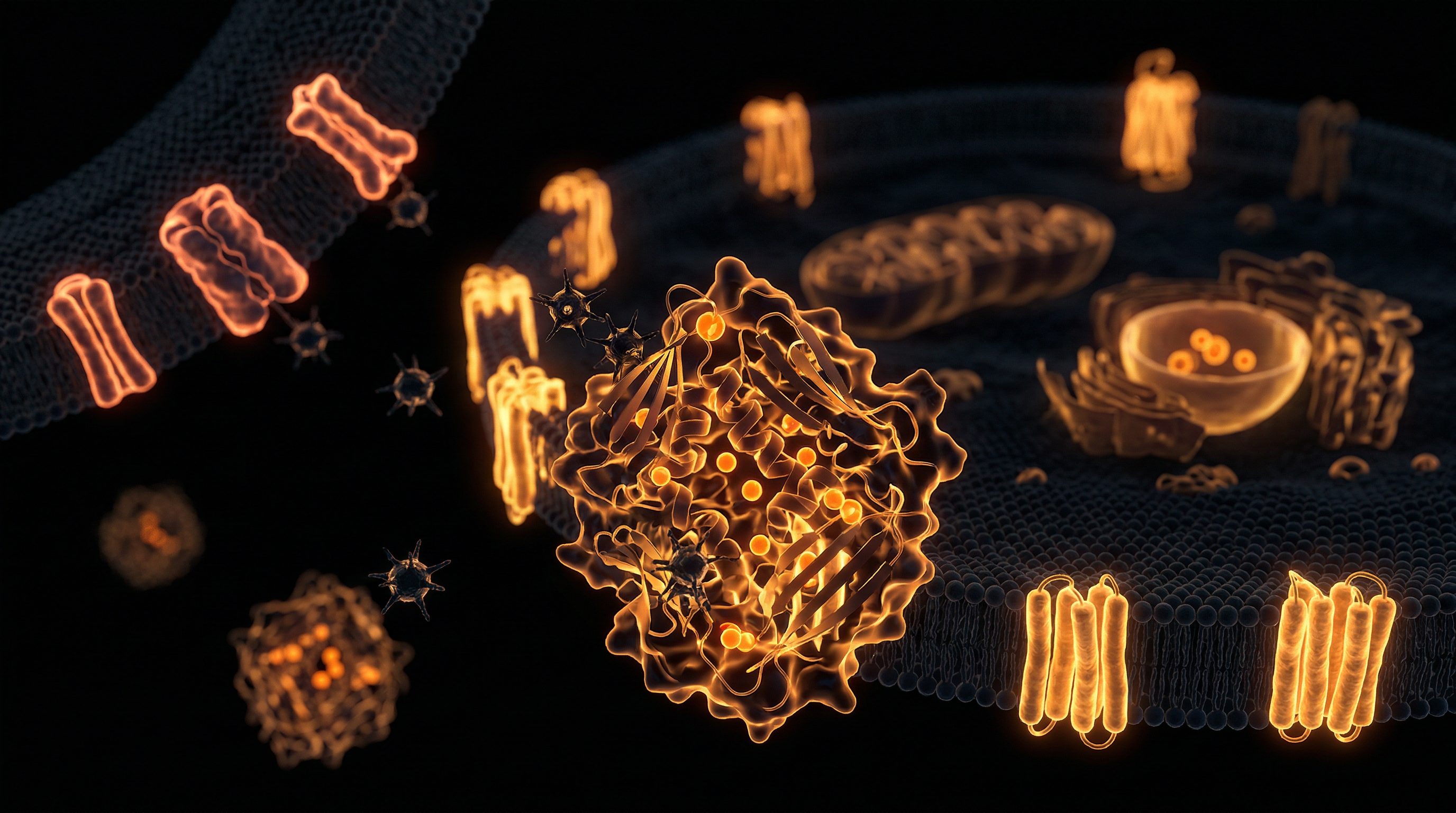
The concept of Nutritional Immunity represents one of the most sophisticated ancestral defense mechanisms in the human repertoire. It is the strategic withdrawal of iron from the circulation and extracellular spaces during times of perceived threat. By sequestering iron within the "vaults" of the liver, spleen, and bone marrow, the human body effectively starves invading pathogens, halting their replication.
However, in the modern landscape—particularly within the United Kingdom’s unique clinical and dietary environment—this evolutionary masterstroke has become a double-edged sword. We are currently witnessing a global epidemic of "functional iron deficiency," where patients present with the symptoms of anaemia despite having ample, often excessive, iron stores locked away in their tissues. This "Iron-Lock" state, triggered by chronic low-grade inflammation, is routinely misdiagnosed by mainstream medicine as a simple lack of iron, leading to supplementation protocols that may inadvertently fuel the very pathologies they seek to cure.
The Biology — How It Works
To understand iron sequestration, one must view the body not as a static vessel, but as a dynamic fortress. In a healthy state, the body maintains a vanishingly small amount of "labile" or free iron. Most of our 3 to 4 grams of iron is safely tucked inside haemoglobin or stored within Ferritin—a spherical protein shell that can house up to 4,500 iron atoms.
The Arms Race of Nutritional Immunity
When a pathogen enters the host, it immediately seeks iron to fuel its enzymes (such as ribonucleotide reductase). Evolution has responded with an array of high-affinity iron-binding proteins:
- Transferrin: The primary transport protein in the blood, which maintains an environment of extremely low free-iron concentration.
- Lactoferrin: Found in mucosal secretions and neutrophils, this protein has an even higher affinity for iron than transferrin, specifically at low pH levels typical of infection sites.
- Siderocalin: A host protein that intercepts Siderophores—the "iron-grabbing" molecules secreted by bacteria.
Fact: Nearly all known human pathogens, with the rare exception of Borrelia burgdorferi (the causative agent of Lyme disease, which uses manganese), require iron for virulence and biofilm formation.
The Evolutionary Trade-off
The sequestration response is mediated by the Innate Immune System. Upon detection of Lipopolysaccharides (LPS) from bacterial walls or inflammatory cytokines like Interleukin-6 (IL-6), the liver is signaled to produce Hepcidin. This hormone is the "Master Regulator" of iron metabolism. Hepcidin’s primary role is to shut down the export of iron into the blood.
This was an elegant solution for our ancestors facing acute infections. By temporarily inducing a state of systemic iron deficiency, the host could survive a bout of sepsis or pneumonia. The "anemia" that followed was a small price to pay for survival. The problem arises when this "temporary" lockdown becomes a permanent state due to modern environmental disruptors.
Mechanisms at the Cellular Level
The granular detail of iron sequestration reveals a complex dance of transporters and signal transducers. The central figure in this process is Ferroportin, the only known cellular iron exporter in mammals.
The Hepcidin-Ferroportin Axis
Hepcidin functions by binding to Ferroportin on the surface of enterocytes (gut cells), macrophages, and hepatocytes. Once bound, it induces the internalisation and degradation of the Ferroportin channel.
- In the Gut: Iron absorption from food is blocked.
- In the Macrophages: The recycling of iron from old red blood cells—which accounts for 90% of our daily iron needs—is halted.
- In the Liver: Storage iron remains trapped.
The Macrophage: The Iron Prison
Macrophages are the body's primary recyclers. They engulf aged erythrocytes and strip the iron from the haeme. Under the influence of inflammatory signals, these macrophages become "iron-hoarders." They upregulate Ferritin synthesis to cage the iron and downregulate the pathways that would release it.
This results in a clinical picture where Serum Iron is low, but Serum Ferritin (the marker of storage) is high or normal. In mainstream diagnostics, this is often confused with "Iron Deficiency Anemia" (IDA), but it is more accurately termed Anemia of Chronic Disease (ACD) or Functional Iron Deficiency.
The Fenton Reaction and Oxidative Stress
When iron is sequestered but not properly managed, or when the "cage" of ferritin is overwhelmed, we risk the Fenton Reaction: $$Fe^{2+} + H2O2 \rightarrow Fe^{3+} + \cdot OH + OH^-$$ The resulting Hydroxyl Radical ($\cdot$OH) is the most reactive oxygen species in biology. It causes lipid peroxidation, damages DNA, and destroys mitochondrial membranes. This is why the body is so desperate to keep iron "locked up"—free iron is essentially cellular bleach.
Environmental Threats and Biological Disruptors
In the ancestral environment, the triggers for iron sequestration were clear: acute infection or major trauma. In the 21st century, the "threat signals" are constant and multifaceted, keeping the UK population in a state of perpetual iron-lock.
The Microbiome and Dysbiosis
The modern gut is often a breeding ground for iron-hungry pathobionts. High-sugar diets and the overuse of antibiotics have shifted the microbial balance. Bacteria such as E. coli and Salmonella produce powerful siderophores that can out-compete the host for iron. The body responds by amping up Hepcidin production, leading to a self-perpetuating cycle of gut inflammation and systemic iron sequestration.
Environmental Toxins and Heavy Metals
Heavy metals such as Aluminium, Lead, and Cadmium interfere with iron metabolism by mimicking iron’s chemical signature. They can displace iron from enzymes or trigger the same inflammatory cascades that signal the liver to produce Hepcidin.
- Glyphosate: This ubiquitous herbicide is a potent mineral chelator. Research suggests it may disrupt the body’s ability to utilise iron correctly while simultaneously promoting the growth of iron-dependent pathogenic bacteria in the gut.
Electrosmog and Bio-Resonance
Emerging research in biophysics suggests that Electromagnetic Fields (EMFs) may influence the movement of transition metals within cells. Since iron is paramagnetic, it is uniquely sensitive to external magnetic fields. Chronic exposure to high-frequency EMFs may induce a "stress response" in cells, mimicking the signals of a viral invasion and triggering protective iron sequestration.
The Cascade: From Exposure to Disease
When the evolutionary defense mechanism of iron sequestration is triggered chronically, it leads to a cascade of systemic failure. This is no longer "defense"; it is Pathological Sequestration.
Stage 1: The Fatigue Signal
The first casualty of iron sequestration is mitochondrial efficiency. Without sufficient iron in the "labile pool," the Cytochrome P450 enzymes and the Electron Transport Chain cannot function optimally. This manifests as the profound, unyielding fatigue seen in Chronic Fatigue Syndrome (CFS) and Long-COVID.
Stage 2: Metabolic Dysfunction
Iron is required for the production of thyroid hormones and the regulation of insulin sensitivity. When iron is sequestered in the liver and pancreas, it promotes oxidative damage in those tissues, contributing to Non-Alcoholic Fatty Liver Disease (NAFLD) and Type 2 Diabetes.
Stage 3: Neurodegeneration
The brain is highly susceptible to iron dysregulation. In conditions like Alzheimer’s and Parkinson’s, we see "focal iron accumulation"—pockets of the brain where iron is sequestered in excess, leading to localized oxidative stress and neuronal death. This is the ultimate failure of the evolutionary defense: the "vault" has become a "bomb."
Warning: Chronic iron sequestration is a hallmark of "Inflamm-ageing," the accelerated biological ageing driven by a permanently activated innate immune system.
What the Mainstream Narrative Omits
The current medical approach to iron is dangerously reductionist. Most GP consultations for fatigue involve a simple blood test for Ferritin. If it is low, the patient is told they are "anaemic" and prescribed high-dose inorganic iron salts (e.g., Ferrous Sulphate).
The Myth of "Low Ferritin"
Low ferritin is often interpreted as a lack of iron in the body. However, in many cases, it represents a lack of bioavailable iron. The body may have plenty of iron, but it lacks the "chaperones" (like copper and ceruloplasmin) necessary to move that iron into the ferritin storage protein or out into the blood.
The Danger of Oral Iron Supplementation
Prescribing oral iron to someone in a state of sequestration is like throwing petrol on a fire.
- Feeding Pathogens: Unabsorbed iron reaches the colon, where it fuels the growth of virulent bacteria, worsening gut dysbiosis.
- Increasing Hepcidin: Large doses of iron actually trigger more Hepcidin production, further locking down the body’s existing iron stores.
- Oxidative Damage: Inorganic iron is highly reactive and causes direct damage to the gut lining (Leaky Gut).
The Copper-Iron Connection
The most significant omission in mainstream haematology is the role of Copper. Iron cannot move without copper. The enzyme Ceruloplasmin (the "Ferroxidase") is required to convert iron from its toxic $Fe^{2+}$ form to its transportable $Fe^{3+}$ form. Without sufficient bioavailable copper, iron remains "stuck" in the tissues, regardless of how much iron a person consumes.
The UK Context
The United Kingdom presents a unique "perfect storm" for iron sequestration pathologies.
Mandatory Fortification
Under the Bread and Flour Regulations 1998, almost all white flour in the UK must be fortified with calcium, iron, thiamine, and niacin. This iron is usually in the form of "reduced iron" or iron filings—the least bioavailable and most oxidative form of the metal. For decades, the British public has been force-fed inorganic iron, contributing to a state of systemic "Iron overload in the tissues, deficiency in the blood."
The "Anemia of the North"
In the UK, there is a high prevalence of autoimmune conditions and metabolic syndrome, particularly in post-industrial northern regions. These conditions are characterized by high IL-6 levels, which keep Hepcidin chronically elevated. The NHS "standard of care" continues to treat the resulting low haemoglobin with more iron, failing to address the underlying inflammatory sequestration.
Vitamin D and the British Climate
The UK’s lack of sunlight leads to widespread Vitamin D deficiency. Vitamin D is a potent down-regulator of Hepcidin. Low Vitamin D levels in the British population mean that the "Iron-Lock" is rarely released, as the body lacks the hormonal signal to dampen the inflammatory sequestration response.
Protective Measures and Recovery Protocols
To resolve iron sequestration, we must move beyond the "more iron" paradigm and focus on "mineral bio-availability" and "inflammation resolution."
1. Identify the Trigger
The first step is determining why the body feels it is under attack. Is it a hidden dental infection? Gut dysbiosis? Environmental toxins? Chronic stress? Until the "threat signal" is removed, Hepcidin will remain high.
2. The Copper/Ceruloplasmin Loading
To unlock iron from the macrophages and liver, the body needs Bioavailable Copper.
- Sources: Beef liver (the most nutrient-dense source of copper and retinol), bee pollen, and whole-food Vitamin C (which contains the tyrosinase enzyme).
- Avoid: Synthetic Vitamin C (ascorbic acid) and Zinc over-supplementation, both of which can deplete ceruloplasmin levels.
3. Lactoferrin Supplementation
Apolactoferrin (the "iron-free" form of lactoferrin) is a powerful tool. It can "mop up" free iron in the gut and blood, denying it to pathogens and delivering it safely to the host's cells. Unlike ferrous sulphate, lactoferrin helps regulate iron homeostasis without triggering inflammation.
4. Metabolic Support
- Magnesium: Required for over 3,000 enzymatic reactions, magnesium is essential for managing the stress response that triggers iron sequestration.
- Retinol (Vitamin A): True Vitamin A (from animal fats) is required for the synthesis of ceruloplasmin and the loading of iron into haemoglobin.
5. Blood Donation (The "Oil Change")
For many in the UK, particularly men and post-menopausal women, the problem is not too little iron, but too much old, oxidized iron. Regular blood donation reduces the total iron burden, forcing the body to pull "locked" iron out of storage to create new, healthy red blood cells.
Protocol Note: Always test Full Iron Panel (including Ferritin), Ceruloplasmin, and Zinc-Copper Ratio before embarking on any mineral protocol.
Summary: Key Takeaways
The modern epidemic of "anemia" and fatigue is, in many cases, a vestige of an ancient survival mechanism gone haywire.
- Iron sequestration is an evolutionary defense designed to starve pathogens of the iron they need for replication.
- Hepcidin is the master switch that locks iron inside cells during times of inflammation or infection.
- Functional Iron Deficiency occurs when iron is present in the body but is sequestered in the tissues, unavailable for use in the blood.
- Mainstream Medicine often misidentifies this state as a simple lack of iron, prescribing supplements that can worsen inflammation and fuel dysbiosis.
- In the UK, mandatory flour fortification and widespread Vitamin D deficiency exacerbate the "Iron-Lock" state.
- Recovery requires a focus on bioavailable copper (Ceruloplasmin), inflammation reduction, and the judicious use of blood donation and lactoferrin to restore mineral balance.
The goal is not to flood the body with more iron, but to restore the intelligence of the body's iron management system. Only by addressing the evolutionary context of mineral metabolism can we hope to resolve the chronic fatigue and inflammatory diseases that plague the modern world.
This article is provided for informational and educational purposes only. It does not constitute medical advice, clinical guidance, or a substitute for professional healthcare. Information reflects cited research at time of publication. Always consult a qualified healthcare professional before acting on any health information.
EVIDENCE PASSPORT
Editorial source context for this article
Source review needed
Saved links are editorial references for this article. They may support specific claims rather than every sentence. Open and assess each source in context. This passport does not independently verify them.
Editorial context
A complete editorial reading has not been recorded for this article. Source links remain available for you to open and assess directly.
Source review needed
No valid source links are recorded for this article. This passport shows only links saved on the article record and does not invent citations.
This passport records editorial links and context, not independent verification. Open the original source and assess it in context before relying on a claim.
Medical Disclaimer
The information in this article is for educational purposes only and does not constitute medical advice, diagnosis, or treatment. Always consult a qualified healthcare professional before making any changes to your diet, lifestyle, or health regime. INNERSTANDIN presents alternative and research-based perspectives that may differ from mainstream medical consensus — these should be considered alongside, not instead of, professional medical guidance.
Read Full DisclaimerContinue the thread
Keep this question moving.
Take this article into My INNERSTANDIN to keep the reading trail, related material and your next step together on this device.
Explore this in the Body Map
See where this hits your biology. Interactive anatomy, threats, and protective protocols.
Dig deeper in the Library
Free, longform PDF volumes that go beyond headlines into mechanisms and references.