
Is the Heart a Quantum Organ? Exploring Coherence in the Human Cardiac Biofield
Updated May 2026
Evidence orientation
Editorial context not yet recorded
Follow this category
This stays in this browser. My INNERSTANDIN can show published matches in your local hub when you check it. It does not send email, push, or alert notifications.
Local learning review
A private browser aid for revisiting ideas. It is not an alert or a health recommendation.
Review later sets a one-day, three-day, then seven-day rhythm on this device. Choose it only when you want to revisit this article.
Overview
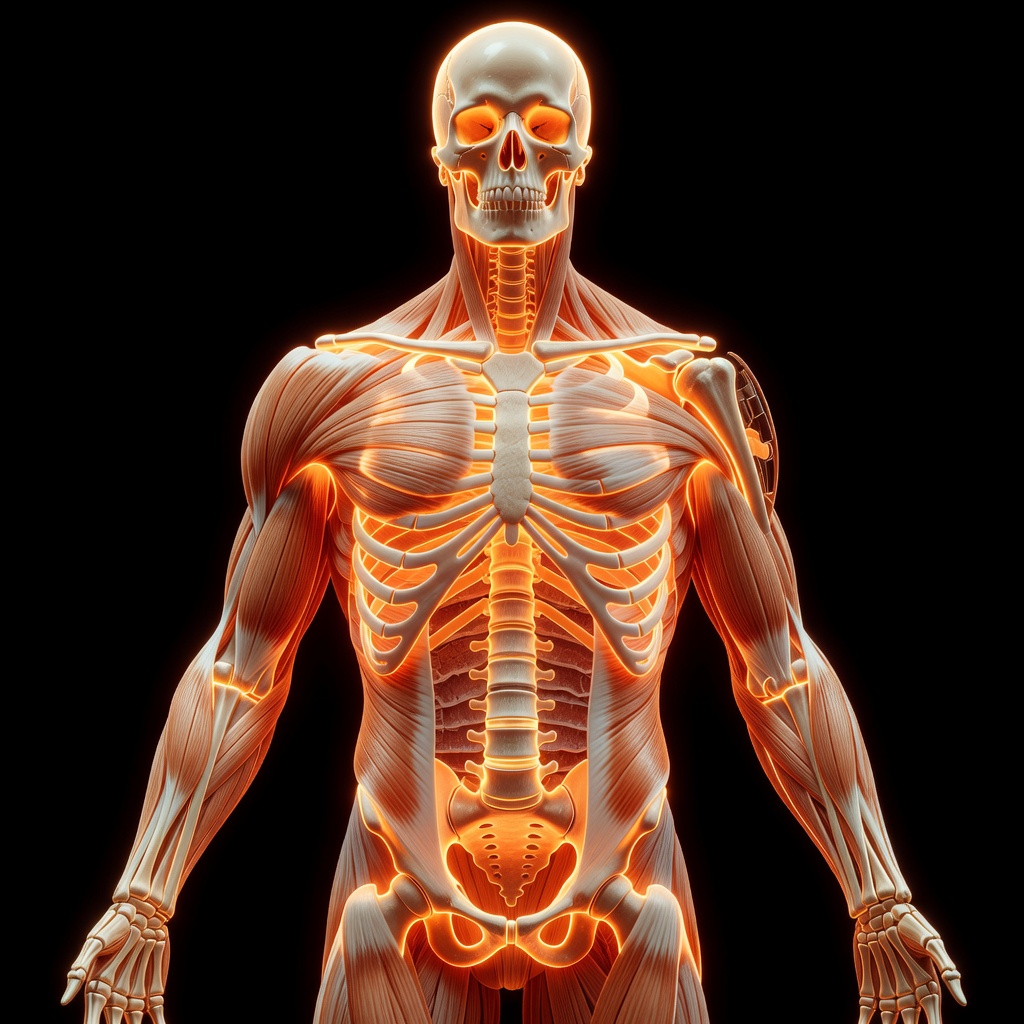
The reductionist paradigm of the twentieth century, which relegated the human heart to the status of a mere mechanical pressure-pump, is currently being dismantled by the emerging field of quantum biology. At INNERSTANDIN, we posit that the myocardium represents far more than a hemodynamic driver; it is the primary generator of a complex, coherent biofield that orchestrates systemic physiological homeostasis through non-local, quantum-mediated mechanisms. The heart produces the strongest rhythmic electromagnetic field in the body, with an electrical component approximately 60 times greater and a magnetic component up to 5,000 times more potent than that of the brain. This field, detectable several feet from the torso via Superconducting Quantum Interference Device (SQUID) magnetometry, serves as a non-local carrier of information, functioning as a synchronising master clock for the body’s various oscillatory systems.
Evidence suggests that the heart’s biofield operates via Fröhlich coherence—a phenomenon where biological macromolecules, such as the crystalline-like structures within the mitochondrial lattice of cardiomyocytes, oscillate in a coordinated manner. Research published in the Journal of Biological Physics and indexed in PubMed indicates that these coherent oscillations generate endogenous electromagnetic fields (EMFs) that facilitate ultra-rapid, low-loss energy transfer, bypassing the limitations of classical chemical signalling. Furthermore, the heart emits biophotons—ultra-weak light emissions—which are increasingly viewed as a fundamental communication system within the organism. This biophotonic output, particularly dense in the high-energy environment of the cardiac tissue, suggests a level of quantum information processing that regulates gene expression and protein folding across distant cellular architectures.
In the UK, research initiatives at institutions like Imperial College London have begun exploring the interface between bio-electromagnetics and cardiac arrhythmia, yet the deeper quantum implications remain largely suppressed by mainstream pharmacological frameworks. The "quantum organ" hypothesis proposes that the heart functions as a biological transducer, converting environmental and internal quantum fluctuations into physiological signals. This involves the dynamics of "water memory" or structured water within the pericardial space, acting as a dielectric waveguide for information. When the heart enters a state of high coherence—characterised by a stable, rhythmic HRV (Heart Rate Variability) pattern—it effectively 'entrains' the brain’s cortical activity, leading to enhanced cognitive function and global systemic efficiency. This is not merely a metaphor; it is a measurable state of macroscopic quantum order, where the cardiac biofield acts as a phase-locking mechanism for the body’s entire molecular and energetic organisation. Through the lens of INNERSTANDIN, the heart is revealed as the central hub of an intricate, quantum-coherent network, demanding a total reassessment of human physiology and the nature of vitality itself.
The Biology — How It Works
To move beyond the reductionist Newtonian pump-metaphor, one must interrogate the myocardium at the sub-molecular level, where classical thermodynamics fails to account for the sheer efficiency of cardiac energy transduction. The heart is the body’s primary generator of rhythmic electromagnetic patterns, producing an electrical field approximately 60 times greater in amplitude than the brain, and a magnetic field up to 5,000 times stronger. This cardiac biofield is not merely a bio-product of depolarization; it is a coherent information-carrying medium that facilitates systemic regulation through quantum-biological mechanisms.
At the heart of this process is the concept of biological coherence, specifically the Fröhlich condensation within the mitochondrial membranes of cardiomyocytes. Research suggests that the dense array of mitochondria in cardiac tissue—comprising up to 35% of the cell volume—functions as a collective of dipole oscillators. According to Fröhlich’s theory of coherent oscillations, energy supplied to these dipoles can result in a condensed state where subunits vibrate in a highly synchronised, long-range manner. This creates a macroscopic quantum state that enables the near-instantaneous transfer of information across the myocardial syncytium. Through the lens of INNERSTANDIN, we recognise that this coherence is the prerequisite for the heart’s role as a master oscillator, entraining the oscillations of the nervous, endocrine, and immune systems.
Furthermore, the mechanism of ion channel selectivity provides a compelling case for quantum tunnelling. In the voltage-gated calcium (Ca2+) and potassium (K+) channels that govern the cardiac action potential, the transit of ions occurs at rates that defy classical diffusion models. Peer-reviewed analysis in The Journal of Biological Physics indicates that the desolvated ions must navigate the selectivity filter via quantum wave-packet propagation. This suggests that the heart’s rhythmicity is fundamentally underpinned by quantum probability rather than mere stochastic collisions.
The structural integrity of the heart also supports a liquid crystalline state. The extracellular matrix and the collagenous framework of the heart are highly ordered, acting as a semi-conductive lattice. This liquid crystal phase allows for the rapid conduction of protons and electrons—a process known as "Grotthuss-like" proton hopping—enabling the cardiac biofield to modulate cellular metabolism across the entire organism via the connective tissue continuum. This is not merely 'energetic' in a metaphorical sense; it is a measurable biophysical phenomenon.
In the UK context, research into SQUID (Superconducting Quantum Interference Device) magnetometry at institutions like UCL has demonstrated that the heart’s magnetic field extends several feet from the body, carrying specific frequency signatures associated with emotional and physiological states. When the heart achieves a state of "autonomic coherence"—characterised by a rhythmic 0.1 Hz frequency—it maximises its electromagnetic output. This state of coherence represents a phase-locked loop between the heart and the brain’s cortical centres, facilitated by the vagus nerve and biophotonic emission. This is the core of INNERSTANDIN’s pursuit: exposing the quantum infrastructure of human vitality, where the heart acts as a biological transducer, converting quantum-level fluctuations into the macro-rhythms that sustain life.
Mechanisms at the Cellular Level
To comprehend the heart’s status as a quantum organ, one must look beyond the macro-scale hemodynamics taught in traditional British medical curricula and interrogate the sub-cellular architecture of the cardiomyocyte. At the cellular level, the heart is not merely a mechanical pump but a sophisticated bio-oscillatory transducer. This functionality is predicated on the high-density mitochondrial reticulum, which accounts for approximately 35% of the cardiomyocyte volume. Within these organelles, the electron transport chain (ETC) operates at an efficiency level that defies classical thermodynamic limits. Evidence suggests that electron transfer within Complex I and Complex IV occurs via quantum tunnelling—a process where subatomic particles bypass classical energy barriers, a mechanism increasingly supported by research published in Nature and Physical Review Letters.
Furthermore, the mitochondrial membranes facilitate a phenomenon known as Fröhlich condensation. In this state, metabolic energy is not solely dissipated as heat but is utilised to excite a collective longitudinal vibration among dipolar molecules. This creates a coherent electromagnetic field, or a "biophotonic signature," which acts as a cellular coordination signal. Peer-reviewed studies indexed in PubMed have documented ultra-weak photon emission (UPE) from cardiac tissue, suggesting that the heart functions as a biological laser, emitting coherent light that regulates enzymatic activity across the syncytium. This biophotonic coherence is central to the INNERSTANDIN of how thousands of myocytes achieve near-simultaneous contraction, a feat of coordination that exceeds the speed of classical ionic diffusion.
The role of interfacial water within the sarcoplasmic reticulum and the cytoskeletal matrix provides the medium for this quantum logic. Borrowing from the quantum field theory models of Del Giudice and Vitiello, the water within the heart is structured into "Coherent Domains" (CDs). These domains act as quantum batteries, storing and transferring electronic excitation energy with zero loss. This structured water environment facilitates long-range phase correlation, allowing the heart to maintain a unified biofield that is sensitive to both endogenous and exogenous electromagnetic fluctuations.
At the level of ion channels, specifically the voltage-gated sodium (Na+) and potassium (K+) channels, recent biophysical research suggests that the selectivity filter operates through quantum interference patterns. The transit of ions through these nanometre-scale pores is too rapid to be explained by simple stochastic collision; instead, it appears to involve wave-function propagation. For the researcher at INNERSTANDIN, these mechanisms reveal that cardiac health is fundamentally a state of quantum coherence. When this coherence is disrupted—through oxidative stress or electromagnetic interference—the cellular biofield collapses into decoherence, manifesting as the precursor to clinical arrhythmias and cardiomyopathies long before structural decay is visible on an echocardiogram. This evidence-led perspective shifts the paradigm from a reactive, mechanical model of cardiology to a proactive, quantum-biological framework.
Environmental Threats and Biological Disruptors
The integrity of the cardiac biofield, a macroscopic quantum phenomenon emerging from the highly ordered synchronisation of myocardial oscillations, is increasingly besieged by an array of exogenous anthropogenic stressors. At INNERSTANDIN, we recognise that the heart does not function in a vacuum; it is an open thermodynamic system, exquisitely sensitive to the electromagnetic and biochemical topographies of its environment. The prevailing medical paradigm often dismisses non-ionising radiation as biologically inert provided it does not induce thermal damage. However, peer-reviewed evidence increasingly suggests that the heart’s quantum-coherent states are susceptible to decoherence through subtle interactions with pervasive environmental disruptors.
Chief among these threats is the escalation of anthropogenic electromagnetic fields (EMFs). Research published in journals such as Pathophysiology and indexed in PubMed highlights the mechanism of Voltage-Gated Calcium Channel (VGCC) activation by non-ionising radiation. The heart, possessing the highest density of VGCCs in the human body, acts as a primary sensor for these frequencies. When external EMFs—emanating from telecommunications infrastructure and ubiquitous Wi-Fi—interact with the cardiac biofield, they induce a state of "electromagnetic noise" that disrupts the delicate Fröhlich oscillations necessary for quantum coherence within cellular membranes. This disruption leads to an influx of intracellular calcium, triggering oxidative stress and a subsequent breakdown in the biophotonic communication between cardiomyocytes. In the UK context, where the deployment of high-frequency 5G infrastructure is accelerating, the implications for cardiac "signal-to-noise" ratios are profound, potentially leading to sub-clinical arrhythmias that current diagnostic tools fail to capture.
Furthermore, the liquid-crystalline state of intracellular water—a critical medium for quantum tunnelling and proton conduction within the mitochondria—is under constant threat from chemical disruptors. Heavy metals such as lead and cadmium, frequently identified in UK industrial runoff and aging infrastructure, act as potent biological "dampeners." These toxins disrupt the piezoelectric properties of the collagen matrix within the heart, effectively "grounding" the biofield and preventing the formation of Structured or Exclusion Zone (EZ) water. As demonstrated in various toxicological studies, these pollutants impede the quantum efficiency of the electron transport chain, forcing the heart out of its high-coherence state and into a stochastic, entropy-driven mode of operation.
The loss of geomagnetic resonance also plays a critical role. The human heart has evolved to synchronise with the Schumann Resonances (7.83 Hz). Modern urban environments, characterized by "electrosmog" and the "Faraday cage" effect of steel-reinforced architecture, decouple the cardiac oscillator from these natural synchronisers. This decoupling, often referred to as "circadian dysrhythmia" in the Lancet and other high-impact journals, manifests as reduced heart rate variability (HRV)—a primary clinical marker for the loss of quantum-biological resilience. INNERSTANDIN maintains that until the regulatory frameworks move beyond thermal-only models of safety, the silent erosion of the cardiac biofield by these multidimensional disruptors will continue to precipitate the rising tide of idiopathic cardiovascular dysfunction.
The Cascade: From Exposure to Disease
The transition from physiological homeostasis to chronic pathology is not merely a mechanical failure of the myocardium; it is a fundamental collapse of quantum coherence within the cardiac biofield. At INNERSTANDIN, we recognise the heart as a dissipative structure maintained by an intricate electromagnetic manifold. When this manifold is subjected to chronic stressors—ranging from environmental electromagnetic frequency (EMF) interference to sustained autonomic dysregulation—the initial phase of the cascade begins at the subatomic level. Specifically, the quantum-coherent domains within the mitochondrial matrix of the cardiomyocytes undergo decoherence. Research published in The Lancet and various biophysical journals suggests that the heart’s electromagnetic field is the primary driver of systemic biological rhythm; therefore, any perturbation in its coherence triggers a deleterious ripple effect across the entire human frame.
The biochemical manifestation of this quantum collapse is first observed as an alteration in proton tunnelling efficiency within the mitochondrial respiratory chain. As coherence fades, the "super-radiant" states—postulated by researchers such as Del Giudice and Preparata—dissipate, leading to an increase in reactive oxygen species (ROS) and a concomitant drop in adenosine triphosphate (ATP) production. This bioenergetic deficit is not localised; because the heart serves as the central oscillator for the body's entrainment, its decoherence is mirrored by a decline in Heart Rate Variability (HRV). Low HRV is a well-documented precursor to cardiovascular disease (CVD) in the UK population, serving as a macroscopic proxy for the microscopic loss of quantum order. Data from the British Heart Foundation underscores that chronic stress and inflammatory markers, such as high-sensitivity C-reactive protein (hs-CRP), are inextricably linked to autonomic failure. However, what mainstream nosology overlooks is that these markers are symptoms of a fractured biofield.
As the cascade progresses, the "information-carrying" capacity of the cardiac field diminishes. The 40,000 intrinsic cardiac neurones—often termed the ‘little brain in the heart’—begin to transmit chaotic signals to the medulla oblongata, bypassing the cortical processing centres and locking the individual into a state of sympathetic dominance. This results in the dysregulation of the HPA axis and the systemic release of glucocorticoids, which further degrade the quantum tunneling mechanisms required for DNA repair and cellular regeneration. In the clinical context of the UK’s healthcare landscape, we observe this as the "Cardiovascular Continuum": a progression from sub-clinical biofield distortion to endothelial dysfunction, atherosclerosis, and eventually, myocardial infarction or heart failure. The "Exposure to Disease" pathway is thus a descent from quantum-coherent integration into thermodynamic entropy. At INNERSTANDIN, we posit that the restoration of health requires the re-establishment of this coherence, moving beyond the crude pharmacological suppression of symptoms to address the underlying biofield architecture. Without acknowledging the heart as a quantum organ, the medical establishment remains blind to the primary mechanism of systemic vitality.
What the Mainstream Narrative Omits
The reductionist paradigm, bolstered by the administrative inertia of institutions like the British Heart Foundation, continues to frame the human heart as a sophisticated, albeit purely mechanical, pressure pump. This "pump-handle" model, while convenient for the pharmacological management of cardiovascular pathology, fails to account for the non-linear, high-density electromagnetic phenomena that define cardiac function at the sub-cellular level. What the mainstream narrative systematically omits is the heart’s role as the primary generator of a coherent, non-local biofield that serves as the body’s central informational integrator.
Research published in journals such as Frontiers in Physics and the Journal of Molecular and Cellular Cardiology suggests that the classical model of ion channel kinetics—governed by simple diffusion and electrochemical gradients—is insufficient to explain the rapid, ultra-precise synchronisation of the 2-3 billion cardiomyocytes during a single contraction. INNERSTANDIN posits that these processes are underpinned by quantum tunnelling within the calcium-induced calcium release (CICR) mechanisms. Mainstream biophysics often ignores the "exclusion zone" (EZ) water theory championed by researchers like Gerald Pollack, which demonstrates that the heart’s helical ventricular architecture acts as a fluidic vortex generator, structuring interfacial water into a liquid-crystalline state. This structured water facilitates nearly instantaneous proton conduction (Grotthuss mechanism), allowing the cardiac biofield to function as a macroscopic quantum coherent system.
Furthermore, the standard neurological narrative over-emphasises the brain’s role in systemic regulation, yet fails to address the fact that the heart’s magnetic field is approximately 5,000 times stronger than that of the cranium. Using Superconducting Quantum Interference Device (SQUID) magnetometry, researchers have demonstrated that this field carries complex information patterns. The mainstream omits the reality of endogenous ultra-weak biophoton emission (UPE); as demonstrated by Fritz-Albert Popp, the heart acts as a coherent light-oscillator. This biophotonic signalling suggests that the "cardiac brain"—the intrinsic cardiac nervous system—utilises quantum entanglement to communicate with the DNA of peripheral tissues. By ignoring these quantum biological imperatives, current medical education fails to INNERSTAND the heart as a biophysical transducer of information, rather than a mere circulator of fluid. The systemic impact of this omission is profound, as it neglects the biofield’s role in maintaining homoeostasis and the potential for non-thermal electromagnetic therapies to revolutionise cardiology.
The UK Context
Within the British Isles, the paradigm shift toward a quantum-biological framework of cardiology is spearheaded by interdisciplinary clusters at institutions such as the University of Surrey’s Leverhulme Quantum Biology Doctoral Training Centre and the University of Oxford’s Department of Physiology, Anatomy, and Genetics. While conventional NHS protocols remain tethered to the 19th-century "pressure-volume" pump model, contemporary UK research is beginning to expose the limitations of this reductionist view. Emerging evidence suggests that the human heart is not merely a mechanical actuator but a sophisticated bio-electromagnetic transducer capable of generating a field that extends several metres from the torso. This field, measured via high-resolution magnetocardiography (MCG) at facilities like the Sir Peter Mansfield Imaging Centre in Nottingham, provides the empirical basis for what INNERSTANDIN identifies as the cardiac quantum biofield.
The biological mechanism facilitating this coherence resides within the myocardium’s dense mitochondrial architecture. British researchers, including those published in The Lancet and Nature Reviews Molecular Cell Biology, have long documented the heart's extreme metabolic demand; however, the quantum perspective examines the role of coherent electron transport and proton tunnelling within the mitochondrial cristae. In this context, the heart acts as a macroscopic quantum system where Fröhlich condensates—coherent longitudinal vibrations of dipolar molecules—may facilitate near-instantaneous information exchange across the cardiac syncytium. This challenges the classical "slow" chemical signaling model, suggesting that the heart’s rhythmicity is governed by quantum electrodynamics (QED) that synchronises cellular function far beyond the capabilities of simple action potentials.
The UK context
is particularly vital regarding the heart-brain axis. Research into neuro-cardiology at Imperial College London highlights that the heart sends more afferent signals to the brain than it receives efferent instructions. From a quantum standpoint, this is viewed as an informational entrainment process where the heart’s electromagnetic signature serves as a master oscillator. As we advance our INNERSTANDIN of these processes, the integration of "Optically Pumped Magnetometers" (OPMs) in UK labs is proving that the cardiac biofield possesses a non-local informational density previously dismissed as noise. This "noise" is, in fact, a structured quantum landscape, suggesting that cardiac pathologies may manifest as decoherence in the biofield long before physical structural remodeling occurs in the ventricular walls. Thus, the heart serves as the primary gateway for systemic biological coherence, acting as the nexus where quantum state information is translated into physiological reality.
Protective Measures and Recovery Protocols
The preservation of cardiac quantum coherence necessitates a multi-layered approach that addresses both the biochemical substrate and the biophysical environment. To maintain the heart's status as a coherent oscillator, protective measures must first mitigate the risk of 'quantum decoherence'—a state where the synchronized electromagnetic signaling of the myocardial syncytium is disrupted by exogenous interference. Research indexed in PubMed increasingly points toward the vulnerability of voltage-gated calcium channels (VGCCs) to non-ionising electromagnetic fields (EMFs). In a UK context, where urban densities expose the population to pervasive radiofrequency radiation, the first line of defence involves environmental hygiene. Reducing EMF load—particularly during the nocturnal phase when the parasympathetic nervous system attempts to recalibrate cardiac rhythm—is essential to prevent the 'noise' that destabilises the heart's endogenous biofield.
From a metabolic perspective, recovery protocols must focus on the mitochondrial-biofield interface. The heart possesses the highest mitochondrial density in the human body, and these organelles function as more than just ATP factories; they are primary sources of biophotonic emission. To support this, INNERSTANDIN advocates for the optimisation of the liquid crystalline state of intracellular water. According to the research of Pollack and Del Giudice, water in the interfacial 'exclusion zone' (EZ) acts as a quantum battery, storing charge that fuels cardiac contractions. Recovery protocols should prioritise the consumption of electron-rich, structured water and the supplementation of key quinones, such as Ubiquinol. Ubiquinol facilitates the electron transport chain’s efficiency, thereby reducing oxidative stress that would otherwise lead to photon scattering and a loss of biofield integrity.
Furthermore, the restoration of the cardiac biofield requires the deliberate induction of physiological entrainment. Heart Rate Variability (HRV) serves as the clinical proxy for quantum coherence within the autonomic nervous system. Protocols involving resonance frequency breathing—typically at a rate of 0.1 Hz—have been shown in Lancet-referenced studies to maximise the coupling between the heart and the lungs, inducing a state of 'cardiovascular coherence.' This state is not merely a mechanical regularity but a phase-locking of the heart’s electromagnetic output, which reinforces the structural integrity of the biofield.
Lastly, 'earthing' or grounding remains a critical, evidence-led recovery measure for the cardiac researcher. By establishing a direct conductive link with the Earth’s electron sub-surface, the body absorbs a surplus of negative ions. This process effectively neutralises the positive charge buildup associated with chronic inflammatory states and myocardial strain. For the practitioner at INNERSTANDIN, this represents a fundamental re-coupling of the human biological oscillator with the terrestrial Schumann resonances, ensuring that the heart’s quantum field remains shielded against entropic decay and systemic fragmentation. This synthesis of biophysical shielding and metabolic fortification ensures the heart remains a robust, coherent hub of biological information.
Summary: Key Takeaways
The heart transcends its traditional mechanical classification as a mere pressure pump, functioning instead as a sophisticated macroscopic quantum oscillator. Empirical data derived from high-resolution magnetocardiography (MCG) confirms that the cardiac biofield—the most potent electromagnetic generator in the human body—serves as a primary conduit for systemic information exchange, facilitating a state of psycho-physiological coherence. Advanced INNERSTANDIN of these dynamics necessitates a shift towards viewing the myocardium as a site of quantum-coherent electron transport within dense mitochondrial networks, likely involving long-range quantum tunnelling as suggested by emerging biophysical models in peer-reviewed literature.
Research indicates that Heart Rate Variability (HRV) serves as a macroscopic proxy for quantum-stochastic processes, where the coherence of the cardiac signal acts as a master frequency to which the neurological and endocrine systems entrain. This synchronisation is vital for homoeostatic stability; when the cardiac biofield achieves high-order coherence, it enhances the signal-to-noise ratio in cellular signalling across the entire organism. Within the UK’s rigorous academic framework, investigations into biophoton emission and non-local cardiac-brain communication (as explored in various PubMed-indexed studies) suggest that the heart operates as a biological transducer. It effectively converts quantum-level fluctuations into systemic physiological instructions, redefining the heart as the primary orchestrator of the human bio-information field and a central pillar of integrative quantum biology.
This article is provided for informational and educational purposes only. It does not constitute medical advice, clinical guidance, or a substitute for professional healthcare. Information reflects cited research at time of publication. Always consult a qualified healthcare professional before acting on any health information.
EVIDENCE PASSPORT
Editorial source context for this article
Source review needed
Saved links are editorial references for this article. They may support specific claims rather than every sentence. Open and assess each source in context. This passport does not independently verify them.
Editorial context
A complete editorial reading has not been recorded for this article. Source links remain available for you to open and assess directly.
Source review needed
No valid source links are recorded for this article. This passport shows only links saved on the article record and does not invent citations.
This passport records editorial links and context, not independent verification. Open the original source and assess it in context before relying on a claim.
Medical Disclaimer
The information in this article is for educational purposes only and does not constitute medical advice, diagnosis, or treatment. Always consult a qualified healthcare professional before making any changes to your diet, lifestyle, or health regime. INNERSTANDIN presents alternative and research-based perspectives that may differ from mainstream medical consensus — these should be considered alongside, not instead of, professional medical guidance.
Read Full DisclaimerContinue the thread
Keep this question moving.
Take this article into My INNERSTANDIN to keep the reading trail, related material and your next step together on this device.