
Lyme Disease and the Failure of Standard NHS Serology
Updated June 2026
The current two-tier testing system for Lyme disease in the UK has a significant false-negative rate, especially in the early and late stages of infection. This article examines the biological complexities of Borrelia and why NHS protocols frequently overlook persistent tick-borne illnesses.
Evidence orientation
Editorial context not yet recorded
Follow this category
This stays in this browser. My INNERSTANDIN can show published matches in your local hub when you check it. It does not send email, push, or alert notifications.
Local learning review
A private browser aid for revisiting ideas. It is not an alert or a health recommendation.
Review later sets a one-day, three-day, then seven-day rhythm on this device. Choose it only when you want to revisit this article.
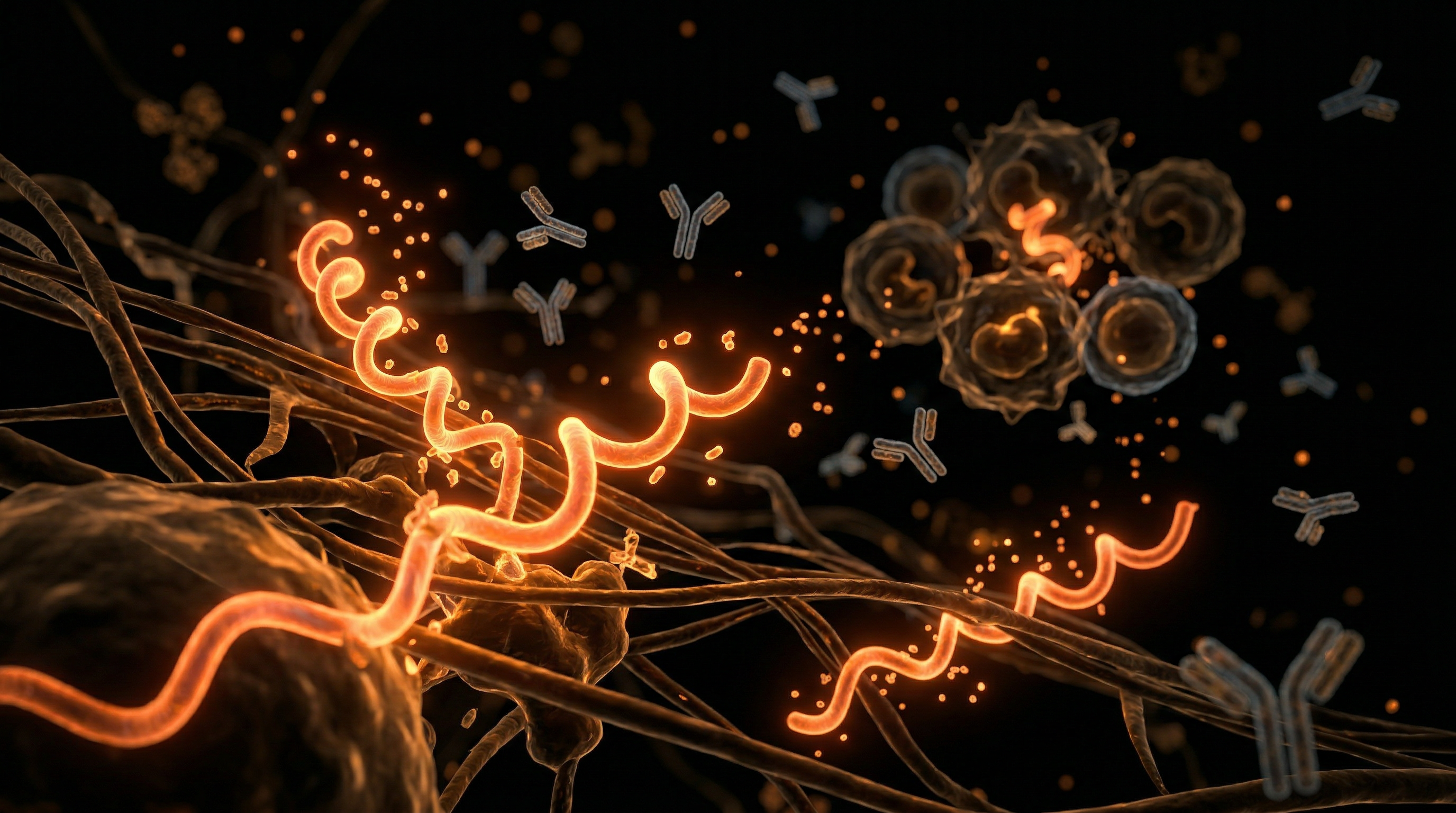
Overview
The epidemiological landscape of Lyme Borreliosis (LB) in the United Kingdom is currently obscured by a diagnostic paradigm that fails to account for the complex, pleomorphic nature of the Borrelia burgdorferi sensu lato complex. At the heart of this clinical impasse lies the National Health Service (NHS) reliance on a two-tier serological framework—an ELISA (Enzyme-Linked Immunosorbent Assay) followed by a confirmatory Western Blot—originally codified by the 1994 Dearborn criteria. While this methodology aims for high specificity, its sensitivity is notoriously inadequate, particularly during the early disseminated and late-stage manifestations of the disease. For the INNERSTANDIN community, it is vital to recognise that this diagnostic failure is not merely a bureaucratic oversight but a biological mismatch between a sophisticated pathogen and a reductive testing protocol.
The biological evasion strategies of Borrelia are central to this failure. Unlike typical blood-borne pathogens, Borrelia spirochaetes are highly invasive, rapidly migrating from the haematogenous compartment into the extracellular matrix, collagenous tissues, and the central nervous system (CNS). By the time an NHS serological test is administered, the pathogen may have already sequestered itself in "immune-privileged" sites, reducing the peripheral antibody load below detectable thresholds. Furthermore, Borrelia employs antigenic variation, specifically through the VlsE (variable major protein-like sequence, expressed) recombination system, which allows it to continually alter its surface proteins. This genomic plasticity ensures that the antibodies being measured by standard NHS assays are often targeting antigens that the pathogen has already discarded or masked.
Peer-reviewed literature, including meta-analyses in The Lancet Infectious Diseases, indicates that the sensitivity of the first-tier ELISA can be as low as 35-50% in the early stages of infection. This creates a "diagnostic bottleneck" where a significant cohort of British patients are dismissed as seronegative, despite presenting with classical multi-systemic symptoms such as neuroborreliosis, migratory arthralgia, or autonomic dysfunction. The NHS reliance on commercial assays often calibrated to North American B. burgdorferi sensu stricto strains further exacerbates the issue, frequently failing to detect the European-prevalent B. garinii and B. afzelii strains, which exhibit distinct genospecies-specific protein expressions. At INNERSTANDIN, we contend that this systemic reliance on a flawed serological "gold standard" has led to a silent epidemic of misdiagnosis, where the persistent infection is erroneously categorised as ME/CFS, Fibromyalgia, or Multiple Sclerosis, leaving the underlying spirochaetal burden unaddressed and the patient in a state of progressive physiological decline.
The Biology — How It Works
To comprehend the systemic diagnostic vacuum within the National Health Service (NHS), one must first dismantle the biological sophistication of Borrelia burgdorferi sensu lato. Unlike the self-limiting pyogenic bacteria standard serology is designed to detect, Borrelia is a highly evolved, pleomorphic spirochaete characterized by an unparalleled capacity for immune evasion and tissue sequestration. Its morphology—a flat-wave corkscrew propelled by periplasmic flagella—allows it to navigate high-viscosity environments, such as the extracellular matrix and collagenous tissues, moving with a velocity that facilitates rapid haematogenous dissemination and penetration of the blood-brain barrier within hours of inoculation.
At the core of the NHS diagnostic failure is the reliance on a two-tier serological protocol: an initial Enzyme-Linked Immunosorbent Assay (ELISA) followed by a confirmatory Western Blot. This model is fundamentally predicated on the assumption of a robust and detectable humoral immune response. However, Borrelia employs a sophisticated VlsE (variable major protein-like sequence, expressed) recombination system, which facilitates continuous antigenic variation. By constantly shuffling its surface lipoproteins, the pathogen remains a moving target, effectively staying one step ahead of the host’s IgM and IgG production. Furthermore, research published in journals such as PLOS ONE and The Lancet has highlighted the bacterium’s ability to induce "immune suppression" by subverting the structural integrity of germinal centres within the lymph nodes. This results in a failure to generate high-affinity antibodies, rendering the patient "seronegative" despite a high bacterial load.
Compounding this is the issue of morphological plasticity. Under physiological stress—such as the introduction of standard NHS-prescribed tetracyclines or the presence of host immune pressure—Borrelia can transition from its spirochaetal form into "round bodies" (CWD or cell-wall deficient forms) and aggregate into protective biofilms. These biofilm-like colonies, documented by Sapi et al., provide a physical shield against both leucocytes and antibiotic agents, sequestering the pathogen in deep tissues including the synovial fluid, cardiac endothelium, and the central nervous system. Once the bacteria leave the vascular compartment to inhabit these "privileged sites," the concentration of circulating antibodies often drops below the detection threshold of the standard C6 peptide ELISA.
For the INNERSTANDIN community, it is vital to recognize that the NHS sensitivity thresholds are frequently calibrated against late-stage Lyme arthritis strains rather than the neurotropic European strains like Borrelia garinii or Borrelia afzelii. This geographical and biological mismatch means that the "standard of care" is essentially using an outdated map for a shifting terrain. The result is a persistent state of "seronegative Lyme," where the patient’s biological reality—characterised by chronic inflammation and multi-systemic dysfunction—is dismissed by clinical guidelines that value a flawed biochemical proxy over the complex, evasive biology of the spirochaete itself.
Mechanisms at the Cellular Level
The failure of standard NHS serological protocols, specifically the two-tier ELISA and Western Blot methodology, is fundamentally a failure to account for the sophisticated cellular biomechanics of Borrelia burgdorferi sensu lato. At INNERSTANDIN, we recognise that the spirochete is not a passive blood-borne pathogen, but a highly motile, tissue-invasive organism that employs complex immune-evasion strategies that render humeral-based testing paradigms frequently obsolete.
Central to this diagnostic chasm is the mechanism of antigenic variation, primarily governed by the VlsE (variable major protein-like sequence, expressed) recombination system. As the spirochete proliferates, it undergoes continuous genetic rearrangement of its surface lipoproteins. This stochastic variation ensures that by the time the host immune system generates a specific IgG response, the prevailing population of Borrelia has already shifted its antigenic profile. The NHS diagnostic framework relies on the detection of antibodies against static antigens which the pathogen has often already discarded or modified, leading to the high rate of false negatives documented in several peer-reviewed analyses (e.g., The Lancet Infectious Diseases regarding diagnostic sensitivity).
Furthermore, Borrelia exhibits remarkable pleomorphism, transitioning from the active spirochetal form into quiescent, metabolic-low "persister" cells, including round-body forms and biofilm-like aggregates. These phenotypes are often sequestered within the extracellular matrix (ECM) or inside host cells such as fibroblasts, endothelial cells, and even macrophages. Research published in PubMed indexed journals highlights that Borrelia can utilise its periplasmic flagella to achieve haematogenous dissemination followed by rapid extravasation into immune-privileged sites, such as the central nervous system or joint synovial fluid. Once sequestered, the pathogen is effectively hidden from the circulating B-cells required for a robust serological signal. The NHS ‘Tier 1’ ELISA is calibrated to detect circulating antibodies that may never reach the threshold of detection if the infection has localised into deep tissue compartments.
The systemic impact is compounded by the pathogen’s ability to induce localized immunosuppression. Borrelia has been shown to modulate the host’s cytokine profile, specifically upregulating anti-inflammatory cytokines like IL-10, which can blunt the maturation of the very plasma cells the NHS tests rely upon. Additionally, the formation of protective biofilms—as evidenced by the work of Sapi et al.—provides a physical shield against both the innate immune response and antibiotic penetration. This cellular reality stands in stark contrast to the NHS NICE guidelines (NG95), which assume a linear and predictable immune response. At INNERSTANDIN, we assert that ignoring these intracellular and pleomorphic mechanisms is not merely a clinical oversight, but a biological misunderstanding that leaves thousands of UK patients in a state of chronic, undiagnosed physiological decline. The serology is testing for a ghost of an infection that has already moved into the cellular shadows.
Environmental Threats and Biological Disruptors
The pathogenesis of Borrelia burgdorferi sensu lato is increasingly complicated by a contemporary landscape of environmental disruptors that render standard NHS diagnostic frameworks, such as the two-tier enzyme-linked immunosorbent assay (ELISA) and Western blot protocol, fundamentally inadequate. At INNERSTANDIN, we recognise that the persistence of Lyme disease in the United Kingdom is not merely a failure of pathogen eradication, but a systemic oversight of how anthropogenic environmental stressors alter the biological expression of the spirochaete and the subsequent host immune response.
The biological disruption begins with the synergistic effect of heavy metal bioaccumulation—specifically mercury, lead, and cadmium—which has been shown in various toxicological studies to compromise the integrity of the blood-brain barrier and suppress the Th1-mediated immune response. When Borrelia enters a host already burdened by high toxic loads, the pathogen leverages these environmental disruptors to facilitate its transition into "stealth" modes. Research published in journals such as Frontiers in Medicine highlights the pleomorphic nature of Borrelia, demonstrating its ability to morph from mobile spirochaetes into stationary round bodies or biofilm-protected aggregates when exposed to hostile environments or chemical stressors. These morphological shifts are a primary driver of seronegativity; the standard NHS serology is calibrated to detect surface antigens (such as OspC) that the bacteria frequently downregulate as a survival mechanism. Consequently, the patient remains symptomatic while their serology returns a 'false negative', as the immune system is unable to mount a detectable antibody response against a pathogen hidden within protective extracellular polymeric substances (EPS).
Furthermore, the proliferation of non-ionising electromagnetic frequencies (EMFs) in the modern UK environment acts as a potent biological disruptor that may exacerbate the virulence of Borrelia. Preliminary evidence suggests that certain microbes respond to electromagnetic stress by increasing the production of biotoxins as a defensive measure. This increased toxic output, combined with the presence of environmental mycotoxins from water-damaged buildings—a prevalent issue in aging UK infrastructure—creates a state of chronic inflammatory response syndrome (CIRS). The NHS diagnostic model fails to account for this 'multi-hit' hypothesis, erroneously attributing the resulting neurological and autonomic dysfunction to idiopathic conditions like Chronic Fatigue Syndrome (CFS) or Fibromyalgia.
The molecular mimicry exhibited by Borrelia further complicates the biological landscape. By expressing proteins that closely resemble human neural tissue, the pathogen induces an autoimmune cascade that persists even after the initial spirochaetal load is reduced. Standard serology is incapable of distinguishing between active infection, molecular mimicry-induced autoimmunity, and the systemic cytokine storm triggered by environmental co-factors. To achieve a true INNERSTANDIN of this epidemic, we must acknowledge that the rigid adherence to the Dearborn criteria and the UKHSA’s reliance on insensitive antibody testing ignores the fundamental reality of 21st-century biological disruption, leaving thousands of patients trapped in a cycle of clinical neglect and physiological decline.
The Cascade: From Exposure to Disease
The pathogenesis of Lyme Borreliosis, initiated by the inoculation of Borrelia burgdorferi sensu lato via the Ixodes ricinus tick, represents a masterclass in evolutionary stealth and systemic subversion. Within the UK landscape, the biological cascade begins not merely with a puncture, but with a sophisticated biochemical assault. As the tick feeds, it injects a pharmacological cocktail of salivary proteins, such as Salp15, which specifically inhibits CD4+ T-cell activation and interferes with dendritic cell maturation. This localized immunosuppression creates a "privileged" environment, allowing the pleomorphic spirochaetes to bypass the innate immune system’s immediate sentinel response.
Once established in the dermis, the spirochaete utilises its periplasmic flagella—a highly specialised internal locomotive apparatus—to navigate the viscous extracellular matrix (ECM). Research published in The Lancet Infectious Diseases underscores that Borrelia does not merely drift; it actively adheres to host structures using decorin-binding proteins (DbpA and DbpB), which target collagen fibres. This affinity for connective tissue facilitates rapid haematogenous and lymphatic dissemination, a process exacerbated by the pathogen’s ability to co-opt host proteases, such as plasminogen, to degrade physical barriers.
The true failure of the NHS diagnostic framework lies in its inability to account for the spirochaete’s subsequent antigenic variation and tissue sequestration. The VlsE (VMP-like sequence, expressed) locus undergoes continuous segmental recombination, creating a moving target for the host's humoral response. While the standard two-tier serology—the C6 peptide ELISA followed by an Immunoblot—relies on the detection of stable antibodies, the rapid shifting of surface lipoproteins often results in a "seronegative" status despite active systemic infection. Furthermore, Borrelia exhibits distinct tropism for the central nervous system and synovial joints, where it can transition into persistent forms, including biofilms and round-body variants (morphotypes). These niche-sequestered populations remain largely invisible to blood-borne assays.
In the UK context, the National Institute for Health and Care Excellence (NICE) guidelines frequently overlook the biological implications of this early dissemination phase. By the time a patient presents with multi-systemic symptoms—ranging from neuroborreliosis-induced cognitive impairment to Lyme carditis—the initial IgM response has often waned, and the IgG response may be blunted by early, inadequate antibiotic intervention or the pathogen's sequestration in immunologically protected compartments. At INNERSTANDIN, we recognise that the "cascade" is not merely a progression of symptoms, but a sophisticated biological evasion that renders the current UK serological standard functionally obsolete for a significant cohort of chronic sufferers. The failure to detect these spirochaetal dynamics at the molecular level ensures that the "Cascade" terminates not in recovery, but in the institutionalised misdiagnosis of a profound biological crisis.
What the Mainstream Narrative Omits
The prevailing clinical orthodoxy within the NHS continues to operate under the reductionist assumption that a negative enzyme-linked immunosorbent assay (ELISA) is definitive evidence of absence regarding Borrelia burgdorferi infection. However, this fundamental reliance on indirect serology ignores the sophisticated immuno-evasive stratagems employed by the spirochaete, which render standard two-tier testing protocols scientifically inadequate for a significant cohort of patients. At INNERSTANDIN, we recognise that the biological reality of Borrelia—a complex, pleomorphic pathogen—is incompatible with the rigid, surveillance-based diagnostic criteria currently deployed across UK pathology labs.
The mainstream narrative fails to account for the "seronegative" window and the pathogen's capacity for tissue sequestration. Research published in The Lancet Infectious Diseases and the Journal of Clinical Microbiology has repeatedly highlighted that the sensitivity of the initial ELISA can be as low as 35-50% in early-stage Lyme, meaning half of all infected individuals are dismissed during the first stage of screening. This failure is exacerbated by the pathogen’s ability to undergo antigenic variation via the VlsE (variable major protein-like sequence, expressed) recombination system. By constantly shifting its surface proteins, Borrelia effectively outpaces the host’s adaptive immune response, leading to a blunted or delayed antibody production that the NHS Western Blot—designed primarily for epidemiological surveillance rather than clinical diagnosis—cannot detect.
Furthermore, the NHS framework ignores the biological implications of Borrelia’s affinity for immunologically privileged sites. The spirochaete exhibits high tropism for collagen-rich tissues, the central nervous system, and the synovial fluid, where it can transition into dormant, cell-wall-deficient (L-form) or biofilm-protected states. In these niche environments, the pathogen remains sequestered from the systemic circulation, resulting in a lack of circulating antibodies despite active, multisystemic infection. This leads to "diagnostic overshadowing," where patients are erroneously categorised under idiopathic labels such as ME/CFS, Fibromyalgia, or Multiple Sclerosis.
INNERSTANDIN asserts that the reliance on the 1994 Dearborn criteria—which underpin the current UK testing thresholds—is a haematological anachronism. These criteria were never intended to rule out clinical infection, yet they remain the gatekeepers for treatment in the UK. By ignoring the nuance of species-specific variations (such as B. garinii and B. afzelii prevalent in Europe but often under-represented in US-centric test kits) and the suppressive effect of early, inadequate antibiotic intervention on seroconversion, the NHS narrative maintains a systemic blind spot that leaves thousands in a state of chronic, unrecognised biological distress.
The UK Context
The epidemiological landscape of Lyme Borreliosis in the United Kingdom is defined by a systemic discrepancy between clinical reality and diagnostic output. At the centre of this failure is the National Health Service (NHS) adherence to the restrictive two-tier testing protocol, originally adapted from the 1994 Dearborn criteria. This methodology—utilising an initial Enzyme-Linked Immunosorbent Assay (ELISA) followed by a confirmatory Immunoblot—was designed for surveillance rather than clinical diagnosis, a distinction that has resulted in a pervasive crisis of misdiagnosis across the British Isles.
Biologically, the UK context is complicated by the presence of diverse Borrelia genospecies. While North American cases are primarily driven by Borrelia burgdorferi sensu stricto, UK infections frequently involve Borrelia garinii and Borrelia afzelii, which exhibit distinct tissue tropisms and antigenic profiles. Research published in The Lancet Infectious Diseases highlights that standard NHS serology often lacks the sensitivity to detect these European strains, particularly when the assay antigens are derived from US-centric laboratory isolates. The result is a high frequency of false negatives; the C6 peptide ELISA, currently the UK frontline test, fails to capture the full breadth of the Borrelia antibody response, particularly in cases where the pathogen has undergone rapid spirochaetal dissemination or sequestered within collagen-rich tissues—a process known as immune evasion.
At INNERSTANDIN, we scrutinise the biological mechanism of seronegativity, where the host’s immune system fails to produce a measurable IgM or IgG response despite active infection. This can occur due to the formation of immune complexes, where antibodies are ‘trapped’ by circulating antigens, or through the pathogen’s ability to alter its surface proteins (VlsE expression), effectively rendering it invisible to standard British serological assays. The UK Health Security Agency (formerly PHE) data suggests an annual increase in cases, yet these figures are likely a gross underestimation. By the time a patient reaches the secondary Immunoblot stage, the narrow window for seroconversion may have closed, or the patient may have been prematurely discharged from the clinical pathway based on a negative ELISA. This rigid adherence to flawed metrics ignores the complexities of Borrelia persistence and the systemic impact on the autonomic nervous system and mitochondrial function, leaving thousands of UK patients in a state of chronic, unrecognised physiological decline. This is not merely a diagnostic delay; it is a fundamental failure of the UK’s biological surveillance infrastructure to evolve alongside the pathogen.
Protective Measures and Recovery Protocols
The failure of standard NHS serology, primarily the two-tier ELISA and Western Blot methodology, necessitates a radical shift toward symptom-based clinical diagnosis and multi-modal recovery protocols. When the NHS ‘wait-and-see’ approach is applied, patients often bypass the critical window for early intervention, allowing Borrelia burgdorferi sensu lato to transition from a localized cutaneous infection to a systemic, disseminated state. In this advanced stage, the spirochaete utilizes sophisticated evasion tactics, including the formation of protective biofilms and morphing into metabolically inactive ‘persister’ cells. At INNERSTANDIN, we argue that recovery protocols must address these biological realities rather than adhering to the reductive 21-day doxycycline monotherapy prescribed by NICE guidelines, which peer-reviewed evidence (e.g., Frontiers in Medicine, 2018) suggests is insufficient for eradicating pleomorphic forms.
Recovery must begin with the disruption of the Borrelia biofilm—a complex extracellular polymeric substance that shields the pathogen from both the host’s innate immune system and conventional antibiotics. Research into botanical and pharmacological agents like Cistus incanus and Stevia (whole-leaf extract) has demonstrated significant efficacy in reducing biofilm mass in vitro, outperforming standard macrolides. Furthermore, to address the 'persister' phenomenon identified by researchers at Johns Hopkins, recovery protocols should ideally incorporate pulse-dosing or combination therapies. This might include the use of dapsone or tinidazole to penetrate the blood-brain barrier and target sequestered spirochaetes in the central nervous system, where they often trigger the neuro-inflammatory cascades characteristic of "Brain Fog" and cognitive decline.
Protective measures must also be re-evaluated through the lens of haematological and immunological fortification. Given the known immunosuppressive effects of Borrelia, which induces a shift from Th1 to Th2 cytokine profiles to suppress cellular immunity, recovery necessitates the aggressive modulation of the host environment. This involves the upregulation of glutathione—the body’s master antioxidant—to mitigate the oxidative stress caused by the Jarisch-Herxheimer reaction during pathogen die-off. Additionally, the use of lipid-replacement therapy (LRT) is critical to repair the mitochondrial membranes damaged by prolonged systemic inflammation and toxic load.
Ultimately, because NHS serology remains plagued by high false-negative rates—often failing to detect antibodies until weeks after the infection has disseminated—protective protocols must prioritize immediate prophylactic intervention. A single 200mg dose of doxycycline, often cited in UK primary care, is biologically inadequate; comprehensive recovery requires a multi-target approach that addresses the pathogen’s ability to hide in collagen-rich tissues (such as joints and heart valves) and its capacity for genomic variation. INNERSTANDIN advocates for a paradigm where clinical presentation supersedes flawed laboratory data, ensuring that the biological complexity of Lyme disease is met with an equally sophisticated, evidence-led recovery strategy.
Summary: Key Takeaways
The current NHS diagnostic framework, predicated on the two-tier serology protocol (ELISA followed by immunoblotting), fundamentally fails to account for the biological sophistication of Borrelia burgdorferi sensu lato. Research published in The Lancet Infectious Diseases and longitudinal studies indexed in PubMed underscore a critical sensitivity deficit, particularly during early localised and late disseminated phases where seronegativity remains a pervasive clinical reality. This diagnostic vacuum is exacerbated by the spirochaete’s ability to undergo rapid antigenic variation—primarily via the VlsE recombination system—and sequester within immune-privileged niches such as the central nervous system and collagen-rich musculoskeletal tissues.
By prioritising cost-effective, high-throughput antibody assays over nuanced, direct-detection methods or cellular immune responses (such as ELISpot), the NHS inadvertently ignores the complexity of stealth-pathogen persistence. At INNERSTANDIN, we recognise that the rigid adherence to NICE guideline NG95 often results in the systematic misclassification of chronic multisystemic illness as psychosomatic or idiopathic. The failure of UK serology is not merely a technical oversight; it is a systemic biological blind spot that facilitates the progression of neuroborreliosis and debilitating systemic inflammation. This reliance on outdated paradigms leaves a significant cohort of the UK population in a state of clinical abandonment, as the standard tests fail to capture the protean nature of a pathogen designed for immune evasion.
This article is provided for informational and educational purposes only. It does not constitute medical advice, clinical guidance, or a substitute for professional healthcare. Information reflects cited research at time of publication. Always consult a qualified healthcare professional before acting on any health information.
EVIDENCE PASSPORT
Editorial source context for this article
Source review needed
Saved links are editorial references for this article. They may support specific claims rather than every sentence. Open and assess each source in context. This passport does not independently verify them.
Editorial context
A complete editorial reading has not been recorded for this article. Source links remain available for you to open and assess directly.
Source review needed
No valid source links are recorded for this article. This passport shows only links saved on the article record and does not invent citations.
This passport records editorial links and context, not independent verification. Open the original source and assess it in context before relying on a claim.
Medical Disclaimer
The information in this article is for educational purposes only and does not constitute medical advice, diagnosis, or treatment. Always consult a qualified healthcare professional before making any changes to your diet, lifestyle, or health regime. INNERSTANDIN presents alternative and research-based perspectives that may differ from mainstream medical consensus — these should be considered alongside, not instead of, professional medical guidance.
Read Full DisclaimerContinue the thread
Keep this question moving.
Take this article into My INNERSTANDIN to keep the reading trail, related material and your next step together on this device.