
The Maxillary Expansion Crisis: Why Adult Orthodontics Often Fails the Airway
Published April 2026
Conventional adult orthodontics often prioritizes dental alignment over the structural integrity of the upper airway and the mid-palatal suture. This investigative piece explores how restrictive orthodontic practices can lead to narrow dental arches, exacerbating obstructive sleep apnea and TMJ dysfunction. By understanding the biological mechanism of maxillary expansion, patients can seek treatments that address the craniofacial foundation rather than just the teeth.
Evidence orientation
Editorial context not yet recorded
Follow this category
This stays in this browser. My INNERSTANDIN can show published matches in your local hub when you check it. It does not send email, push, or alert notifications.
Local learning review
A private browser aid for revisiting ideas. It is not an alert or a health recommendation.
Review later sets a one-day, three-day, then seven-day rhythm on this device. Choose it only when you want to revisit this article.
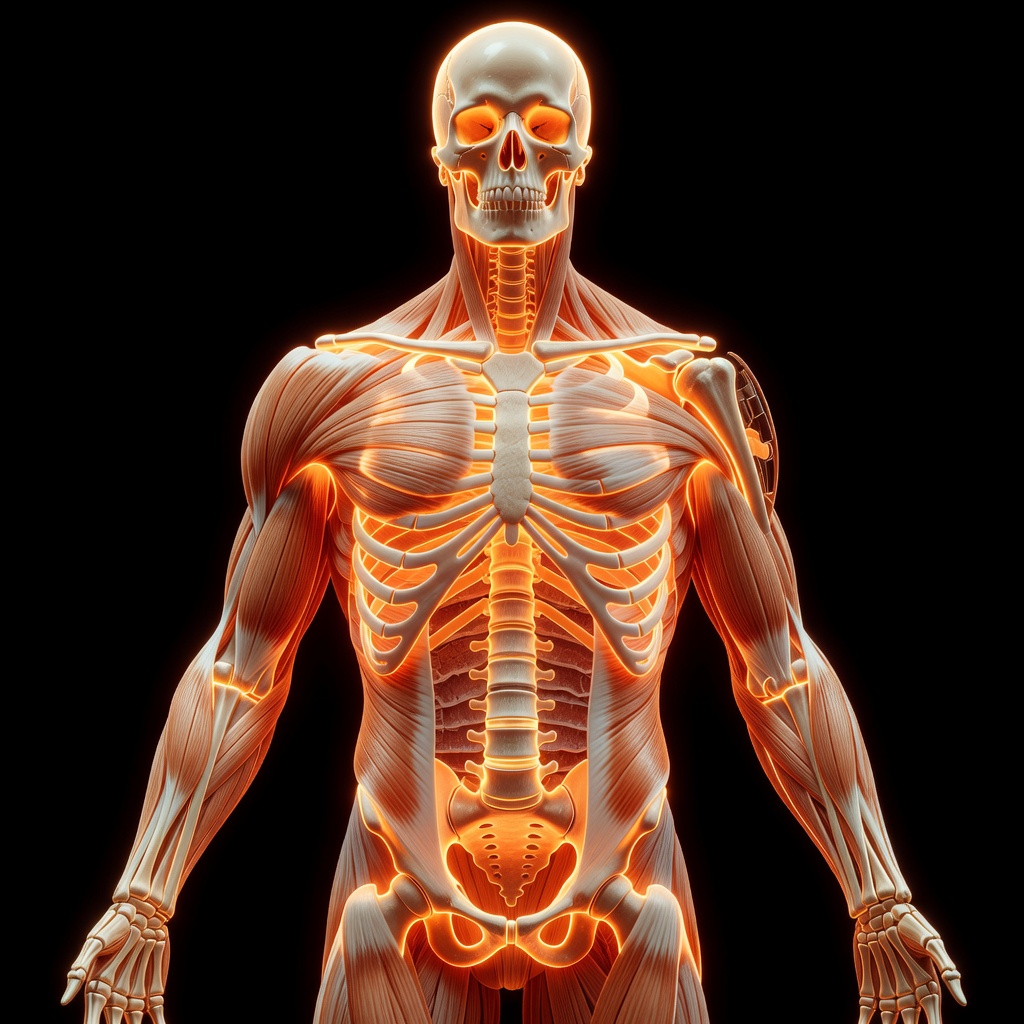
In the realm of modern orthodontics, the 'aesthetic' smile has long been the primary metric of success. However, an emerging body of evidence suggests that focusing solely on tooth alignment, often involving the extraction of premolars and the retraction of the dental arch, may be compromising the respiratory health of millions. This is the Maxillary Expansion Crisis. The maxilla, or upper jaw, forms the floor of the nasal cavity and the roof of the mouth. When this bone is narrow or underdeveloped, a condition common in industrialized populations due to soft diets and mouth breathing, the nasal airway is restricted.
Mainstream NHS guidelines often suggest that skeletal expansion is impossible once the mid-palatal suture fuses in late adolescence. This article challenges that notion, highlighting advanced protocols like Maxillary Skeletal Expansion (MSE) and Surgically Assisted Rapid Palatal Expansion (SARPE). Biologically, the maxilla is not just a housing for teeth; it is a critical component of the craniofacial respiratory complex. When the maxilla is narrow, the tongue is forced backward into the oropharynx, significantly increasing the risk of obstructive sleep apnea (OSA) and upper airway resistance syndrome (UARS). Research from Stanford University and other leading institutions has shown a direct correlation between narrow palates and sleep-disordered breathing.
Furthermore, a restricted maxilla places undue pressure on the temporomandibular joints (TMJ), as the mandible is forced to bite in a retruded position. Environmental factors, particularly the shift toward ultra-processed, soft foods, have led to a lack of 'masticatory stress'—the mechanical loading required to stimulate lateral bone growth in the face. This 'disuse atrophy' of the human face is a hallmark of the Anthropocene. To rectify this, health-conscious adults must look beyond traditional braces. Myofunctional therapy, which retrains the tongue to sit on the roof of the mouth, acts as a natural palatal expander.
In cases of severe deficiency, skeletal expansion devices that anchor directly to the bone can reopen the mid-palatal suture even in adults, widening the nasal floor and permanently improving airway volume. The takeaway is clear: the jaw is a functional organ of breathing first and a cosmetic structure second.
This article is provided for informational and educational purposes only. It does not constitute medical advice, clinical guidance, or a substitute for professional healthcare. Information reflects cited research at time of publication. Always consult a qualified healthcare professional before acting on any health information.
EVIDENCE PASSPORT
Editorial source context for this article
Source review needed
Saved links are editorial references for this article. They may support specific claims rather than every sentence. Open and assess each source in context. This passport does not independently verify them.
Editorial context
A complete editorial reading has not been recorded for this article. Source links remain available for you to open and assess directly.
Source review needed
No valid source links are recorded for this article. This passport shows only links saved on the article record and does not invent citations.
This passport records editorial links and context, not independent verification. Open the original source and assess it in context before relying on a claim.
Medical Disclaimer
The information in this article is for educational purposes only and does not constitute medical advice, diagnosis, or treatment. Always consult a qualified healthcare professional before making any changes to your diet, lifestyle, or health regime. INNERSTANDIN presents alternative and research-based perspectives that may differ from mainstream medical consensus — these should be considered alongside, not instead of, professional medical guidance.
Read Full DisclaimerContinue the thread
Keep this question moving.
Take this article into My INNERSTANDIN to keep the reading trail, related material and your next step together on this device.