
Mechanisms of Endotoxin Neutralization: Clay-Mediated Inhibition of Lipopolysaccharide Translocation
Discuss this resourceUpdated August 2026
An in-depth exploration of how therapeutic clays act as molecular sieves to neutralize lipopolysaccharides (LPS) and prevent metabolic endotoxemia at the gut-barrier interface.
Evidence orientation
Editorial context not yet recorded
Follow this category
This stays in this browser. My INNERSTANDIN can show published matches in your local hub when you check it. It does not send email, push, or alert notifications.
Local learning review
A private browser aid for revisiting ideas. It is not an alert or a health recommendation.
Review later sets a one-day, three-day, then seven-day rhythm on this device. Choose it only when you want to revisit this article.
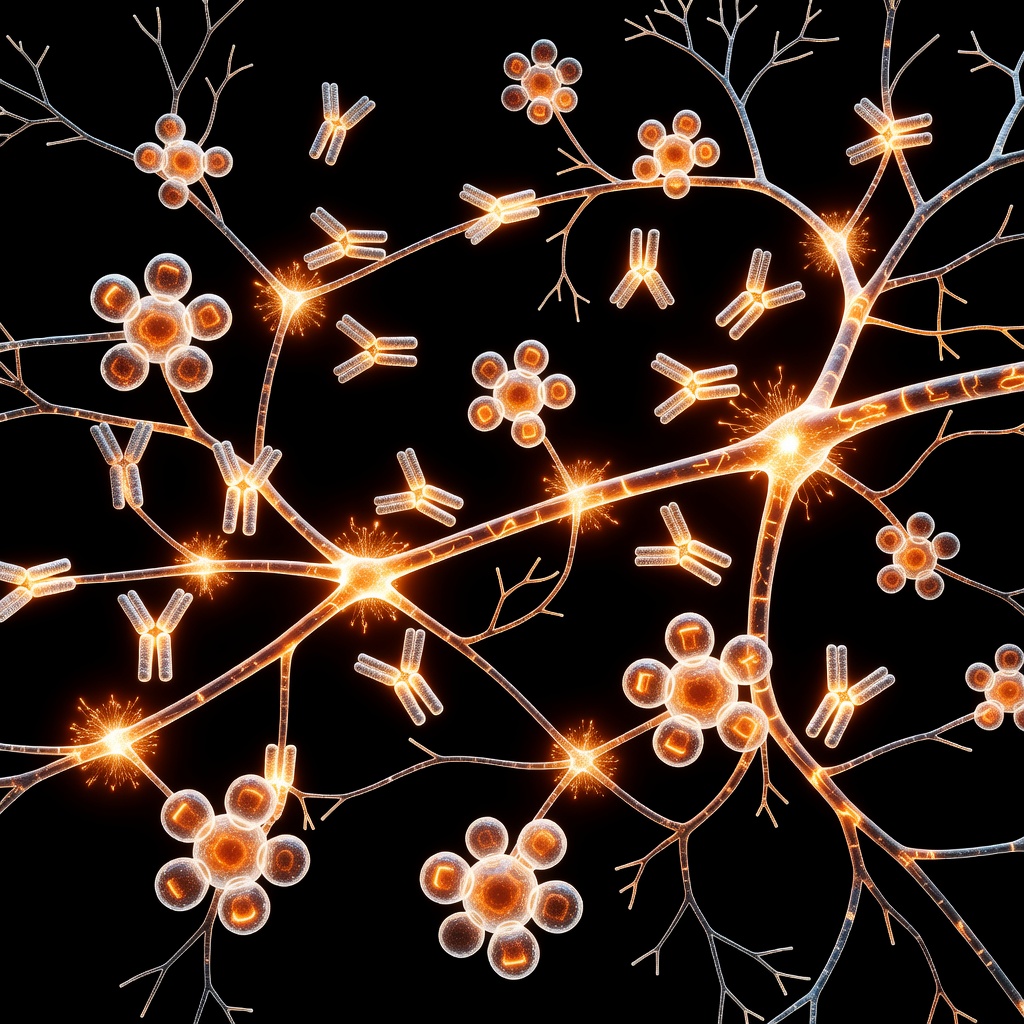
Introduction: The Silent Threat of Endotoxemia. In the modern landscape of functional health, the integrity of the gastrointestinal lining is paramount. Lipopolysaccharides (LPS)—commonly known as endotoxins—are major structural components of the outer membrane of Gram-negative bacteria. When gut barrier integrity is compromised, a phenomenon known as increased intestinal permeability, these endotoxins escape the lumen and enter systemic circulation. This triggers a cascade of chronic low-grade inflammation, often the root cause of metabolic disorders. ## The Physicochemical Mechanism of Clay Adsorption.
Therapeutic clays, such as bentonite and montmorillonite, possess a unique structural property: a layered phyllosilicate lattice. These layers create a high-surface-area environment with significant cation exchange capacity (CEC). When ingested, these clays act as selective adsorbents. Due to the negative charge of LPS molecules, they are drawn into the interlayer spaces of the clay particles via electrostatic forces and hydrogen bonding. Essentially, the clay acts as a molecular magnet, sequestering endotoxins before they can interact with the toll-like receptor 4 (TLR4) on our immune cells. ## Blocking Translocation.
By binding LPS within the intestinal lumen, clays inhibit the physical translocation of endotoxins across the paracellular space. This serves two functions: it reduces the immediate 'leaky gut' burden and prevents the activation of the NF-κB inflammatory pathway. By neutralizing these triggers at the source, the body can shift its resources from constant inflammatory signaling to tissue repair and homeostasis. ## Practical Considerations for Protocol. For the INNERSTANDING community, we emphasize quality. Not all clays are equal.
Pharmaceutical-grade, calcium-bentonite clays are preferred for their purity and specific surface charge characteristics. Consistency is key; these should be taken away from supplements and medications to ensure they do not bind therapeutic compounds before they are absorbed. We recommend a phased approach, starting with low doses to monitor digestive responses as the body stabilizes its inflammatory load. ## Conclusion: Root-Cause Healing. Addressing endotoxemia is not merely about symptomatic relief; it is about restoring the fundamental barrier function of the human gut. By utilizing the passive, physical mechanism of clay-mediated adsorption, we can interrupt the inflammatory cycle, allowing the microbiome and the mucosa the breathing room they require to heal.
This article is provided for informational and educational purposes only. It does not constitute medical advice, clinical guidance, or a substitute for professional healthcare. Information reflects cited research at time of publication. Always consult a qualified healthcare professional before acting on any health information.
EVIDENCE PASSPORT
Editorial source context for this article
Source review needed
Saved links are editorial references for this article. They may support specific claims rather than every sentence. Open and assess each source in context. This passport does not independently verify them.
Editorial context
A complete editorial reading has not been recorded for this article, and no source links are saved on its record.
Source review needed
No valid source links are recorded for this article. Supplementary research, where available, is listed separately below.
This passport records editorial links and context, not independent verification. Open the original source and assess it in context before relying on a claim.
Medical Disclaimer
The information in this article is for educational purposes only and does not constitute medical advice, diagnosis, or treatment. Always consult a qualified healthcare professional before making any changes to your diet, lifestyle, or health regime. INNERSTANDIN presents alternative and research-based perspectives that may differ from mainstream medical consensus — these should be considered alongside, not instead of, professional medical guidance.
Read Full DisclaimerContinue the thread
Keep this question moving.
Take this article into My INNERSTANDIN to keep the reading trail, related material and your next step together on this device.
Explore this in the Body Map
Explore related body structures and their educational pages in the interactive Body Map.
Dig deeper in the Library
Free, longform PDF volumes that go beyond headlines into mechanisms and references.