
Mechanisms of Glutathione S-Transferase Induction via Palmitic Acid in Coffee Enemas
Discuss this resourceUpdated August 2026
An exploration of the biochemical pathways through which palmitic acid found in coffee enemas enhances glutathione S-transferase activity to facilitate systemic detoxification.
Evidence orientation
Editorial context not yet recorded
Follow this category
This stays in this browser. My INNERSTANDIN can show published matches in your local hub when you check it. It does not send email, push, or alert notifications.
Local learning review
A private browser aid for revisiting ideas. It is not an alert or a health recommendation.
Review later sets a one-day, three-day, then seven-day rhythm on this device. Choose it only when you want to revisit this article.
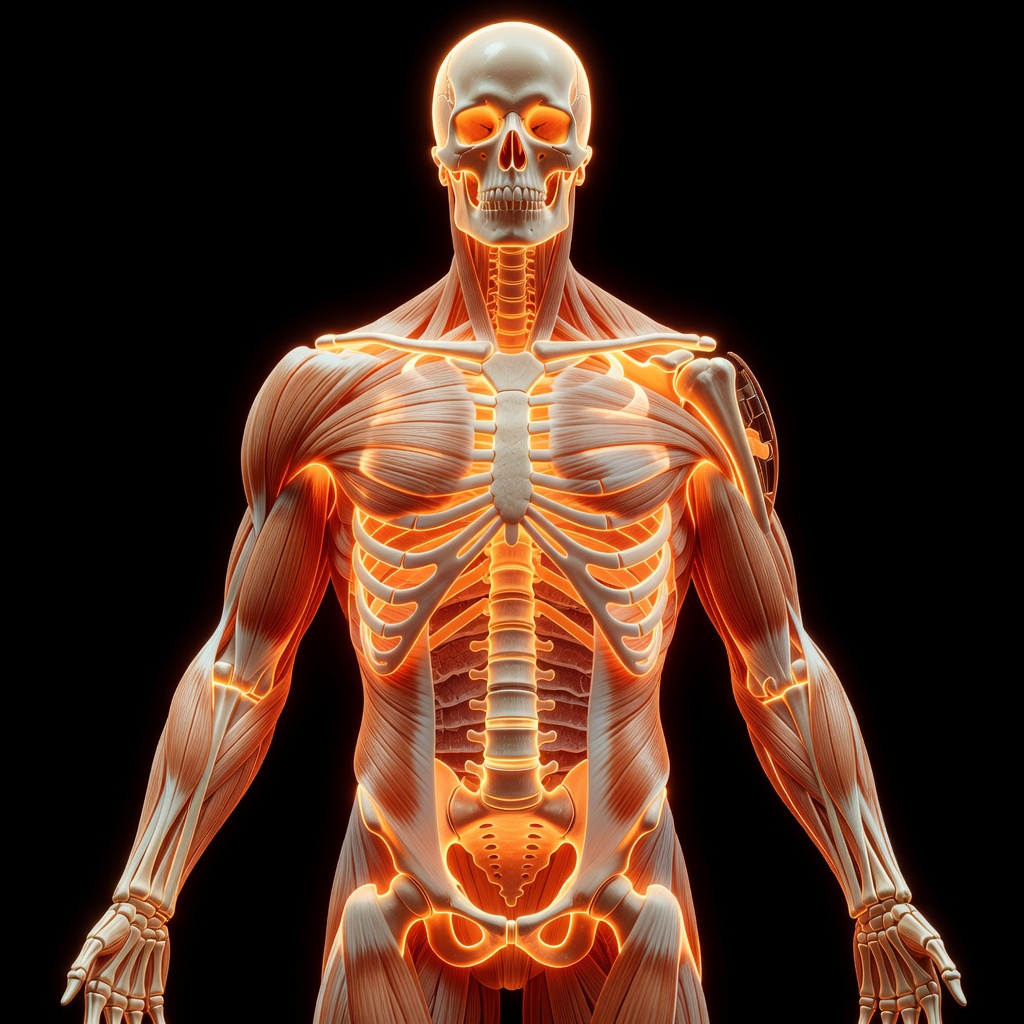
Introduction to Hepatic Detoxification. The Gerson Protocol, a foundational element of alternative metabolic therapy, has long advocated for the use of coffee enemas as a primary tool for detoxification. While traditional medicine has often dismissed this practice, current biochemical research provides a compelling mechanism: the induction of Glutathione S-Transferase (GST) via palmitic acid. This article explores how coffee compounds interact with the liver to accelerate the body's natural waste elimination pathways. ### The Role of Palmitic Acid. Coffee contains high concentrations of palmitic acid and kahweol/cafestol palmitate.
When administered rectally, these compounds are absorbed through the hemorrhoidal vein, bypassing the initial digestive processes and traveling directly to the liver via the portal vein. Once in the liver, palmitic acid serves as a potent stimulus for the biliary system. ### Glutathione S-Transferase: The Body's Primary Defense. GST is a family of enzymes that play a critical role in detoxification by catalyzing the conjugation of glutathione to electrophilic substrates. This process renders toxic metabolites water-soluble, allowing them to be excreted in bile or urine. Research indicates that the administration of coffee enemas can increase GST activity by as much as 600-700%.
This massive surge provides the liver with the resources necessary to clear circulating toxins, reactive oxygen species, and heavy metals that have been mobilized from adipose tissue. ### Biliary Dilation and Excretion. Beyond enzymatic induction, palmitic acid acts as a cholegogue, inducing the relaxation of the bile ducts and increasing the flow of bile. Because bile is the primary vehicle for transporting conjugated toxins out of the liver and into the intestines, this dual-action—increasing the efficiency of GST and promoting bile flow—creates a synergistic effect that facilitates deep cellular cleansing. ### Root Cause Perspective. From an INNERSTANDING perspective, we must view the liver not merely as a filter, but as a dynamic engine of metabolic health. Modern environmental exposure to xenoestrogens, pesticides, and heavy metals places an unprecedented burden on hepatic pathways.
By artificially inducing GST through coffee enemas, the Gerson Protocol seeks to compensate for this heavy toxic load, allowing the liver to recover its functional baseline. ### Conclusion. The induction of Glutathione S-Transferase by coffee enemas represents a sophisticated intersection of dietary chemistry and physiological optimization. By leveraging the properties of palmitic acid, one can effectively amplify the liver's innate capacity to process and eliminate the toxins that contribute to chronic disease. As always, this protocol should be approached with an understanding of individual metabolic needs and under professional guidance.
This article is provided for informational and educational purposes only. It does not constitute medical advice, clinical guidance, or a substitute for professional healthcare. Information reflects cited research at time of publication. Always consult a qualified healthcare professional before acting on any health information.
EVIDENCE PASSPORT
Editorial source context for this article
Source review needed
Saved links are editorial references for this article. They may support specific claims rather than every sentence. Open and assess each source in context. This passport does not independently verify them.
Editorial context
A complete editorial reading has not been recorded for this article, and no source links are saved on its record.
Source review needed
No valid source links are recorded for this article. Supplementary research, where available, is listed separately below.
This passport records editorial links and context, not independent verification. Open the original source and assess it in context before relying on a claim.
Medical Disclaimer
The information in this article is for educational purposes only and does not constitute medical advice, diagnosis, or treatment. Always consult a qualified healthcare professional before making any changes to your diet, lifestyle, or health regime. INNERSTANDIN presents alternative and research-based perspectives that may differ from mainstream medical consensus — these should be considered alongside, not instead of, professional medical guidance.
Read Full DisclaimerContinue the thread
Keep this question moving.
Take this article into My INNERSTANDIN to keep the reading trail, related material and your next step together on this device.
Explore this in the Body Map
Explore related body structures and their educational pages in the interactive Body Map.
Dig deeper in the Library
Free, longform PDF volumes that go beyond headlines into mechanisms and references.