
Melatonin Beyond the Pineal: Subcellular Protection via NIR Light
Updated May 2026
New research reveals that the majority of our melatonin is produced inside the mitochondria in response to near-infrared light. This subcellular melatonin acts as a master antioxidant to prevent mitochondrial decay.
Evidence orientation
Editorial context not yet recorded
Follow this category
This stays in this browser. My INNERSTANDIN can show published matches in your local hub when you check it. It does not send email, push, or alert notifications.
Local learning review
A private browser aid for revisiting ideas. It is not an alert or a health recommendation.
Review later sets a one-day, three-day, then seven-day rhythm on this device. Choose it only when you want to revisit this article.
Overview
For over half a century, the medical establishment has dogmatically defined melatonin as the "hormone of darkness"—a simple chemical messenger secreted exclusively by the pineal gland to regulate our circadian rhythms and induce sleep. This narrow classification has served a specific pharmacological narrative, but it is fundamentally incomplete. Emerging research, spearheaded by visionary biologists and photobiomodulation experts, reveals a paradigm-shifting reality: the pineal gland accounts for less than 5% of the body’s total melatonin production.
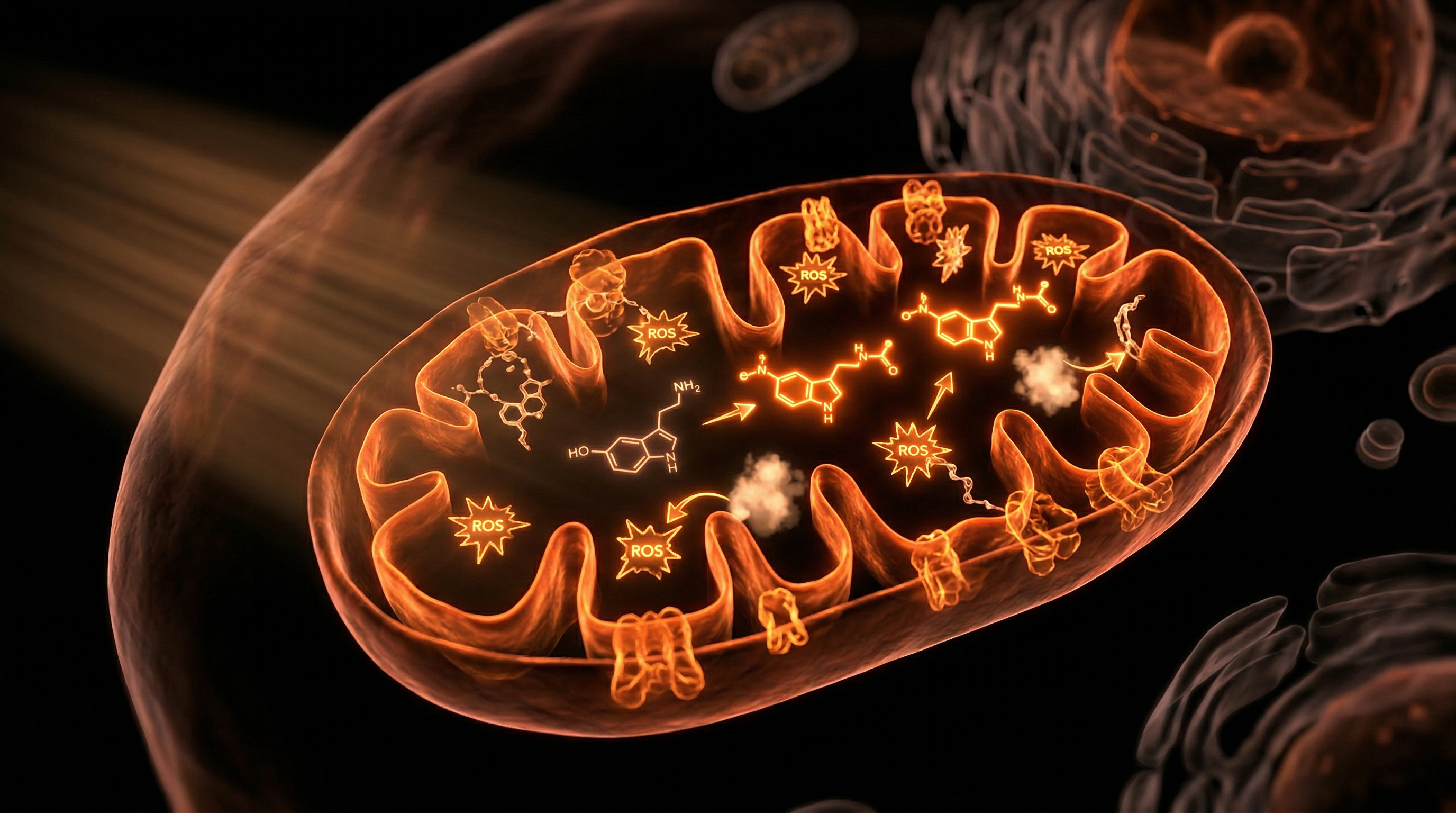
The remaining 95% is produced locally within the mitochondria of almost every cell in the human body. Unlike pineal melatonin, which is released into the systemic circulation to signal night-time, this subcellular melatonin is produced during the day in response to specific wavelengths of sunlight—specifically Near-Infrared (NIR) light.
This discovery represents one of the most significant breakthroughs in biological science in recent decades. It suggests that our cells have an inbuilt, light-driven mechanism for self-repair and antioxidant protection. Subcellular melatonin acts as a "master antioxidant," neutralizing the toxic byproducts of cellular metabolism exactly where they are generated: inside the mitochondria.
Callout Fact: While pineal melatonin peaks at night to facilitate sleep, mitochondrial melatonin is synthesized primarily during daylight hours in response to Near-Infrared light (600nm to 1200nm), acting as a localized shield against oxidative stress.
At INNERSTANDING, we recognise that this is more than just a biological curiosity; it is a vital piece of the human health puzzle that has been systematically overlooked. Modern "mal-illumination"—the chronic lack of natural NIR light coupled with an overexposure to artificial blue light—has effectively "blinded" our mitochondria, leaving them defenceless against decay. To understand why chronic disease and "inflammaging" are skyrocketing, we must look beyond the pineal gland and into the deep-tissue interactions between light and life.
The Biology — How It Works
To comprehend the significance of mitochondrial melatonin, one must first understand the unique properties of the electromagnetic spectrum. Sunlight is not merely "white light"; it is a complex cocktail of frequencies, each with a specific biological role. While the visible spectrum (Red, Orange, Yellow, Green, Blue, Indigo, Violet) allows us to see, it is the invisible Near-Infrared (NIR) spectrum that fuels our internal protection systems.
The Power of Penetration
Visible light, particularly blue and green wavelengths, has very low penetration depth, barely making it through the epidermis. In contrast, NIR light (specifically in the "optical window" of 600nm to 1200nm) can penetrate deep into human tissue—reaching several centimetres into the muscles, organs, and even the brain.
The Mitochondrial Engine
Every cell in our body contains hundreds, sometimes thousands, of mitochondria. These are the "power plants" of the cell, responsible for producing Adenosine Triphosphate (ATP), the universal currency of biological energy. This process, known as oxidative phosphorylation, is highly efficient but comes with a dangerous side effect: the production of Reactive Oxygen Species (ROS), or free radicals.
The Discovery of NIR-Triggered Synthesis
For years, it was assumed that the body relied on dietary antioxidants (like Vitamin C or E) to manage this oxidative stress. However, research led by Dr. Russel Reiter has demonstrated that the mitochondria are capable of producing their own melatonin—a molecule far more potent than any dietary supplement.
The trigger for this synthesis is the absorption of NIR photons by a specific enzyme in the mitochondrial respiratory chain called Cytochrome c oxidase (CCO). When NIR light hits CCO, it stimulates a cascade of events:
- Nitric Oxide (NO) is released, improving blood flow and oxygenation.
- ATP production is enhanced, increasing cellular energy.
- The metabolic pathway for melatonin synthesis is activated within the mitochondrial matrix.
This means that as you sit in the sun, NIR wavelengths are penetrating your skin and "charging" your cells, prompting them to create a localized pool of melatonin that never enters the bloodstream but stays within the cell to protect its delicate machinery.
Mechanisms at the Cellular Level
The "magic" of melatonin lies in its unique chemical structure and its evolution over billions of years. Melatonin is believed to be one of the oldest molecules in existence, originating in the first bacteria that utilised oxygen. Its primary role has always been the same: survival in the face of oxidative stress.
The Master Antioxidant
Melatonin is not a typical antioxidant. Most antioxidants can neutralise one free radical before they are "spent." Melatonin, however, operates through a "scavenging cascade." When it neutralises a free radical, it transforms into a secondary metabolite which is also an antioxidant. This process continues through several steps, allowing one molecule of melatonin to neutralise up to ten toxic oxygen species.
Protection of Mitochondrial DNA (mtDNA)
Unlike the DNA in our nucleus, which is protected by a robust "wrapper" of proteins, mitochondrial DNA (mtDNA) is "naked" and sits directly next to the site of free radical production. This makes it incredibly vulnerable to mutations and damage.
Subcellular melatonin acts as a bespoke shield for mtDNA. By being produced inside the mitochondria, it provides immediate, high-concentration protection that systemic (pineal) melatonin simply cannot match. This prevents the "leakage" of electrons that leads to cellular senescence and death.
The Melatonin-Autophagy Link
Mitochondrial melatonin also regulates mitophagy—the process by which the cell identifies, breaks down, and recycles damaged mitochondria. By ensuring that only healthy, high-functioning mitochondria are allowed to replicate, NIR-triggered melatonin maintains the "bio-energetic health" of the entire tissue system.
ATP Efficiency
Furthermore, melatonin has been shown to increase the efficiency of the Electron Transport Chain (ETC). It helps stabilize the mitochondrial membrane potential, ensuring that the process of making energy is as "clean" as possible. In essence, NIR light provides the stimulus, and melatonin provides the maintenance, creating a virtuous cycle of cellular vitality.
Important Statistic: It is estimated that 90% of all cellular Reactive Oxygen Species (ROS) are generated within the mitochondria. Subcellular melatonin is the only molecule present in sufficient concentrations at the source to manage this burden effectively.
Environmental Threats and Biological Disruptors
We are currently living through a period of unprecedented "light poverty." Our ancestors spent the majority of their time outdoors, bathed in a full spectrum of solar radiation. Modern humans spend roughly 90% of their time indoors, behind glass, under artificial lighting. This shift has profound consequences for our mitochondrial health.
The Glass Shield
Standard window glass is designed to block thermal heat, which it does by filtering out Near-Infrared radiation. While this keeps buildings cool, it also starves the occupants of the very wavelengths required to produce subcellular melatonin. When we are indoors, even in a "sunlit" room, we are receiving the visible light but none of the protective NIR light. This creates a state of photo-biological imbalance.
The Blue Light Hazard
The rise of LED lighting and digital screens (smartphones, tablets, laptops) has introduced a new threat: excessive Blue Light. High-energy visible (HEV) blue light, particularly in the 400-450nm range, is known to stimulate the production of ROS in the retina and skin.
In a natural setting, blue light (from the sky) is always balanced by a heavy dose of NIR light (from the sun). In the modern world, we are exposed to "isolated" blue light. This stimulates energy production and oxidative stress without providing the NIR "antidote" required to produce the melatonin necessary to clean up the mess.
EMFs and Calcium Signalling
Emerging evidence suggests that Electromagnetic Fields (EMFs) from Wi-Fi and mobile towers may also disrupt mitochondrial function. Research by Dr. Martin Pall indicates that EMFs activate Voltage-Gated Calcium Channels (VGCCs), causing an influx of calcium into the cell. This calcium overload drives up oxidative stress, further depleting the already-low levels of mitochondrial melatonin caused by NIR deficiency.
The "Sunscreen" Paradox
The mainstream dermatological advice to avoid the sun and wear high-SPF sunscreen at all times has inadvertently contributed to this crisis. Most sunscreens are designed to block UV rays, but in doing so, they often discourage the very sun exposure that provides the beneficial NIR wavelengths. Furthermore, many chemical sunscreens contain compounds that interfere with endocrine function, potentially disrupting the hormonal pathways involved in melatonin synthesis.
The Cascade: From Exposure to Disease
What happens when a population is chronically deprived of NIR light and, consequently, subcellular melatonin? The result is a slow-motion collapse of cellular integrity, manifesting as the modern epidemic of chronic diseases.
Neurodegeneration and Brain Health
The brain is the most metabolically active organ in the body, consuming roughly 20% of our total energy. This means it produces a massive amount of ROS. NIR light has been shown to penetrate the skull and reach the cerebral cortex. Without this NIR stimulus, the brain’s mitochondria cannot produce enough melatonin to protect against the buildup of Amyloid-beta and Tau proteins, the hallmarks of Alzheimer’s and Parkinson’s disease.
The Metabolic Crisis
Mitochondrial dysfunction is the root cause of Type 2 Diabetes and metabolic syndrome. When mitochondria are damaged and cannot produce ATP efficiently, the cell becomes insulin resistant. Subcellular melatonin is crucial for maintaining the "metabolic flexibility" of the cell—allowing it to switch between burning glucose and fats without generating excessive toxic waste.
Cancer and the Warburg Effect
In the 1920s, Otto Warburg discovered that cancer cells shift their metabolism away from oxidative phosphorylation (in the mitochondria) toward fermentation in the cytoplasm. We now know that this "Warburg Effect" is often a survival mechanism for cells with severely damaged mitochondria. By depriving our cells of NIR light and the resulting melatonin protection, we may be creating the very oxidative environment that triggers the oncogenic shift.
Cardiovascular Decay
The heart has the highest density of mitochondria of any organ. Cardiovascular disease is, at its core, a failure of the heart’s bio-energetics. NIR light exposure has been shown to reduce inflammation in the arterial walls and improve endothelial function by boosting mitochondrial melatonin and nitric oxide levels.
Callout Fact: Studies have shown that patients with coronary artery disease have significantly lower levels of circulating melatonin, but the real deficiency lies in the lack of localized mitochondrial melatonin within the cardiac myocytes.
What the Mainstream Narrative Omits
The suppression of the NIR-melatonin connection is not necessarily a "conspiracy," but it is a direct result of the pharmaceutical-industrial complex’s bias toward patentable molecules over "free" environmental therapies.
The Supplement Trap
The global market for melatonin supplements is worth billions. The mainstream narrative encourages people to take exogenous melatonin (often in massive doses) to help with sleep. However, exogenous melatonin is a "systemic" hormone. It does not easily penetrate the mitochondrial membrane in the same way that locally produced melatonin does. Furthermore, relying on supplements ignores the root cause: a lack of natural light exposure.
The "Sun as Villain" Narrative
For decades, we have been told that the sun is a dangerous ball of fire that causes cancer. While excessive UV exposure (sunburn) is certainly harmful, the "total avoidance" strategy has stripped us of the most powerful healing frequency in nature: Near-Infrared. The mainstream media rarely mentions that over 50% of solar energy is NIR, and that this NIR light actually helps the skin repair the damage caused by UV rays.
The Omission of PBM in Hospitals
Photobiomodulation (PBM)—the clinical use of red and NIR light—has thousands of peer-reviewed studies backing its efficacy for everything from wound healing to depression. Yet, it remains on the fringes of standard medical practice in the West. Why? Because you cannot patent a wavelength. A hospital can charge thousands for a course of chemotherapy or biological drugs, but it cannot charge the same for a lamp that stimulates the body’s own internal melatonin production.
The UK Context
In the United Kingdom, the "NIR deficiency" is particularly acute due to our geographical location and cultural habits.
The Latitude Problem
The UK’s high latitude means that for several months of the year (late autumn to early spring), the sun is too low in the sky for significant UV-B (Vitamin D) production. While NIR light is still present even on cloudy days, the intensity is much lower than in equatorial regions. This leads to a chronic "light winter" where mitochondrial melatonin production drops to dangerously low levels.
"Blue Light Britain"
The UK has one of the highest densities of screen use and artificial lighting in Europe. Our urban centres are saturated with LED streetlights, which have a sharp "blue spike" and zero NIR. This creates a perpetual state of mitochondrial stress for the millions of people living in British cities like London, Manchester, and Birmingham.
The NHS Burden
The National Health Service (NHS) is currently buckling under the weight of chronic, age-related diseases—Type 2 Diabetes, dementia, and cardiovascular failure. These are precisely the conditions linked to mitochondrial decay. A public health initiative focused on "Light Hygiene"—encouraging NIR exposure and reducing blue light—could potentially save the treasury billions of pounds, yet the current NHS protocols remain focused almost exclusively on pharmaceutical intervention after the disease has already manifested.
Protective Measures and Recovery Protocols
Understanding the science of subcellular melatonin gives us the power to take control of our biological destiny. We can "re-charge" our mitochondria through deliberate light management.
1. Morning Sunlight Exposure
The sun at dawn contains a high ratio of NIR and Red light with very little UV. Getting 15-30 minutes of direct sunlight as early as possible tells your mitochondria to begin producing the "protective pool" of melatonin for the day ahead. This also "primes" the skin, making it more resilient to the UV rays that arrive later in the day.
2. The Use of Photobiomodulation (Red Light Therapy)
For those in the UK or those who spend their days in offices, high-quality Red Light Therapy (RLT) devices are an essential biohack. Look for devices that offer a combination of 660nm (Red) and 850nm (Near-Infrared).
- Protocol: 10-20 minutes of exposure to the torso and face daily.
- Timing: Ideally in the morning or early afternoon to mimic natural solar cycles.
3. Indoor Light Management
- Replace LEDs: Wherever possible, use incandescent or halogen bulbs in your living spaces. These bulbs produce heat, which means they are emitting NIR light—unlike modern LEDs.
- Blue Blockers: Wear high-quality "blue blocking" glasses after sunset to prevent the suppression of pineal melatonin, but also consider "daytime" versions that filter the harsh HEV spikes from computer screens.
- Software: Use programmes like Iris or f.lux on all digital devices to shift the colour temperature toward the red end of the spectrum.
4. Near-Infrared Saunas
Unlike traditional Finnish saunas which heat the air, NIR Saunas use lamps to penetrate the tissues directly. This provides a double benefit: the heat triggers "heat shock proteins" for cellular repair, while the NIR wavelengths trigger mitochondrial melatonin production.
5. Nutrition for the Mitochondria
While light is the primary trigger, the body needs the raw materials to build melatonin.
- Tryptophan: Ensure adequate intake of this amino acid (found in turkey, eggs, and pumpkin seeds), as it is the precursor to melatonin.
- Magnesium: A crucial cofactor in over 300 enzymatic reactions, including those in the melatonin synthesis pathway.
- Avoid Seed Oils: Processed vegetable oils (rich in Linoleic Acid) can incorporate into mitochondrial membranes, making them more prone to the oxidative damage that melatonin is trying to prevent.
Summary: Key Takeaways
The discovery of subcellular melatonin is a call to return to our biological roots. We are light-driven organisms, and our modern environment is fundamentally mismatched with our evolutionary requirements.
- Melatonin is not just for sleep: 95% of it is produced in the mitochondria to serve as the body’s "master antioxidant."
- NIR Light is the Trigger: Near-Infrared light from the sun (or RLT devices) penetrates the skin to stimulate melatonin synthesis exactly where it’s needed.
- The Mitochondrial Shield: Subcellular melatonin protects our DNA and ensures efficient energy production, preventing the "decay" associated with aging and chronic disease.
- Modern Lighting is Toxic: Our reliance on blue-rich LEDs and the lack of NIR exposure in modern buildings is creating a state of mitochondrial starvation.
- Action is Necessary: By prioritizing morning sunlight, using PBM devices, and managing artificial light, we can restore our cellular defences and reclaim our health.
In the words of the researchers who uncovered this truth: We are currently living in a "dark age" of light. To move forward, we must look beyond the pineal gland and embrace the restorative power of the infrared spectrum. The future of medicine is not a new pill; it is a return to the light.
"Senior Biological Researcher"
INNERSTANDING
This article is provided for informational and educational purposes only. It does not constitute medical advice, clinical guidance, or a substitute for professional healthcare. Information reflects cited research at time of publication. Always consult a qualified healthcare professional before acting on any health information.
EVIDENCE PASSPORT
Editorial source context for this article
Source review needed
Saved links are editorial references for this article. They may support specific claims rather than every sentence. Open and assess each source in context. This passport does not independently verify them.
Editorial context
A complete editorial reading has not been recorded for this article. Source links remain available for you to open and assess directly.
Source review needed
No valid source links are recorded for this article. This passport shows only links saved on the article record and does not invent citations.
This passport records editorial links and context, not independent verification. Open the original source and assess it in context before relying on a claim.
Medical Disclaimer
The information in this article is for educational purposes only and does not constitute medical advice, diagnosis, or treatment. Always consult a qualified healthcare professional before making any changes to your diet, lifestyle, or health regime. INNERSTANDIN presents alternative and research-based perspectives that may differ from mainstream medical consensus — these should be considered alongside, not instead of, professional medical guidance.
Read Full DisclaimerContinue the thread
Keep this question moving.
Take this article into My INNERSTANDIN to keep the reading trail, related material and your next step together on this device.
Explore this in the Body Map
See where this hits your biology. Interactive anatomy, threats, and protective protocols.
Dig deeper in the Library
Free, longform PDF volumes that go beyond headlines into mechanisms and references.