
Microbial Dysbiosis and the LPS-TLR4 Axis: The Molecular Trigger for Chronic Intestinal Inflammation
Discuss this resourceUpdated August 2026
An in-depth exploration of how bacterial imbalances in the gut lead to the activation of the LPS-TLR4 pathway, driving systemic inflammation and compromising intestinal barrier integrity.
Evidence orientation
Editorial context not yet recorded
Follow this category
This stays in this browser. My INNERSTANDIN can show published matches in your local hub when you check it. It does not send email, push, or alert notifications.
Local learning review
A private browser aid for revisiting ideas. It is not an alert or a health recommendation.
Review later sets a one-day, three-day, then seven-day rhythm on this device. Choose it only when you want to revisit this article.
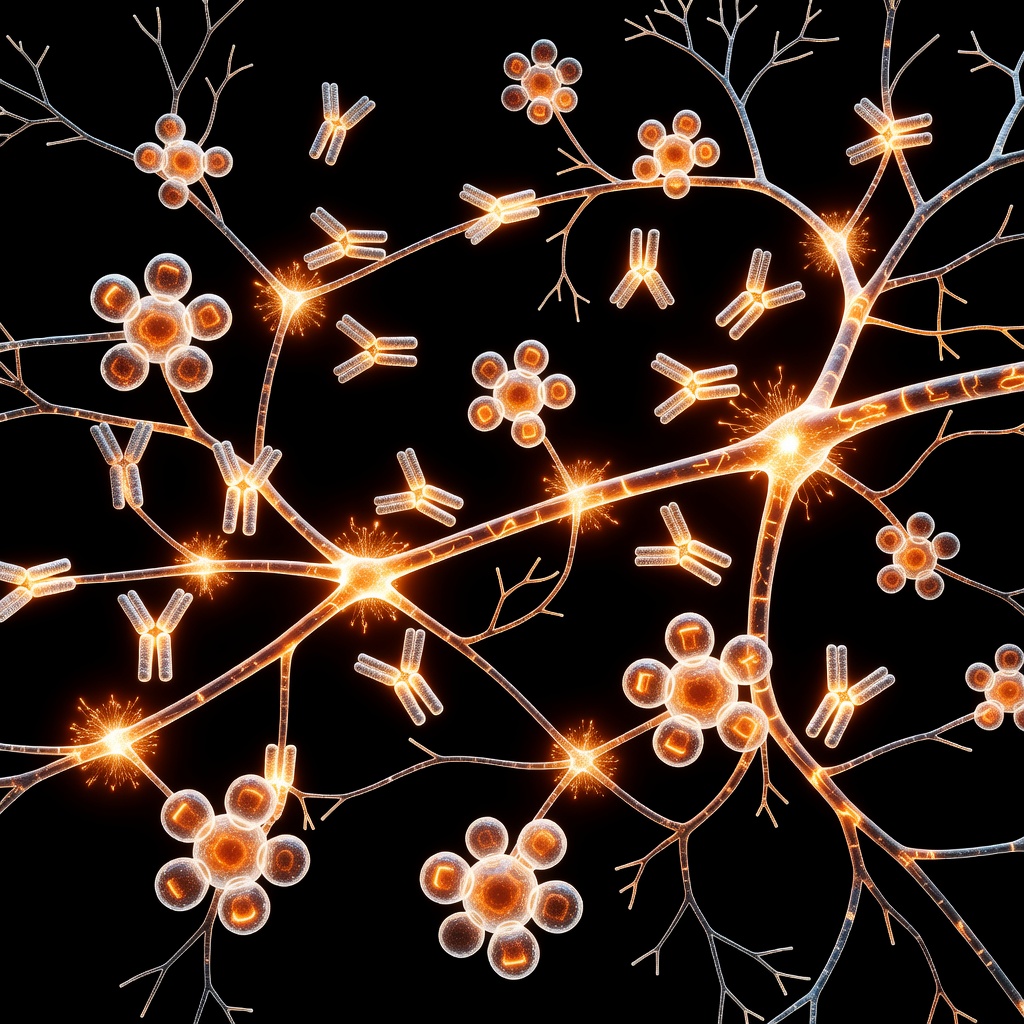
TLR4 functions as a molecular switch; upon binding with LPS, it triggers the NF-κB signaling pathway. This activation initiates the transcription of pro-inflammatory cytokines, including TNF-α, IL-6, and IL-1β. This cascade is not merely a localized event but a catalyst for systemic metabolic endotoxemia, a root cause of chronic fatigue, insulin resistance, and neuroinflammation. ## Why Gut Permeability Matters. The 'leaky gut' phenomenon is the physical manifestation of this molecular failure. Tight junction proteins, specifically zonulin and occludin, become dysregulated under constant inflammatory stress.
As these barriers degrade, the influx of endotoxins creates a feedback loop: chronic inflammation further damages epithelial cells, which in turn permits greater LPS exposure. Breaking this cycle requires a root-cause approach focusing on restoring microbial diversity through targeted nutrition and the reduction of inflammatory triggers. ## Restoration Protocols. Addressing the LPS-TLR4 axis requires a three-tiered strategy: 1. Elimination: Removing dietary triggers that promote dysbiosis, such as ultra-processed foods and refined sugars. 2. Modulation: Introducing spore-based probiotics and prebiotic fibers that favor butyrate-producing bacteria, which naturally seal the gut lining. 3.
Mitigation: Utilizing polyphenols and therapeutic compounds that inhibit the activation of the NF-κB pathway at the site of the TLR4 receptor. By addressing these triggers, we move beyond symptom management toward true physiological resilience.
This article is provided for informational and educational purposes only. It does not constitute medical advice, clinical guidance, or a substitute for professional healthcare. Information reflects cited research at time of publication. Always consult a qualified healthcare professional before acting on any health information.
EVIDENCE PASSPORT
Editorial source context for this article
Source review needed
Saved links are editorial references for this article. They may support specific claims rather than every sentence. Open and assess each source in context. This passport does not independently verify them.
Editorial context
A complete editorial reading has not been recorded for this article, and no source links are saved on its record.
Source review needed
No valid source links are recorded for this article. Supplementary research, where available, is listed separately below.
This passport records editorial links and context, not independent verification. Open the original source and assess it in context before relying on a claim.
Medical Disclaimer
The information in this article is for educational purposes only and does not constitute medical advice, diagnosis, or treatment. Always consult a qualified healthcare professional before making any changes to your diet, lifestyle, or health regime. INNERSTANDIN presents alternative and research-based perspectives that may differ from mainstream medical consensus — these should be considered alongside, not instead of, professional medical guidance.
Read Full DisclaimerContinue the thread
Keep this question moving.
Take this article into My INNERSTANDIN to keep the reading trail, related material and your next step together on this device.
Explore this in the Body Map
Explore related body structures and their educational pages in the interactive Body Map.
Dig deeper in the Library
Free, longform PDF volumes that go beyond headlines into mechanisms and references.