Microglial Activation and Neuroinflammation Triggered by Chronic Inorganic Mercury Exposure
Discuss this resourceUpdated August 2026
This article explores the pathological link between chronic exposure to inorganic mercury and the systemic activation of microglia, detailing the mechanisms of neuroinflammation and the long-term impact on cognitive health.
Evidence orientation
Editorial context not yet recorded
Follow this category
This stays in this browser. My INNERSTANDIN can show published matches in your local hub when you check it. It does not send email, push, or alert notifications.
Local learning review
A private browser aid for revisiting ideas. It is not an alert or a health recommendation.
Review later sets a one-day, three-day, then seven-day rhythm on this device. Choose it only when you want to revisit this article.
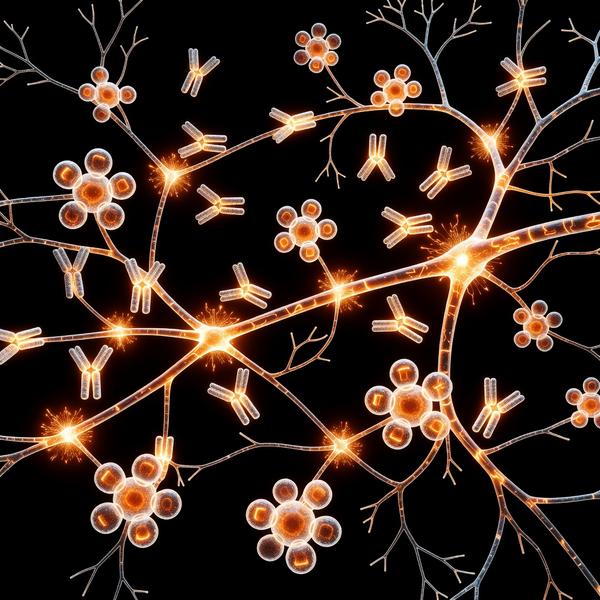
Microglia serve as the CNS's first line of defense. In a healthy brain, they exist in a surveillance state, monitoring for synaptic integrity and debris. However, chronic inorganic mercury exposure shifts these cells into a 'pro-inflammatory' or M1-like phenotype. Mercury ions readily cross the blood-brain barrier via molecular mimicry, utilizing amino acid transporters. Once inside, mercury binds to thiol groups, inducing oxidative stress that the microglia interpret as an ongoing pathogen invasion. ## Mechanisms of Toxicity: ROS and Cytokine Storms.
The persistent presence of inorganic mercury triggers the NADPH oxidase complex within microglia. This generates massive quantities of Reactive Oxygen Species (ROS). As the redox balance fails, microglia release a deluge of pro-inflammatory cytokines, including TNF-alpha, IL-1beta, and IL-6. This chronic 'cytokine storm' creates an environment of neuroinflammation, which is not merely a symptom, but a primary driver of synaptic degradation and neuronal apoptosis. ## The Root Cause: Mercury-Induced Mitochondrial Dysfunction. At the cellular level, mercury inhibits key mitochondrial enzymes, specifically affecting the electron transport chain.
When mitochondria fail, they release damaged DNA and mitochondrial proteins into the cytosol. Microglia detect these 'Danger-Associated Molecular Patterns' (DAMPs), cementing a feedback loop of chronic activation. This cycle prevents the brain from entering a repair phase, leaving neural networks in a permanent state of high-alert inflammation. ## Clinical Implications. The shift toward chronic microglial activation is increasingly recognized as a foundational factor in cognitive decline and mood disorders. Because inorganic mercury can sequester in the brain for decades, the resulting neuroinflammation is often sub-clinical but persistent.
Addressing this requires a root-cause approach: identifying sources of exposure, supporting glutathione synthesis for natural chelation, and modulating neuroinflammatory pathways through metabolic support. Understanding this pathway is essential for those seeking to protect neurological longevity in a modern, toxic-heavy environment.
This article is provided for informational and educational purposes only. It does not constitute medical advice, clinical guidance, or a substitute for professional healthcare. Information reflects cited research at time of publication. Always consult a qualified healthcare professional before acting on any health information.
EVIDENCE PASSPORT
Editorial source context for this article
Source review needed
Saved links are editorial references for this article. They may support specific claims rather than every sentence. Open and assess each source in context. This passport does not independently verify them.
Editorial context
A complete editorial reading has not been recorded for this article, and no source links are saved on its record.
Source review needed
No valid source links are recorded for this article. Supplementary research, where available, is listed separately below.
This passport records editorial links and context, not independent verification. Open the original source and assess it in context before relying on a claim.
Medical Disclaimer
The information in this article is for educational purposes only and does not constitute medical advice, diagnosis, or treatment. Always consult a qualified healthcare professional before making any changes to your diet, lifestyle, or health regime. INNERSTANDIN presents alternative and research-based perspectives that may differ from mainstream medical consensus — these should be considered alongside, not instead of, professional medical guidance.
Read Full DisclaimerContinue the thread
Keep this question moving.
Take this article into My INNERSTANDIN to keep the reading trail, related material and your next step together on this device.
Explore this in the Body Map
Explore related body structures and their educational pages in the interactive Body Map.
Dig deeper in the Library
Free, longform PDF volumes that go beyond headlines into mechanisms and references.
RABBIT HOLE
Follow the biological thread deeper