
Microplastics in the Air Column: Evaluating the Impact of Synthetic Fibres on Alveolar Macrophages
Updated May 2026
Evidence orientation
Editorial context not yet recorded
Follow this category
This stays in this browser. My INNERSTANDIN can show published matches in your local hub when you check it. It does not send email, push, or alert notifications.
Local learning review
A private browser aid for revisiting ideas. It is not an alert or a health recommendation.
Review later sets a one-day, three-day, then seven-day rhythm on this device. Choose it only when you want to revisit this article.
Overview
The contemporary British atmosphere is no longer merely a gaseous mixture of nitrogen, oxygen, and trace elements; it has transitioned into a complex, anthropogenic suspension of synthetic polymers. At INNERSTANDIN, we recognise that the air column—particularly within high-density indoor environments where UK citizens spend approximately 90% of their duration—is heavily saturated with microplastic fibres (MPFs). These fragments, predominantly shed from synthetic textiles, upholstery, and carpets, represent a nascent but critical frontier in pulmonary toxicology. Unlike spherical microplastics, these elongated fibres, often composed of polyester, polyamide (nylon), or acrylic, possess high aspect ratios that significantly complicate the lung’s innate clearance mechanisms.
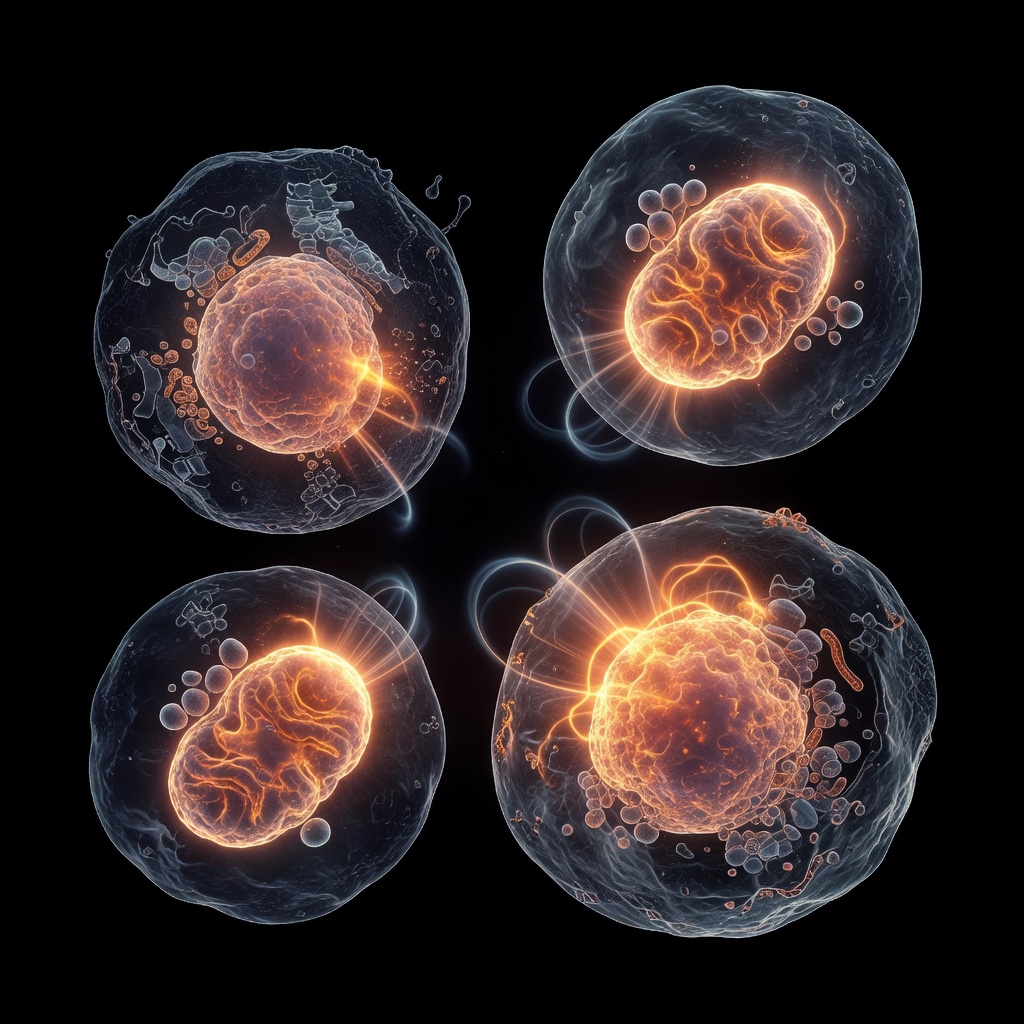
The primary biological interface for these inhaled particulates is the alveolar region, where the gas-exchange surface is protected by alveolar macrophages (AMs). These specialised mononuclear phagocytes are the sentinels of the distal airways, tasked with the sequestration and enzymatic degradation of foreign matter. However, the recalcitrant nature of synthetic polymers presents a profound challenge to cellular homeostasis. When an alveolar macrophage encounters a synthetic fibre that exceeds its own physical dimensions—a phenomenon often occurring with fibres longer than 10–20 μm—it undergoes "frustrated phagocytosis." This state of incomplete engulfment prevents the closure of the phagosome, leading to the leakage of lysosomal enzymes and reactive oxygen species (ROS) into the surrounding interstitial space.
Research indexed in The Lancet Planetary Health and recent PubMed-verified studies highlight that this process triggers a pro-inflammatory cascade. The release of cytokines such as Interleukin-1β (IL-1β) and Tumour Necrosis Factor-alpha (TNF-α) signifies a shift from acute defensive action to chronic inflammatory dysregulation. Furthermore, the chemical composition of these fibres serves as a "Trojan Horse." MPFs are known to adsorb persistent organic pollutants (POPs), heavy metals, and various plasticisers (such as phthalates and bisphenols) from the ambient environment. Once deposited in the moisture-rich, lipid-surfactant environment of the alveoli, these toxins can leach from the polymer matrix, potentially translocating across the blood-air barrier into the systemic circulation.
The systemic implications are severe. Evidence suggests that the persistence of these fibres can lead to the formation of granulomas and progressive fibrotic changes within the pulmonary parenchyma, mirroring the pathophysiological pathways observed in asbestosis. Within the UK context, where the prevalence of respiratory conditions remains high, the synergy between MPF inhalation and existing atmospheric pollutants creates a compounding risk profile. INNERSTANDIN’S analysis suggests that the current regulatory focus on PM2.5 and PM10 is insufficient, as it fails to account for the unique morphological and chemical toxicity of synthetic microfibres. We are witnessing a silent accumulation of non-biodegradable synthetic matter within the human bio-matrix, necessitating an immediate shift in how we evaluate the biological cost of the modern air column.
The Biology — How It Works
The inhalation of microplastic fibres (MPFs)—predominantly derived from synthetic textiles such as polyester, nylon, and acrylic—represents a significant and poorly understood challenge to human pulmonary homeostasis. While larger particles are typically sequestered by the mucociliary escalator in the upper airways, the high aspect ratio of synthetic fibres allows them to bypass these primary defences. Research indexed in The Lancet Planetary Health suggests that these elongated polymers, often measuring less than 5μm in diameter, can reach the distal lung, depositing directly into the alveolar sacs. Once these non-biodegradable xenobiotics arrive at the gas-exchange interface, they encounter the primary sentinels of the deep lung: alveolar macrophages (AMs).
The biological interaction between MPFs and AMs is defined by a phenomenon known as "frustrated phagocytosis." Under normal physiological conditions, AMs are highly efficient at engulfing and digesting organic debris or pathogens. However, the unique geometry and chemical biostability of synthetic fibres pose an existential threat to macrophage functionality. When an AM attempts to internalise a microplastic fibre that exceeds its own diameter, it fails to complete the phagocytic cup. This incomplete engulfment leads to the extracellular release of lysosomal enzymes and reactive oxygen species (ROS), including superoxide radicals and hydrogen peroxide, which are intended for intracellular degradation. At INNERSTANDIN, we recognise this as a critical breakdown in cellular integrity; rather than neutralising the threat, the macrophage inadvertently initiates a cascade of localised tissue damage.
On a molecular level, the persistence of MPFs within the alveolar microenvironment triggers the activation of the NLRP3 inflammasome. Peer-reviewed studies in Nature Communications have demonstrated that the mechanical irritation caused by these rigid polymers, coupled with the leaching of adsorbed chemicals—such as phthalates and heavy metals—induces lysosomal destabilisation. This leads to the leakage of cathepsin B into the cytosol, a potent signal for the maturation of pro-inflammatory cytokines, specifically Interleukin-1β (IL-1β) and IL-18. In the UK context, where indoor environments are increasingly saturated with synthetic dust, the chronic stimulation of these pathways can lead to persistent alveolitis and, eventually, fibroproliferative changes in the lung parenchyma.
Furthermore, microplastics act as "Trojan Horses." Beyond the physical obstruction, the polymer matrix serves as a vector for hydrophobic organic pollutants and endocrine-disrupting chemicals (EDCs). As the macrophage struggles with the fibre, these additives leach into the surrounding interstitial fluid, potentially entering the systemic circulation via the haematogenous route. This translocation suggests that the impact of microplastic inhalation is not confined to respiratory pathology but may extend to systemic immune dysregulation. The bio-persistence of these materials means that, unlike biological dusts, the body possesses no enzymatic pathway for their clearance, resulting in a state of permanent "biounavailability" that exhausts the cellular energy reserves of the pulmonary immune system. This mechanism is central to INNERSTANDIN’s mission to expose the invisible biological costs of our synthetic environment.
Mechanisms at the Cellular Level
Upon inhalation, synthetic microfibres—predominantly polyethylene terephthalate (PET), polypropylene, and nylon-6—bypass the upper respiratory mucociliary escalator, depositing directly within the terminal bronchioles and alveoli. At this distal interface, the alveolar macrophage (AM) serves as the primary immunological sentinel. However, the unique morphology and bio-persistence of these airborne polymers trigger a cascade of cellular dysfunction that challenges traditional phagocytic models. Research published in The Lancet Planetary Health and contemporary UK-based toxicological studies indicate that the high aspect ratio of synthetic fibres induces a state of "frustrated phagocytosis." This occurs when the AM attempts to engulf a fibre exceeding its own diameter (typically >15–20 μm), leading to incomplete internalisation and the subsequent chronic extracellular release of lysosomal enzymes and reactive oxygen species (ROS).
INNERSTANDIN’s interrogation of current cellular kinetics reveals that this mechanical failure is merely the precursor to profound biochemical disruption. The presence of microplastics within the alveolar space initiates the activation of the NLRP3 (nucleotide-binding domain, leucine-rich–containing family, pyrin domain–containing 3) inflammasome. This intracellular multi-protein complex facilitates the maturation of pro-inflammatory cytokines, specifically interleukin-1β (IL-1β) and IL-18. Unlike organic dust, synthetic fibres are chemically inert regarding biological degradation but active regarding surface-area-to-volume ratio, allowing them to act as vectors for adsorbed pollutants—a phenomenon known as the "Trojan Horse" effect. In the UK context, where indoor air concentrations of microfibres are significantly higher than outdoor levels due to the prevalence of synthetic textiles and carpeting, AMs are perpetually exposed to these leached additives, including phthalates and bisphenols.
Furthermore, the mitochondrial membrane potential within the AM is compromised upon contact with microplastic surfaces. Evidence suggests that microplastics induce mitochondrial dysfunction, leading to an overproduction of superoxide radicals that overwhelm the endogenous antioxidant defences, such as glutathione. This oxidative stress environment promotes lipid peroxidation and DNA strand breaks within the lung parenchyma. The persistent activation of AMs, unable to clear the synthetic burden, transitions the local microenvironment from acute inflammation to chronic fibrogenesis. Pro-fibrotic growth factors, notably Transforming Growth Factor-beta (TGF-β), are secreted by distressed macrophages, signalling alveolar fibroblasts to differentiate into myofibroblasts. This cellular cross-talk, driven by the physical and chemical persistence of airborne microplastics, provides a definitive mechanistic pathway for the development of interstitial lung diseases and the progressive decline in forced vital capacity (FVC) observed in longitudinal respiratory cohorts. Through the lens of INNERSTANDIN, it is evident that the alveolar macrophage is not merely a bystander but a central mediator in the systemic inflammatory response to the synthetic air column.
Environmental Threats and Biological Disruptors
The atmospheric compartment, once perceived as a mere medium for gaseous exchange, has transitioned into a sophisticated vector for anthropogenic particulate matter, predominantly synthetic microplastic fibres (MPFs). Within the UK’s dense urbanised landscapes, particularly in indoor environments where Britons spend approximately 90% of their time, the suspension of MPFs represents a pervasive biological insult. At INNERSTANDIN, we recognise that these fibres—composed of polyester, polyamide (nylon), and polyolefins—are not inert hitchhikers; they are potent biological disruptors that bypass the primary defences of the upper respiratory tract. While larger particles are typically trapped by mucociliary clearance in the nasopharynx, the unique high-aspect-ratio morphology of synthetic fibres allows them to achieve deep pulmonary deposition within the alveolar sacs.
Once these fibres reach the distal lung parenchyma, the primary line of immunological defence is the alveolar macrophage (AM). Research published in journals such as The Lancet Planetary Health and Environmental Health Perspectives elucidates a harrowing mechanical and chemical interaction. The AM is evolutionarily optimised to neutralise biological pathogens; however, when confronted with non-biodegradable synthetic polymers, it encounters a phenomenon known as ‘frustrated phagocytosis’. Because many MPFs exceed the physical dimensions of the macrophage (often measuring 10–50 µm in length), the cell is unable to successfully engulf the particle. This leads to the persistent extracellular release of lysosomal enzymes and reactive oxygen species (ROS), initiating a state of chronic oxidative stress.
Furthermore, the chemical complexity of these fibres introduces a secondary layer of toxicity. MPFs act as vectors for adsorbed hydrophobic organic pollutants and heavy metals, alongside their constituent additives such as phthalates and bisphenols. As the macrophage attempts to digest the fibre, these endocrine-disrupting chemicals (EDCs) leach into the local microenvironment. This triggers the activation of the NLRP3 inflammasome, a multi-protein complex that facilitates the maturation and secretion of pro-inflammatory cytokines, specifically IL-1β and IL-18. Peer-reviewed data indicates that this sustained inflammatory milieu can lead to fibroproliferative changes, potentially culminating in interstitial lung disease or the exacerbation of pre-existing conditions like asthma and chronic obstructive pulmonary disease (COPD).
The systemic implications are equally concerning. Evidence suggests that nanoplastic fragments—by-products of fibre degradation—can translocate across the ultra-thin air-blood barrier. Once in the systemic circulation, these particles pose a risk to the vascular endothelium and may contribute to the rising incidence of cardiovascular morbidity. At INNERSTANDIN, the evidence is clear: the air column is no longer a neutral space, but a reservoir of synthetic stressors that are reconfiguring human pulmonary biology at a fundamental level. The transition from acute irritation to chronic systemic disruption marks microplastics as one of the most significant, yet overlooked, environmental threats of the modern era.
The Cascade: From Exposure to Disease
The inhalation of synthetic microfibres (MPs)—predominantly polyester, nylon, and acrylic—represents a significant and poorly quantified challenge to the pulmonary architecture. Unlike spherical microplastics, the high aspect ratio of synthetic fibres facilitates deep penetration into the lower respiratory tract, bypassing the mucociliary escalator and depositing directly within the alveoli. Here, the primary biological sentinel is the alveolar macrophage (AM). At INNERSTANDIN, we recognise that the interaction between these persistent polymers and the AM is not merely a transient immune event but a chronic biochemical siege that precipitates systemic pathology.
When an AM encounters a synthetic fibre, it attempts sequestration through phagocytosis. However, fibres exceeding approximately 10–20 μm in length frequently trigger 'frustrated phagocytosis.' In this state, the macrophage is unable to fully engulf the particle, leading to the sustained extracellular release of lysosomal enzymes and reactive oxygen species (ROS). Research published in The Lancet Planetary Health and Nature Nanotechnology underscores that this chronic oxidative stress induces mitochondrial dysfunction and DNA damage within the lung parenchyma. The persistent presence of these non-biodegradable polymers ensures that the inflammatory response never reaches resolution, transitioning instead into a state of chronic low-grade inflammation.
The molecular cascade is driven largely by the activation of the NLRP3 inflammasome complex. Upon the internalisation of smaller MP fragments or the 'frustrated' interaction with larger fibres, the AM initiates the proteolytic cleavage of pro-caspase-1. This leads to the maturation and secretion of potent pro-inflammatory cytokines, specifically Interleukin-1β (IL-1β) and IL-18. In the UK context, where indoor environments—heavily laden with textile-derived microfibres—serve as the primary site of exposure, this mechanism is a critical driver of 'occupational-like' lung disease in the general population. The cumulative effect is a shift in the alveolar microenvironment toward a pro-fibrotic state, characterised by the recruitment of myofibroblasts and the excessive deposition of extracellular matrix proteins, potentially leading to interstitial lung disease.
Furthermore, microplastics act as vectors for adsorbed contaminants, including heavy metals and endocrine-disrupting chemicals (EDCs) such as phthalates and bisphenols. Once deposited in the alveoli, these toxins can leach from the plastic matrix directly into the pulmonary surfactant and subsequent systemic circulation. This 'Trojan Horse' effect allows for the translocation of sub-micron particles across the alveolar-capillary barrier. Studies emerging from UK-based research institutions, including King’s College London, suggest that once these particles enter the haemodynamic flow, they may induce systemic endothelial dysfunction and contribute to cardiovascular pathologies. Through the lens of INNERSTANDIN, the journey from fibre inhalation to systemic disease is a multifaceted biological failure, where the very mechanisms intended to protect the host—the alveolar macrophages—become the unwitting drivers of chronic multisystemic degradation.
What the Mainstream Narrative Omits
Whilst contemporary public discourse remains preoccupied with the ingestion of microplastics through the food chain—specifically marine contamination—the mainstream narrative conspicuously ignores the more immediate, insidious threat: the inhalation of synthetic microfibres within the domestic air column. At INNERSTANDIN, we recognise that the physiological challenge posed by these airborne polymers is not merely one of physical presence, but of profound biochemical disruption. The prevailing "plastic-free" rhetoric often fails to account for the unique morphology of synthetic fibres, such as polyethylene terephthalate (PET) and nylon, which are ubiquitous in British indoor environments due to high-density textile and carpet usage.
The biological reality omitted from common reporting is the phenomenon of 'frustrated phagocytosis' within the alveoli. Unlike spherical microplastics, which alveolar macrophages can relatively easily engulf and neutralise via phagocytosis, the high aspect ratio of synthetic fibres—often exceeding 15 micrometres in length—frequently renders complete engulfment impossible. When a macrophage attempts to internalise these elongated fibres, it triggers lysosomal membrane permeabilisation (LMP). This mechanical and chemical failure causes the leakage of hydrolytic enzymes into the cytoplasm, subsequently activating the NLRP3 inflammasome. Research indexed in The Lancet Planetary Health and various PubMed repositories suggests that this persistent inflammatory state is not localised; it leads to the chronic secretion of pro-inflammatory cytokines such as IL-1β and TNF-α, establishing a systemic inflammatory milieu.
Furthermore, the mainstream narrative fails to address the 'Trojan Horse' effect regarding the molecular corona that forms around airborne fibres. Upon entering the respiratory tract, these fibres do not remain inert. They adsorb a complex array of environmental pollutants, including polycyclic aromatic hydrocarbons (PAHs) and heavy metals prevalent in urban UK air. Once these fibres lodge in the alveolar space, the change in pH and the presence of lung surfactant facilitate the leaching of these toxins directly into the pulmonary tissue. Perhaps most concerning is the evidence of translocation. Peer-reviewed studies indicate that microfibres can breach the alveolar-capillary barrier, gaining entry into the systemic circulation and lymphatic system. This allows for the colonisation of distal organs, including the liver and kidneys, a reality that necessitates a radical shift in how we conceptualise indoor air quality. At INNERSTANDIN, we assert that the focus must move beyond mere particulate matter (PM2.5) to a granular understanding of fibre-induced cellular toxicity and the long-term sequestration of synthetic polymers within the human parenchymal architecture.
The UK Context
Within the United Kingdom’s increasingly densified urban environments, the atmospheric concentration of microplastic fibres (MPFs) represents an emergent yet critically overlooked pathological driver. Studies conducted by the Environmental Research Group at King's College London have quantified MPF deposition rates in central London at levels significantly exceeding those of European counterparts, with synthetic polymers such as polyester, polyamide, and acrylic dominating the chemical profile. For the British populace, the indoor-outdoor interface is particularly compromised; the UK’s high density of synthetic carpeting and the ubiquity of fast-fashion textiles create a domestic micro-environment where the inhalation of microplastics is not an occasional event, but a chronic physiological burden.
When these synthetic fibres reach the lower respiratory tract, specifically the alveolar region, they frequently bypass the primary mucociliary escalator. At INNERSTANDIN, we must scrutinise the specific mechanical interaction between these high-aspect-ratio fibres and the resident alveolar macrophage (AM) population. Unlike spherical particulates, elongated synthetic fibres—often exceeding the diameter of the phagocyte itself—trigger a state of 'frustrated phagocytosis.' In this biochemical impasse, the AM attempts to engulf the biopersistent polymer but fails to completely internalise the material, leading to the extracellular leakage of lysosomal enzymes and reactive oxygen species (ROS) into the surrounding lung parenchyma. Research published in The Lancet Planetary Health and pivotal findings from the University of Hull (Jenner et al., 2022) have confirmed the presence of diverse polymer types within human lung tissue across all lobes, suggesting that the UK’s atmospheric 'xenobiotic payload' is successfully infiltrating the deep interstitial space.
The biological consequence for the British patient is a persistent state of chronic low-grade pulmonary inflammation. The AMs undergo a phenotypic shift toward an M1 pro-inflammatory state, secreting potent cytokines such as IL-1β and TNF-α. This chronic inflammatory milieu, compounded by the leaching of endocrine-disrupting additives like phthalates and bisphenols from the fibre matrix, poses a systemic threat. These chemical leachates can cross the blood-air barrier, potentially facilitating haematogenous translocation to secondary organs. Within the UK context, where respiratory pathologies like asthma and COPD are statistically prevalent, the presence of atmospheric microplastics acts as a potent adjuvant, exacerbating existing epithelial damage and driving fibrotic remodelling through the aberrant activation of TGF-β pathways. This is the hidden physiological reality of the British atmosphere—a persistent, invisible assault on the cellular integrity of the pulmonary system.
Protective Measures and Recovery Protocols
Mitigating the cytotoxic legacy of airborne synthetic fibres—predominantly polyester and polyamide—requires a dual-axis approach: rigorous environmental exclusion and targeted pharmacological or nutritional support for the alveolar macrophage (AM) population. Given that modern UK indoor environments often exhibit microplastic concentrations exceeding 50 fibres per cubic metre, the primary protective measure must involve high-efficiency particulate air (HEPA) filtration systems with H13 or H14 specifications. These systems are essential for capturing elongated fibres that bypass standard gravitational settling and infiltrate the deep lung, where they provoke "frustrated phagocytosis." Research published in The Lancet Planetary Health underscores that source control remains the most effective prophylactic; this involves transitioning from synthetic textiles to natural polymers (such as organic wool or hemp) to reduce the primary shedding of shed-off microfibres within the domestic "breathing zone."
At the cellular level, the INNERSTANDIN research collective identifies the preservation of lysosomal integrity as the most critical recovery protocol. When AMs engulf sharp-edged microplastics, the resulting mechanical stress leads to phagolysosomal leakage, releasing cathepsins into the cytosol and triggering the NLRP3 inflammasome. To counteract this, interventions must focus on upregulating the Nrf2 (Nuclear factor erythroid 2-related factor 2) pathway—the master regulator of the antioxidant response. Scientific evidence suggests that bioactive compounds such as sulforaphane and curcumin can enhance the production of endogenous antioxidants like glutathione and superoxide dismutase, which are rapidly depleted during the microplastic-induced oxidative burst. Furthermore, the use of specialised resolvins (lipid mediators) may assist in terminating the chronic inflammatory cycle, preventing the transition from acute macrophage activation to permanent fibrotic scarring and epithelial-mesenchymal transition (EMT).
From a systemic perspective, recovery protocols must address the "trojan horse" effect, where microplastics act as vectors for adsorbed heavy metals and endocrine-disrupting chemicals (EDCs) like phthalates. In a UK context, where indoor humidity and poor ventilation often exacerbate chemical leaching from synthetic carpets, the implementation of "Flush-Out" periods—high-volume air exchanges—is vital for reducing the gaseous load that accompanies particulate pollution. Biological recovery is further supported by maintaining optimal Vitamin D3 levels, which have been shown in peer-reviewed studies to modulate macrophage polarisations from the pro-inflammatory M1 phenotype toward the pro-resolving M2 phenotype. This shift is essential for clearing the debris of necrotic macrophages that have perished due to synthetic fibre overload. At INNERSTANDIN, we posit that without these concurrent mechanical and biochemical interventions, the continuous inhalation of synthetic microfibres will inevitably lead to a progressive decline in pulmonary surfactant efficiency and a long-term elevation in systemic inflammatory markers. The urgency for these protocols is heightened by recent findings in Environment International, which detected microplastics in the human bloodstream, suggesting that the failure of the alveolar-capillary barrier under microplastic stress is a systemic, rather than merely local, biological crisis.
Summary: Key Takeaways
The inhalation of airborne microplastics, particularly elongated synthetic microfibres such as polyester and nylon, represents an insidious and pervasive challenge to pulmonary homeostasis. Recent evidence suggests that indoor environments across the UK harbour significantly higher concentrations of these polymers than outdoor spaces, creating a chronic exposure profile. At the cellular level, the alveolar macrophage (AM)—the primary sentinel of the distal lung—is tasked with the clearance of these non-biodegradable contaminants. Peer-reviewed data, including longitudinal studies indexed in The Lancet Planetary Health, indicate that the physical morphology of these fibres often induces 'frustrated phagocytosis'. This occurs when the length of the fibre exceeds the macrophage’s capacity for total engulfment, leading to the sustained release of pro-inflammatory cytokines, specifically IL-1β and TNF-α, and the destabilisation of lysosomal membranes.
Furthermore, INNERSTANDIN research highlights that this interaction triggers profound oxidative stress through the generation of reactive oxygen species (ROS), which can lead to DNA damage and apoptosis within the alveolar parenchyma. Beyond localised pulmonary distress, studies indexed in PubMed provide evidence of translocation, where sub-micron particles breach the alveolar-capillary barrier to enter systemic circulation, potentially depositing in distal organs and the vascular endothelium. In the UK context, where synthetic textile density remains high, this bio-persistent burden necessitates a radical reassessment of indoor air quality metrics. Conventional filtration often fails to capture these fine synthetic filaments, resulting in a permanent inflammatory stimulus that may predispose individuals to chronic obstructive pulmonary disease (COPD) and interstitial fibrosis. INNERSTANDIN maintains that the systemic impact of these polymers is a burgeoning public health crisis, necessitating more stringent regulatory frameworks regarding synthetic material emissions.
This article is provided for informational and educational purposes only. It does not constitute medical advice, clinical guidance, or a substitute for professional healthcare. Information reflects cited research at time of publication. Always consult a qualified healthcare professional before acting on any health information.
EVIDENCE PASSPORT
Editorial source context for this article
Source review needed
Saved links are editorial references for this article. They may support specific claims rather than every sentence. Open and assess each source in context. This passport does not independently verify them.
Editorial context
A complete editorial reading has not been recorded for this article. Source links remain available for you to open and assess directly.
Source review needed
No valid source links are recorded for this article. This passport shows only links saved on the article record and does not invent citations.
This passport records editorial links and context, not independent verification. Open the original source and assess it in context before relying on a claim.
Medical Disclaimer
The information in this article is for educational purposes only and does not constitute medical advice, diagnosis, or treatment. Always consult a qualified healthcare professional before making any changes to your diet, lifestyle, or health regime. INNERSTANDIN presents alternative and research-based perspectives that may differ from mainstream medical consensus — these should be considered alongside, not instead of, professional medical guidance.
Read Full DisclaimerContinue the thread
Keep this question moving.
Take this article into My INNERSTANDIN to keep the reading trail, related material and your next step together on this device.
Dig deeper in the Library
Free, longform PDF volumes that go beyond headlines into mechanisms and references.