
Mitochondrial Bioenergetics: The Role of Magnesium Malate in ATP Synthesis and the Krebs Cycle
Updated May 2026
A comprehensive exploration of the biochemical synergy between magnesium and malic acid, examining how this specific chelate optimizes the Citric Acid Cycle, supports the Mg-ATP complex, and addresses the root causes of cellular fatigue and mitochondrial dysfunction.

# Mitochondrial Bioenergetics: The Role of Magnesium Malate in ATP Synthesis and the Krebs Cycle. At the very core of human vitality lies a complex series of biochemical reactions known as bioenergetics. In the context of INNERSTANDING’s mission to explore root-cause health, we must look beyond the surface level of 'energy' and examine the microscopic engines that power every heartbeat, thought, and muscle contraction: the mitochondria. Within these organelles, the production of Adenosine Triphosphate (ATP) is the ultimate goal. However, this process is not autonomous; it is heavily dependent on specific micronutrients.
Among these, Magnesium Malate stands out as a premier organic chelate, uniquely qualified to support the Citric Acid Cycle (Krebs Cycle) and enhance cellular respiration. ## The Engine Room: Understanding the Krebs Cycle. The Krebs Cycle, occurring within the mitochondrial matrix, is a series of eight enzymatic reactions that oxidize acetyl-CoA to produce carbon dioxide and chemical energy in the form of ATP, NADH, and FADH2. This cycle is the metabolic hub of the cell. For this cycle to spin efficiently, it requires a steady supply of intermediates and cofactors. When these components are deficient, the cycle slows, leading to a bottleneck in energy production that manifests clinically as fatigue, brain fog, and muscle weakness.
Magnesium acts as a fundamental 'spark plug' in this process. ## Magnesium: The Essential Co-factor for ATP. It is often stated that magnesium is involved in over 300 enzymatic reactions, but in the realm of bioenergetics, its most critical role is its relationship with ATP. Biologically, ATP does not exist in isolation; it exists primarily as a complex with magnesium, known as Mg-ATP. The phosphate bonds in ATP are highly negatively charged and unstable. Magnesium ions (Mg2+) neutralize these charges, stabilizing the ATP molecule and allowing enzymes to access the energy stored within its bonds.
Without sufficient magnesium, ATP remains 'locked,' and the cell cannot utilize the energy it has worked so hard to produce. Furthermore, magnesium is a required cofactor for key enzymes within the Krebs Cycle itself, including isocitrate dehydrogenase and alpha-ketoglutarate dehydrogenase. ## The Malic Acid Advantage: More Than Just a Carrier. While many forms of magnesium exist—such as oxide, citrate, or glycinate—Magnesium Malate is specifically valued for its impact on bioenergetics because of the malic acid (malate) component. Malate is a direct intermediate in the Krebs Cycle. It is the substrate that is oxidized by malate dehydrogenase to form oxaloacetate, the final step of the cycle that allows it to begin again.
By providing magnesium bound to malate, we are delivering both the 'spark plug' (magnesium) and the 'fuel intermediate' (malate) simultaneously. This is particularly beneficial during states of hypoxia or metabolic stress where malate levels can become depleted. Malate also plays a crucial role in the 'Malate-Aspartate Shuttle,' a mechanism that transports reducing equivalents across the mitochondrial membrane to further fuel the electron transport chain. ## Clinical Implications: Fibromyalgia and Chronic Fatigue. The therapeutic use of Magnesium Malate has gained significant traction in the UK health community, particularly for conditions characterized by mitochondrial 'stalling' such as Fibromyalgia and Chronic Fatigue Syndrome (CFS). Research suggests that individuals with these conditions may have a defect in their ability to utilize primary fuels for ATP production.
Studies have shown that the combination of magnesium and malic acid can significantly reduce muscle pain and tenderness while increasing subjective energy levels. From a root-cause perspective, this suggests that the 'pain' associated with these conditions may actually be a localized energy crisis where cells are unable to maintain the ionic gradients necessary for muscle relaxation and neurological signaling. ## Root Causes of Deficiency and Mitochondrial Decay. In the UK, soil depletion and the Western diet have led to a widespread decline in magnesium intake. Furthermore, chronic stress—a hallmark of modern life—triggers the release of adrenaline and cortisol, which cause the kidneys to excrete magnesium at an accelerated rate. This 'magnesium drain' creates a vicious cycle: stress depletes magnesium, which impairs mitochondrial function, which reduces the body’s resilience to stress.
By utilizing a highly bioavailable form like Magnesium Malate, we can bypass the poor absorption rates of inorganic salts (like magnesium oxide) and deliver nutrients directly to the tissues that require them most. Magnesium Malate is also less likely to cause the laxative effect associated with other forms, making it ideal for those who require higher therapeutic doses to restore mitochondrial reserves. ## Optimization and Bioavailability. When selecting a magnesium supplement for energy production, the 'chelate' matters. Chelation is the process of binding a mineral to an organic molecule to improve stability and absorption. Magnesium Malate is an organic chelate that survives the acidic environment of the stomach and is absorbed via the small intestine through peptide channels rather than competing for ion channels.
This ensures a higher 'cellular yield' of both magnesium and malate. To optimize the effects of Magnesium Malate on the Krebs Cycle, it is often recommended to ensure adequate intake of B-vitamins (particularly B1, B2, and B3), which act as co-enzymes alongside magnesium to facilitate the transition of nutrients into the mitochondrial matrix. ## Conclusion. Mitochondrial health is the foundation of longevity and vitality. By understanding the intricate dance of the Krebs Cycle, we can see that Magnesium Malate is not merely a supplement, but a targeted biochemical intervention. It addresses the root cause of cellular exhaustion by stabilizing the ATP molecule and providing the necessary intermediates to keep the metabolic fire burning.
For those seeking to reclaim their energy, supporting the engine room of the cell with the synergistic power of magnesium and malic acid is a profound step toward INNERSTANDING one’s own health.
This article is provided for informational and educational purposes only. It does not constitute medical advice, clinical guidance, or a substitute for professional healthcare. Information reflects cited research at time of publication. Always consult a qualified healthcare professional before acting on any health information.
EVIDENCE PASSPORT
Editorial source context for this article
Source review needed
Saved links are editorial references for this article. They may support specific claims rather than every sentence. Open and assess each source in context. This passport does not independently verify them.
Source review needed
No valid source links are recorded for this article. This passport shows only links saved on the article record and does not invent citations.
This passport records editorial links, not independent verification. Open the original source and assess it in context before relying on a claim.
Medical Disclaimer
The information in this article is for educational purposes only and does not constitute medical advice, diagnosis, or treatment. Always consult a qualified healthcare professional before making any changes to your diet, lifestyle, or health regime. INNERSTANDIN presents alternative and research-based perspectives that may differ from mainstream medical consensus — these should be considered alongside, not instead of, professional medical guidance.
Read Full DisclaimerReady to learn more?
Continue your journey through our classified biological research.
THE ARSENAL
Based on Magnesium Forms, Functions & Deficiency — products curated by our research team for educational relevance and biological support.

Methylene Blue – Advanced Cellular Chemistry
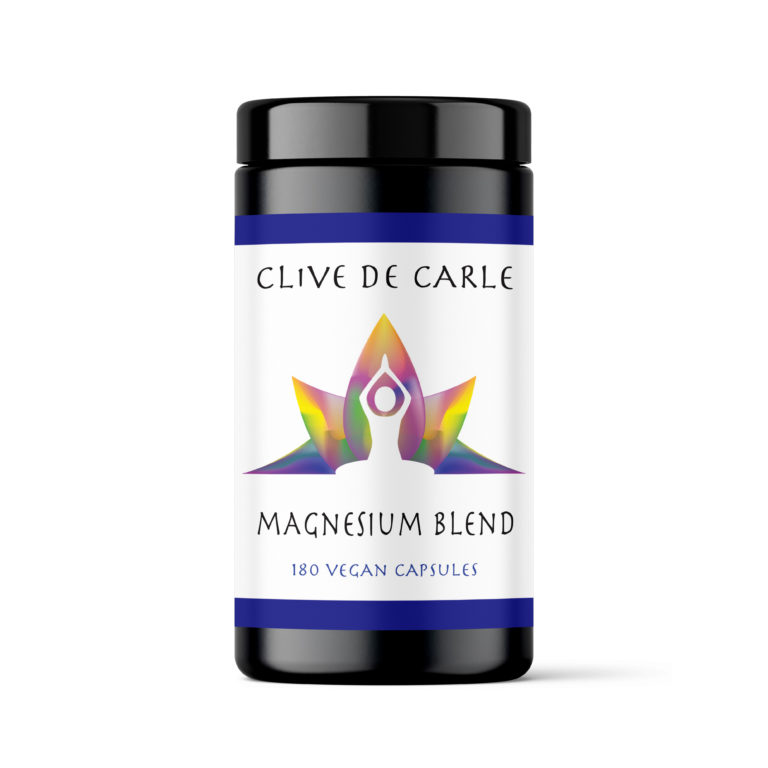
Magnesium Blend – The Most Important Mineral

Magnesium L-Threonate
INNERSTANDING may earn a commission on purchases made through these links. All products are selected based on rigorous educational relevance to our biological research.
Explore this in the Body Map
See where this hits your biology. Interactive anatomy, threats, and protective protocols.
Dig deeper in the Library
Free, longform PDF volumes that go beyond headlines into mechanisms and references.