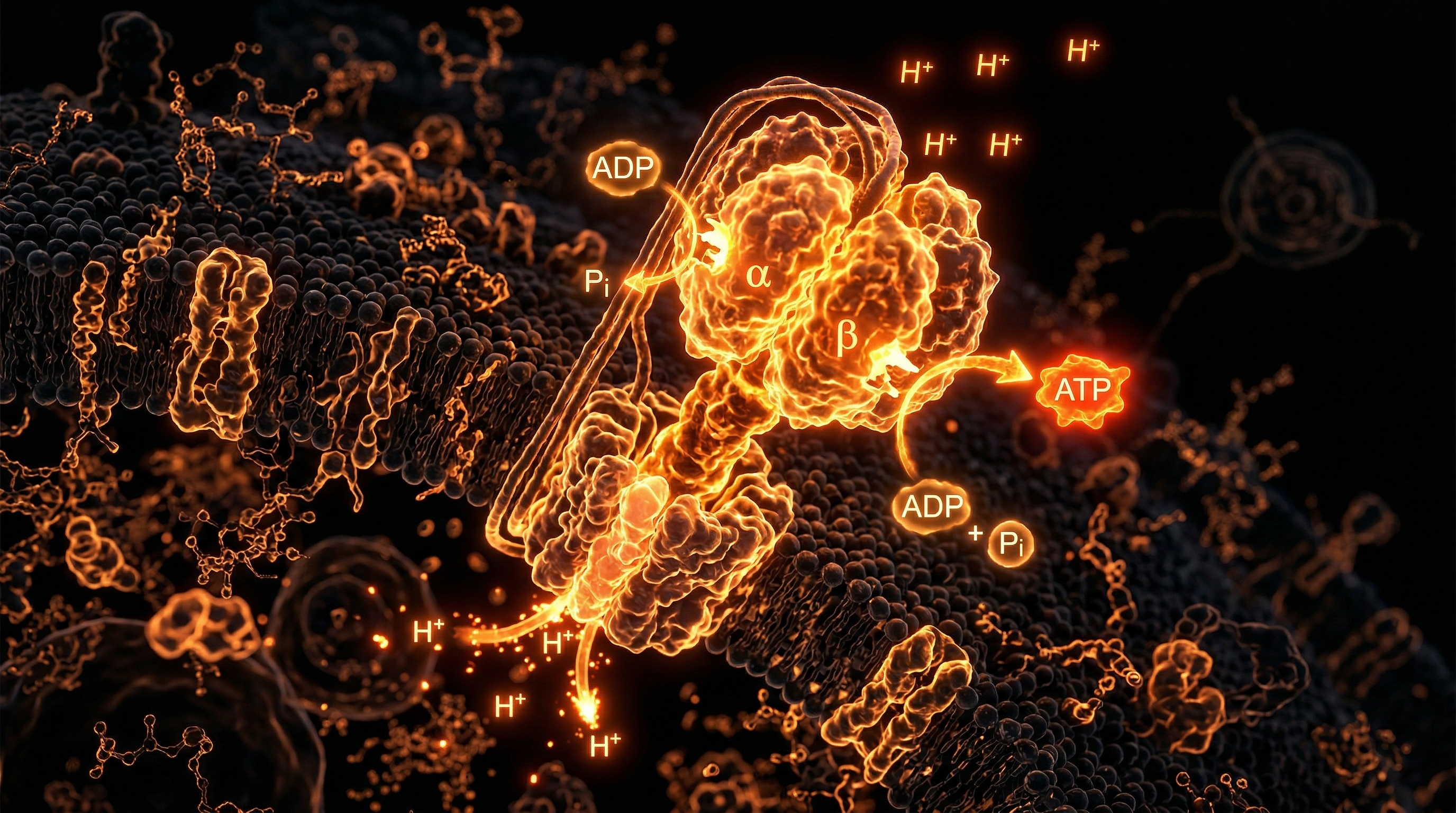
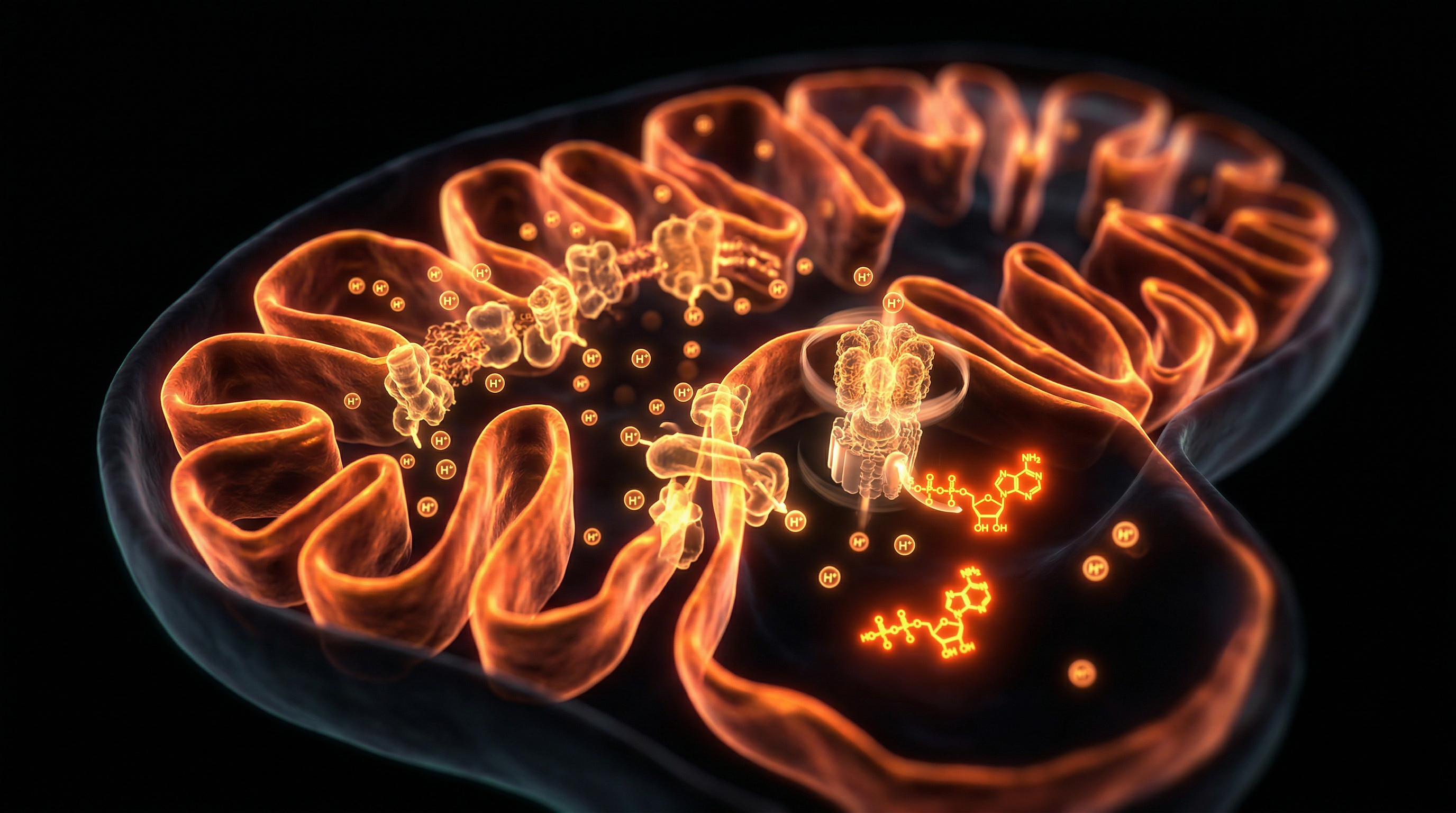
ATP Synthesis: The Molecular Engine of Life
Adenosine triphosphate (ATP) is the universal energy currency of all living organisms — the molecular fuel that powers every biological process from muscle contraction and nerve impulse transmission to protein synthesis and DNA repair. Each molecule of glucose entering the metabolic pathway can yield up to 38 molecules of ATP through the combined processes of glycolysis, the Krebs cycle, and oxidative phosphorylation within the mitochondrial electron transport chain — a process of extraordinary efficiency that is the foundational target of virtually every mitochondrial toxin. When ATP synthesis is compromised by heavy metal binding, pesticide inhibition, or nutritional deficiency, every energy-dependent process in the body degrades simultaneously — manifesting as the constellation of fatigue, cognitive dysfunction, immune suppression, and organ failure that characterises chronic disease.