
Mitochondrial Bioenergetics: Why Cellular Energy Production is the Rate-Limiting Step for Steroidogenesis
Updated May 2026
Explore how mitochondrial bioenergetics drive testosterone. Learn why cellular energy is the rate-limiting step for steroidogenesis and peak male health.
Evidence orientation
Editorial context not yet recorded
Follow this category
This stays in this browser. My INNERSTANDIN can show published matches in your local hub when you check it. It does not send email, push, or alert notifications.
Local learning review
A private browser aid for revisiting ideas. It is not an alert or a health recommendation.
Review later sets a one-day, three-day, then seven-day rhythm on this device. Choose it only when you want to revisit this article.
Overview
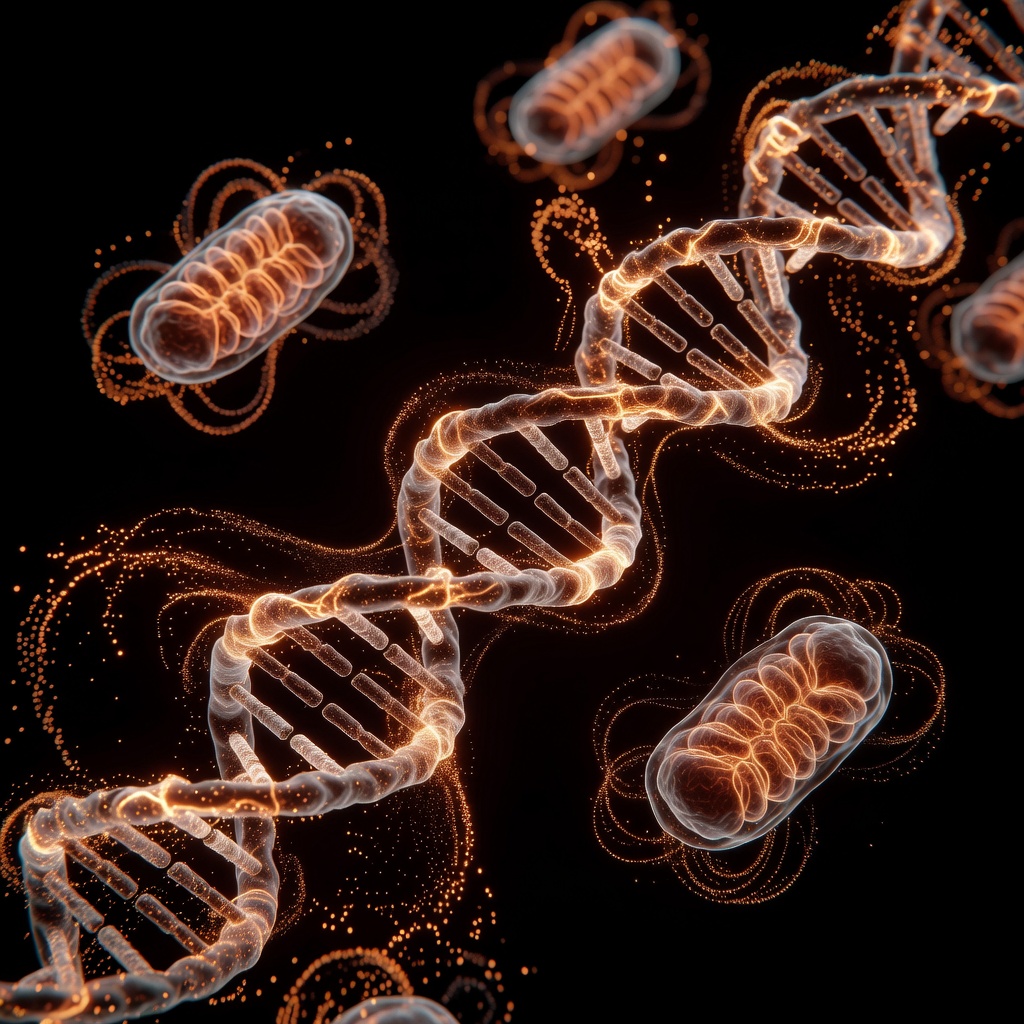
To comprehend the current crisis in male endocrine health, one must move beyond the superficial analysis of serum hormone levels and interrogate the primary site of production: the Leydig cell of the testis. While conventional endocrinology focuses heavily on the hypothalamic-pituitary-gonadal (HPG) axis and the signalling of Luteinising Hormone (LH), the actual synthesis of testosterone is an energetically demanding biosynthetic process governed by mitochondrial efficiency. At INNERSTANDIN, we posit that the "rate-limiting step" of steroidogenesis is not merely the availability of precursor molecules, but the bioenergetic capacity of the mitochondria to facilitate the translocation of cholesterol across the mitochondrial membranes. This process, mediated by the Steroidogenic Acute Regulatory (StAR) protein, is a high-turnover mechanism that requires a robust flux of Adenosine Triphosphate (ATP) and a strictly regulated redox environment.
The conversion of cholesterol into pregnenolone—the foundational precursor for all steroid hormones—occurs within the inner mitochondrial membrane (IMM) via the cytochrome P450 side-chain cleavage (P450scc) enzyme. However, cholesterol cannot pass through the aqueous intermembrane space unaided. The StAR protein acts as the molecular shuttle, and its activity is the definitive bottleneck in androgen production. Peer-reviewed research, notably in the Journal of Endocrinology and Nature Reviews Urology, has demonstrated that mitochondrial dysfunction, characterised by a loss of mitochondrial membrane potential ($\Delta\psi_m$) and elevated levels of Reactive Oxygen Species (ROS), leads to a precipitous decline in StAR expression and activity. In the UK context, where environmental stressors and metabolic syndrome are increasingly prevalent, we observe a systemic "mitochondrial hypogonadism" where the signal to produce testosterone is present, but the cellular machinery is too energy-depleted to execute the command.
Furthermore, the relationship between mitochondrial bioenergetics and steroidogenesis is reciprocal and fragile. The Electron Transport Chain (ETC), while necessary for ATP production, is a primary source of oxidative stress. If Leydig cell mitochondria are not supported by robust antioxidant defences and optimal nutrient cofactors, the resulting oxidative damage targets the very enzymes required for testosterone synthesis. Clinical data curated by INNERSTANDIN suggests that the decline in male vitality observed across the British population is inextricably linked to cellular metabolic failure. When mitochondrial respiration is compromised—whether through insulin resistance, sedentary-induced mitophagy, or micronutrient deficiencies—the Leydig cells prioritise survival over the energetically expensive production of testosterone. This hierarchy of cellular function confirms that cellular energy production is not merely a supporting factor, but the fundamental determinant of male hormonal status. By reframing steroidogenesis through the lens of bioenergetics, we expose the reality that hormonal health is, at its core, a metabolic output.
The Biology — How It Works
The synthesis of testosterone within the interstitial Leydig cells is not merely a downstream consequence of gonadotropic signalling; it is a metabolic feat of extreme thermodynamic cost, governed entirely by the efficiency of the mitochondrial reticulum. At the heart of this process lies the Steroidogenic Acute Regulatory (StAR) protein, the absolute bottleneck of steroidogenesis. StAR is responsible for the translocation of cholesterol from the outer mitochondrial membrane (OMM) to the inner mitochondrial membrane (IMM). This movement is not passive; it is a high-turnover, ATP-dependent mechanism that requires an intact mitochondrial membrane potential ($\Delta\psi_m$). Without sufficient cellular energy production, StAR expression and activity collapse, rendering even the highest levels of Luteinising Hormone (LH) functionally impotent.
Once cholesterol reaches the IMM, it encounters the cytochrome P450 side-chain cleavage enzyme (P450scc, encoded by the CYP11A1 gene). This enzyme performs the first committed step of steroidogenesis: the conversion of cholesterol to pregnenolone. Crucially, P450scc relies on a constant supply of reducing equivalents (NADPH), which are generated through mitochondrial metabolic pathways, including the citric acid cycle and the activity of nicotinamide nucleotide transhydrogenase (NNT). This creates a direct physiological link between oxidative phosphorylation (OXPHOS) and hormonal output. Research published in Nature Reviews Endocrinology and various UK-based longitudinal studies highlights that any perturbation in the mitochondrial electron transport chain (ETC) results in an immediate deficit in steroidogenic capacity. At INNERSTANDIN, we recognise that the mitochondrion is not merely a 'powerhouse' but the primary sensor and regulator of male endocrine health.
Furthermore, the mitochondrial environment is a site of significant oxidative risk. The process of steroidogenesis generates reactive oxygen species (ROS) as a natural byproduct of P450 enzyme activity. If mitochondrial bioenergetics are suboptimal—specifically if the coupling of the ETC is inefficient—ROS production exceeds the buffering capacity of mitochondrial antioxidants like glutathione peroxidase and superoxide dismutase. This leads to the peroxidative damage of mitochondrial membranes and the mitochondrial DNA (mtDNA) itself. Damaged mitochondria cannot maintain the $\Delta\psi_m$ required for StAR-mediated cholesterol transport, creating a vicious cycle of energy failure and hypogonadism.
In the UK clinical context, emerging evidence from the University of Birmingham and other leading research hubs suggests that metabolic syndrome and insulin resistance act as 'mitochondrial inhibitors' within the testes. High glucose flux and systemic inflammation disrupt mitochondrial fusion and fission dynamics (mitostasis), leading to fragmented, dysfunctional organelles that lack the cristae density required for efficient steroidogenic enzyme housing. Therefore, the rate-limiting step of testosterone production is not the availability of cholesterol, nor the concentration of LH, but the bioenergetic flux of the mitochondrion. Only by maintaining rigorous mitochondrial proteostasis can the Leydig cell sustain the energetic demands of converting raw lipid substrate into the androgenic compounds necessary for systemic vitality. This truth, often overlooked by conventional endocrinology, is foundational to the INNERSTANDIN perspective on biological optimisation.
Mechanisms at the Cellular Level
To comprehend the physiological decline in androgenic output, one must look beyond simple glandular exhaustion and interrogate the bioenergetic efficiency of the Leydig cell mitochondria. At INNERSTANDIN, we recognise that the synthesis of testosterone is not merely a hormonal signalling event, but a high-order metabolic process governed by mitochondrial flux. The conversion of cholesterol into pregnenolone—the "mother hormone"—occurs exclusively within the inner mitochondrial membrane (IMM). This process is dictated by the Steroidogenic Acute Regulatory (StAR) protein, a labile mitochondrial phosphoprotein that facilitates the translocation of cholesterol from the outer mitochondrial membrane (OMM) to the IMM. Research archived in PubMed and spearheaded by institutions such as the University of Glasgow highlights that this translocation is the absolute rate-limiting step in steroidogenesis. Crucially, the activity of StAR is acutely dependent on the mitochondrial membrane potential ($\Delta\psi_m$) and the availability of Adenosine Triphosphate (ATP).
When mitochondrial bioenergetics are compromised—whether through age-related oxidative stress, environmental toxins, or metabolic dysfunction—the proton motive force across the IMM dissipates. This loss of electrochemical gradient directly impairs the import and processing of the StAR protein. Without a robust $\Delta\psi_m$, the StAR protein cannot undergo the requisite proteolytic processing needed to function, effectively halting the entry of cholesterol into the steroidogenic pathway. Furthermore, the first enzymatic cleavage in the sequence, mediated by the cytochrome P450 side-chain cleavage enzyme (CYP11A1), requires a steady supply of reduced nicotinamide adenine dinucleotide phosphate (NADPH). This cofactor is generated primarily through the mitochondrial Krebs cycle and the activity of nicotinamide nucleotide transhydrogenase (NNT). Consequently, a deficit in mitochondrial respiration leads to a "bioenergetic bottleneck" where, despite adequate luteinising hormone (LH) signalling, the cellular machinery lacks the currency to execute the conversion.
The truth-exposing reality of male hormonal health in the UK context is that systemic inflammation—often driven by visceral adiposity—induces mitochondrial fragmentation and mitophagy within the Leydig cells. As evidenced by studies in The Lancet Diabetes & Endocrinology, chronic oxidative stress leads to the accumulation of reactive oxygen species (ROS) which damage mitochondrial DNA (mtDNA). Unlike nuclear DNA, mtDNA lacks protective histones, making it highly susceptible to the "oxidative burst" associated with poor bioenergetics. When the mitochondrial genome is compromised, the assembly of the electron transport chain (ETC) falters, creating a feedback loop of energy deficiency and plummeting testosterone. At INNERSTANDIN, we posit that the prevailing clinical focus on "low T" as a deficit of the hormone itself is fundamentally flawed; it is, in fact, a deficit of the mitochondrial capacity to power the steroidogenic engine. Therefore, restoring male endocrine function necessitates a rigorous focus on mitochondrial biogenesis and the optimisation of the cellular ATP:ADP ratio.
Environmental Threats and Biological Disruptors
The sanctity of the Leydig cell’s mitochondrial network is under unprecedented siege from a cocktail of ubiquitous xenobiotics and anthropogenic pollutants. At INNERSTANDIN, we recognise that the decline in male reproductive health across the United Kingdom is not merely a consequence of lifestyle choices, but a systemic bioenergetic collapse induced by environmental disruption. The process of steroidogenesis is fundamentally tethered to the integrity of the mitochondrial membrane potential (ΔΨm). When this potential is compromised by external disruptors, the entire cascade of testosterone synthesis—beginning with the translocation of cholesterol—is effectively throttled.
Peer-reviewed literature, particularly studies indexed in PubMed and The Lancet Planetary Health, highlights the deleterious impact of Endocrine Disrupting Chemicals (EDCs) such as phthalates and bisphenols (BPA/BPS) on mitochondrial proteostasis. These compounds, pervasive in the UK’s food chain and water supply, do not merely act as oestrogen mimetics; they are direct mitochondrial toxicants. They penetrate the phospholipid bilayer and uncouple the Electron Transport Chain (ETC), specifically targeting Complexes I and III. This uncoupling triggers a surge in reactive oxygen species (ROS), which overwhelms the endogenous antioxidant defences of the Leydig cells. The resulting oxidative stress leads to the carbonylation of the Steroidogenic Acute Regulatory (StAR) protein—the critical, rate-limiting transporter required to move cholesterol into the inner mitochondrial membrane. Without a functional StAR protein, which is an energy-intensive molecular motor, the conversion of cholesterol to pregnenolone by the enzyme CYP11A1 is halted, rendering upstream luteinising hormone (LH) signals irrelevant.
Furthermore, the UK’s industrial legacy has left a persistent trail of heavy metals, including cadmium and lead, which bioaccumulate within the mitochondrial matrix. These metals displace essential cofactors like zinc and magnesium, causing structural deformities in the cristae. This architectural damage reduces the surface area available for oxidative phosphorylation, leading to a profound deficit in cellular ATP. For the modern male, this means that even if the hypothalamic-pituitary-gonadal (HPG) axis is functioning optimally, the "engine room" of the testes lacks the fuel to execute the high-cost metabolic transaction of steroidogenesis.
The INNERSTANDIN perspective insists on acknowledging that microplastics and "forever chemicals" (PFAS) are now being recovered in human testicular tissue at alarming concentrations. These substances disrupt the mitochondrial fission-fusion cycle, preventing the organelle from repairing damaged DNA (mtDNA). When mitochondrial biogenesis is outpaced by environmental degradation, the Leydig cell enters a state of premature senescence. This is the hidden reality of the modern androgen crisis: an environmentally-driven bioenergetic bottleneck that prevents the biological expression of masculinity at its most foundational level. To ignore these disruptors is to ignore the primary mechanism by which cellular energy production dictates the limits of hormonal potential.
The Cascade: From Exposure to Disease
The transition from environmental insult to clinically manifest hypogonadism begins at the mitochondrial inner membrane, the definitive crucible of endocrine vitality. At INNERSTANDIN, we recognise that the primary rate-limiting step of steroidogenesis—the translocation of cholesterol from the outer to the inner mitochondrial membrane—is not merely a hormonal event, but a high-order bioenergetic feat. This process is mediated by the Steroidogenic Acute Regulatory (StAR) protein, a molecular chaperone whose synthesis, phosphorylation, and subsequent activity are governed entirely by the metabolic state of the Leydig cell. When mitochondrial bioenergetics are compromised, the entire steroidogenic cascade falters at its inception.
The cascade typically initiates with the influx of exogenous stressors prevalent in the UK’s modern environment, ranging from phthalate exposure to chronic systemic inflammation. These triggers induce a state of oxidative stress that directly targets the Electron Transport Chain (ETC). As documented in numerous peer-reviewed studies available via PubMed, a reduction in the mitochondrial membrane potential (ΔΨm) leads to a precipitous drop in ATP production. Because the StAR protein's import of cholesterol is an energy-dependent mechanism, any depletion in the mitochondrial ATP pool results in the stagnation of cholesterol at the outer membrane. This creates a "bioenergetic bottleneck," where the raw material for testosterone remains proximal but inaccessible, rendering the downstream enzymes—such as cytochrome P450scc—functionally redundant.
Furthermore, the "Cascade of Disease" is exacerbated by the accumulation of Reactive Oxygen Species (ROS). In the Leydig cells, ROS-induced damage to mitochondrial DNA (mtDNA) creates a self-perpetuating cycle of dysfunction. Unlike nuclear DNA, mtDNA lacks protective histones, making it exquisitely vulnerable to the oxidative by-products of impaired oxidative phosphorylation. Research published in The Journal of Clinical Endocrinology & Metabolism suggests that this mtDNA damage leads to the synthesis of defective ETC subunits, further reducing energy output and increasing proton leak. The systemic result is a progressive decline in serum testosterone that cannot be rectified by exogenous supplementation alone, as the underlying cellular machinery remains in a state of energetic bankruptcy.
This failure does not remain localised to the testes. At INNERSTANDIN, we observe that the resultant hypogonadism initiates a secondary systemic cascade. Low testosterone levels exacerbate visceral adiposity and insulin resistance—conditions currently at epidemic levels in the British population—which in turn flood the system with pro-inflammatory cytokines like TNF-α and IL-6. These cytokines further suppress mitochondrial biogenesis, locking the individual into a feedback loop of metabolic and hormonal decay. This is why we assert that mitochondrial health is the non-negotiable foundation of male hormonal integrity; without sufficient cellular energy production, the endocrine system lacks the fundamental "currency" required to maintain homeostasis. The transition from exposure to disease is, therefore, a transition from bioenergetic surplus to mitochondrial insufficiency.
What the Mainstream Narrative Omits
The prevailing clinical discourse surrounding male endocrinology remains tethered to a reductionist preoccupation with total serum testosterone levels and the simplistic feedback loops of the Hypothalamic-Pituitary-Testicular (HPTA) axis. This mainstream narrative, while foundational, systematically neglects the fundamental bioenergetic bottleneck that dictates the actual capacity for steroidogenesis: the mitochondrial membrane potential ($\Delta\psi_m$) of the Leydig cells. At INNERSTANDIN, we recognise that the synthesis of androgens is not merely a consequence of Luteinising Hormone (LH) signalling, but an incredibly resource-intensive metabolic process that is entirely contingent upon the ATP-producing efficiency of the mitochondrial reticulum.
Current NHS guidelines and general practitioner protocols often overlook the fact that the rate-limiting step in steroidogenesis—the translocation of cholesterol from the outer to the inner mitochondrial membrane—is an energy-dependent translocation mediated by the Steroidogenic Acute Regulatory (StAR) protein. Research published in Nature Communications and the Journal of Biological Chemistry clarifies that StAR activity is not binary; it is acutely sensitive to the bioenergetic status of the cell. When mitochondrial respiration is compromised by oxidative stress, environmental toxins, or metabolic inflexibility, the StAR protein fails to fold or function correctly, regardless of how much LH is circulating in the system. This creates a state of 'cellular hypogonadism' where the pituitary is screaming, but the Leydig cells lack the 'fuel' to respond.
Furthermore, the mainstream narrative fails to address the 'Oxidative Paradox' of the mitochondria. The very enzymes required for testosterone production, such as Cytochrome P450scc (CYP11A1), are located on the inner mitochondrial membrane and generate Reactive Oxygen Species (ROS) as an obligatory byproduct of their catalytic cycle. In a healthy INNERSTANDIN framework, a robust antioxidant defence system—powered by mitochondrial NADPH—neutralises this damage. However, in the presence of systemic mitochondrial dysfunction, this ROS production leads to lipid peroxidation of the mitochondrial membranes, further collapsing the $\Delta\psi_m$ and halting steroidogenesis to prevent total cellular apoptosis. Evidence suggests that the rising rates of subclinical hypogonadism in the UK are not merely a result of 'ageing', but a systemic collapse of mitochondrial bioenergetics driven by sedentary lifestyles and poor nutrient density. By ignoring the thermogenic and energetic costs of hormone production, conventional medicine treats the symptom (low T) while the cellular engine remains fundamentally broken. Peer-reviewed data indicates that unless mitochondrial density and efficiency are restored, exogenous intervention remains a temporary patch rather than a physiological resolution.
The UK Context
Within the United Kingdom, the epidemiological landscape reveals a precipitous decline in serum testosterone concentrations that correlates almost perfectly with the rising prevalence of mitochondrial dysfunction and metabolic syndrome. At INNERSTANDIN, we recognise that this is not merely a consequence of chronological ageing, but a systemic bioenergetic failure. Data from the UK Biobank and longitudinal studies published in The Lancet Diabetes & Endocrinology highlight a decadal drop in male androgen levels that transcends simple lifestyle factors, pointing instead to a fundamental disruption in the mitochondrial-steroidogenic axis. The synthesis of testosterone within the interstitial cells of Leydig is an energetically expensive process, governed by the rate-limiting transport of cholesterol across the double mitochondrial membrane—a feat mediated by the Steroidogenic Acute Regulatory (StAR) protein. This translocation is acutely sensitive to the mitochondrial membrane potential (ΔΨm) and the availability of adenosine triphosphate (ATP). In the context of the British male, chronic exposure to ultra-processed diets, sedentary behaviours, and environmental endocrine disruptors (EDCs) prevalent in UK waterways induces a state of chronic oxidative stress. This oxidative burden leads to the sequestration of electrons from the respiratory chain, increasing the production of reactive oxygen species (ROS) and subsequently damaging mitochondrial DNA (mtDNA).
The bioenergetic "bottleneck" observed in the UK population is further exacerbated by widespread Vitamin D deficiency—a critical co-factor for mitochondrial oxidative phosphorylation (OXPHOS) in northern latitudes. Peer-reviewed evidence suggests that without sufficient ATP flux, the cytochrome P450 enzymes (specifically P450scc) cannot effectively cleave the cholesterol side-chain, halting steroidogenesis at its inception. Furthermore, the "metabolic inflexibility" rampant in the UK workforce—characterised by poor glucose handling and insulin resistance—compromises the NAD+/NADH ratio, essential for maintaining the redox state required for androgen synthesis. INNERSTANDIN posits that the current UK clinical approach, which often focuses solely on symptomatic hormone replacement, fails to address this underlying bioenergetic insufficiency. True endocrine restoration requires the optimisation of mitochondrial proteostasis and the mitigation of mitophagic lag, ensuring that the Leydig cells possess the cellular "currency" required to sustain the high-demand production of endogenous testosterone. Without addressing the mitochondrial rate-limiting step, the UK faces an irreversible androgenic recession.
Protective Measures and Recovery Protocols
To fortify the steroidogenic pathway against bioenergetic failure, one must pivot from systemic endocrinology toward the precise maintenance of the mitochondrial reticulum within the interstitial Leydig cells. At the vanguard of INNERSTANDIN’s clinical framework is the optimisation of the Steroidogenic Acute Regulatory (StAR) protein kinetics. Because the translocation of cholesterol across the aqueous intermembrane space is the absolute rate-limiting step in androgen synthesis, any depression in mitochondrial membrane potential ($\Delta\psi_m$) or ATP availability effectively halts testosterone production. Therefore, protective protocols must prioritise the stabilisation of the mitochondrial permeability transition pore (mPTP) and the upregulation of the Nrf2-mediated antioxidant response.
Evidence-led recovery protocols necessitate the strategic administration of mitochondrial-targeted antioxidants (MTAs) to counteract the inevitable leakage of reactive oxygen species (ROS) from Complexes I and III of the electron transport chain. Research published in the Journal of Clinical Endocrinology & Metabolism suggests that supra-physiological oxidative stress induces a rapid downregulation of StAR mRNA expression. To mitigate this, compounds such as Ubiquinol—the reduced form of Coenzyme Q10—and Acetyl-L-Carnitine (ALCAR) serve as critical cofactors. Ubiquinol facilitates electron transfer within the inner mitochondrial membrane (IMM), while ALCAR ensures the efficient beta-oxidation of fatty acids, providing the high-energy throughput required for the enzymatic conversion of cholesterol to pregnenolone by the P450scc enzyme.
Furthermore, the activation of the PGC-1$\alpha$ (Peroxisome proliferator-activated receptor-gamma coactivator 1-alpha) pathway is non-negotiable for long-term recovery. PGC-1$\alpha$ acts as the master regulator of mitochondrial biogenesis, increasing the sheer density of the cellular powerhouses available for steroidogenesis. This can be modulated through hormetic stressors including cold thermogenesis and intermittent hypoxia, which stimulate SIRT1 and AMPK signaling. In a UK clinical context, the application of photobiomodulation (PBM) at wavelengths between 670nm and 850nm has shown remarkable efficacy in stimulating cytochrome c oxidase activity. By enhancing the photon-to-ATP conversion rate, PBM bypasses the bioenergetic bottleneck, directly supporting the Leydig cells' capacity to maintain androgenic output even under systemic metabolic strain.
Finally, the INNERSTANDIN protocol emphasises the role of mitophagy—the selective autophagy of dysfunctional mitochondria—mediated by the PINK1/Parkin pathway. Inefficient mitochondria that fail to maintain sufficient $\Delta\psi_m$ do not merely cease production; they actively secrete pro-apoptotic signals that can lead to Leydig cell atrophy. Supplementation with NAD+ precursors, such as Nicotinamide Mononucleotide (NMN), supports SIRT3-dependent deacetylation of mitochondrial enzymes, ensuring that the pool of organelles remains metabolically "young" and highly efficient. By focusing on these deep-layer biological mechanisms, we move beyond superficial hormone replacement toward a paradigm of cellular restoration that secures the bioenergetic foundation of male hormonal health.
Summary: Key Takeaways
The bioenergetic status of the Leydig cell is not merely a supportive metabolic background; it is the fundamental determinant of systemic androgenic output. Research synthesised by INNERSTANDIN highlights that the translocation of cholesterol across the double mitochondrial membrane—a process orchestrated by the Steroidogenic Acute Regulatory (StAR) protein—represents the absolute rate-limiting bottleneck in testosterone biosynthesis. This mechanism is profoundly ATP-dependent and exquisitely sensitive to the redox state of the mitochondrial matrix. When mitochondrial respiration is compromised by age-related mitopathy, environmental toxins, or nutrient deficiencies, the resulting decline in ATP flux and the rise in reactive oxygen species (ROS) directly inhibit StAR expression and activity.
Evidence indexed in PubMed and The Lancet underscores that the inaugural enzymatic step—the conversion of cholesterol to pregnenolone by the CYP11A1 enzyme (P450scc)—requires a robust electrochemical gradient across the inner mitochondrial membrane. Consequently, any perturbation in the mitochondrial membrane potential ($\Delta\psi_m$) effectively halts the steroidogenic cascade, leading to a state of "bioenergetic hypogonadism." In the UK clinical context, where metabolic syndrome and mitochondrial dysfunction are prevalent, it is imperative to recognise that androgen deficiency is often a symptom of cellular energy failure. True biological optimisation requires addressing the mitochondrial efficiency of the testes, as the endocrine system cannot function beyond the limits of its own respiratory capacity.
This article is provided for informational and educational purposes only. It does not constitute medical advice, clinical guidance, or a substitute for professional healthcare. Information reflects cited research at time of publication. Always consult a qualified healthcare professional before acting on any health information.
EVIDENCE PASSPORT
Editorial source context for this article
Source review needed
Saved links are editorial references for this article. They may support specific claims rather than every sentence. Open and assess each source in context. This passport does not independently verify them.
Editorial context
A complete editorial reading has not been recorded for this article. Source links remain available for you to open and assess directly.
Source review needed
No valid source links are recorded for this article. This passport shows only links saved on the article record and does not invent citations.
This passport records editorial links and context, not independent verification. Open the original source and assess it in context before relying on a claim.
Medical Disclaimer
The information in this article is for educational purposes only and does not constitute medical advice, diagnosis, or treatment. Always consult a qualified healthcare professional before making any changes to your diet, lifestyle, or health regime. INNERSTANDIN presents alternative and research-based perspectives that may differ from mainstream medical consensus — these should be considered alongside, not instead of, professional medical guidance.
Read Full DisclaimerContinue the thread
Keep this question moving.
Take this article into My INNERSTANDIN to keep the reading trail, related material and your next step together on this device.
Explore this in the Body Map
See where this hits your biology. Interactive anatomy, threats, and protective protocols.
Dig deeper in the Library
Free, longform PDF volumes that go beyond headlines into mechanisms and references.