
Mitochondrial Dysfunction and Oxidative Stress Markers in Women with Severe PMDD
Discuss this resourceUpdated August 2026
An exploration of the emerging link between cellular energy failure, oxidative stress, and the debilitating symptoms of Premenstrual Dysphoric Disorder (PMDD), focusing on mitochondrial health as a root cause.
Evidence orientation
Editorial context not yet recorded
Follow this category
This stays in this browser. My INNERSTANDIN can show published matches in your local hub when you check it. It does not send email, push, or alert notifications.
Local learning review
A private browser aid for revisiting ideas. It is not an alert or a health recommendation.
Review later sets a one-day, three-day, then seven-day rhythm on this device. Choose it only when you want to revisit this article.
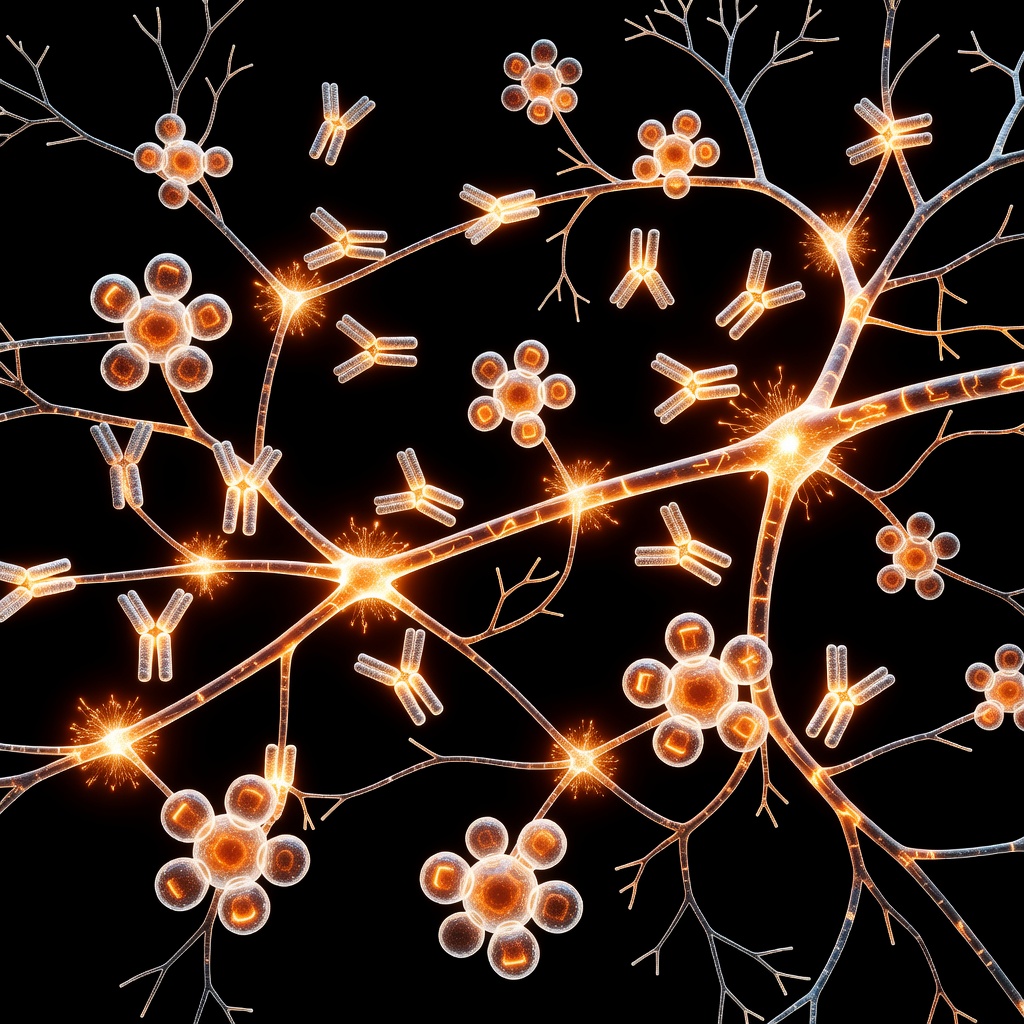
Emerging research suggests that in women with PMDD, these organelles may be operating inefficiently, leading to a 'cellular energy crisis' during the luteal phase. ## Oxidative Stress: The Silent Culprit. Oxidative stress occurs when there is an imbalance between the production of reactive oxygen species (ROS) and the body's ability to detoxify them. During the luteal phase, the surge in progesterone metabolites—specifically allopregnanolone—acts as a stress test for cellular systems. In a healthy system, this is managed with ease. In PMDD, however, researchers have identified elevated markers of oxidative damage, including increased lipid peroxidation and lowered glutathione status.
This oxidative burden can damage mitochondrial membranes, further compromising ATP production and triggering inflammatory cascades that worsen mood symptoms. ## The Link to Neuroinflammation. When mitochondria fail, they release alarm signals that trigger microglia, the immune cells of the brain. Chronic neuroinflammation is increasingly recognized as a signature of severe PMDD. This suggests that the 'brain fog,' anxiety, and depressive symptoms experienced premenstrually are not merely 'hormonal' but are the result of metabolic and immune dysregulation. ## Supporting Mitochondrial Resilience. Addressing PMDD from this perspective requires a shift toward metabolic health.
Strategies often include: 1. Mitochondrial Cofactors: Ensuring optimal levels of CoQ10, Magnesium, and B-vitamins to support the electron transport chain. 2. Antioxidant Support: Increasing intake of polyphenols and glutathione precursors to mitigate oxidative stress markers. 3. Blood Sugar Management: Stabilizing glucose levels to reduce the metabolic load on mitochondrial processes. By viewing PMDD as a disorder of cellular resilience rather than a strictly gynecological issue, we empower those affected to target the metabolic foundations of their health.
This article is provided for informational and educational purposes only. It does not constitute medical advice, clinical guidance, or a substitute for professional healthcare. Information reflects cited research at time of publication. Always consult a qualified healthcare professional before acting on any health information.
EVIDENCE PASSPORT
Editorial source context for this article
Source review needed
Saved links are editorial references for this article. They may support specific claims rather than every sentence. Open and assess each source in context. This passport does not independently verify them.
Editorial context
A complete editorial reading has not been recorded for this article, and no source links are saved on its record.
Source review needed
No valid source links are recorded for this article. Supplementary research, where available, is listed separately below.
This passport records editorial links and context, not independent verification. Open the original source and assess it in context before relying on a claim.
Medical Disclaimer
The information in this article is for educational purposes only and does not constitute medical advice, diagnosis, or treatment. Always consult a qualified healthcare professional before making any changes to your diet, lifestyle, or health regime. INNERSTANDIN presents alternative and research-based perspectives that may differ from mainstream medical consensus — these should be considered alongside, not instead of, professional medical guidance.
Read Full DisclaimerContinue the thread
Keep this question moving.
Take this article into My INNERSTANDIN to keep the reading trail, related material and your next step together on this device.
Explore this in the Body Map
Explore related body structures and their educational pages in the interactive Body Map.
Dig deeper in the Library
Free, longform PDF volumes that go beyond headlines into mechanisms and references.