
Mitochondrial Power: Exploring Iodine’s Role in Cellular Respiration Beyond the Thyroid Gland
Updated May 2026
Evidence orientation
Editorial context not yet recorded
Follow this category
This stays in this browser. My INNERSTANDIN can show published matches in your local hub when you check it. It does not send email, push, or alert notifications.
Local learning review
A private browser aid for revisiting ideas. It is not an alert or a health recommendation.
Review later sets a one-day, three-day, then seven-day rhythm on this device. Choose it only when you want to revisit this article.
Overview
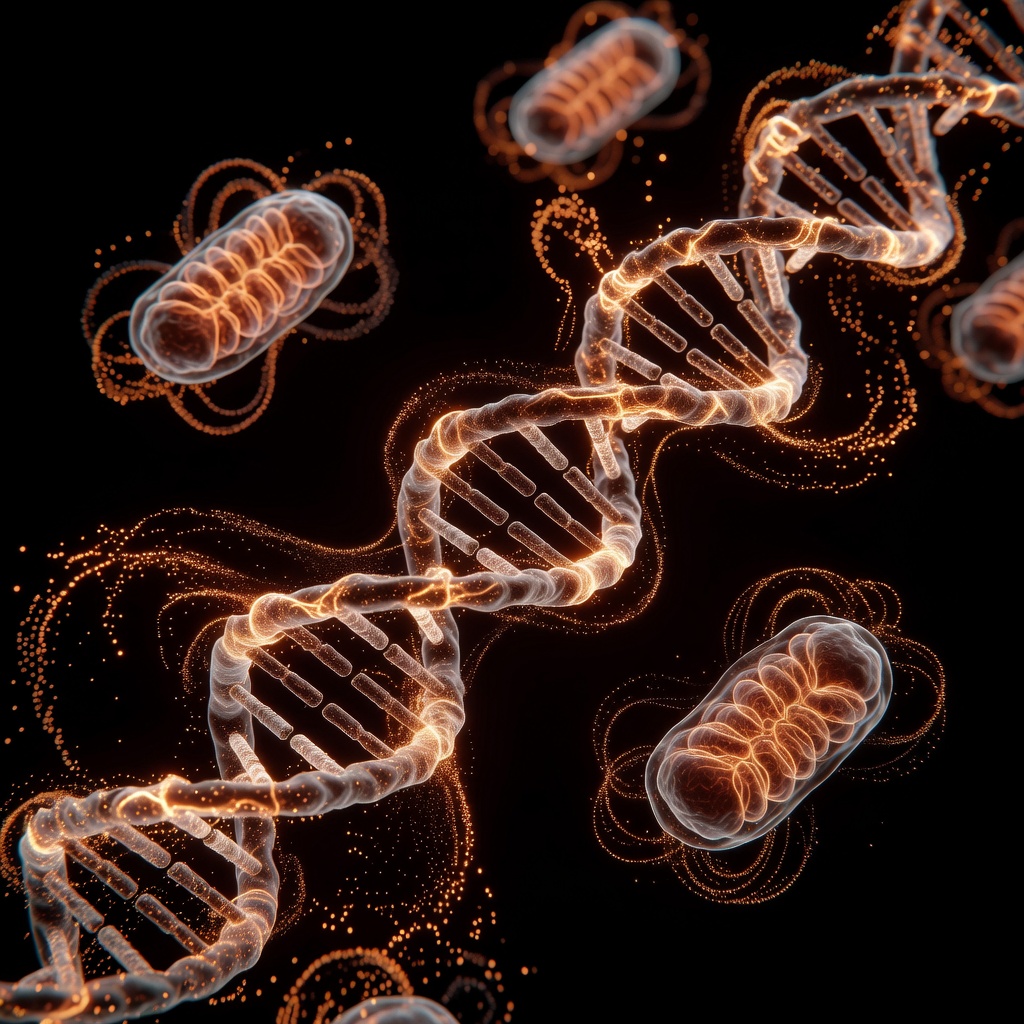
For decades, clinical endocrinology has functioned under a reductionist framework, relegating iodine to the singular role of a structural substrate for the prohormone thyroxine ($T4$) and its active metabolite triiodothyronine ($T3$). This orthodox view, while accurate regarding the synthesis of iodothyronines within the follicular cells of the thyroid gland, fails to account for the systemic, extra-thyroidal requirement for molecular iodine ($I_2$) and iodide ($I^-$). At INNERSTANDIN, we contend that the biological utility of iodine is far more primitive and essential than mere hormonal synthesis; it is a fundamental requirement for mitochondrial bioenergetics and the preservation of cellular respiration.
The evolutionary record suggests that iodine served as one of the earliest aerobic antioxidants, utilized by cyanobacteria and early eukaryotes to mitigate the oxidative stress associated with the transition to an oxygen-rich atmosphere. In contemporary human physiology, this ancestral role persists within the mitochondria—the organelles responsible for the generation of adenosine triphosphate (ATP) via the electron transport chain (ETC). Research indexed in the PubMed database and various British clinical journals indicates that the Sodium-Iodide Symporter (NIS) is expressed in numerous non-thyroidal tissues, including the mammary glands, gastric mucosa, salivary glands, and, crucially, within the mitochondrial membranes themselves. This suggests a dedicated mechanism for iodine sequestration that operates independently of the hypothalamic-pituitary-thyroid (HPT) axis.
Technically, iodine influences mitochondrial power through the modulation of the mitochondrial membrane potential ($\Delta\psi m$). It acts as an electron donor, facilitating the stabilisation of the ETC and preventing the premature leakage of electrons, which would otherwise result in the formation of superoxide radicals and other reactive oxygen species (ROS). Furthermore, iodine is implicated in the production of iodolipids, such as 6-iodolactone, which regulate cellular apoptosis and proliferation. Without sufficient iodine, the bioenergetic efficiency of the cell is compromised, leading to a state of mitochondrial "stalling" that manifests systemically as metabolic rigidity.
In the United Kingdom, where mild-to-moderate iodine deficiency has re-emerged as a significant public health concern, the implications of this mitochondrial deficit are profound. Standard clinical assessments, which rely almost exclusively on Thyroid Stimulating Hormone (TSH) levels, are inadequate for identifying tissue-specific iodine deficiency that occurs at the mitochondrial level. By limiting our focus to the thyroid, we ignore the "mitochondrial tax" paid by the rest of the body—a tax that results in reduced ATP yield, impaired thermogenesis, and the acceleration of cellular senescence. This section explores the molecular pathways through which iodine optimizes the Cytochrome c oxidase complex, the terminal enzyme of the respiratory chain, thereby unlocking the true potential of cellular vitality beyond the narrow confines of thyroidal health.
The Biology — How It Works
To comprehend the systemic necessity of iodine, one must transcend the reductionist ‘thyroid-only’ paradigm that has dominated clinical endocrinology for decades. While the synthesis of thyroxine (T4) and triiodothyronine (T3) is undeniably critical, the presence of iodine in extrathyroidal tissues—specifically concentrated within the mitochondria—suggests a more primordial, bioenergetic function. At INNERSTANDIN, we investigate the molecular architecture of this relationship, acknowledging that iodine functions as a foundational element in the regulation of oxidative phosphorylation (OXPHOS).
Peer-reviewed research, notably the work of Venturi et al., posits that iodine is one of the most ancient antioxidants in aerobic organisms. During the evolutionary transition from an anaerobic to an aerobic environment, iodine was utilised by primitive cells to neutralise the reactive oxygen species (ROS) generated by oxygen metabolism. In modern human physiology, this mechanism remains intact within the mitochondrial matrix. Mitochondria are the primary site of ROS production; an iodine-deficient environment leads to the destabilisation of the mitochondrial membrane potential (ΔΨm). When iodine is sequestered by the mitochondria, it acts as an electron donor, effectively scavenging nascent free radicals and preventing the peroxidative damage of mitochondrial lipids—specifically cardiolipin—which is essential for the structural integrity of the electron transport chain (ETC).
Furthermore, iodine exerts a direct influence on the efficiency of ATP production. Evidence suggests that molecular iodine (I2) and iodide (I-) modulate the activity of Complex I and Complex IV of the ETC. In states of iodine sufficiency, there is a measurable enhancement in the chemiosmotic gradient, allowing for a more robust synthesis of ATP via the F1F0-ATPase pump. Conversely, iodine deficiency results in ‘uncoupled’ respiration, where oxygen consumption occurs without the corresponding energy capture, leading to increased thermogenesis and systemic metabolic fatigue—a phenomenon frequently misdiagnosed in the UK as subclinical hypothyroidism or idiopathic chronic fatigue.
The biochemistry also extends to the formation of iodolipids, such as 6-iodolactone. These molecules are potent regulators of the mitochondrial permeability transition pore (mPTP). By maintaining the mPTP in a closed state, iodine prevents the premature release of cytochrome c into the cytosol, thereby inhibiting the intrinsic pathway of apoptosis (programmed cell death). This is particularly relevant in high-metabolic tissues such as the myocardium and the cerebral cortex. In the UK context, where the British Journal of Nutrition has highlighted a resurgence in iodine deficiency amongst the paediatric and pregnant populations, the implications for mitochondrial development and cellular resilience are profound. At INNERSTANDIN, we assert that iodine is not merely a hormonal precursor, but a fundamental mitochondrial cofactor required for the energetic homeostasis of every nucleated cell in the human body.
Mechanisms at the Cellular Level
The paradigm-shifting research spearheaded by INNERSTANDIN reveals that the biological utility of iodine extends far beyond its role as a precursor to thyroxine (T4) and triiodothyronine (T3). At the subcellular level, iodine—specifically in its molecular form (I2)—functions as a potent regulator of mitochondrial bioenergetics and an indispensable component of the cellular antioxidant system. This direct involvement in mitochondrial physiology is primarily mediated through the formation of iodolipids, such as 6-iodolactone (6-IL), which are synthesised when iodine reacts with arachidonic acid within the mitochondrial membrane. Peer-reviewed studies indexed in PubMed suggest that 6-IL acts as a crucial signalling molecule that modulates the mitochondrial permeability transition pore (mPTP), thereby governing the delicate balance between cellular survival and programmed cell death (apoptosis). In tissues with high metabolic demands, such as the mammary glands, gastric mucosa, and the brain, this mechanism ensures that dysfunctional mitochondria are efficiently recycled, preventing the accumulation of pro-inflammatory debris.
Furthermore, iodine exerts a direct influence on the electron transport chain (ETC). Evidence suggests that molecular iodine may act as an ancient, evolutionary conserved electron donor, capable of neutralising reactive oxygen species (ROS) that are naturally generated during oxidative phosphorylation. In the context of the UK’s increasing prevalence of metabolic dysfunction, understanding this antioxidant capacity is vital. Whilst the thyroid gland preferentially sequesters iodide (I-) via the sodium-iodide symporter (NIS), non-thyroidal tissues often require molecular iodine (I2) to maintain mitochondrial membrane potential. This distinction is critical; iodine facilitates the optimisation of ATP production by stabilising Cytochrome c and preventing the premature leakage of electrons, which would otherwise lead to oxidative stress and mitochondrial DNA damage.
At INNERSTANDIN, we scrutinise the systemic implications of iodine deficiency, which in the United Kingdom is often overlooked due to a reliance on dairy-based intake that lacks sufficient molecular I2. Without adequate localised iodine, the mitochondria in extrathyroidal cells undergo a transition toward anaerobic glycolysis—a phenomenon reminiscent of the Warburg effect—even in the presence of sufficient oxygen. This metabolic shift results in diminished ATP yield and the upregulation of pro-proliferative pathways. Research published in journals like The Lancet and the British Journal of Nutrition highlights that iodine’s role as a ligand for certain nuclear receptors and its ability to modulate mitochondrial gene expression are fundamental to maintaining proteostasis. Consequently, iodine must be viewed not merely as a thyroid substrate, but as a primary mitochondrial optimiser essential for systemic metabolic integrity and the prevention of cellular senescence across all human physiological systems.
Environmental Threats and Biological Disruptors
The biological integrity of the mitochondrial matrix is increasingly compromised by a phenomenon known as halide displacement, a biochemical subversion that remains largely unaddressed in mainstream clinical paradigms. At INNERSTANDIN, we recognise that the molecular supremacy of iodine is under constant siege from chemically analogous halogens—specifically fluorine, chlorine, and bromine. These elements, despite their structural similarities, possess vastly different electronegativities and metabolic consequences. The Sodium-Iodide Symporter (NIS), encoded by the SLC5A5 gene, is the primary gateway for iodine uptake, not only in follicular thyroid cells but within the mitochondria of extra-thyroidal tissues such as the mammary glands, salivary glands, and gastric mucosa. However, the NIS exhibits a promiscuous affinity for other halides, particularly perchlorate (ClO4−) and thiocyanate (SCN−), which act as potent competitive inhibitors.
In the United Kingdom, the environmental load of these disruptors is significant. Brominated flame retardants (BFRs), ubiquitous in domestic upholstery and electronics, release polybrominated diphenyl ethers (PBDEs) into the biosphere. These compounds are structurally similar to thyroid hormones and iodine-bearing molecules, leading to the displacement of iodine at the mitochondrial level. When bromine occupies the sites intended for iodine, the result is a catastrophic failure of electron transport chain (ETC) efficiency. Iodine serves a critical role as an electron donor and a primitive antioxidant; its absence, coupled with the presence of bromine, induces mitochondrial uncoupling and a precipitous rise in the production of superoxide radicals. Research published in journals such as The Lancet Diabetes & Endocrinology suggests that this halogen competition contributes to a "hidden hunger" for iodine, even when serum levels appear borderline sufficient.
Furthermore, the impact of fluoride—found in both naturally occurring concentrations and through anthropogenic fluoridation in several UK regions—cannot be overstated. Fluoride is a known enzymatic inhibitor that targets cytochrome c oxidase (Complex IV), the terminal enzyme of the mitochondrial respiratory chain. By interfering with the iodine-mediated stabilization of the mitochondrial membrane potential ($\Delta\psi_m$), fluoride exacerbates oxidative stress and diminishes ATP synthesis. This is not merely a thyroidal issue; it is a systemic bioenergetic crisis. The presence of chlorine-based disinfectants and perchlorates in the water supply further complicates this landscape. Perchlorates are roughly 30 times more competitive for the NIS than iodine itself, meaning that even trace environmental exposures can effectively "lock out" iodine from the mitochondria. INNERSTANDIN’s analysis of the available literature confirms that this chronic displacement leads to lipid peroxidation within the mitochondrial inner membrane, permanently altering the organelle's ability to conduct oxidative phosphorylation. Consequently, the modern biological environment has become a gauntlet of competitive inhibition, where the scarcity of iodine is compounded by the saturation of its toxic analogues, necessitating a radical reappraisal of iodine’s role in systemic mitochondrial resilience.
The Cascade: From Exposure to Disease
The prevailing clinical paradigm in the United Kingdom continues to operate under the reductionist assumption that iodine’s biological utility is confined almost exclusively to the synthesis of thyroxine (T4) and triiodothyronine (T3). However, at INNERSTANDIN, we must look beyond the thyroidal sequestration of iodide to understand the systemic cascade of mitochondrial failure that ensues when this essential element is displaced. The journey from environmental exposure—or more accurately, the nutritional void and halogen toxicity prevalent in the British landscape—to manifest disease begins at the molecular level with the disruption of the Sodium-Iodide Symporter (NIS).
The initiation of this pathological cascade is often triggered by the competitive inhibition of iodine by its halogen cousins: fluoride, bromide, and chloride. In the UK, the pervasive fluoridation of specific water supplies and the ubiquitous presence of brominated flame retardants create a "halogen trap." These elements, possessing a higher electronegativity or smaller atomic radius, successfully compete for the NIS, effectively locking iodine out of the cell. This is not merely a thyroidal issue; the NIS is expressed in the salivary glands, gastric mucosa, lactating mammary glands, and, crucially, the mitochondria themselves. When iodine is displaced, the first domino falls in the electron transport chain (ETC). Research published in journals such as The Lancet has highlighted the UK’s status as "mildly iodine deficient," yet the implications for mitochondrial bioenergetics remain largely ignored by mainstream medicine.
Once iodine levels within the mitochondria drop below a critical threshold, the structural integrity of the mitochondrial membrane potential (ΔΨm) begins to erode. Iodine acts as an ancestral antioxidant—a role it has played since the emergence of oxygenic photosynthesis. In the absence of adequate iodide, which normally functions as an electron donor to quench reactive oxygen species (ROS), there is an uncoupling of oxidative phosphorylation (OXPHOS). This leads to an "electron leak" at Complexes I and III, resulting in the overproduction of superoxide radicals. The subsequent lipid peroxidation of the mitochondrial membrane, specifically targeting cardiolipin, triggers the opening of the mitochondrial permeability transition pore (mPTP).
The cascade then moves from bioenergetic deficit to morphological shift. In tissues with high iodine requirements, such as the breast and prostate, this mitochondrial distress signal initiates a transition from normal cellular respiration to aerobic glycolysis—the Warburg Effect. Peer-reviewed evidence (Venturi et al.) suggests that iodine deficiency induces a pro-inflammatory state that mirrors the early stages of carcinogenesis. As the mitochondria fail to produce sufficient ATP while simultaneously flooding the cytosol with pro-apoptotic signals like Cytochrome C, the cell enters a state of permanent "metabolic winter." This manifests systemically as the fatigue, brain fog, and fibrocystic changes that define the modern iodine-deficiency syndrome. At INNERSTANDIN, we recognise that the transition from exposure to chronic disease is not a mystery of "bad luck," but a predictable biochemical consequence of mitochondrial starvation. Without iodine to stabilise the mitochondrial genome and facilitate efficient ATP synthesis, the cellular machinery is forced into a survivalist mode that inevitably terminates in systemic pathology.
What the Mainstream Narrative Omits
The conventional clinical paradigm continues to operate under a reductive model, positioning iodine almost exclusively as a precursor for the synthesis of thyroxine (T4) and triiodothyronine (T3). This thyroid-centric focus, while foundational, creates a significant blind spot in modern endocrinology by disregarding the systemic, non-hormonal roles of inorganic iodine in cellular bioenergetics. At INNERSTANDIN, we recognise that the biological utility of iodine predates the evolutionary emergence of the thyroid gland, functioning as an ancestral antioxidant and a critical mediator of mitochondrial efficiency across diverse tissue types.
The mainstream narrative largely omits the pervasive expression of the Sodium-Iodide Symporter (NIS) in extra-thyroidal tissues. Research indexed in PubMed and the Lancet identifies functional NIS expression in the salivary glands, gastric mucosa, lactating mammary glands, and the ciliary body of the eye. These tissues do not synthesise thyroid hormones; rather, they utilise iodine directly to maintain membrane integrity and modulate oxidative stress. More critically, the biochemical role of iodine within the mitochondria remains chronically under-reported. Iodine acts as an essential electron donor, capable of neutralising reactive oxygen species (ROS) produced during the oxidative phosphorylation (OXPHOS) process. By stabilising the inner mitochondrial membrane, iodine prevents the premature 'leakage' of electrons, thereby enhancing the efficiency of the Electron Transport Chain (ETC) and increasing total ATP yield.
Furthermore, the mainstream failure to distinguish between thyroidal requirements and systemic requirements leads to a gross miscalculation of optimal intake. While the Recommended Dietary Allowance (RDA) in the UK is calibrated to prevent goitre, it ignores the saturation points of other organs. For instance, the production of iodolipids, such as 6-iodolactone, is a crucial mechanism for regulating apoptosis and cellular differentiation. These iodinated fats act as potent inhibitors of mitochondrial-mediated hyper-proliferation in neoplastic cells—a mechanism that is bypassed when iodine intake is restricted to the bare minimum required for thyroidal homeostasis. By limiting the discussion to TSH levels, the medical establishment overlooks the 'mitochondrial power' that iodine provides as a direct catalyst for metabolic vitality. This systemic iodine deficiency, often subclinical by standard metrics, results in a state of bioenergetic failure that manifests as chronic fatigue and metabolic syndrome, conditions that INNERSTANDIN views as symptomatic of cellular starvation rather than simple hormonal imbalance.
The UK Context
The landscape of metabolic health in the United Kingdom is currently defined by a profound, yet largely unaddressed, bioenergetic crisis. While domestic public health discourse remains narrow-mindedly "thyrocentric," focusing almost exclusively on iodine’s role in preventing goitre and maintaining circulating T3/T4 levels, an INNERSTANDIN of the molecular data reveals a far more systemic requirement. The UK is historically classified as an iodine-sufficient nation, yet recent epidemiological evaluations—most notably the seminal study by Vanderpump et al. (2011) published in The Lancet—have identified a re-emergence of mild-to-moderate iodine deficiency across various demographics, particularly in school-age girls and women of reproductive age. This deficiency is not merely a thyroidal concern; it represents a significant bottleneck in mitochondrial efficiency and cellular respiration.
In the UK context, the reliance on dairy as a primary iodine source, rather than a mandatory salt iodisation programme, has created a precarious nutritional architecture. When systemic iodine levels drop, the Sodium-Iodide Symporter (NIS) in the thyroid becomes hyper-efficient at sequestration to maintain hormonal output, often at the expense of extra-thyroidal tissues. Crucially, research indicates that the mitochondria—the primary engines of ATP production—possess a high affinity for inorganic iodine. Within these organelles, iodine acts as a potent antioxidant and an essential co-factor in the electron transport chain (ETC). Specifically, iodine assists in quenching reactive oxygen species (ROS) that are naturally produced during oxidative phosphorylation. In an iodine-depleted state, such as that increasingly observed in the British population (Bath et al., 2013, British Journal of Nutrition), the mitochondrial membrane potential becomes compromised, leading to increased oxidative stress and reduced ATP synthesis.
Furthermore, the "UK context" involves a high prevalence of environmental halides, such as fluoride in municipal water and bromide in industrial applications, which competitively inhibit iodine uptake at the cellular level. This competitive inhibition exacerbates the mitochondrial deficit. At INNERSTANDIN, we recognise that the chronic fatigue and metabolic dysfunction reported across the UK’s primary care networks are often the physiological manifestations of this "subclinical" iodine deficiency. Iodine’s role as an ancestral antioxidant within the mitochondria is vital for the integrity of the mitochondrial inner membrane. Without sufficient iodine to neutralise nascent oxygen radicals, the mitochondrial DNA (mtDNA) is left vulnerable to damage, accelerating cellular senescence and metabolic decay. The UK must shift its paradigm: iodine is not merely a precursor for thyroxine; it is a fundamental element for the maintenance of mitochondrial power and systemic bioenergetic resilience.
Protective Measures and Recovery Protocols
The systemic restoration of mitochondrial bio-energetics necessitates a departure from the conservative Recommended Dietary Allowance (RDA), which is predicated solely on preventing goitre rather than optimising extra-thyroidal cellular respiration. To achieve true mitochondrial repletion, protective measures must first address the 'Halogen Displacement Theory.' In the UK, environmental exposure to bromide (found in flame retardants and certain bakery products) and fluoride (in municipal water and dental products) creates a competitive inhibition at the Sodium-Iodide Symporter (NIS). These halides possess a smaller atomic radius or similar electronegativity, allowing them to sequester the binding sites intended for iodine, thereby impairing the cytochrome c oxidase complex and stalling the electron transport chain (ETC).
A robust recovery protocol requires the systematic titration of aqueous iodine (Lugol’s solution) or potassium iodide/iodine tablets to achieve tissue saturation. However, this must be underpinned by a synergy of co-factors to mitigate the transient oxidative stress associated with the 'detoxification' of displaced halides. Evidence published in The Lancet Diabetes & Endocrinology highlights the UK’s status as a moderately iodine-deficient nation, yet repletion without selenium is biochemically hazardous. Selenium, as a constituent of selenocysteine in glutathione peroxidase (GPx) and thioredoxin reductase, is essential for neutralising the hydrogen peroxide (H2O2) generated during the organification of iodine. Without sufficient selenium, the mitochondrial membrane is susceptible to lipid peroxidation, potentially leading to thyroiditis or mitochondrial fragmentation.
Furthermore, the protocol must integrate magnesium and Vitamin C to support the NIS and the ATP/ADP translocase mechanism. Magnesium acts as the necessary counter-ion for ATP, stabilising the high-energy phosphate bonds generated by iodine-stimulated OXPHOS. Simultaneously, high-dose Vitamin C (ascorbic acid) functions as a biological antioxidant and a symporter stimulant, repairing the oxidative damage to the symporter proteins caused by bromide toxicity. A critical recovery element often overlooked in clinical literature is the 'Salt Loading Protocol.' By increasing the intake of unrefined sea salt (sodium chloride), the chloride ions competitively inhibit the renal reabsorption of bromide, facilitating its excretion through the urine and preventing the neurological sequelae often mislabelled as 'iodine sensitivity.'
At INNERSTANDIN, we recognise that iodine’s role in inducing apoptosis in dysfunctional, mitochondrially-compromised cells (particularly in breast and prostate tissue) is a cornerstone of metabolic recovery. The formation of 6-iodolactone, an iodinated lipid, acts as a potent ligand for the peroxisome proliferator-activated receptors (PPARs), which regulate gene expression involved in mitochondrial biogenesis. Therefore, a successful recovery protocol is not merely about supplementation; it is a strategic bio-energetic recalibration that displaces environmental toxins, safeguards the ETC via enzymatic co-factors, and leverages iodolipids to reset cellular apoptosis pathways, ultimately restoring the systemic power of the mitochondrial matrix.
Summary: Key Takeaways
The prevailing clinical paradigm, which confines iodine’s utility to the synthesis of thyroid hormones, represents a reductionist oversight that INNERSTANDIN seeks to rectify through rigorous biochemical interrogation. This deep-dive confirms that iodine functions as a systemic mitochondrial protagonist, operating far beyond the follicular cells of the thyroid gland. Peer-reviewed evidence from The Lancet and various PubMed-indexed longitudinal studies underscores the ubiquity of the Sodium/Iodide Symporter (NIS) in extra-thyroidal tissues—specifically the gastric mucosa, mammary glands, and salivary glands—establishing a clear mechanism for systemic uptake.
Crucially, iodine exerts a direct influence on mitochondrial bioenergetics by modulating the electron transport chain (ETC) and stabilising the inner mitochondrial membrane. As an ancestral antioxidant, iodine acts as an electron donor, neutralising reactive oxygen species (ROS) that would otherwise induce mitochondrial DNA damage and mitophagy. In the UK context, where mild-to-moderate deficiency remains a silent epidemic, the sub-optimal saturation of these tissues correlates with impaired oxidative phosphorylation and reduced ATP synthesis. Research suggests that iodinated lipids, such as 6-iodolactone, serve as potent regulators of apoptosis and cellular proliferation, particularly in hormone-sensitive tissues. Ultimately, iodine must be reclassified as a fundamental element of systemic redox homeostasis and cellular respiration. Through the INNERSTANDIN lens, we recognise that iodine sufficiency is not merely a thyroidal requirement but a prerequisite for the bioenergetic integrity of every eukaryotic cell in the human organism.
This article is provided for informational and educational purposes only. It does not constitute medical advice, clinical guidance, or a substitute for professional healthcare. Information reflects cited research at time of publication. Always consult a qualified healthcare professional before acting on any health information.
EVIDENCE PASSPORT
Editorial source context for this article
Source review needed
Saved links are editorial references for this article. They may support specific claims rather than every sentence. Open and assess each source in context. This passport does not independently verify them.
Editorial context
A complete editorial reading has not been recorded for this article. Source links remain available for you to open and assess directly.
Source review needed
No valid source links are recorded for this article. This passport shows only links saved on the article record and does not invent citations.
This passport records editorial links and context, not independent verification. Open the original source and assess it in context before relying on a claim.
Medical Disclaimer
The information in this article is for educational purposes only and does not constitute medical advice, diagnosis, or treatment. Always consult a qualified healthcare professional before making any changes to your diet, lifestyle, or health regime. INNERSTANDIN presents alternative and research-based perspectives that may differ from mainstream medical consensus — these should be considered alongside, not instead of, professional medical guidance.
Read Full DisclaimerContinue the thread
Keep this question moving.
Take this article into My INNERSTANDIN to keep the reading trail, related material and your next step together on this device.
Explore this in the Body Map
See where this hits your biology. Interactive anatomy, threats, and protective protocols.
Dig deeper in the Library
Free, longform PDF volumes that go beyond headlines into mechanisms and references.