
Molecular Mechanisms of Estrogen Receptor Alpha in Mediating Cervical Collagen Cross-linking
An in-depth exploration of how Estrogen Receptor Alpha (EȒ) governs the structural integrity of the uterine cervix by modulating collagen cross-linking, providing crucial insights into cervical health and pregnancy maintenance.

# Molecular Mechanisms of Estrogen Receptor Alpha in Mediating Cervical Collagen Cross-linking ## Introduction: The Architecture of the Cervix The uterine cervix serves as a gatekeeper of the female reproductive system. To perform its dual role—maintaining a closed, rigid state during pregnancy and undergoing rapid softening and dilation during parturition—it relies on a complex biological scaffold known as the Extracellular Matrix (ECM). At the heart of this structural integrity lies collagen, the most abundant protein in the cervical stroma. However, the strength of the cervix is determined not merely by the quantity of collagen, but by its quality and the density of its cross-links. This article explores the root-cause molecular mechanisms by which Estrogen Receptor Alpha (EȒ) mediates the cross-linking of cervical collagen, a process fundamental to cervical health and hormonal influence. ## The Extracellular Matrix and Collagen Dynamics The cervical stroma is primarily composed of Type I and Type III collagen, which provide tensile strength and flexibility.
These collagen molecules are synthesized by fibroblasts and secreted into the extracellular space as procollagen. For these molecules to form functional, load-bearing fibrils, they must undergo a process of enzymatic cross-linking. The primary enzymes responsible for this process are the Lysyl Oxidase (LOX) family. These copper-dependent amine oxidases initiate the formation of covalent cross-links between lysine or hydroxylysine residues in adjacent collagen molecules. Without adequate cross-linking, the collagen network remains disorganized and mechanically weak, a state often observed during cervical ripening or in cases of cervical insufficiency. ## The Role of Estrogen Receptor Alpha (EȒ) Estrogen, particularly 17̒-estradiol (E2), is the master orchestrator of cervical remodeling.
Its effects are mediated through two primary nuclear receptors: Estrogen Receptor Alpha (EȒ) and Estrogen Receptor Beta (ER̒). In the cervical tissue, EȒ is the dominant isoform expressed in the stromal fibroblasts and the epithelium. EȒ functions as a ligand-activated transcription factor. When estrogen binds to EȒ, the receptor undergoes a conformational change, dimerizes, and translocates to the nucleus. Here, it interacts with specific DNA sequences known as Estrogen Response Elements (EREs) located in the promoter regions of target genes, including those that encode collagen-modifying enzymes. ## Lysyl Oxidase: The Bridge-Maker Research has identified that EȒ is a direct regulator of the LOX gene family.
In a state of high estrogenic activity, EȒ facilitates the upregulation of LOX and Lysyl Oxidase-like (LOXL) enzymes. This upregulation enhances the formation of pyridinoline and deoxypyridinoline cross-links, which effectively 'lock' the collagen fibrils into a high-tensile meshwork. Conversely, a decrease in EȒ signaling or a shift in the estrogen-to-progesterone ratio can lead to a downregulation of LOX expression. This is a critical root cause of cervical softening. When LOX activity diminishes, the rate of new cross-link formation falls behind the rate of collagen turnover, leading to a progressively more compliant and 'ripened' cervix. ## Molecular Signalling: Genomic and Non-Genomic Pathways The influence of EȒ on collagen is not limited to direct transcriptional control.
It also involves complex non-genomic pathways and crosstalk with other signaling molecules. 1. Genomic Signaling: As mentioned, the direct binding of the EȒ complex to EREs on the LOX promoter stimulates mRNA synthesis. This is a slow, sustained response that builds the structural foundation of the cervix during the non-pregnant state and early gestation. 2. Non-Genomic Signaling: Estrogen can trigger rapid cellular responses through membrane-associated EȒ and G-protein coupled estrogen receptors (GPER). These pathways can activate protein kinases (like MAPK and PI3K) that post-translationally modify LOX activity or influence the secretion of Matrix Metalloproteinases (MMPs)—enzymes that degrade the collagen matrix. 3. The Progesterone Antagonism: In the cervix, progesterone typically acts to maintain collagen cross-linking by inhibiting the degradative enzymes. However, EȒ can modulate the expression of progesterone receptors (PR), meaning that estrogen levels effectively calibrate the cervix's sensitivity to progesterone's stabilizing effects. ## Clinical Implications: Cervical Insufficiency and Health Understanding the EȒ-LOX axis provides vital insights into clinical conditions such as cervical insufficiency (incompetence) and spontaneous preterm birth. Cervical insufficiency is often characterized by a premature loss of tensile strength.
Molecular analysis of cervical biopsies in such patients frequently reveals a 'biochemical ripening' regardless of gestational age. This ripening is characterized by reduced LOX expression and a corresponding decrease in collagen cross-link density. If the EȒ pathway is disrupted—either through genetic polymorphisms in the ESR1 gene or environmental endocrine disruptors—the cervix may fail to maintain the necessary rigidity to support a developing pregnancy. Furthermore, in the context of menopause and Hormone Replacement Therapy (HRT), the decline in systemic estrogen leads to a significant reduction in cervical and vaginal collagen density. By understanding that EȒ is the mediator of these changes, clinicians can better tailor treatments to support pelvic floor health and cervical integrity in post-menopausal women. ## The Interplay with Inflammation It is important to note that the EȒ-collagen relationship does not exist in a vacuum.
The cervix is a highly immunological site. Pro-inflammatory cytokines, such as IL-1̒ and IL-8, are known to antagonize EȒ-mediated collagen synthesis and instead promote the expression of MMPs. This 'inflammatory switch' is what ultimately drives the rapid collagen breakdown required for labor. However, when this switch occurs prematurely due to infection or chronic stress, it bypasses the stabilizing effect of the EȒ-LOX pathway, leading to preterm cervical shortening. ## Conclusion: A New Frontier in Cervical Health The molecular mechanism of Estrogen Receptor Alpha in mediating cervical collagen cross-linking represents a fundamental pillar of reproductive biology. By acting as the primary regulator of the LOX enzyme family, EȒ ensures that the cervical scaffold is both strong enough to protect a pregnancy and dynamic enough to allow for birth.
For practitioners and educators at INNERSTANDING, focusing on these root-cause molecular pathways allows for a more nuanced approach to cervical health. Rather than viewing cervical softening as a purely mechanical event, we must recognize it as a sophisticated hormonal and enzymatic transition. Future therapeutic interventions for cervical disorders will likely target these specific EȒ-mediated pathways, aiming to stabilize the collagen matrix and improve outcomes for women's health globally.
This article is provided for informational and educational purposes only. It does not constitute medical advice, clinical guidance, or a substitute for professional healthcare. Information reflects cited research at time of publication. Always consult a qualified healthcare professional before acting on any health information.
RESEARCH FOUNDATIONS
Biological Credibility Archive
Citations provided for educational reference. Verify via PubMed or institutional databases.
Medical Disclaimer
The information in this article is for educational purposes only and does not constitute medical advice, diagnosis, or treatment. Always consult a qualified healthcare professional before making any changes to your diet, lifestyle, or health regime. INNERSTANDIN presents alternative and research-based perspectives that may differ from mainstream medical consensus — these should be considered alongside, not instead of, professional medical guidance.
Read Full DisclaimerReady to learn more?
Continue your journey through our classified biological research.
THE ARSENAL
Based on Cervical Health & Hormonal Influence — products curated by our research team for educational relevance and biological support.
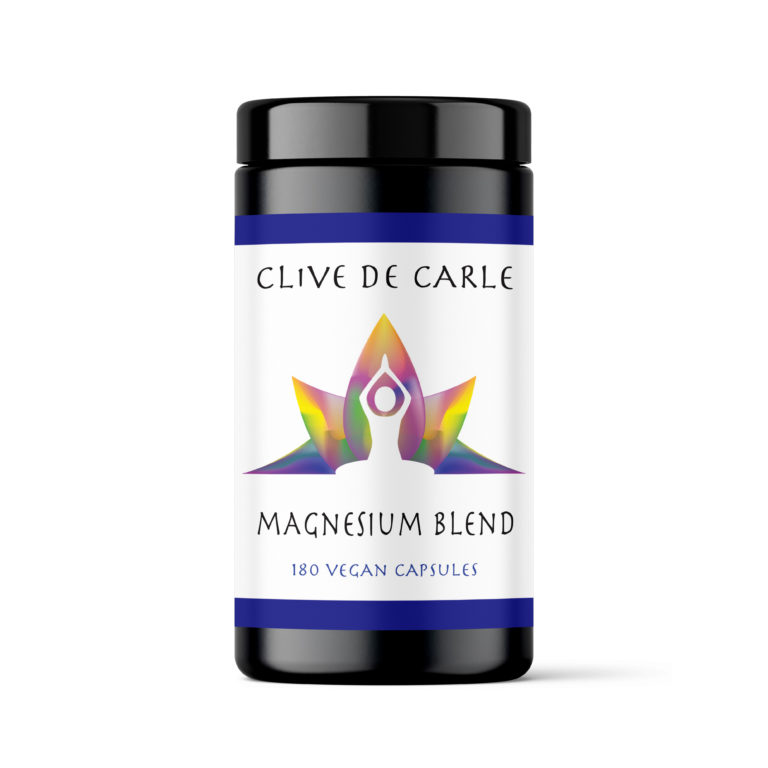
Magnesium Blend – The Most Important Mineral

Clean Slate – Detoxes thousands of chemicals,heavy metals, pesticides, allergens, mold spores and fungus
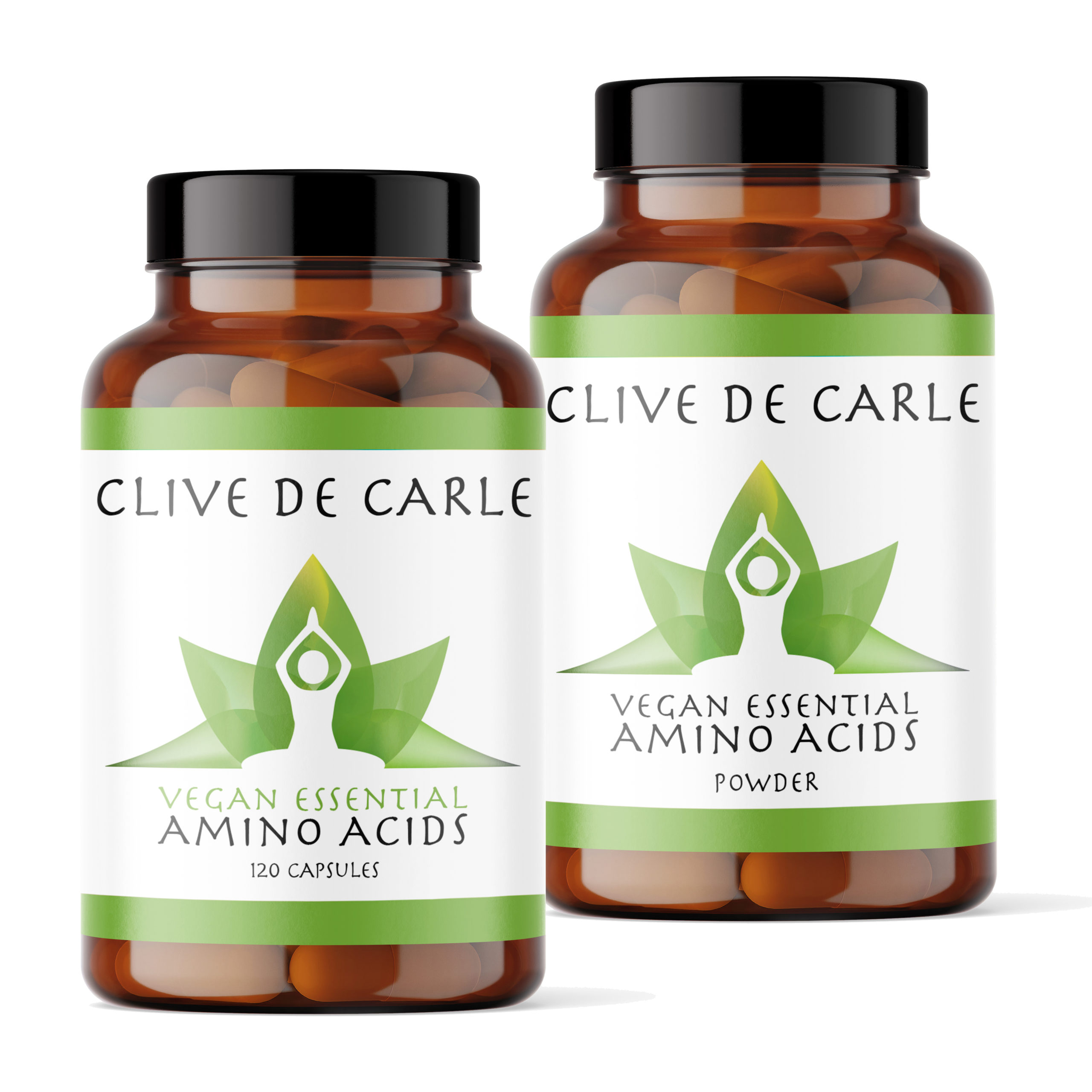
Vegan Essential Amino Acids – Plant-Powered Protein Building
INNERSTANDING may earn a commission on purchases made through these links. All products are selected based on rigorous educational relevance to our biological research.