
Molecular Mimicry and Autoimmunity: Investigating N-Methyl-D-Aspartate Receptor Antibodies in Psychosis
Discuss this resourceUpdated August 2026
An exploration of how molecular mimicry triggers autoimmune-mediated psychosis, focusing on the pathogenic role of NMDA receptor antibodies within the broader scope of neuroinflammation and schizophrenia spectrum disorders.
Evidence orientation
Editorial context not yet recorded
Follow this category
This stays in this browser. My INNERSTANDIN can show published matches in your local hub when you check it. It does not send email, push, or alert notifications.
Local learning review
A private browser aid for revisiting ideas. It is not an alert or a health recommendation.
Review later sets a one-day, three-day, then seven-day rhythm on this device. Choose it only when you want to revisit this article.
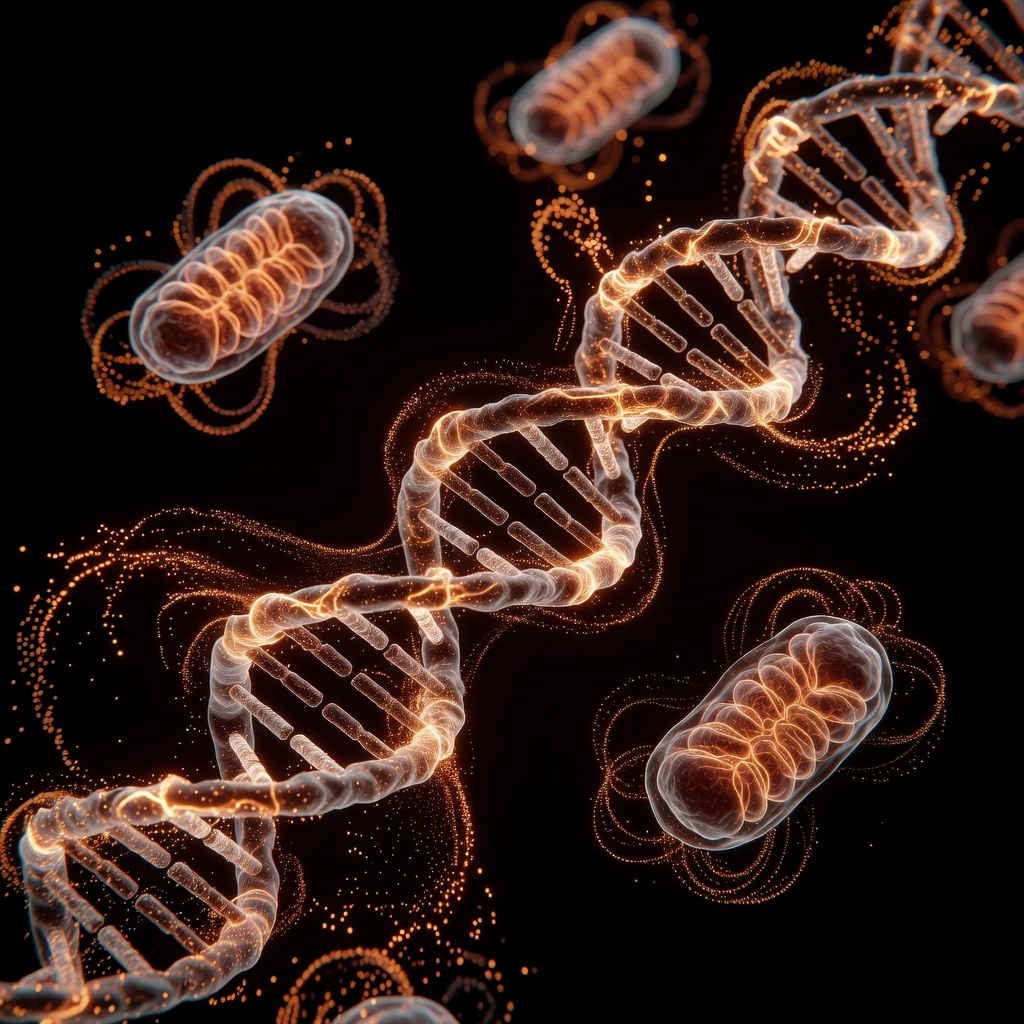
The Immune-Psychiatry Frontier. At INNERSTANDING, we investigate the root causes of mental health challenges by bridging the gap between immunology and psychiatry. A groundbreaking shift in our understanding of psychosis involves the concept of molecular mimicry, where the immune system, designed to fight external pathogens, mistakenly attacks its own neurological hardware. ### What is Molecular Mimicry? Molecular mimicry occurs when the protein structures of a pathogen—such as a virus or bacteria—closely resemble the body's own tissues. During an immune response, the body generates antibodies intended to neutralize the invader.
If these antibodies cross-react with neural tissues because of structural similarity, we enter the realm of autoimmune encephalitis. ### NMDA Receptors: The Neural Gatekeepers. The N-methyl-D-aspartate (NMDA) receptor is a glutamate-gated ion channel essential for synaptic plasticity, memory, and cognitive function. Research has shown that when NMDA receptor antibodies (NMDAR-Abs) are present in the cerebrospinal fluid, they cross-link with the receptor, causing it to internalize into the cell. This loss of receptor function disrupts excitatory signaling, manifesting clinically as psychiatric symptoms, including hallucinations, catatonia, and severe cognitive decline. ### The Link to Psychosis and Schizophrenia. While classic anti-NMDAR encephalitis presents as a medical emergency, low-titer antibody presence has been identified in a subset of patients previously diagnosed with treatment-resistant schizophrenia.
This suggests that neuroinflammation, rather than just neurochemical imbalance, may be the primary driver in these specific cases. The body is essentially in a state of self-sabotage, where the immune system's vigilance against a prior infection becomes the root cause of the patient's psychosis. ### Investigating the Root Cause. To address these symptoms, we must look beyond standard dopamine-blocking medications. Diagnostic panels checking for anti-neuronal antibodies are becoming vital tools. Treatment protocols often involve immunotherapies, such as intravenous immunoglobulin (IVIG) or plasma exchange, which aim to quiet the overactive immune system.
Understanding the trigger—whether it be a post-viral state or another immunological disruptor—is the cornerstone of personalized, root-cause psychiatric care. As our research advances, we continue to validate the necessity of viewing the brain as a component of the whole-body immune system.
This article is provided for informational and educational purposes only. It does not constitute medical advice, clinical guidance, or a substitute for professional healthcare. Information reflects cited research at time of publication. Always consult a qualified healthcare professional before acting on any health information.
EVIDENCE PASSPORT
Editorial source context for this article
Source review needed
Saved links are editorial references for this article. They may support specific claims rather than every sentence. Open and assess each source in context. This passport does not independently verify them.
Editorial context
A complete editorial reading has not been recorded for this article, and no source links are saved on its record.
Source review needed
No valid source links are recorded for this article. Supplementary research, where available, is listed separately below.
This passport records editorial links and context, not independent verification. Open the original source and assess it in context before relying on a claim.
Medical Disclaimer
The information in this article is for educational purposes only and does not constitute medical advice, diagnosis, or treatment. Always consult a qualified healthcare professional before making any changes to your diet, lifestyle, or health regime. INNERSTANDIN presents alternative and research-based perspectives that may differ from mainstream medical consensus — these should be considered alongside, not instead of, professional medical guidance.
Read Full DisclaimerContinue the thread
Keep this question moving.
Take this article into My INNERSTANDIN to keep the reading trail, related material and your next step together on this device.
Explore this in the Body Map
Explore related body structures and their educational pages in the interactive Body Map.
Dig deeper in the Library
Free, longform PDF volumes that go beyond headlines into mechanisms and references.