
Neuro-Inflammation and Methylation: Linking MTHFR Variants to Chronic Neurological Stress
Discuss this resourceUpdated August 2026
An in-depth exploration of how MTHFR genetic variations impair the methylation cycle, leading to systemic neuro-inflammation and chronic neurological distress.
Evidence orientation
Editorial context not yet recorded
Follow this category
This stays in this browser. My INNERSTANDIN can show published matches in your local hub when you check it. It does not send email, push, or alert notifications.
Local learning review
A private browser aid for revisiting ideas. It is not an alert or a health recommendation.
Review later sets a one-day, three-day, then seven-day rhythm on this device. Choose it only when you want to revisit this article.
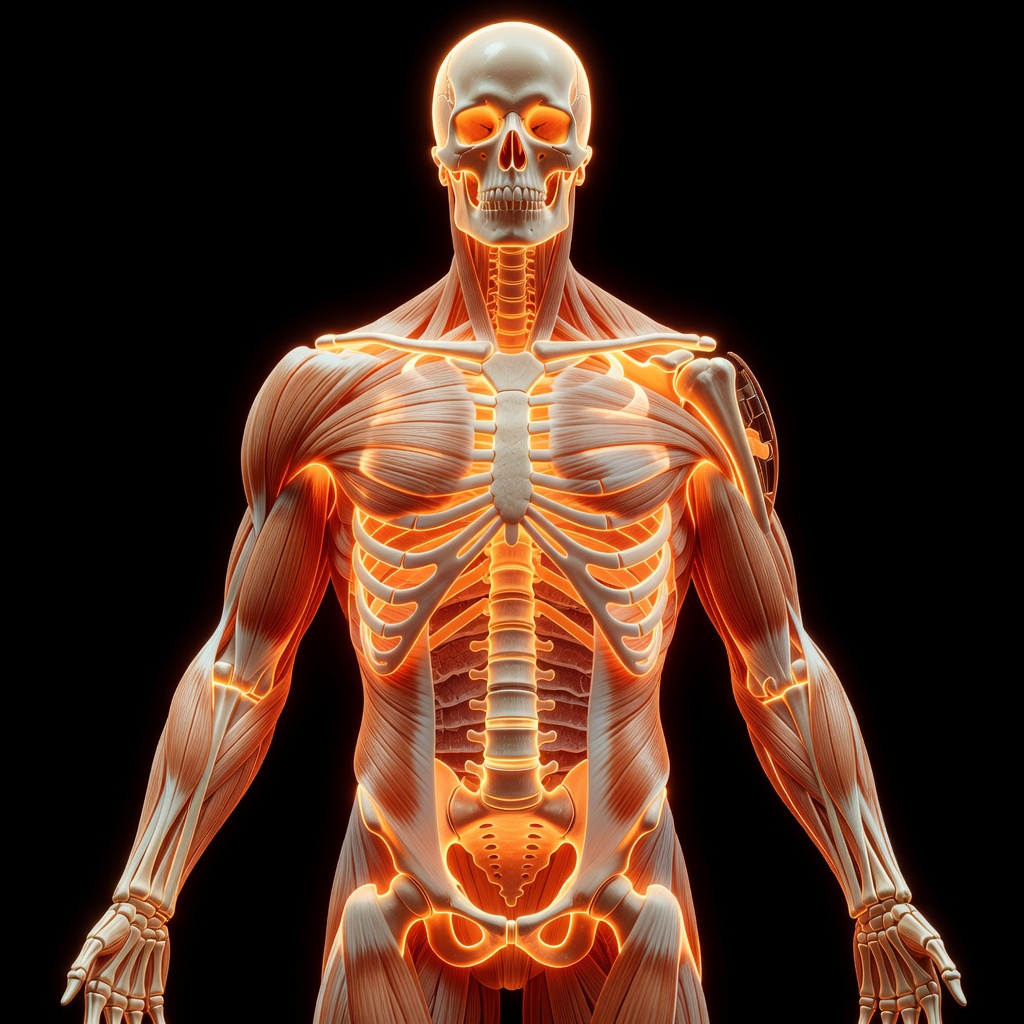
At the core of the INNERSTANDING educational framework lies the understanding that chronic neurological stress is rarely an isolated event. It is often the downstream consequence of metabolic bottlenecks. One of the most significant, yet overlooked, factors is the relationship between the MTHFR gene and the brain's internal inflammatory environment.
The Methylation Cycle: The Engine of Cellular Health
Methylation is a biochemical "on/off" switch. It involves the transfer of a methyl group—a carbon atom surrounded by three hydrogen atoms—to DNA, proteins, and neurotransmitters. This process is essential for repairing DNA, processing hormones, and detoxifying heavy metals. The MTHFR enzyme (methylenetetrahydrofolate reductase) is the gatekeeper of this cycle, converting dietary folate into its active form, 5-MTHF.
How MTHFR Variants Disrupt Neurological Stability
When an individual carries MTHFR variants (such as C677T or A1298C), the efficiency of this conversion drops significantly. This isn't just about vitamins; it is about neurochemistry. If MTHFR is underperforming, the body cannot efficiently recycle homocysteine back into methionine. High levels of homocysteine are neurotoxic, capable of stimulating NMDA receptors to the point of excitotoxicity—a state where neurons become overstimulated and begin to die.
The Link to Neuro-Inflammation
Neuro-inflammation is the brain's immune response to cellular damage. When the methylation cycle stalls, the production of SAMe (S-adenosylmethionine) decreases. SAMe is the primary methyl donor in the body. Without adequate SAMe, the brain struggles to synthesize neurotransmitters like serotonin, dopamine, and melatonin. Furthermore, the body loses its ability to effectively clear reactive oxygen species (ROS). This creates an environment of oxidative stress, which triggers glial cell activation—the primary drivers of brain inflammation.
Root-Cause Considerations
Addressing neuro-inflammation requires more than just high-dose supplementation. It requires a root-cause approach:
- Support the Cycle: Ensuring the availability of co-factors like B12, B6, and Riboflavin is essential for the cycle to function even with genetic variants.
- Reduce Toxic Load: Lowering the burden on detoxification pathways, such as heavy metal exposure and chemical irritants, allows the limited methylation capacity to focus on neuro-protection.
- Mitochondrial Support: Since methylation is ATP-intensive, mitochondrial health must be optimized to provide the energy required for the cycle.
Conclusion
By viewing the MTHFR variant not as a disease, but as a metabolic limitation that requires specific nutritional and lifestyle inputs, we can reduce the chronic neurological stress that plagues so many. Understanding the interplay between our genetics and our environment is the first step toward reclaiming neurological health.
This article is provided for informational and educational purposes only. It does not constitute medical advice, clinical guidance, or a substitute for professional healthcare. Information reflects cited research at time of publication. Always consult a qualified healthcare professional before acting on any health information.
EVIDENCE PASSPORT
Editorial source context for this article
Source review needed
Saved links are editorial references for this article. They may support specific claims rather than every sentence. Open and assess each source in context. This passport does not independently verify them.
Editorial context
A complete editorial reading has not been recorded for this article, and no source links are saved on its record.
Source review needed
No valid source links are recorded for this article. Supplementary research, where available, is listed separately below.
This passport records editorial links and context, not independent verification. Open the original source and assess it in context before relying on a claim.
Medical Disclaimer
The information in this article is for educational purposes only and does not constitute medical advice, diagnosis, or treatment. Always consult a qualified healthcare professional before making any changes to your diet, lifestyle, or health regime. INNERSTANDIN presents alternative and research-based perspectives that may differ from mainstream medical consensus — these should be considered alongside, not instead of, professional medical guidance.
Read Full DisclaimerContinue the thread
Keep this question moving.
Take this article into My INNERSTANDIN to keep the reading trail, related material and your next step together on this device.
Explore this in the Body Map
Explore related body structures and their educational pages in the interactive Body Map.
Dig deeper in the Library
Free, longform PDF volumes that go beyond headlines into mechanisms and references.