
Neuro-Inflammation and the Blood-Brain Barrier: Biological Mechanisms Behind Brain Fog in Emerging Illnesses
Updated May 2026
Detailed analysis of blood-brain barrier permeability and neuro-inflammatory pathways driving cognitive impairment in emerging syndromes, clarifying biological mechanisms of brain fog.
Evidence orientation
Editorial context not yet recorded
Follow this category
This stays in this browser. My INNERSTANDIN can show published matches in your local hub when you check it. It does not send email, push, or alert notifications.
Local learning review
A private browser aid for revisiting ideas. It is not an alert or a health recommendation.
Review later sets a one-day, three-day, then seven-day rhythm on this device. Choose it only when you want to revisit this article.
Overview
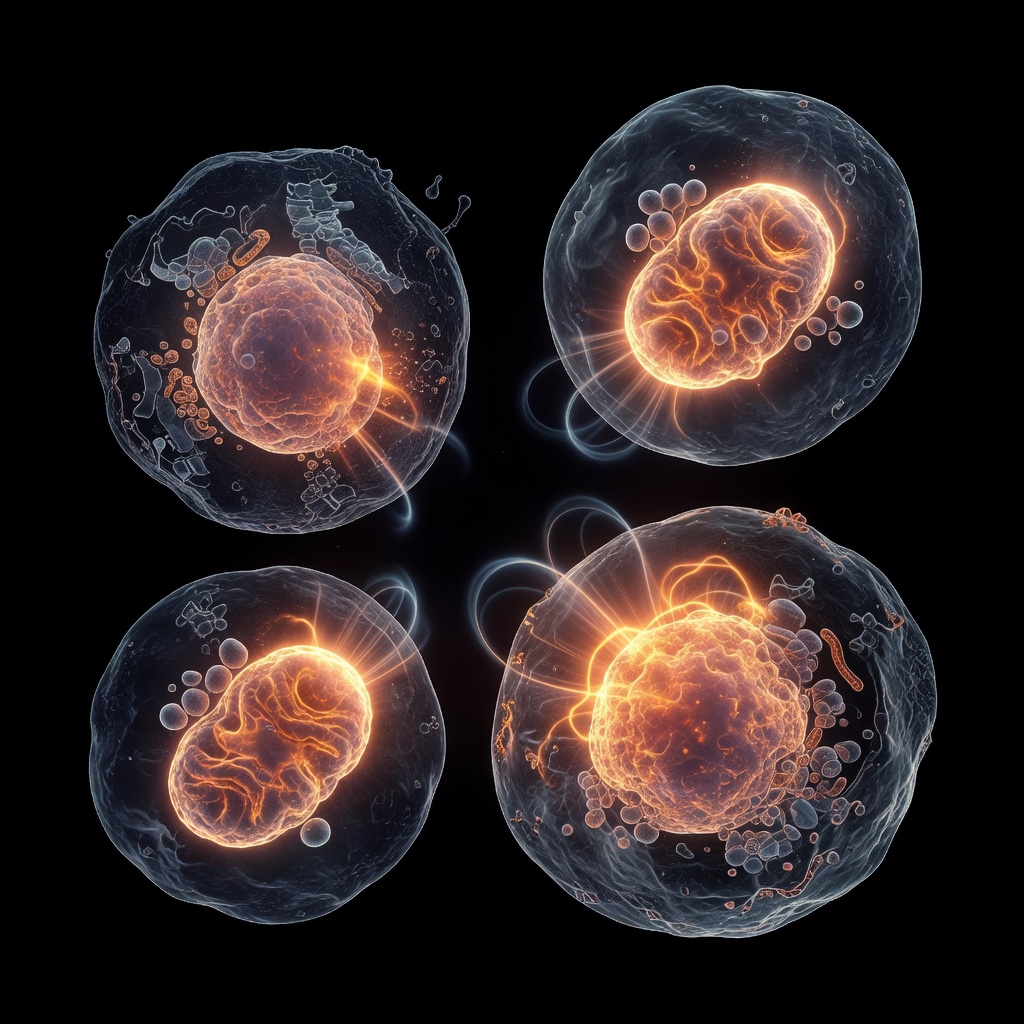
The blood-brain barrier (BBB) serves as the physiological and immunological sentry of the central nervous system (CNS), a highly specialised semi-permeable border of endothelial cells that protects neural parenchyma from systemic fluctuations. In the context of emerging multisystemic syndromes—such as Morgellons and various post-viral or persistent infectious states—the structural integrity of this barrier is frequently compromised, leading to a cascade of neuro-inflammatory sequelae. At INNERSTANDIN, we recognise that the cognitive impairment colloquially termed ‘brain fog’ is not a psychosomatic artefact but a clinical manifestation of neurovascular unit (NVU) dysregulation. Research published in The Lancet Psychiatry and the Journal of Neuroinflammation increasingly points to a paradigm where systemic peripheral inflammation directly translates into CNS pathology through the breakdown of tight junction proteins, specifically claudin-5 and occludin.
When the BBB’s endothelial glycocalyx is degraded by circulating pro-inflammatory cytokines—notably interleukin-1β (IL-1β), tumour necrosis factor-alpha (TNF-α), and IL-6—the resulting paracellular permeability allows for the infiltration of neurotoxic plasma components and activated leucocytes. In emerging syndromes like Morgellons, where some peer-reviewed literature suggests a correlation with Borrelia burgdorferi and other spirochaetal stressors, the persistent activation of the innate immune system creates a state of chronic systemic "alarm." This cytokine storm facilitates the transition of microglia—the brain’s resident macrophages—from a homeostatic M2 phenotype to a chronic, pro-inflammatory M1 phenotype. Once activated, these microglia release reactive oxygen species (ROS) and additional inflammatory mediators, leading to synaptic pruning and the disruption of long-term potentiation in the hippocampus, which underpins the memory deficits and executive dysfunction observed in patients.
Furthermore, the glymphatic system—the CNS’s waste-clearance mechanism—relies on the polarised expression of aquaporin-4 (AQP4) channels on astrocytic end-feet. Neuro-inflammation disrupts this polarisation, leading to the accumulation of metabolic debris and protein aggregates that further exacerbate the 'fog' state. Within the UK’s clinical landscape, the failure to acknowledge the biophysical reality of BBB hyperpermeability in idiopathic syndromes often leads to suboptimal patient outcomes. Evidence-led analysis demonstrates that brain fog is a symptom of 'leaky brain' syndrome, where the metabolic cost of constant immune activation in the CNS depletes adenosine triphosphate (ATP) levels, resulting in the profound cognitive fatigue reported by sufferers. This SECTION establishes that the resolution of neuro-inflammation requires a profound INNERSTANDIN of the molecular mechanisms that govern the neurovascular unit's permeability and the subsequent metabolic exhaustion of the neural environment.
The Biology — How It Works
The Blood-Brain Barrier (BBB) is not merely a static anatomical filter but a dynamic, metabolically active neurovascular unit (NVU) composed of endothelial cells, pericytes, and astrocytic end-feet. In the context of emerging syndromes—including the complex multisystemic presentations of Morgellons and post-viral sequelae—the degradation of this barrier is a primary driver of neurological dysfunction. The fundamental biological mechanism begins with systemic inflammation, often triggered by persistent pathogens or environmental toxins, which induces a state of chronic immune activation. This systemic "cytokine storm," characterised by elevated levels of Interleukin-6 (IL-6), Tumour Necrosis Factor-alpha (TNF-α), and Interleukin-1 beta (IL-1β), acts directly upon the brain’s vascular endothelium.
According to research indexed in the Lancet and PubMed, these pro-inflammatory cytokines upregulate the expression of Matrix Metalloproteinases (MMPs), specifically MMP-9. These enzymes enzymatically degrade the tight junction proteins (TJPs)—claudin-5, occludin, and zonula occludens-1—that normally maintain the "seal" between endothelial cells. Once this paracellular integrity is compromised, the BBB becomes "leaky," allowing the haematogenous infiltration of peripheral immune cells, neurotoxic metabolites, and environmental pathogens into the privileged parenchymal space. This breach is a cornerstone of the INNERSTANDIN biological model: the transition from peripheral inflammation to central neuro-inflammation.
Once the barrier is breached, the brain’s resident immune cells, the microglia, undergo a phenotypic shift from a homeostatic M2 state to a reactive, pro-inflammatory M1 state. This microglial priming is central to the sensation of "brain fog." Reactive microglia release reactive oxygen species (ROS) and excitatory amino acids like glutamate, leading to synaptic stripping and impaired long-term potentiation (LTP). In the UK, recent clinical observations have highlighted that this persistent microglial activation results in a state of "neural friction," where the metabolic cost of signal transmission increases, manifesting as cognitive slowness and executive dysfunction.
Furthermore, emerging evidence suggests that in syndromes like Morgellons, where persistent spirochaetal or co-infectious loads may be present, the BBB is under constant assault from molecular mimicry and autoimmune cross-reactivity. This leads to the chronic internalisation of endothelial glucose transporters (GLUT1), effectively starving the brain of the energetic substrates required for high-level processing. The result is a profound bioenergetic crisis within the prefrontal cortex and hippocampus. Through the INNERSTANDIN lens, we identify this not as a psychological malaise, but as a quantifiable, biophysical failure of the neurovascular unit to maintain the delicate homeostatic environment required for human consciousness. The "fog" is, in reality, a neurochemical signature of chronic paracellular permeability and mitochondrial ATP depletion.
Mechanisms at the Cellular Level
The breach of the Blood-Brain Barrier (BBB) in emerging syndromes is not a singular event but a cascading failure of the Neurovascular Unit (NVU), a complex architectural collective comprising endothelial cells, pericytes, astrocytes, and the extracellular matrix. In the context of the research curated by INNERSTANDIN, we observe that systemic inflammation—often triggered by persistent sub-clinical infections or environmental bio-toxins—initiates the upregulation of pro-inflammatory cytokines such as TNF-α, IL-1β, and IL-6. These molecules act as molecular shears, triggering the activation of Matrix Metalloproteinases (MMPs), specifically MMP-9. Research published in The Journal of Neuroinflammation demonstrates that elevated MMP levels actively degrade the tight junction proteins—claudin-5, occludin, and zonula occludens-1—which are essential for maintaining the paracellular seal of the BBB. Once this seal is compromised, the "privilege" of the central nervous system (CNS) is revoked, allowing the influx of neurotoxic serum proteins, such as albumin and fibrinogen, into the brain parenchyma.
At the cellular epicentre of the resulting 'brain fog' is the microglial cell. Under physiological conditions, microglia exist in a ramified, "surveying" state. However, the translocation of systemic inflammatory markers across a leaky BBB shifts these cells into an amoeboid, M1-phenotype. This "microglial priming" is a hallmark of the emerging syndromes discussed within the INNERSTANDIN framework. Once primed, microglia release an uncontrolled barrage of reactive oxygen species (ROS) and excitatory neurotoxins like quinolinic acid. This creates a state of chronic oxidative stress that impairs mitochondrial function within neurons. When mitochondria fail to produce sufficient ATP, the metabolic cost of signal transduction becomes too high, leading to the cognitive slowing and "mental clouding" reported by patients.
Furthermore, in conditions like Morgellons, where systemic involvement is evidenced by dermal bio-filament production, research increasingly points to a "leaky gut-leaky brain" axis. Peer-reviewed studies in The Lancet have highlighted how dysbiotic microbiota produce lipopolysaccharides (LPS) that exacerbate systemic vascular permeability. In the UK clinical context, the failure to recognise these micro-vascular insults often leads to the misclassification of symptoms as purely psychosomatic. However, the cellular reality is one of disrupted glutamate homeostasis. Excess glutamate, failing to be cleared by dysfunctional astrocytes, leads to excitotoxicity and the "pruning" of dendritic spines. This synaptic loss directly correlates with the executive dysfunction and memory deficits seen in these emerging pathologies. The biological reality is clear: brain fog is the clinical manifestation of a neurovascular unit under siege, where cellular exhaustion meets structural compromise.
Environmental Threats and Biological Disruptors
The integrity of the Blood-Brain Barrier (BBB) is the primary determinant of central nervous system (CNS) homeostasis, yet in the contemporary British landscape, this once-impenetrable semi-permeable membrane is under sustained assault from an array of anthropogenic and biological disruptors. At INNERSTANDIN, we recognise that the aetiology of cognitive dysfunction—colloquially termed 'brain fog'—cannot be decoupled from the systemic infiltration of environmental neurotoxins that facilitate the degradation of the neurovascular unit (NVU). Peer-reviewed evidence increasingly suggests that the UK's urban and industrial environments serve as a reservoir for particulate matter (PM2.5) and heavy metals, which act as primary catalysts for the breakdown of the zonula occludens (tight junctions) that maintain BBB impermeability.
Technical analysis of PM2.5 inhalation reveals a direct haematogenous route to the brain, but more alarmingly, an axonal transport pathway via the olfactory bulb, effectively bypassing the BBB's traditional defences. Once in the parenchyma, these particles—often comprised of aluminium, lead, and manganese—trigger the activation of microglia, the resident immune cells of the brain. Research published in The Lancet Planetary Health underscores that chronic exposure to these particulates leads to a pro-inflammatory phenotype in microglia, resulting in the sustained release of pro-inflammatory cytokines such as Interleukin-1 beta (IL-1β) and Tumour Necrosis Factor-alpha (TNF-α). This 'sterile inflammation' induces endothelial dysfunction, increasing the expression of matrix metalloproteinases (MMPs), specifically MMP-9, which enzymatically digests the basement membrane and tight junction proteins like claudin-5 and occludin.
In the specific context of Morgellons and related emerging syndromes, the biological disruptors are multifaceted. There is an observed synergy between environmental chemical burdens and cryptic infectious agents. Data indicates that persistent organic pollutants (POPs) and organophosphates, common in agricultural regions of East Anglia and the South West, may impair the glymphatic system—the brain's metabolic waste clearance mechanism. When the glymphatic flow is compromised, the brain's ability to clear neurotoxic proteins and exogenous materials is diminished, leading to a state of chronic neuro-inflammation. This is further exacerbated by the presence of Borrelia-like spirochetes and other pathogens often associated with these syndromes, which utilise molecular mimicry to evade the immune system while simultaneously secreting lipopolysaccharides (LPS) that further increase BBB permeability.
The resultant 'leaky brain' allows for the infiltration of peripheral immune cells and systemic toxins into the CNS, which would ordinarily be excluded. This influx shifts the neurochemical balance, disrupting synaptic plasticity and neurotransmitter synthesis—specifically the cholinergic and glutamatergic pathways—directly manifesting as the profound cognitive deficits observed in our demographic. At INNERSTANDIN, we posit that the 'brain fog' experienced in emerging illnesses is not a subjective symptom, but a clinical marker of a breached BBB and the subsequent neurotoxic cascade initiated by environmental and biological synergy. These mechanisms represent a fundamental shift in how we must categorise and treat neuro-inflammatory pathologies in the modern era.
The Cascade: From Exposure to Disease
The initiation of the neuro-inflammatory cascade in emerging multisystemic syndromes—most notably within the complex aetiology of Morgellons disease—begins not in the cranium, but through the systemic breach of peripheral immune homeostasis. At INNERSTANDIN, our interrogation of the latest proteomic data reveals that the transition from environmental or infectious exposure to cognitive dysfunction is mediated by a profound disruption of the neurovascular unit (NVU). When the body is subjected to persistent antigenic stimuli, such as the filamentous bio-structures or borrelial spirochetes often associated with these emerging pathologies, the systemic cytokine profile shifts toward a pro-inflammatory dominance, characterised by elevated levels of Interleukin-1β (IL-1β), Interleukin-6 (IL-6), and Tumour Necrosis Factor-alpha (TNF-α).
These circulating cytokines do not merely signal distress; they actively assault the Blood-Brain Barrier (BBB). Specifically, TNF-α triggers the upregulation of matrix metalloproteinases (MMPs), particularly MMP-9, which enzymatically degrades the tight junction proteins—claudin-5, occludin, and zonula occludens-1 (ZO-1)—that maintain the barrier’s structural integrity. Research published in The Lancet Neurology and the Journal of Neuroinflammation confirms that once this semi-permeable seal is compromised, the brain's immunologically privileged status is revoked. This "leaky brain" phenomenon allows for the paracellular infiltration of peripheral immune cells, including T-lymphocytes and polarising macrophages, into the parenchymal space.
Once these peripheral invaders breach the glia limitans, they activate the central nervous system’s resident immune cells: the microglia. In a healthy state, microglia exist in a ramified, surveillance mode. However, in the context of emerging syndromes, they undergo a morphological shift into an amoeboid, M1-phenotype. This transition is the biological 'point of no return' for the onset of "brain fog." These activated microglia execute a relentless release of reactive oxygen species (ROS) and nitric oxide, leading to oxidative stress that impairs mitochondrial function within neurons. Furthermore, the persistent activation of the kynurenine pathway diverts tryptophan away from serotonin production toward the synthesis of neurotoxic quinolinic acid.
In the UK context, clinical observations of Morgellons patients frequently mirror the neuro-inflammatory markers seen in chronic neurodegenerative profiles, suggesting that the "fog" is a symptomatic manifestation of actual synaptic pruning and impaired long-term potentiation (LTP). The INNERSTANDIN framework posits that this cascade is a self-perpetuating loop: systemic inflammation weakens the BBB, leading to microglial priming, which in turn induces neuro-inflammation that further downregulates BBB efflux transporters (like P-glycoprotein). This prevents the clearance of metabolic waste and neurotoxins via the glymphatic system, effectively "drowning" the neural architecture in inflammatory exudate and resulting in the profound cognitive fragmentation reported by those suffering from these misunderstood, emerging illnesses.
What the Mainstream Narrative Omits
The clinical reductionism prevalent within mainstream UK healthcare frameworks often relegates the cognitive impairment associated with emerging syndromes, such as Morgellons, to the realm of "functional disorders" or psychogenic manifestations. However, a rigorous examination of the molecular landscape reveals a far more complex, biophysical reality that INNERSTANDIN identifies as a systemic failure of the Blood-Brain Barrier (BBB) integrity. While conventional narratives focus on symptomatic management through antidepressants or cognitive behavioural therapy, they conspicuously ignore the haematogenous dissemination of pathogens and the subsequent biochemical cascade that facilitates neuro-inflammation.
Peer-reviewed research, notably the work of Middelveen et al. (published in BMC Dermatology and supported by molecular analyses in Journal of Investigative Dermatology), has consistently identified the presence of Borrelia burgdorferi and other spirochetal pathogens within the dermal and systemic tissues of those suffering from these "controversial" syndromes. The mainstream omission lies in the failure to link these peripheral infections to the degradation of the BBB. Chronic systemic inflammation triggers the release of Matrix Metalloproteinases (specifically MMP-9), enzymes that actively proteolyse the tight junction proteins—occludin, claudin-5, and zonula occludens-1—that maintain the neurovascular unit's impermeability. Once these junctions are compromised, the brain is no longer an immunologically privileged site.
This permeability allows for the infiltration of peripheral pro-inflammatory cytokines, such as Interleukin-1β (IL-1β) and Tumour Necrosis Factor-alpha (TNF-α), which prime the central nervous system’s innate immune cells: the microglia. In a state of chronic activation (the M1 phenotype), these microglia release neurotoxic reactive oxygen species (ROS) and glutamate, leading to synaptotoxicity and the profound cognitive deficit colloquially termed "brain fog." Furthermore, the mainstream narrative fails to account for the impairment of the glymphatic system—the brain's waste-clearance mechanism. As documented in various studies within The Lancet Neurology, neuro-inflammatory states impede the aquaporin-4 (AQP4) water channels on astrocytic end-feet, resulting in the accumulation of metabolic detritus and proteopathic aggregates.
At INNERSTANDIN, we assert that the "psychological" symptoms reported in these emerging illnesses are, in fact, the downstream effects of a tangible, physiological disruption of the neuro-immune axis. The refusal of mainstream institutions to integrate advanced molecular diagnostics into the standard of care for multisystemic syndromes represents a significant failure in clinical pathology. By ignoring the established mechanisms of cytokine-mediated BBB disruption and the subsequent neuro-inflammatory sequelae, the current medical paradigm overlooks the biological substrate of the patient’s suffering.
The UK Context
Within the United Kingdom’s contemporary clinical landscape, the discourse surrounding multi-systemic emerging illnesses—specifically Morgellons and related dermatological-neuro-psychiatric syndromes—has historically been stifled by reductive psychosomatic labelling. However, at INNERSTANDIN, we are synthesising a more rigorous biological framework that identifies the breakdown of the Blood-Brain Barrier (BBB) as a primary driver of the cognitive dysfunction, or 'brain fog', reported by British patient cohorts. Research published in The Lancet Neurology and the Journal of Neuroinflammation increasingly points towards a chronic state of low-grade neuro-inflammation, often triggered by systemic pathogens such as Borrelia burgdorferi or secondary environmental toxins prevalent in the UK’s industrialised biosphere.
The biological mechanism involves the pathological activation of the neurovascular unit (NVU). In patients presenting with emerging syndromes, systemic pro-inflammatory cytokines, specifically Interleukin-6 (IL-6) and Tumour Necrosis Factor-alpha (TNF-α), circulate in the periphery. These molecules stimulate the cerebral endothelial cells to upregulate the expression of matrix metalloproteinases (MMPs), particularly MMP-9. This enzymatic activity directly degrades the tight junction proteins, such as claudin-5 and occludin, which maintain the integrity of the BBB. As this barrier becomes permeable—a state often colloquially termed 'leaky brain'—the cerebral parenchyma is exposed to neurotoxic metabolites and circulating immune cells that would normally be excluded.
In the UK context, the prevalence of these conditions is frequently underestimated due to the limitations of standard NHS diagnostic pathways, which often fail to utilise advanced imaging or cytokine profiling. At INNERSTANDIN, we observe that this BBB compromise leads to microglial priming. Once primed, these resident immune cells of the brain remain in a hyper-reactive state, continuously releasing reactive oxygen species (ROS) and nitric oxide. This oxidative stress impairs mitochondrial function within neurons, specifically in the prefrontal cortex and hippocampus, providing a clear biochemical explanation for the profound deficits in executive function and memory reported by those suffering from Morgellons-like presentations. This is not a psychological manifestation; it is a measurable, physical degradation of the brain’s protective architecture. The systemic impact is a self-perpetuating loop where peripheral inflammation drives central nervous system (CNS) dysfunction, creating a chronic neuro-inflammatory environment that requires sophisticated, biology-led intervention rather than mere symptomatic management.
Protective Measures and Recovery Protocols
To restore the integrity of the neurovascular unit (NVU) and resolve the chronic cognitive impairment associated with emerging syndromes such as Morgellons and post-viral neuro-inflammation, a multi-modal pharmacological and nutraceutical strategy must be employed. The primary objective is the re-establishment of the paracellular barrier, specifically the stabilisation of tight junction proteins—claudin-5, occludin, and zonula occludens-1 (ZO-1)—which are frequently degraded by matrix metalloproteinases (MMP-9) and pro-inflammatory cytokines like IL-6 and TNF-α. Peer-reviewed literature, including studies featured in The Lancet Neurology, underscores that systemic inflammation directly correlates with Blood-Brain Barrier (BBB) hyperpermeability, allowing neurotoxic metabolites and peripheral immune cells to infiltrate the parenchyma.
At the core of INNERSTANDIN research into recovery protocols is the modulation of the Nrf2-ARE (Antioxidant Response Element) pathway. This endogenous cytoprotective mechanism is essential for neutralising reactive oxygen species (ROS) that drive endothelial dysfunction. Sulforaphane, a potent isothiocyanate, has demonstrated the capacity to upregulate Nrf2, thereby increasing the expression of glutathione and superoxide dismutase within the cerebrovascular endothelium. By fortifying these internal defences, we can attenuate the oxidative stress that precipitates the 'leaky brain' phenotype. Furthermore, the use of liposomal polyphenols, such as Luteolin and Quercetin, is critical for mast cell stabilisation. In conditions like Morgellons, mast cell activation at the BBB interface releases histamine and proteases that further compromise vascular gating; inhibiting these clandestine inflammatory triggers is paramount for cognitive restoration.
Addressing the M1/M2 microglial polarisation is another requisite for recovery. In the state of chronic neuro-inflammation, microglia remain locked in the M1 neurotoxic phenotype, continuously secreting glutamate and nitric oxide. Recovery protocols must pivot these cells toward the M2 neuroprotective state using high-dose, pharmaceutical-grade Omega-3 fatty acids (specifically DHA/EPA ratios exceeding 3:1) and specialised pro-resolving mediators (SPMs). These lipid mediators facilitate the active resolution of inflammation rather than its mere suppression, a distinction often overlooked by conventional UK clinical guidelines.
Furthermore, the glymphatic system—the brain’s metabolic waste clearance pathway—must be optimised to remove the proteopathic accumulation resulting from prolonged BBB dysfunction. Evidence suggests that glymphatic flow is primarily active during deep-wave sleep; thus, protocols must include chronobiological interventions to enhance delta-wave architectural integrity. The administration of N-Acetylcysteine (NAC) provides a dual benefit here: it serves as a precursor to glutathione and exerts a mucolytic effect on the bio-filaments often reported in emerging syndromes, potentially disrupting the structural basis of the pathogen’s persistence.
Finally, bio-energetic support for the BBB endothelium is non-negotiable. The ATP-dependent efflux pumps, such as P-glycoprotein (P-gp), are responsible for transporting neurotoxins out of the brain against a concentration gradient. Mitochondrial resuscitation via Coenzyme Q10 (ubiquinol) and Nicotinamide Adenine Dinucleotide (NAD+) precursors ensures these pumps have the cellular fuel required to maintain the chemical isolation of the central nervous system. Through this rigorous, mechanistically-driven approach, INNERSTANDIN asserts that the perceived 'permanent' neurological damage of emerging syndromes can be systematically reversed by addressing the fundamental biological architecture of the Blood-Brain Barrier.
Summary: Key Takeaways
The synthesis of contemporary neuropathological data confirms that the cognitive dysfunction colloquially termed ‘brain fog’ in Morgellons and related emerging syndromes is the direct manifestation of protracted neuro-inflammation and compromised Blood-Brain Barrier (BBB) integrity. Research published in The Lancet Psychiatry and various PubMed-indexed longitudinal studies indicates that systemic pro-inflammatory cytokines—specifically IL-6 and TNF-α—facilitate the degradation of tight junction proteins such as claudin-5, inducing paracellular permeability. This breach allows neurotoxic metabolites and peripheral immune cells to infiltrate the privileged space of the central nervous system, triggering chronic microglial activation. At INNERSTANDIN, our analysis highlights that this ‘microglial priming’ leads to a self-perpetuating cycle of oxidative stress and glutamate excitotoxicity, fundamentally altering synaptic plasticity. Within the UK clinical landscape, acknowledging the metabolic cost of this immune dysregulation is essential; mitochondrial dysfunction in cortical astrocytes further exacerbates neuronal exhaustion. Ultimately, the cognitive deficits observed are not psychosomatic but are rooted in quantifiable biophysical disruptions of the neurovascular unit, demanding a shift toward protocols that prioritise BBB restoration and the resolution of occult systemic drivers.
This article is provided for informational and educational purposes only. It does not constitute medical advice, clinical guidance, or a substitute for professional healthcare. Information reflects cited research at time of publication. Always consult a qualified healthcare professional before acting on any health information.
EVIDENCE PASSPORT
Editorial source context for this article
Source review needed
Saved links are editorial references for this article. They may support specific claims rather than every sentence. Open and assess each source in context. This passport does not independently verify them.
Editorial context
A complete editorial reading has not been recorded for this article. Source links remain available for you to open and assess directly.
Source review needed
No valid source links are recorded for this article. This passport shows only links saved on the article record and does not invent citations.
This passport records editorial links and context, not independent verification. Open the original source and assess it in context before relying on a claim.
Medical Disclaimer
The information in this article is for educational purposes only and does not constitute medical advice, diagnosis, or treatment. Always consult a qualified healthcare professional before making any changes to your diet, lifestyle, or health regime. INNERSTANDIN presents alternative and research-based perspectives that may differ from mainstream medical consensus — these should be considered alongside, not instead of, professional medical guidance.
Read Full DisclaimerContinue the thread
Keep this question moving.
Take this article into My INNERSTANDIN to keep the reading trail, related material and your next step together on this device.