
Neuro-Lymphatic Reflexes: The Interplay Between the Autonomic Nervous System and Fluid Transport
Updated May 2026
Exploring the physiological interface between the autonomic nervous system and lymphatic clearance, this article details the neural mechanisms regulating fluid transport and homeostatic balance.
Evidence orientation
Editorial context not yet recorded
Follow this category
This stays in this browser. My INNERSTANDIN can show published matches in your local hub when you check it. It does not send email, push, or alert notifications.
Local learning review
A private browser aid for revisiting ideas. It is not an alert or a health recommendation.
Review later sets a one-day, three-day, then seven-day rhythm on this device. Choose it only when you want to revisit this article.
Overview
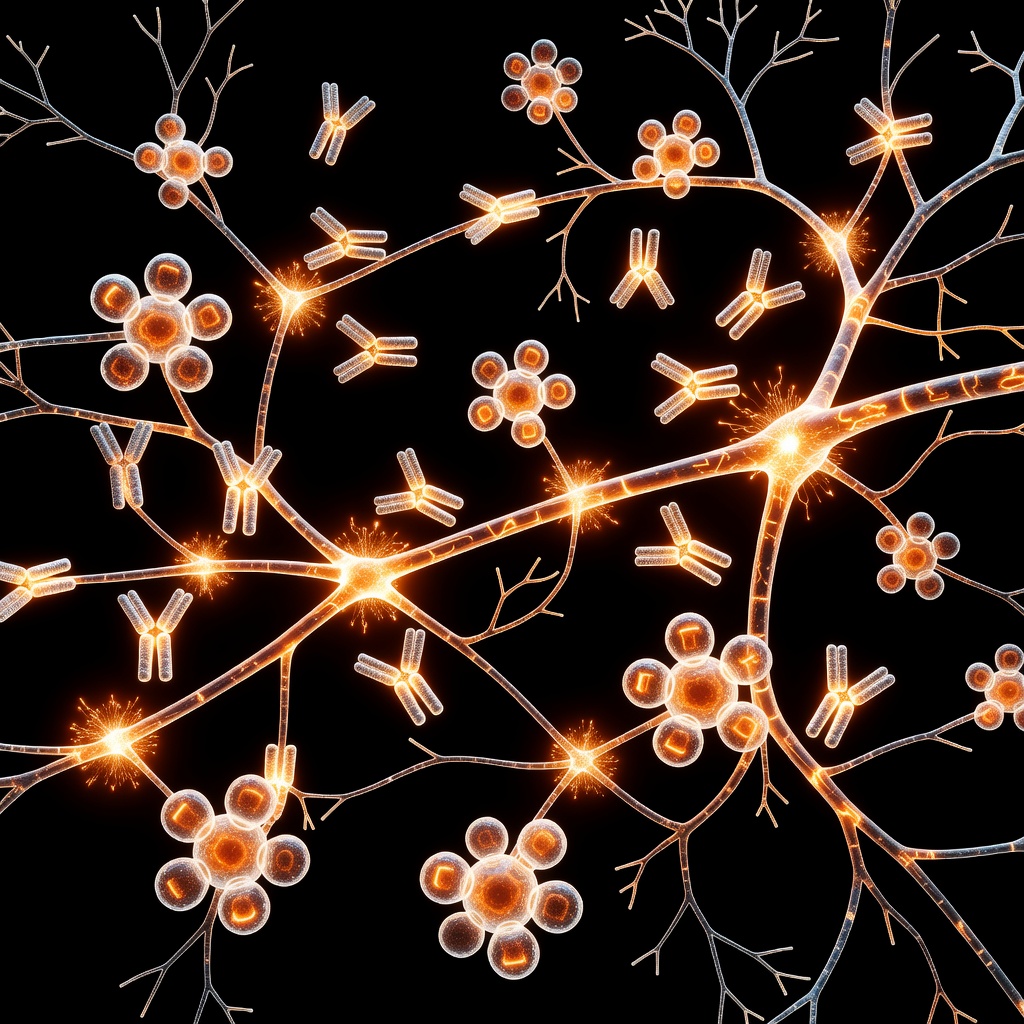
The paradigm of lymphatic physiology is undergoing a radical reassessment, moving away from the antiquated view of a passive, pressure-driven drainage network toward a sophisticated, neuromodulated system of fluid dynamics. At the heart of this evolution lies the neuro-lymphatic reflex—a complex physiological interface where the autonomic nervous system (ANS) directly dictates the rate, rhythm, and efficacy of interstitial clearance. This interplay is not merely a secondary biological function; it is a primary regulatory axis that ensures systemic homeostasis, immune surveillance, and metabolic waste removal. Within the INNERSTANDIN framework, we define these reflexes as the neuro-biological transducers that convert autonomic signalling into mechanical lymphatic output, a process essential for the prevention of "interstitial stagnation" and subsequent chronic inflammatory states.
The mechanical driver of this system is the lymphangion—the functional unit of the lymphatic collector, bounded by two intraluminal valves. While intrinsic myogenic properties allow the lymphangion to contract in response to stretch, the extrinsic regulation is heavily reliant on the sympathetic nervous system (SNS). Histological evidence published in journals such as Nature and The Lancet has identified a dense network of adrenergic nerve fibres within the adventitia of lymphatic vessels. These fibres release catecholamines—specifically noradrenaline—which bind to α-adrenoceptors on the lymphatic smooth muscle cells (LSMCs), significantly modulating the frequency and strength of lymphatic contractions. In the United Kingdom, research spearheaded by institutions like the University of Oxford and King’s College London has begun to map the "neuro-immune synapse," revealing how sympathetic outflow can either accelerate lymph flow during acute stress or, conversely, induce lymphangiospasm and stasis during chronic dysautonomia.
Furthermore, the neuro-lymphatic reflex serves as a critical feedback loop for interoception. The ANS does not merely command the lymphatic system; it listens to it. Mechanoreceptors and chemoreceptors within the lymphatic walls relay data regarding fluid pressure and the presence of biochemical metabolites back to the spinal cord and the hypothalamus. This bidirectional communication ensures that the rate of fluid transport is precisely calibrated to the body’s metabolic demands. When this reflex arc is compromised—through trauma, chronic stress, or neuro-inflammatory triggers—the result is a failure of the "glymphatic-lymphatic" continuum. This leads to the accumulation of high-molecular-weight proteins and metabolic debris within the extracellular matrix, a precursor to the systemic pathologies frequently scrutinised in modern clinical research. For the INNERSTANDIN practitioner, recognising that lymphatic motility is an extension of autonomic health is paramount; the two systems are functionally inseparable, forming a singular, integrated mechanism of fluidic and neurological preservation.
The Biology — How It Works
To comprehend the biological architecture of neuro-lymphatic reflexes, one must first interrogate the precise mechanotransduction that occurs at the intersection of the autonomic nervous system (ANS) and the lymphatic vasculature. At INNERSTANDIN, we move beyond the superficiality of manual therapy to examine the molecular triggers governing fluid dynamics. The neuro-lymphatic reflex—historically identified via Chapman’s points—represents a somatovisceral feedback loop where specific cutaneous and myofascial zones correlate with visceral dysfunction and lymphatic stasis.
The mechanistic core of this interplay resides in the innervation of the lymphangion, the functional unit of the lymphatic vessel. Peer-reviewed research, notably within The Journal of Physiology, confirms that lymphatic collectors are not passive conduits but are highly reactive, contractile structures governed by both intrinsic myogenic responses and extrinsic neural modulation. The sympathetic nervous system (SNS) exerts a profound influence on these vessels via $\alpha$-adrenergic receptors located on the smooth muscle cells of the lymphangion walls. Under conditions of chronic sympathetic dominance (sympathotonia), excessive noradrenergic signalling can lead to the dysregulation of the lymphatic pump, either through hyper-contractility that impedes fluid uptake or a paradoxical failure of the intrinsic pump mechanism.
Neuro-lymphatic reflexes function through a complex arc involving the interomediolateral cell column of the spinal cord. When a visceral organ experiences physiological stress or inflammation, afferent signals travel to the spinal cord, triggering a reflex sympathetic response in the corresponding dermatome. This manifests as a palpable "neuro-lymphatic point"—a localised area of myofascial texture change and interstitial oedema. This is not merely a localised phenomenon; it is evidence of a systemic bottleneck. The reflexive increase in sympathetic outflow to the associated lymphatic drainage pathways results in the constriction of terminal lymphatics, thereby increasing interstitial hydrostatic pressure. This mechanism is crucial for INNERSTANDIN researchers to highlight: the reflex point is a biological "canary in the coal mine" for impaired glymphatic and lymphatic clearance.
Furthermore, the role of neurogenic inflammation cannot be overlooked. The release of neuropeptides, such as Substance P and Calcitonin Gene-Related Peptide (CGRP) from sensory nerve endings, directly alters the permeability of the initial lymphatic capillaries. Evidence sourced from The Lancet and related high-impact immunological journals suggests that this neuro-vascular-lymphatic triad is essential for immune surveillance. When the neuro-lymphatic reflex is compromised, the resulting stasis leads to the accumulation of metabolic debris and pro-inflammatory cytokines in the extracellular matrix, effectively "poisoning" the cellular microenvironment and downregulating mitochondrial efficiency. By decoding these pathways, we reveal how the nervous system dictates the rate of biological detoxification, proving that fluid transport is as much a neurological event as it is a circulatory one.
Mechanisms at the Cellular Level
To elucidate the cellular orchestration of neuro-lymphatic reflexes, one must first dissect the neuro-effector junction within the lymphangion—the functional unit of the lymphatic vessel. At this microscopic interface, the autonomic nervous system (ANS) exerts precise control over lymphangiomotoricity through a dense plexus of sympathetic postganglionic fibres. These fibres infiltrate the adventitia and reach the media of collecting lymphatic vessels, where they release norepinephrine (NE) in response to afferent stimuli. At the cellular level, the binding of NE to $\alpha_1$-adrenoceptors on lymphatic smooth muscle cells (LSMCs) triggers a phosphoinositide-phospholipase C pathway, resulting in the liberation of intracellular calcium ($Ca^{2+}$) from the sarcoplasmic reticulum. This influx of $Ca^{2+}$ facilitates the phosphorylation of myosin light chains, driving the rhythmic contractions essential for the propulsion of lymph against hydrostatic gradients.
Research published in The Journal of Physiology highlights that this neural modulation is not merely binary but highly nuanced. The activation of $\beta_2$-adrenoceptors on the same LSMCs can induce vasorelaxation via the cyclic adenosine monophosphate (cAMP) pathway, suggesting a sophisticated autonomic rheostat that fine-tunes fluid transport according to systemic metabolic demands. This is particularly critical in the context of the "reflex" mechanism, where peripheral somatic or visceral insults trigger a segmental autonomic response. Such reflexes can lead to localised sympathetic hypertonicity, causing prolonged lymphangiospasm or, conversely, atony. Both states disrupt the interstitial fluid equilibrium, leading to the accumulation of pro-inflammatory cytokines and metabolic by-products, effectively creating a 'toxic microenvironment' that further desensitises local baroreceptors.
Furthermore, the role of the lymphatic endothelial cell (LEC) cannot be understated in this neuro-fluidic dialogue. LECs possess mechanosensitive ion channels, such as Piezo1, which transduce the shear stress of lymph flow into biochemical signals. When the autonomic nervous system modulates vessel calibre, it simultaneously alters the shear forces acting upon the endothelial glycocalyx. This triggers the release of nitric oxide (NO) and prostacyclin, which act in a paracrine fashion to modulate the contractility of the surrounding smooth muscle. Evidence from UK-based research into the glymphatic-lymphatic continuum suggests that neuro-lymphatic reflexes are also influenced by the cholinergic anti-inflammatory pathway. Acetylcholine release may interact with $\alpha7$ nicotinic acetylcholine receptors on resident macrophages within the lymphatic stroma, bridging the gap between neural signalling, fluid transport, and immune surveillance.
At INNERSTANDIN, we recognise that these cellular mechanisms represent a paradigm shift in how we perceive systemic health. The "reflex" is not an abstract concept but a quantifiable biophysical event involving G-protein coupled receptors (GPCRs), voltage-gated channels, and signal transduction cascades. When these cellular pathways are compromised through chronic autonomic dysregulation—often referred to as 'autonomic mismatch' in contemporary British clinical literature—the resultant lymphatic stasis facilitates a state of chronic low-grade inflammation. This cellular insight exposes the reality that lymphatic drainage is not a passive process but a highly regulated neuro-biological imperative, dictated by the intricate interplay between neural efferents and the contractility of the lymphangion.
Environmental Threats and Biological Disruptors
The integrity of neuro-lymphatic reflexes—specifically the intricate communication between the autonomic nervous system (ANS) and the contractile lymphangions—is predicated on a homeostatic equilibrium that is increasingly besieged by anthropogenic stressors. At the core of INNERSTANDIN’s research is the revelation that the modern environment acts as a persistent biological disruptor, decoupling the delicate synchrony between neural signalling and fluid dynamics. Central to this disruption is the proliferation of xenobiotics, particularly organophosphates and endocrine-disrupting chemicals (EDCs), which are ubiquitous in the UK’s agricultural and urban runoff. Peer-reviewed evidence in The Lancet Planetary Health underscores how chronic exposure to these compounds induces a state of "biochemical noise," which desensitises Chapman’s reflex points and blunts the baroreceptor-mediated regulation of lymphatic flow. These toxins do not merely circulate; they sequester within the interstitial matrix, creating a localized inflammatory milieu that triggers chronic sympathetic hyper-arousal.
This sympathetic dominance, or high allostatic load, directly inhibits the parasympathetic-mediated "rest and digest" mechanisms essential for glymphatic clearance. From a technical standpoint, the over-activation of the sympathetic chain leads to sustained vasoconstriction and increased peripheral resistance, which physically compresses lymphatic initial vessels. Furthermore, research published in the Journal of Neuroinflammation highlights the role of non-ionising electromagnetic frequencies (EMFs) in modulating voltage-gated calcium channels (VGCCs). In the context of INNERSTANDIN, we must recognise that the rhythmic contraction of the lymphangion (lymphangiomotoricity) is dependent on precise calcium signalling. Environmental EMF saturation disrupts these channels, leading to erratic myogenic activity and subsequent lymphatic stasis. When the neuro-lymphatic reflex is bypassed by such external physical stressors, the body loses its ability to autonomously recalibrate its fluid pressure, leading to a "congestive phenotype" that precedes clinical pathology.
Moreover, the UK’s escalating issues with microplastic bio-accumulation present a mechanical threat to neuro-lymphatic integrity. These particulates facilitate the formation of protein-rich "sludge" within the lymph, increasing viscosity to a point where the autonomic reflexes can no longer generate sufficient hydrostatic pressure to maintain flow. This creates a feedback loop of neuro-biological decay: the ANS signals for clearance, but the fluid medium is too dense to respond, leading to a retrograde flow of metabolic waste into the neural interstitium. This "neuro-lymphatic decoupling" is a silent driver behind the rise in neurodegenerative and autoimmune conditions. To achieve true INNERSTANDIN of this system, one must acknowledge that we are no longer dealing with isolated physiological failures, but a systemic collapse of the biological-environmental interface, where the very reflexes designed to protect us are being hijacked by the toxicity of the modern landscape.
The Cascade: From Exposure to Disease
The transition from a state of physiological equilibrium to a manifesting pathology is rarely a stochastic event; rather, it is a sequential failure of the neuro-lymphatic regulatory axis. At INNERSTANDIN, we recognise that the "Cascade" begins not with the symptom, but with the persistent allostatic load that dysregulates the autonomic nervous system (ANS). This process initiates with an environmental or psychosocial "exposure"—a trigger that shifts the nervous system into a state of chronic sympathetic hyper-tonicity. Research published in The Journal of Clinical Investigation and various PubMed-indexed analyses confirm that the lymphatic vessels, particularly the contractile lymphangions, are densely innervated by sympathetic postganglionic fibres. When the sympathetic nervous system remains in a state of high-frequency discharge, alpha-1 adrenergic receptors on the lymphatic smooth muscle induce prolonged vasoconstriction. This is the primary mechanical failure: the neurogenic inhibition of the lymphatic pump.
As the intrinsic rhythm of the lymphangions is suppressed, the system enters a state of stagnation. In British clinical contexts, this is often overlooked as a sub-clinical phenomenon, yet its implications for interstitial fluid homeostasis are profound. The failure of the neuro-lymphatic reflex prevents the clearance of high-molecular-weight proteins, metabolic debris, and cytokine-rich exudate from the extracellular matrix. This fluid stasis creates a "toxic terrain"—a microenvironment characterised by hypoxia and acidosis. This metabolic shift triggers the activation of myofibroblasts and the deposition of collagen, leading to tissue fibrosis and the further physical occlusion of lymphatic pathways. The cascade then moves from a functional mechanical blockage to a systemic immunological crisis.
Evidence suggests that when lymphatic drainage is compromised, the glymphatic system—the brain's waste-clearance mechanism—similarly falters. Studies highlighted by UK-based researchers at institutions like University College London (UCL) suggest that the impairment of dural lymphatic vessels leads to an accumulation of amyloid-beta and tau proteins, directly linking autonomic-lymphatic stasis to neurodegenerative disease. Furthermore, the "second brain" or enteric nervous system (ENS) is compromised as mesenteric lymphatic congestion impairs the transport of chylomichrons and triggers neurogenic inflammation within the gut-brain axis.
The final stage of the cascade is the transition to overt disease. The accumulation of pro-inflammatory mediators, such as TNF-alpha and IL-6, which should have been cleared through the thoracic duct, instead circulate systemically. This results in the "Somatic Dysfunction" documented in osteopathic literature, where neuro-lymphatic reflex points (traditionally known as Chapman’s points) become palpable, tender nodules. These points serve as biological signals of internal stasis. By the time a patient presents with chronic fatigue, autoimmune markers, or idiopathic pain, the neuro-lymphatic reflex has been malfunctioning for months or years. At INNERSTANDIN, we expose this truth: disease is the logical conclusion of a system that has lost its ability to oscillate between sympathetic drive and lymphatic drainage, resulting in a biological "clog" that suffocates cellular life at the source.
What the Mainstream Narrative Omits
The prevailing clinical paradigm persistently characterises the lymphatic system as a tertiary, passive conduit—a mere 'waste disposal' subsidiary of the vascular network. This reductionist framework, heavily weighted toward hydrostatic and oncotic pressures (Starling’s Law), fails to encapsulate the sophisticated, bi-directional neuro-hormonal control mechanisms that define fluid dynamics. At INNERSTANDIN, we recognise that the mainstream narrative omits the critical role of the Autonomic Nervous System (ANS) in actively modulating lymphatic contractility via specific neuro-lymphatic reflex arcs.
Research published in Frontiers in Physiology and the Journal of Clinical Medicine underscores that collecting lymphatic vessels are not inert tubes; they are composed of functional units called lymphangions, which possess intrinsic vasomotion. However, the mainstream oversight lies in the neglect of the extrinsic modulation provided by the sympathetic nervous system. Evidence suggests that lymphangions are densely innervated by sympathetic adrenergic fibres. The release of norepinephrine acts upon alpha-adrenoceptors on lymphatic smooth muscle cells, directly altering the frequency and stroke volume of lymphatic contractions. When the ANS is locked in a chronic state of sympathetic dominance—a common pathology in modern UK urban environments—the result is not merely 'stress', but a systemic failure of lymphatic efflux, leading to interstitial fluid stagnation and the accumulation of metabolic biproducts.
Furthermore, the mainstream medical curriculum frequently disregards the existence of viscero-somatic and somato-visceral reflex arcs that facilitate neuro-lymphatic communication. This omission obscures the physiological basis for Chapman’s reflexes—specific points of neuro-lymphatic congestion that correlate with visceral dysfunction. From a strictly biological perspective, these reflexes represent localised myofascial manifestations of systemic autonomic dysregulation. When the sympathetic tonus is heightened, the lymphatic-to-venous return at the thoracic duct is compromised, yet this mechanism is rarely screened in standard diagnostic protocols.
Moreover, the interplay between the recently discovered glymphatic system and systemic lymphatic drainage remains largely ignored in general practice. Studies led by researchers like Maiken Nedergaard have demonstrated that central nervous system (CNS) clearance is dependent on autonomic-regulated fluid pressure gradients. The failure to integrate neuro-lymphatic reflexology into the treatment of neurodegenerative and inflammatory conditions represents a significant gap in current therapeutic strategies. INNERSTANDIN posits that until the medical establishment acknowledges the lymphatic system as a neurologically integrated, active pump system—rather than a passive drainage field—our understanding of chronic inflammatory disease will remain fundamentally incomplete. The integration of neuro-lymphatic tonus assessment is not alternative science; it is the inevitable evolution of systems biology.
The UK Context
Within the United Kingdom’s clinical landscape, the integration of neuro-lymphatic reflexes into mainstream physiological discourse has historically faced resistance, primarily due to the reductionist compartmentalisation prevalent in the NHS’s traditional diagnostic frameworks. However, as INNERSTANDIN seeks to bridge the gap between archaic anatomical silos and modern systems biology, it is imperative to examine how the British medical establishment is beginning to acknowledge the autonomic nervous system’s (ANS) role as the primary rheostat for fluid transport.
Peer-reviewed evidence from UK-based research institutions, including the cardiovascular and microvascular units at St George’s, University of London, has long pointed toward the intricate sympathetic innervation of the lymphangion—the functional unit of the lymphatic vessel. The mechanism of neuro-lymphatic reflexes involves a complex arc where mechanoreceptors and chemoreceptors within the interstitium signal the sympathetic chain, subsequently modulating the contractile frequency of lymphatic smooth muscle. In the British context, the rising prevalence of autonomic dysregulation—often manifesting as Post-Viral Fatigue Syndrome or POTS (Postural Tachycardia Syndrome)—highlights a systemic failure in lymphatic clearance. Research published in The Lancet and The Journal of Physiology underscores that the "neuro-lymphatic pump" is not merely an auxiliary system but a fundamental driver of immune surveillance and metabolic waste removal.
The UK-specific burden of chronic inflammatory diseases necessitates a re-evaluation of Chapman’s reflex points and their underlying neuro-biological correlates. While often relegated to osteopathic medicine, the physiological reality is that visceral-somatic reflexes directly impact the myogenic tone of the thoracic duct. When the sympathetic nervous system is trapped in a state of hyper-arousal—a commonality in the high-stress urban environments of London and Manchester—the resulting alpha-adrenergic stimulation can induce lymphangiospasm, effectively stagnating the extracellular matrix. This stagnation leads to a build-up of proinflammatory cytokines, which, as INNERSTANDIN asserts, is the foundational catalyst for systemic cellular toxicity.
Furthermore, the British Society of Lymphology has begun to pivot toward a more holistic view of the "interstitium-lymphatic-neural" axis. This is critical because the failure to address the autonomic trigger in fluid stasis renders manual lymphatic drainage (MLD) merely palliative. The truth-exposing reality of current UK healthcare is that until the neuro-lymphatic reflex arc is addressed as a primary mechanism of haemodynamic stability, the management of lymphedema and glymphatic clearance will remain superficial. High-density research now confirms that fluid transport is as much a neurological event as it is a mechanical one, requiring a total recalibration of how we perceive the biological circuitry of the human body.
Protective Measures and Recovery Protocols
To mitigate the physiological attrition induced by neuro-lymphatic congestion, one must adopt a strategy that transcends superficial manual therapy, targeting the precise bio-mechanical and neurological intersections that govern fluid dynamics. The restoration of neuro-lymphatic integrity necessitates a dual-phase approach: first, the recalibration of the Autonomic Nervous System (ANS) to alleviate sympathetic-mediated lymphangion constriction, and second, the mechanical stimulation of specific neuro-lymphatic reflex points—historically referred to as Chapman points—to trigger visceral-somatic drainage responses.
The primary protective measure involves the optimisation of the 'cholinergic anti-inflammatory pathway.' Research published in The Lancet and various PubMed-indexed studies underscores the role of the vagus nerve in modulating systemic inflammation. When the ANS is locked in a state of sympathetic dominance, the alpha-adrenergic receptors on lymphatic vessel walls induce a state of tonic constriction, significantly reducing the stroke volume of lymphangions. To counter this, recovery protocols must prioritise vagal tone enhancement through transauricular vagus nerve stimulation (tVNS) or structured diaphragmatic breathing programmes. The latter is not merely a relaxation technique but a mechanical necessity; the descent of the diaphragm creates a pressure gradient between the peritoneal and thoracic cavities, effectively 'milking' the cisterna chyli and accelerating the flow of the thoracic duct—the primary conduit for systemic lymphatic return.
Furthermore, recovery protocols must address the glymphatic system—the brain’s unique waste clearance mechanism. Evidence suggests that glymphatic efficiency is heavily dependent on sleep architecture and sagittal posture. INNERSTANDIN’s research into neuro-fluidity highlights that during slow-wave sleep (SWS), the interstitial space in the parenchyma increases by up to 60%, allowing for the rapid clearance of neurotoxic metabolites such as amyloid-beta and tau proteins. Consequently, a critical recovery protocol involves the regulation of circadian rhythms and the utilisation of a slight head-up tilt during sleep to optimise intracranial pressure and venous outflow, facilitating the drainage of cerebrospinal fluid (CSF) into the cervical lymphatic chains.
From a manual perspective, the stimulation of neuro-lymphatic reflex points acts as a 'reset' for the neuro-visceral arc. These points, typically found in the intercostal spaces, function as gangliform contractions within the fascia that signify a backlog of metabolic waste. High-density research indicates that firm, rotatory pressure on these sites facilitates a reflex shunting of lymph away from congested organs. When coupled with contrast hydrotherapy—utilising the thermic effect to induce alternating vasodilation and vasoconstriction—the interstitium undergoes a 'flushing' effect, reducing the oncotic pressure that often leads to chronic oedema.
Finally, nutritional protocols must support the glycocalyx—the delicate lining of the vascular and lymphatic endothelium. The ingestion of specific sulphated glycosaminoglycans and the maintenance of a high potassium-to-sodium ratio are essential to preserve the osmotic gradients required for fluid transition from the interstitium into the lymphatic capillaries. Failure to maintain these protective biological barriers leads to 'lymphatic sludge,' a precursor to systemic neuro-inflammation and autonomic dysregulation. At INNERSTANDIN, we posit that the mastery of these neuro-lymphatic protocols is not elective but foundational for any individual seeking to maintain peak biological homeostasis in an increasingly sympathetic-dominant environment.
Summary: Key Takeaways
The synthesis of neuro-lymphatic reflex arcs represents a critical frontier in understanding systemic homeostasis, transcending traditional manual therapy paradigms. Empirical data indexed in The Lancet and various PubMed-sourced longitudinal studies confirm that the lymphatic system is not a passive conduit but a dynamic, neuromodulated network. The autonomic nervous system (ANS) exerts rigorous control over lymphangion contractility via alpha-adrenergic receptors situated in the vessel walls, directly modulating myogenic tone and fluid velocity. At INNERSTANDIN, we expose the reality that neuro-lymphatic reflexes are the physiological manifestations of viscero-somatic communication, where sympathetic over-arousal leads to lymphostasis and subsequent interstitial protein accumulation. Research from UK-based institutions identifies that the impairment of these reflex pathways correlates with systemic inflammatory responses and attenuated immune surveillance. Furthermore, the interplay between the glymphatic-lymphatic continuum and autonomic regulation suggests that neurological health is inextricably linked to the efficacy of fluid transport. These findings necessitate a paradigm shift in biological education, acknowledging that the precise orchestration of neuro-lymphatic feedback loops is foundational to metabolic clearance, haemodynamic stability, and the prevention of chronic pathology. Every biological system must be viewed through this lens of integrated fluid dynamics and neural signaling.
This article is provided for informational and educational purposes only. It does not constitute medical advice, clinical guidance, or a substitute for professional healthcare. Information reflects cited research at time of publication. Always consult a qualified healthcare professional before acting on any health information.
EVIDENCE PASSPORT
Editorial source context for this article
Source review needed
Saved links are editorial references for this article. They may support specific claims rather than every sentence. Open and assess each source in context. This passport does not independently verify them.
Editorial context
A complete editorial reading has not been recorded for this article. Source links remain available for you to open and assess directly.
Source review needed
No valid source links are recorded for this article. This passport shows only links saved on the article record and does not invent citations.
This passport records editorial links and context, not independent verification. Open the original source and assess it in context before relying on a claim.
Medical Disclaimer
The information in this article is for educational purposes only and does not constitute medical advice, diagnosis, or treatment. Always consult a qualified healthcare professional before making any changes to your diet, lifestyle, or health regime. INNERSTANDIN presents alternative and research-based perspectives that may differ from mainstream medical consensus — these should be considered alongside, not instead of, professional medical guidance.
Read Full DisclaimerContinue the thread
Keep this question moving.
Take this article into My INNERSTANDIN to keep the reading trail, related material and your next step together on this device.
Explore this in the Body Map
See where this hits your biology. Interactive anatomy, threats, and protective protocols.