
Neuro-Oestrogenics: How Oestrogen Excess Modulates Neurotransmitter Signalling and Brain Health
Updated May 2026
Evidence orientation
Editorial context not yet recorded
Follow this category
This stays in this browser. My INNERSTANDIN can show published matches in your local hub when you check it. It does not send email, push, or alert notifications.
Local learning review
A private browser aid for revisiting ideas. It is not an alert or a health recommendation.
Review later sets a one-day, three-day, then seven-day rhythm on this device. Choose it only when you want to revisit this article.
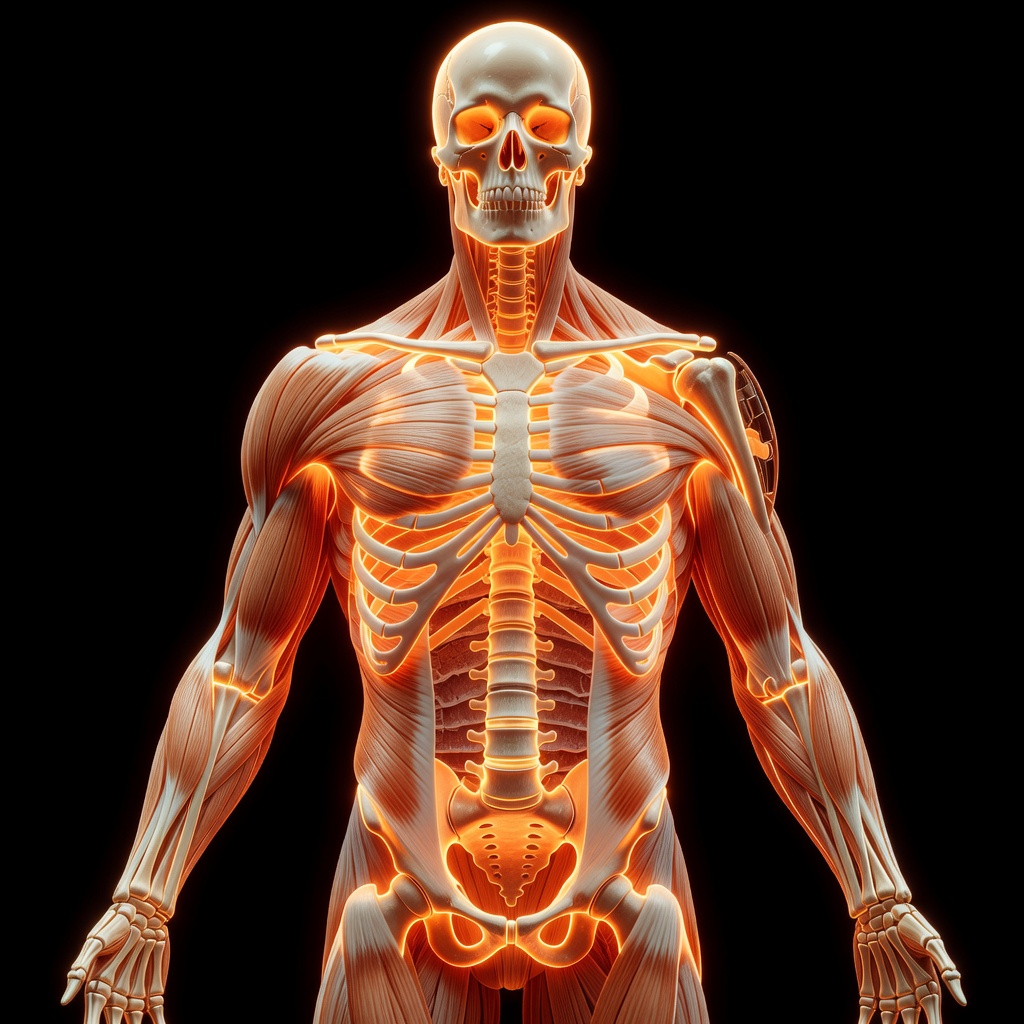
The modern medical landscape often categorises hormonal health and neurological health as two distinct entities, separated by a biological wall. However, the emerging field of Neuro-oestrogenics reveals a much more complex and integrated reality. Oestrogen is not merely a "reproductive hormone" restricted to the ovaries and uterus; it is a potent neurosteroid that governs the very architecture of the human brain.
When in balance, oestrogen is neuroprotective, enhancing memory and supporting mood. Yet, we are currently witnessing a silent epidemic of Oestrogen Dominance—a state where oestrogen levels are disproportionately high relative to progesterone. This biochemical imbalance is not just a "hormonal issue"; it is a neurological crisis. From the saturation of environmental xeno-oestrogens to the disruption of endogenous clearance pathways, oestrogen excess is rewriting the script of our neurotransmitter signalling, leading to a cascade of anxiety, cognitive decline, and neuroinflammation.
The Brain as an Endocrine Organ
To understand neuro-oestrogenics, we must first accept that the brain is highly sensitive to hormonal fluctuations. Oestrogen receptors (ERα and ERβ) are densely packed in the hippocampus (memory), the amygdala (emotion), and the prefrontal cortex (executive function).
Oestrogen modulates the synthesis, release, and metabolism of almost every major neurotransmitter. When the system is flooded with excess oestrogen—whether through internal overproduction or external exposure—the brain's delicate chemical equilibrium is shattered.
Biological Mechanisms: The Excitatory Cascade
The primary danger of oestrogen dominance in the brain lies in its role as a central nervous system stimulant. While moderate oestrogen promotes "plasticity," excessive levels push the brain into a state of chronic hyper-arousal.
1. The Glutamate-GABA Seesaw
The brain operates on a balance between Glutamate (the "accelerator") and GABA (the "brake"). Oestrogen is inherently excitatory. It increases the density of dendritic spines and enhances NMDA receptor sensitivity, which facilitates glutamate signalling.
In a balanced state, this helps us learn and stay sharp. However, in Oestrogen Dominance, the "accelerator" is pinned to the floor. High oestrogen levels suppress the activity of GAD (glutamic acid decarboxylase), the enzyme responsible for converting excitatory glutamate into calming GABA. The result? A brain that cannot turn off, manifesting as:
- Intense internal restlessness.
- Hyper-vigilance and panic disorders.
- The inability to achieve deep, restorative sleep.
2. The Serotonin Paradox
Oestrogen significantly influences the Serotonin system. It increases the expression of tryptophan hydroxylase (the enzyme that makes serotonin) and inhibits Monoamine Oxidase (MAO), the enzyme that breaks it down.
While this sounds beneficial, the "more is better" logic fails in the brain. Chronic oestrogen excess can lead to a "downregulation" of serotonin receptors. Furthermore, the rapid fluctuations associated with dominance cause "serotonergic instability," leading to the profound mood swings, irritability, and "tearfulness" often mislabelled as clinical depression.
3. Dopamine and Executive Dysfunction
Oestrogen modulates the dopaminergic pathways in the nucleus accumbens and the prefrontal cortex. Excess oestrogen can interfere with COMT (Catechol-O-methyltransferase), the enzyme responsible for clearing dopamine and oestrogen from the system. If the COMT enzyme is preoccupied with detoxifying high levels of oestrogen, dopamine levels can spike and then crash, leading to "brain fog," obsessive thinking, and addictive behaviours.
Key Fact: Oestrogen and Progesterone act as a "checks and balances" system. While oestrogen is excitatory, progesterone (via its metabolite allopregnanolone) is a potent GABA-agonist. When oestrogen dominates, the brain loses its natural sedative, leading to Neuro-excitotoxicity.
##
##
The UK Context
: A Landscape of Oestrogenic Burden
In the United Kingdom, the prevalence of oestrogen dominance is skyrocketing, yet it remains largely unaddressed by conventional primary care. The NHS model typically treats mood disorders with SSRIs and anxiety with Benzodiazepines, failing to investigate the underlying hormonal drivers of these neurological symptoms.
The Environmental Load
The UK’s industrial history and current agricultural practices have created a "perfect storm" for neuro-oestrogenic disruption. British waterways are frequently reported to contain significant levels of ethinylestradiol (from the contraceptive pill) and various xeno-oestrogens that conventional water treatment plants are not fully equipped to filter.
Furthermore, the British diet, increasingly reliant on ultra-processed foods packaged in phthalate-laden plastics, ensures a constant trickle of endocrine disruptors into the bloodstream. These chemicals bypass the blood-brain barrier and dock into oestrogen receptors, sending "false signals" to the brain that amplify the effects of endogenous oestrogen.
Environmental Factors and Xeno-oestrogenics
The term Xeno-oestrogen refers to synthetic chemicals that mimic the shape of natural oestrogen. These molecules are particularly insidious because they often bind to receptors more "aggressively" than our own hormones and are much harder for the liver to break down.
- BPA and Phthalates: Found in food linings and personal care products common in UK supermarkets. These disrupt the Hypothalamic-Pituitary-Adrenal (HPA) axis, heightening the stress response.
- Glyphosate: Widely used in British arable farming. Emerging research suggests glyphosate may act as a xeno-oestrogen and disrupt the gut microbiome, which is essential for oestrogen excretion.
- Parabens: Used as preservatives in high-street cosmetics. These have been detected in human brain tissue and are linked to the disruption of neuro-regeneration.
The Path to Neuro-Inflammation
One of the most concerning aspects of oestrogen excess is its role in Neuro-inflammation. While physiological levels of oestrogen are anti-inflammatory, supra-physiological levels (or the presence of synthetic oestrogens) can activate the Microglia—the brain’s resident immune cells.
When microglia are "primed" by oestrogen excess, they release pro-inflammatory cytokines such as IL-6 and TNF-alpha. This "brain on fire" state is a precursor to:
- Cognitive Decline: Prolonged inflammation damages the hippocampus, leading to memory loss.
- Blood-Brain Barrier Permeability: Excess oestrogen can weaken the integrity of the blood-brain barrier, allowing toxins that should stay in the blood to enter the brain.
- Migraines: The "oestrogen-driven migraine" is a classic symptom of neuro-oestrogenics, caused by the rapid expansion and contraction of cerebral blood vessels coupled with glutamate spikes.
Protective Strategies: Reclaiming Cognitive Sovereignty
Understanding the "truth" about neuro-oestrogenics is the first step. The second is taking radical responsibility for one's biochemical environment. To protect the brain from oestrogen excess, we must focus on Clearance, Competition, and Calming.
1. Supporting the Estrobolome
The Estrobolome is a subset of the gut microbiome responsible for metabolising and excreting oestrogen. If the gut is imbalanced (dysbiosis), an enzyme called beta-glucuronidase can unbind the oestrogen headed for excretion and re-circulate it back into the blood.
- Action: Increase intake of fermented foods and prebiotic fibres (chicory root, leeks) to support a healthy microbial balance.
2. Liver Detoxification (Phase I and II)
The liver must process oestrogen into water-soluble metabolites. In the UK, high alcohol consumption and "fatty liver" (from high sugar diets) significantly impair this process.
- Action: Consume Cruciferous vegetables (broccoli, kale, cauliflower) which contain Sulforaphane and Indole-3-Carbinol (I3C). These compounds guide oestrogen down the "2-OH" pathway (the protective pathway) rather than the "16-OH" pathway (the proliferative, neuro-toxic pathway).
3. Antagonising Xeno-oestrogens
We must reduce the "total load" of external oestrogens.
- Action: Switch to glass or stainless steel containers. Filter UK tap water using a high-quality reverse osmosis or activated carbon filter. Opt for organic produce where possible to avoid pesticide-driven xeno-oestrogenics.
4. Upregulating GABA
Since oestrogen dominance depletes the brain’s "brakes," we must actively support GABAergic signalling.
- Action: Supplementation with Magnesium Bisglycinate and L-Theanine can help modulate the NMDA receptors and provide a counter-balance to oestrogen-induced excitability.
Key Takeaways: The INNERSTANDING Perspective
- Oestrogen is a Neuro-Modulator: It dictates how we think, feel, and react. Excess oestrogen is a state of "metabolic stress" for the brain.
- Beyond the Uterus: Oestrogen dominance is a whole-body, whole-brain condition. Symptoms like anxiety, insomnia, and brain fog are often the first signs of hormonal dysregulation.
- The Excitatory Trap: High oestrogen drives glutamate, leading to neuro-excitotoxicity and the "wired but tired" feeling.
- Environmental Sovereignty: We live in an oestrogenic world. Protecting the brain requires a conscious effort to minimize xeno-oestrogen exposure and support the liver’s detoxification pathways.
- A New Paradigm: Mental health is hormonal health. Until we address the oestrogenic burden on the modern brain, we are merely masking symptoms rather than achieving true "Innerstanding."
"The brain does not exist in a vacuum. It is the most sensitive barometer of our internal chemical environment. To heal the mind, we must first balance the hormones that command it."
By recognising the profound impact of Neuro-oestrogenics, we can move away from the reductive "chemical imbalance" theory of mental health and toward a comprehensive, truth-based approach to neurological longevity. Reclaiming your brain health begins with reclaiming your hormonal balance.
This article is provided for informational and educational purposes only. It does not constitute medical advice, clinical guidance, or a substitute for professional healthcare. Information reflects cited research at time of publication. Always consult a qualified healthcare professional before acting on any health information.
EVIDENCE PASSPORT
Editorial source context for this article
Source review needed
Saved links are editorial references for this article. They may support specific claims rather than every sentence. Open and assess each source in context. This passport does not independently verify them.
Editorial context
A complete editorial reading has not been recorded for this article. Source links remain available for you to open and assess directly.
Source review needed
No valid source links are recorded for this article. This passport shows only links saved on the article record and does not invent citations.
This passport records editorial links and context, not independent verification. Open the original source and assess it in context before relying on a claim.
Medical Disclaimer
The information in this article is for educational purposes only and does not constitute medical advice, diagnosis, or treatment. Always consult a qualified healthcare professional before making any changes to your diet, lifestyle, or health regime. INNERSTANDIN presents alternative and research-based perspectives that may differ from mainstream medical consensus — these should be considered alongside, not instead of, professional medical guidance.
Read Full DisclaimerContinue the thread
Keep this question moving.
Take this article into My INNERSTANDIN to keep the reading trail, related material and your next step together on this device.
Explore this in the Body Map
See where this hits your biology. Interactive anatomy, threats, and protective protocols.
Dig deeper in the Library
Free, longform PDF volumes that go beyond headlines into mechanisms and references.