
Digital Twilight: The Neurological Impact of Evening Lux Exposure
Published April 2026
Exposing the neurological consequences of evening screen use, focusing on the cortisol-dopamine response and the disruption of the glymphatic system.
Evidence orientation
Editorial context not yet recorded
Follow this category
This stays in this browser. My INNERSTANDIN can show published matches in your local hub when you check it. It does not send email, push, or alert notifications.
Local learning review
A private browser aid for revisiting ideas. It is not an alert or a health recommendation.
Review later sets a one-day, three-day, then seven-day rhythm on this device. Choose it only when you want to revisit this article.
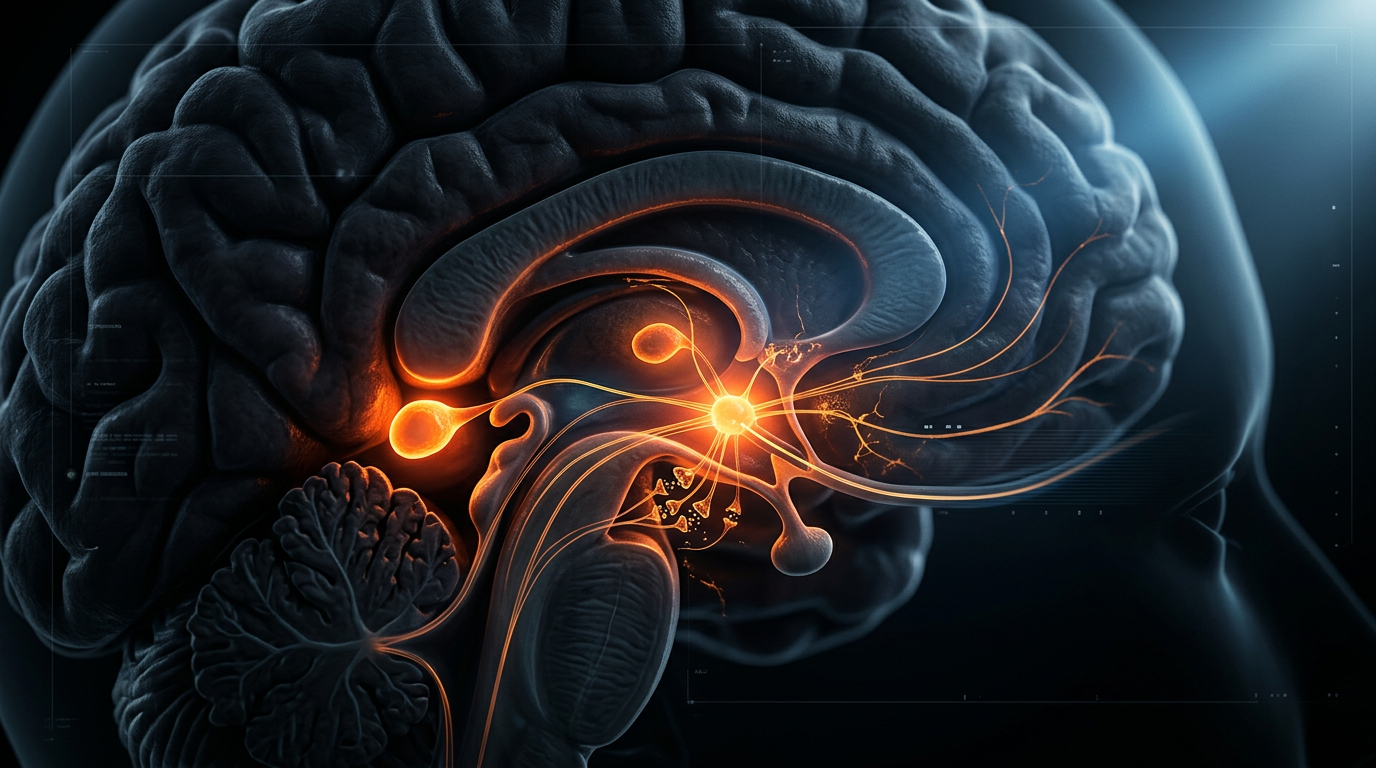
The modern evening is saturated with the digital glow of smartphones, tablets, and televisions. While much has been written about the 'distraction' of these devices, the more insidious threat is the neurological impact of the light they emit. The human brain is evolutionarily wired to perceive the thinning of light and the shift toward warmer, redder tones at sunset as a signal to transition from 'executive function' to 'recovery mode.' By staring into high-luminance screens, we are bypassing millions of years of evolutionary programming and inducing a state of neurological hyper-arousal that persists long after the device is turned off. CORTISOL, DOPAMINE, AND THE PREFRONTAL CORTEX. Blue light exposure in the evening does more than suppress melatonin; it actively stimulates the production of cortisol and dopamine.
This neurochemical cocktail keeps the prefrontal cortex in an active, analytical state, preventing the transition to the 'default mode network' associated with rest and creativity. This is why many people find themselves 'tired but wired'—the body is exhausted, but the brain is receiving a chemical signal that it is still the middle of the day. This chronic state of evening arousal leads to a reduction in REM sleep and deep (slow-wave) sleep, both of which are critical for cognitive clearance of metabolic waste via the glymphatic system. THE FEEDBACK LOOP OF SLEEP FRAGMENTATION. The disruption of sleep architecture by evening blue light creates a vicious cycle.
Poor sleep quality leads to impaired glucose metabolism and increased cravings for high-energy foods the following day. It also reduces emotional resilience, making individuals more prone to stress and anxiety. Most people attempt to solve this with caffeine or sedative sleep aids, which address the symptoms but ignore the underlying cause: the corruption of the light environment. The neurological impact is particularly acute in children and adolescents, whose developing brains and more transparent crystalline lenses allow even more blue light to reach the retina, potentially contributing to the rise in ADHD-like symptoms and emotional dysregulation. DIGITAL HYGIENE AND NEUROLOGICAL RECOVERY.
To restore neurological health, we must implement a 'digital sunset.' This means ending exposure to high-energy visible light at least two hours before bed. When screens must be used, software filters like f.lux or built-in 'night modes' are a start, but they are often insufficient because they do not reduce the brightness (intensity) enough to prevent SCN activation. The most effective intervention is the use of physical blue-blocking filters or glasses that shift the entire visual field into the red spectrum. By honouring the biological transition to darkness, we allow the brain to engage in the essential nightly process of synaptic pruning and neuro-regeneration.
This article is provided for informational and educational purposes only. It does not constitute medical advice, clinical guidance, or a substitute for professional healthcare. Information reflects cited research at time of publication. Always consult a qualified healthcare professional before acting on any health information.
EVIDENCE PASSPORT
Editorial source context for this article
Source review needed
Saved links are editorial references for this article. They may support specific claims rather than every sentence. Open and assess each source in context. This passport does not independently verify them.
Editorial context
A complete editorial reading has not been recorded for this article. Source links remain available for you to open and assess directly.
Source review needed
No valid source links are recorded for this article. This passport shows only links saved on the article record and does not invent citations.
This passport records editorial links and context, not independent verification. Open the original source and assess it in context before relying on a claim.
Medical Disclaimer
The information in this article is for educational purposes only and does not constitute medical advice, diagnosis, or treatment. Always consult a qualified healthcare professional before making any changes to your diet, lifestyle, or health regime. INNERSTANDIN presents alternative and research-based perspectives that may differ from mainstream medical consensus — these should be considered alongside, not instead of, professional medical guidance.
Read Full DisclaimerContinue the thread
Keep this question moving.
Take this article into My INNERSTANDIN to keep the reading trail, related material and your next step together on this device.
Explore this in the Body Map
See where this hits your biology. Interactive anatomy, threats, and protective protocols.
Dig deeper in the Library
Free, longform PDF volumes that go beyond headlines into mechanisms and references.