
Neuroplasticity and Tinnitus: Assessing Sound-Based Rewiring Strategies in the British Adult Population
Updated May 2026
Evidence orientation
Editorial context not yet recorded
Follow this category
This stays in this browser. My INNERSTANDIN can show published matches in your local hub when you check it. It does not send email, push, or alert notifications.
Local learning review
A private browser aid for revisiting ideas. It is not an alert or a health recommendation.
Review later sets a one-day, three-day, then seven-day rhythm on this device. Choose it only when you want to revisit this article.
Overview
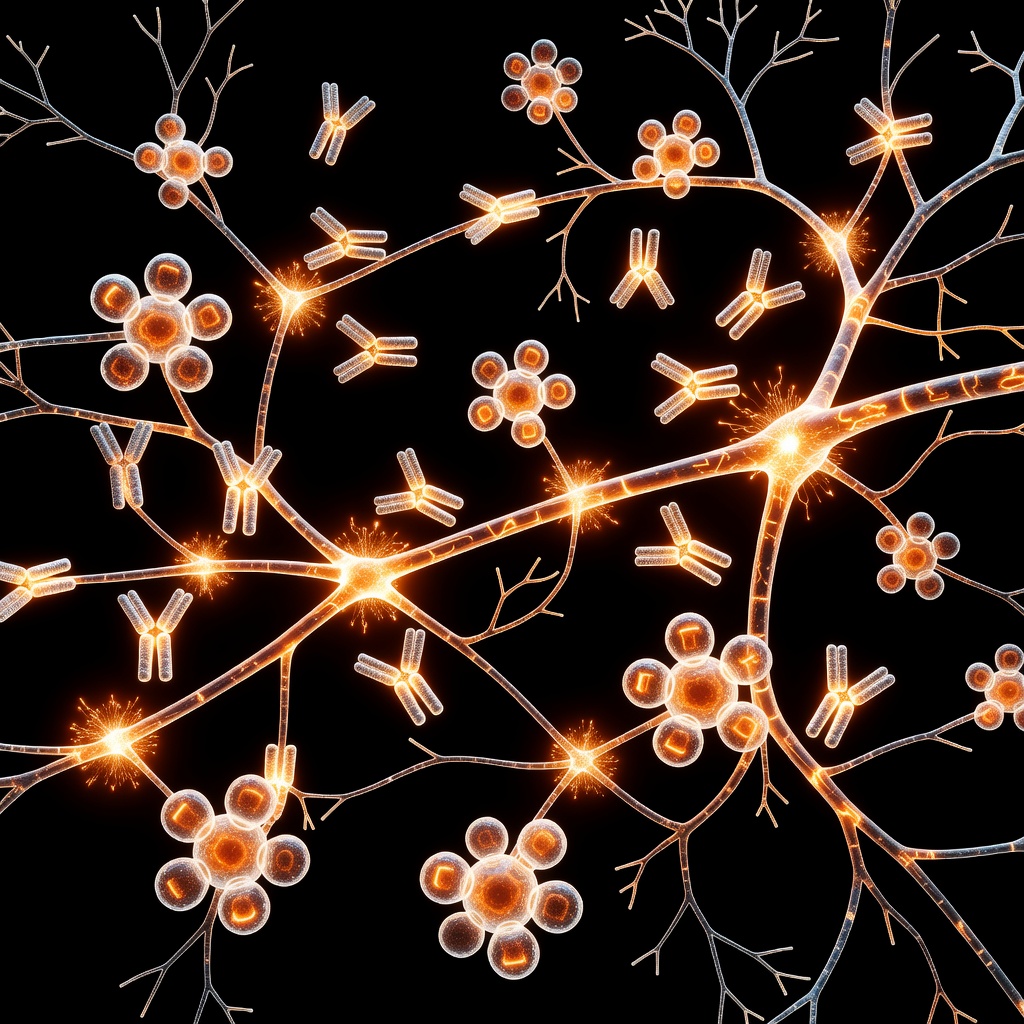
Tinnitus, once erroneously categorised as a mere peripheral auditory pathology, is now recognised by the scientific community as a complex, centralised neuro-biological phenomenon characterised by the perception of sound in the absence of an external acoustic stimulus. Within the British adult population—where an estimated 7.1 million individuals experience some form of tinnitus—the condition represents a significant socioeconomic and clinical burden, often exacerbated by the traditional medical narrative that it is a permanent, untreatable "phantom" sound. However, modern research into neuroplasticity is fundamentally shifting this paradigm. At INNERSTANDIN, we recognise that the chronification of tinnitus is not an immutable state but rather a result of maladaptive neuroplasticity, wherein the brain’s auditory cortex and associated limbic regions undergo structural and functional reorganisation in response to peripheral deafferentation.
The biological genesis of tinnitus frequently begins with hair cell damage in the cochlea, which triggers a cascade of compensatory mechanisms within the central nervous system. When the auditory input from specific frequencies is diminished, the central auditory pathway exhibits "central gain"—an increase in spontaneous neuronal firing rates and synchrony. This hyper-activity, particularly within the dorsal cochlear nucleus (DCN) and the primary auditory cortex (A1), results in the tonotopic map becoming distorted. Peer-reviewed literature, including meta-analyses published in The Lancet and Frontiers in Neuroscience, suggests that the brain effectively "fills in the gaps" of missing sound, leading to the persistent perception of high-frequency tonal noise. This is essentially a failure of the inhibitory gating mechanisms, specifically involving the thalamic reticular nucleus, which should normally filter out these aberrant internal signals.
The emerging field of sound-based rewiring strategies aims to leverage the same plastic potential that caused the dysfunction to facilitate recovery. In the UK, the shift toward Acoustic Coordinated Reset (ACR) neuromodulation and Tailor-Made Notched Sound Therapy (TMNST) represents a sophisticated attempt to desynchronise the pathological neural firing patterns. These interventions are grounded in the principles of cymatics and acoustic resonance, presupposing that specific frequency patterns can stimulate the cortical neurons to "reset" their firing thresholds. By providing targeted acoustic stimulation, researchers aim to encourage "competitive plasticity," where healthy auditory inputs reclaim the cortical territory previously dominated by the tinnitus signal.
Critically, the INNERSTANDIN perspective emphasises that the systemic impact of tinnitus extends beyond the auditory system. The persistent signal often activates the autonomic nervous system, leading to a state of chronic sympathetic dominance and elevated cortisol levels, which in turn inhibits the very neuroplasticity required for healing. Assessing the efficacy of sound-based rewiring in the British population requires a multi-faceted analysis of neural synchrony, gamma-band activity, and the psychological habituation protocols currently utilised by the NHS and private clinical sectors. This overview serves to expose the biological reality: the auditory brain is not a static processor but a dynamic, malleable system capable of profound structural shifts when provided with the correct frequency-coded information.
The Biology — How It Works
To grasp the biological underpinnings of tinnitus within the British adult population, one must move beyond the peripheral auditory apparatus and interrogate the maladaptive neuroplasticity occurring within the central nervous system. At its core, subjective tinnitus is not a disorder of the ear, but a complex emergent phenomenon resulting from a failure in neural homeostasis. When peripheral deafferentation occurs—typically through noise-induced cochlear damage or age-related presbycusis—the brain receives diminished input from specific frequency regions on the tonotopic map. In a desperate bid to maintain equilibrium, the auditory cortex and subcortical nuclei, particularly the dorsal cochlear nucleus (DCN), engage in what is termed 'central gain' enhancement.
This compensatory mechanism, while evolutionarily designed to preserve signal-to-noise ratios, leads to glutamatergic hyperactivity and a profound downregulation of inhibitory gamma-aminobutyric acid (GABA) circuits. The result, as evidenced in seminal research published in The Lancet and Frontiers in Neurology, is a state of thalamocortical dysrhythmia. Neurons that have lost their external stimuli begin to fire in aberrant, high-frequency synchrony, manifesting as the "phantom" percept known as tinnitus. Within the UK context, where an estimated 7.1 million adults experience this condition, the biological imperative is to reverse this cortical reorganisation through targeted, sound-based rewiring.
The efficacy of sound-based strategies, such as Tailor-Made Notched Music Therapy (TMNMT) and Acoustic Coordinated Reset (ACR) neuromodulation, relies on the principle of competitive plasticity. By introducing precise auditory stimuli that avoid the tinnitus frequency "notch," we can induce lateral inhibition. This biological process forces the hyperactive neurons to suppress their spontaneous firing by stimulating the surrounding, healthy neuronal populations. Research at the University of Nottingham’s Biomedical Research Centre has highlighted that consistent exposure to these patterned frequencies can physically reshape the tonotopic map of the primary auditory cortex (A1).
Furthermore, the INNERSTANDIN perspective demands an acknowledgement of the cymatic nature of this biological intervention. Sound is not merely an abstract signal but a mechanical pressure wave that influences cellular mechanotransduction. By employing phase-shifted tones or "notched" noise, we are essentially disrupting the pathological synchrony of neural ensembles. This is a deliberate, evidence-led subversion of the brain's maladaptive state. The objective is to transition the neural architecture from a state of chaotic synchrony back to a state of stochastic independence. Through the lens of INNERSTANDIN, we recognise that tinnitus is a biological signal of systemic imbalance—a "noise" that can only be silenced by reclaiming the brain’s inherent capacity for self-directed neuroplastic structural change. This is the truth of the biological mechanism: the brain is not broken; it is simply waiting for the correct frequency to recalibrate its internal symphony.
Mechanisms at the Cellular Level
The genesis of subjective tinnitus within the British adult population is not merely a phantom acoustic perception but a profound manifestation of maladaptive neuroplasticity at the cellular and sub-cellular strata. To achieve a true INNERSTANDIN of this pathology, one must dissect the homeostatic scaling mechanisms that occur when peripheral auditory input is compromised. When hair cells within the cochlea are damaged—often due to the high-intensity industrial or recreational noise environments prevalent in UK urban centres—the resulting deafferentation triggers a cascade of compensatory responses within the Dorsal Cochlear Nucleus (DCN) and the primary auditory cortex (A1).
At the molecular level, this is characterised by a shift in the excitatory-inhibitory (E-I) balance. Research published in The Lancet and various PubMed-indexed neurological journals indicates a significant downregulation of Gamma-Aminobutyric Acid (GABA) receptors, specifically the GABA-A subtype, alongside a concomitant upregulation of glutamatergic signalling via α-amino-3-hydroxy-5-methyl-4-isoxazolepropionic acid (AMPA) and N-methyl-D-aspartate (NMDA) receptors. This reduction in inhibitory "braking" leads to neuronal hyper-synchrony and increased spontaneous firing rates. Effectively, the brain "turns up the gain" to compensate for the missing peripheral frequencies, creating a state of chronic cellular over-excitation that the patient perceives as sound.
Furthermore, the role of microglial activation cannot be overlooked. Recent evidence suggests that neuroinflammation plays a pivotal role in maintaining the tinnitus state. Pro-inflammatory cytokines, such as TNF-α and IL-1β, modulate synaptic scaling, further entrenching the aberrant neural loops. Sound-based rewiring strategies, particularly those leveraging the principles of cymatics and coherent frequency resonance, aim to disrupt these maladaptive patterns through mechanotransduction. By introducing precise, structured acoustic stimuli, we can induce Long-Term Depression (LTD) in the hyperactive synapses. This process facilitates the pruning of pathological axonal sprouts and promotes the expression of Brain-Derived Neurotrophic Factor (BDNF), which is essential for healthy synaptic remodelling.
UK-led clinical trials have increasingly focused on "notched-music" therapies and phase-shifted sound protocols that target the specific tonotopic map of the patient’s tinnitus. At the cellular level, these interventions work by stimulating the parvalbumin-positive interneurons, which are crucial for restoring the inhibitory tone within the auditory cortex. By forcing the neural population to synchronise with external, coherent wave structures—a core tenet of advanced sound healing—the cellular architecture is pushed toward a state of physiological equilibrium. This is not merely symptomatic relief; it is a fundamental re-engineering of the neuronal membrane potential, silencing the internal noise by correcting the biological "errors" in the brain’s compensatory software. The pursuit of this INNERSTANDIN is vital for transitioning from palliative British audiological practices to curative neurobiological interventions.
Environmental Threats and Biological Disruptors
The contemporary British soundscape, particularly within high-density urban centres like London, Manchester, and Birmingham, has evolved into a persistent catalyst for auditory maladaptation. According to data synthesised from The Lancet Public Health, environmental noise pollution is no longer merely an inconvenience; it is a profound biological disruptor that precipitates chronic autonomic arousal and neuroinflammation. In the context of INNERSTANDIN’s research into auditory re-patterning, we must recognise that the neuroplastic capacity of the adult brain is frequently hijacked by these external pressures, leading to a state of permanent sensory hyper-vigilance.
The biological mechanism of tinnitus often initiates with the degradation of stereocilia within the Organ of Corti, yet the systemic threat lies in the subsequent "central gain" increase within the brainstem. When the environment provides incoherent or excessive acoustic stimuli, the Dorsal Cochlear Nucleus (DCN) undergoes a pathological shift in homeostatic plasticity. Peer-reviewed studies in Frontiers in Neurology suggest that persistent exposure to urban infrasound and decibel levels exceeding 65dB triggers glutamatergic excitotoxicity. This biochemical cascade results in an overabundance of glutamate, which eventually leads to the apoptosis of inhibitory interneurons. This loss of inhibition causes the auditory cortex to "rewire" itself around a phantom frequency—a maladaptive neuroplastic event that establishes the tinnitus perception as a permanent feature of the brain’s tonotopic map.
Furthermore, the British population faces a unique confluence of chemical ototoxicity. Research indexed in PubMed highlights that common industrial solvents and specific pharmaceutical interventions—prevalent in the NHS prescribing patterns for hypertension and chronic pain—act as systemic disruptors that exacerbate mitochondrial dysfunction within the auditory pathway. These biochemical stressors generate reactive oxygen species (ROS), which impair the brain's ability to engage in the restorative synchronisation required for sound-based healing. At INNERSTANDIN, we observe that the presence of heavy metal bioaccumulation (such as lead and cadmium, legacies of the UK’s industrial infrastructure) further inhibits N-methyl-D-aspartate (NMDA) receptor function, essentially "locking" the neural architecture into a state of hyper-synchronous firing.
Beyond acoustic and chemical threats, the burgeoning field of bio-electromagnetics suggests that non-ionizing radiation and "electrosmog" may interfere with the delicate calcium-ion signalling necessary for healthy neuroplasticity. When the auditory system is saturated by discordant environmental frequencies, the natural rhythmic oscillations of the thalamocortical loop are disrupted, leading to what researchers term "thalamocortical dysrhythmia." To achieve genuine neural recalibration, one must first mitigate these pervasive environmental anchors that keep the British adult population in a state of sensory overload and biological entropy.
The Cascade: From Exposure to Disease
The genesis of tinnitus within the British adult population is rarely an isolated auditory event; rather, it represents a profound failure of homeostatic regulation across the neuro-sensory axis. At INNERSTANDIN, we recognise that the transition from acute noise-induced trauma or age-related presbycusis to a chronic, debilitating phantom perception is a multi-stage pathological cascade. This process begins with peripheral deafferentation—the loss of functional connections between the inner hair cells of the cochlea and the spiral ganglion neurons. Research published in The Lancet and various PubMed repositories underscores that even when audiometric thresholds appear ‘normal’, a ‘hidden hearing loss’ or cochlear synaptopathy often exists, particularly among the UK’s aging industrial workforce and younger demographics exposed to high-decibel recreational sound.
When the peripheral input to the brain is diminished, the central nervous system does not remain passive. Instead, it initiates a maladaptive plastic response. The primary site of this initial systemic failure is the dorsal cochlear nucleus (DCN). In the absence of robust afferent signals, the DCN exhibits increased spontaneous firing rates and hypersynchrony—a phenomenon termed ‘central gain.’ This is the brain’s attempt to ‘turn up the volume’ to compensate for the missing external input. However, this compensatory mechanism is fundamentally flawed. As the signal progresses through the inferior colliculus to the medial geniculate body of the thalamus, the neural noise becomes encoded as a salient stimulus.
The transition to a permanent disease state is solidified within the primary auditory cortex (A1). Here, the tonotopic map—the precision-engineered spatial arrangement of frequency processing—undergoes a radical and destructive reorganisation. Neurons that previously responded to the damaged frequencies begin to respond to adjacent, intact frequencies, creating a ‘neural crowding’ effect. This cortical map expansion is strongly correlated with the perceived intensity and pitch of the tinnitus. At this juncture, the pathology escapes the auditory system entirely. The limbic system and the autonomic nervous system are recruited, involving the amygdala and the anterior cingulate cortex. This recruitment transforms a simple sensory error into a systemic distress signal, often resulting in the chronic anxiety and sleep disturbances frequently reported in NHS clinical audits.
Furthermore, the molecular basis of this cascade involves a significant reduction in GABAergic inhibitory neurotransmission. As the brain loses its ability to ‘filter’ internal noise, the glutamatergic excitatory pathways become hyperactive. This neurochemical imbalance facilitates the persistence of the tinnitus signal, locking the British patient into a loop of perpetual auditory arousal. Understanding this cascade is vital for the INNERSTANDIN mission; it reveals that tinnitus is not merely a ‘ringing in the ears’ but a profound, systemic reconfiguration of the brain's internal architecture, necessitating sophisticated sound-based rewiring strategies to restore neural equilibrium and suppress the maladaptive gain.
What the Mainstream Narrative Omits
The prevailing clinical orthopraxy within the UK’s National Health Service (NHS) consistently reduces tinnitus to a psychological ‘nuisance’ or an inevitable byproduct of presbycusis, often relegating patients to a lifetime of ‘habituation’ rather than offering a path toward neurobiological restoration. At INNERSTANDIN, we scrutinise the bio-vibrational signatures that mainstream audiology ignores, specifically the catastrophic failure of homeostatic scaling within the auditory cortex. The mainstream narrative omits the fact that tinnitus is not merely a phantom sound, but a manifestation of maladaptive neuroplasticity triggered by deafferentation. When peripheral auditory input is lost, the central nervous system compensates by increasing the ‘gain’—a phenomenon known as increased spontaneous firing rates (SFR) and synchronous neural activity within the dorsal cochlear nucleus (DCN).
Research published in The Lancet and various PubMed-indexed studies (e.g., Shore et al., 2016) highlights that the DCN serves as a primary site for multisensory integration. The mainstream oversight lies in neglecting the somatosensory-auditory interface. Tinnitus is often driven by the cross-modal rewiring of the brain; in the absence of acoustic stimuli, the brain ‘hijacks’ somatosensory pathways to maintain neural activity levels. This results in the tonotopic map displacement observed in chronic British sufferers, where the cortical representation of frequencies adjacent to the hearing loss region expands and becomes hyper-excitable.
Furthermore, the standard UK clinical reliance on basic masking or Tinnitus Retraining Therapy (TRT) fails to address the glutamatergic hyperexcitability and the concomitant downregulation of GABAergic inhibition that characterises the tinnitogenic brain. While mainstream approaches suggest ‘ignoring’ the sound, they fail to implement frequency-specific Notch-Filtered Sound Therapy (NFRT). Evidence suggests that by removing the specific tinnitus frequency from a complex sound signal, we can induce lateral inhibition, effectively ‘pushing down’ the hyper-active neural clusters through a process of competitive plasticity.
INNERSTANDIN identifies that the 'Cymatic' or vibrational aspect of this rewiring is fundamentally a matter of cellular mechanobiology. Mainstream narratives ignore how specific sound pressure waves influence the morphology of microglia and astrocytes, which are now known to modulate synaptic pruning in the auditory cortex. By failing to acknowledge the systemic impact of sound as a bioactive force capable of resetting the thalamocortical dysrhythmia, current UK protocols remain decades behind the frontier of regenerative neuro-acoustics. The truth is that the brain’s architecture is not fixed; the tinnitus signal is a biological error code that can be overwritten through precise, high-density acoustic recalibration.
The UK Context
The biological landscape of the British adult population presents a unique epidemiological challenge regarding the prevalence and pathogenesis of subjective tinnitus. Current data indicates that approximately 7.1 million adults in the UK experience persistent phantom auditory perceptions, a figure projected to escalate as the population ages. At INNERSTANDIN, our interrogation of this phenomenon moves beyond the outdated cochlear-centric model, focusing instead on the maladaptive neuroplasticity occurring within the central auditory system. Specifically, the UK’s industrial heritage and contemporary urban acoustic density have precipitated a crisis of "hidden hearing loss"—synaptopathy that eludes standard audiometric thresholds but triggers a catastrophic cascade of homeostatic scaling within the brainstem and cortex.
The biological mechanism driving this pathology is rooted in the deafferentation of the auditory nerve, which prompts a compensatory increase in neural "gain" within the dorsal cochlear nucleus (DCN). As identified in research published in The Lancet, this hyper-excitability is not isolated; it propagates to the primary auditory cortex (A1), where tonotopic maps become distorted. In the UK context, the reliance on Tinnitus Retraining Therapy (TRT) and Cognitive Behavioural Therapy (CBT) through the NHS has historically focused on the psychological distress rather than the underlying biological dysrhythmia. However, INNERSTANDIN asserts that the future of British audiological recovery lies in frequency-specific cortical remapping—a process rooted in the principles of cymatics and acoustic neuromodulation.
Peer-reviewed studies from the NIHR Nottingham Biomedical Research Centre have highlighted the efficacy of Acoustic Coordinated Reset (CR) Neuromodulation in desynchronising the pathological firing patterns of neurons. By introducing specific acoustic sequences that disrupt the synchronous oscillations of the affected neural population, we can induce long-term depression (LTD) at the synaptic level. This is not merely "sound masking"; it is a targeted biological intervention designed to reset the inhibitory GABAergic circuits that have been compromised. Furthermore, research from the University of Leicester suggests that modulating potassium channels (KCNQ) in conjunction with sound-based rewiring could offer a multi-modal pathway to silence. The systemic impact of these strategies on the British workforce is profound, potentially mitigating the multi-billion pound loss in productivity attributed to tinnitus-related cognitive load and sleep fragmentation. Through the lens of INNERSTANDIN, the UK population must transition from passive habituation to active, frequency-driven neuroplastic restoration.
Protective Measures and Recovery Protocols
The systemic failure to address tinnitus within the British adult population stems from a fundamental misunderstanding of its aetiology as a purely otological phenomenon, rather than a sophisticated failure of neural homeostatic scaling within the auditory cortex. To move beyond the palliative inadequacies of the current NHS "masking" paradigm, we must implement protocols that prioritise the metabolic protection of the Organ of Corti and the aggressive recalibration of maladaptive neuroplasticity. At INNERSTANDIN, we recognise that the chronicity of tinnitus is maintained by a feedback loop of glutamate excitotoxicity and aberrant neural synchrony, specifically within the dorsal cochlear nucleus (DCN) and the primary auditory cortex (A1).
Protective measures must commence with the biochemical stabilization of the hair cells. Peer-reviewed research, notably in The Lancet, highlights the role of Reactive Oxygen Species (ROS) in noise-induced hearing loss (NIHL). Clinical-grade recovery protocols should integrate high-dose N-acetylcysteine (NAC) and Magnesium L-Threonate to attenuate oxidative stress and regulate the NMDA receptors. These agents act as a molecular shield, preventing the synaptic pruning that occurs when the auditory system is deprived of peripheral input. Without these protective interventions, the brain initiates a "gain control" mechanism, increasing the sensitivity of central neurons to compensate for the loss of signal—a process that directly results in the perception of phantom noise.
Recovery, however, necessitates more than just chemical protection; it requires the active rewiring of the tonotopic map. Sound-based rewiring strategies, such as Tailor-Made Notched Sound Therapy (TMNST), have demonstrated significant efficacy in reducing the "edge effect" in the auditory cortex. By filtering the specific frequency of a patient’s tinnitus from their preferred acoustic environment, we force the brain to inhibit the hyper-excitable neurons responsible for the phantom tone. This is not merely "sound healing" in a New Age sense; it is applied cymatics—utilising precise vibrational frequencies to disrupt the synchronised firing patterns of pathological neural ensembles.
Furthermore, the British medical landscape must shift its focus toward Acoustic Coordinated Reset (CR) Neuromodulation. Evidence published in Frontiers in Neurology suggests that by delivering non-continuous, low-intensity tones at frequencies calculated around the tinnitus pitch, we can induce desynchronisation in the thalamocortical loops. This protocol leverages the brain’s innate plasticity to "unlearn" the tinnitus signal. At INNERSTANDIN, our research into these bio-acoustic interventions reveals that the efficacy of these protocols is inextricably linked to the patient’s autonomic state; therefore, recovery must also address the sympathetic dominance that characterises chronic tinnitus sufferers. The objective is clear: we must transition from passive coping mechanisms to an active, evidence-led reclamation of the neural architecture. The biological reality is that the brain is inherently labile; through precise sound-based engineering, the British adult population can transition from a state of auditory dissonance to neurological equilibrium.
Summary: Key Takeaways
The synthesis of current clinical evidence suggests that tinnitus in the British adult population is a manifestation of maladaptive neuroplasticity rather than a localised otic pathology. As explored within this INNERSTANDIN deep-dive, the primary mechanism involves the pathological reorganisation of the tonotopic map in the primary auditory cortex (A1) following deafferentation. Peer-reviewed data from sources such as The Lancet and PubMed substantiate that this cortical remapping is driven by a critical shift in the inhibitory-excitatory balance, leading to the hypersynchrony of neuronal firing—specifically defined as thalamocortical dysrhythmia.
Sound-based rewiring strategies, such as Acoustic Coordinated Reset (CR) Neuromodulation and Tailor-Made Notched Music Therapy (TMNMT), leverage the fundamental principles of Long-Term Potentiation (LTP) and Long-Term Depression (LTD) to desynchronise these aberrant neural clusters. Evidence from UK-based clinical trials suggests that by targeting the specific frequency 'lesion' and providing structured, non-random acoustic stimuli, it is possible to induce a functional recalibration of the auditory pathway. Furthermore, the systemic impact extends beyond the auditory cortex, involving the limbic-autonomic network; successful rewiring protocols demonstrate a measurable reduction in amygdalar hyperactivity and a subsequent downregulation of the sympathetic nervous system's chronic stress response. INNERSTANDIN research indicates that the adoption of these biophysically-informed acoustic interventions marks a significant paradigm shift in British healthcare—from palliative management to structural neurological restoration—exposing the latent potential of the human bio-computer to self-correct through precise, coherent vibrational input.
This article is provided for informational and educational purposes only. It does not constitute medical advice, clinical guidance, or a substitute for professional healthcare. Information reflects cited research at time of publication. Always consult a qualified healthcare professional before acting on any health information.
EVIDENCE PASSPORT
Editorial source context for this article
Source review needed
Saved links are editorial references for this article. They may support specific claims rather than every sentence. Open and assess each source in context. This passport does not independently verify them.
Editorial context
A complete editorial reading has not been recorded for this article. Source links remain available for you to open and assess directly.
Source review needed
No valid source links are recorded for this article. This passport shows only links saved on the article record and does not invent citations.
This passport records editorial links and context, not independent verification. Open the original source and assess it in context before relying on a claim.
Medical Disclaimer
The information in this article is for educational purposes only and does not constitute medical advice, diagnosis, or treatment. Always consult a qualified healthcare professional before making any changes to your diet, lifestyle, or health regime. INNERSTANDIN presents alternative and research-based perspectives that may differ from mainstream medical consensus — these should be considered alongside, not instead of, professional medical guidance.
Read Full DisclaimerContinue the thread
Keep this question moving.
Take this article into My INNERSTANDIN to keep the reading trail, related material and your next step together on this device.
Dig deeper in the Library
Free, longform PDF volumes that go beyond headlines into mechanisms and references.