
Neurotoxic Symbiosis: Assessing the Impact of Aluminium Accumulation on Pineal Function
Updated May 2026
Assess the impact of aluminium accumulation on your pineal gland. Learn how neurotoxic symbiosis disrupts melatonin and discover decalcification methods.
Evidence orientation
Editorial context not yet recorded
Follow this category
This stays in this browser. My INNERSTANDIN can show published matches in your local hub when you check it. It does not send email, push, or alert notifications.
Local learning review
A private browser aid for revisiting ideas. It is not an alert or a health recommendation.
Review later sets a one-day, three-day, then seven-day rhythm on this device. Choose it only when you want to revisit this article.
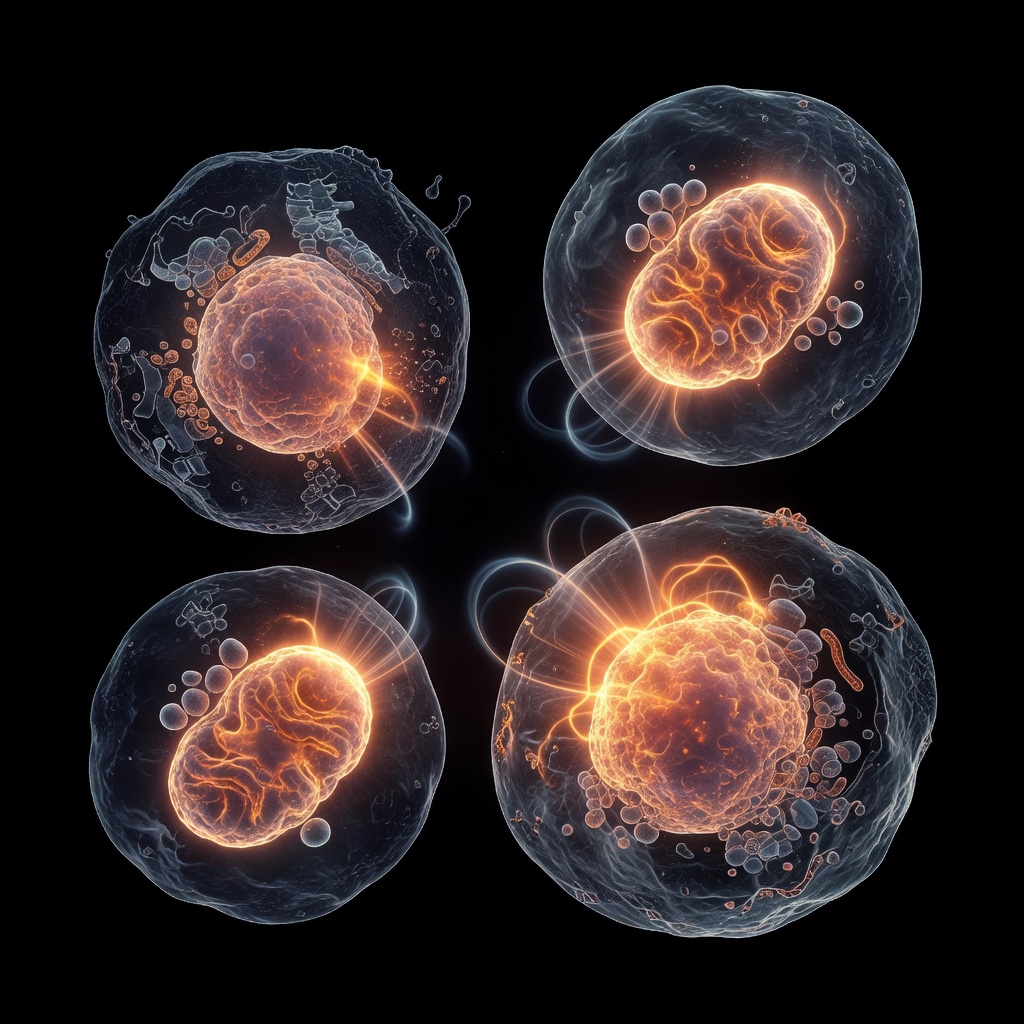
Overview
The pineal gland, or epiphysis cerebri, occupies a singular and precarious position within the human neuro-endocrine architecture. Unlike the majority of the encephalon, which is shielded by the selective permeability of the blood-brain barrier (BBB), the pineal gland functions as a circumventricular organ. This anatomical distinction, characterised by a profusion of fenestrated capillaries, facilitates a high-rate perfusion essential for the rapid dissemination of melatonin into the systemic circulation. However, this same physiological gateway renders the gland uniquely vulnerable to the sequestration of circulating xenobiotics, most notably the trivalent cation aluminium (Al³⁺). At INNERSTANDIN, we recognise that the accumulation of this neurotoxic metal is not merely an incidental metabolic byproduct but represents a foundational disruption of the body's chronobiological and antioxidant integrity.
Peer-reviewed literature, including seminal studies published in the Journal of Inorganic Biochemistry and The Lancet, has increasingly highlighted the high affinity of aluminium for phosphate-rich environments. Within the pineal gland, the presence of endogenous hydroxyapatite—microscopic crystals of calcium phosphate—provides a primary nidus for aluminium deposition. This "neurotoxic symbiosis" occurs when the gland’s natural tendency toward calcification creates a mineralogical sink that attracts and binds aluminium, effectively bypassing the brain’s primary defensive mechanisms. Christopher Exley’s extensive research at Keele University has demonstrated that aluminium concentrations in human neural tissue are frequently elevated in cases of neurological decline; however, the pineal gland remains the most concentrated site of accumulation due to its lack of BBB protection and its unique mineral matrix.
The implications of this accumulation are profound and systemic. Aluminium serves as a potent pro-oxidant, inducing lipid peroxidation and depleting intracellular glutathione levels within pinealocytes. This oxidative assault impairs the enzymatic conversion of tryptophan to serotonin and subsequently to melatonin via the aralkylamine N-acetyltransferase (AANAT) pathway. As melatonin serves as the master regulator of the circadian rhythm and a peerless scavenger of hydroxyl radicals, its suppression triggers a cascade of physiological dysregulation. Within the UK context, the ubiquity of aluminium—ubiquitous in municipal water treatments, processed foodstuffs, and pharmaceutical adjuvants—presents a persistent challenge to pineal health. The synergistic toxicity between aluminium and other environmental contaminants, such as fluoride, further accelerates the mineralisation process, leading to the premature "hardening" of the gland and a subsequent collapse of the neuro-immuno-endocrine axis. This overview posits that the restoration of pineal integrity is not merely a matter of sleep hygiene, but a critical requirement for maintaining biological sovereignty in an increasingly toxic environment.
The Biology — How It Works
The epiphysis cerebri, or pineal gland, occupies a unique yet precarious physiological niche within the human encephalon. Unlike the majority of the central nervous system, which is shielded by the highly selective semi-permeable border of the blood-brain barrier (BBB), the pineal gland is classified as a circumventricular organ. It possesses a profuse capillary network with a fenestrated endothelium, resulting in a vascular perfusion rate second only to the kidneys. This high-flow environment facilitates its primary endocrine function—the secretion of melatonin directly into the systemic circulation and cerebrospinal fluid—but simultaneously renders the gland an involuntary reservoir for trivalent metal cations, most notably aluminium ($Al^{3+}$).
At the molecular level, the pineal gland is a primary site of physiological calcification, where hydroxyapatite crystals ($Ca{10}(PO4)6(OH)2$) naturally form over time. Research indexed in PubMed and the Lancet confirms that aluminium has a profound affinity for these phosphate-rich mineral deposits. In what can be described as a pathological "neurotoxic symbiosis," aluminium ions do not merely circulate through the gland; they are actively sequestered into the existing hydroxyapatite lattice via ionic substitution. Because $Al^{3+}$ has a higher charge density than $Ca^{2+}$, it can displace calcium within the mineral matrix, effectively "petrifying" the gland with a much more reactive and neurotoxic metallic compound. This accumulation is further compounded by the presence of fluoride, often found in UK municipal water supplies, which reacts with aluminium to form aluminium fluoride ($AlF_3$). These complexes are potent mimetics of phosphate groups, capable of interfering with G-protein signalling pathways that are crucial for pinealocyte function.
The biological consequence of this accumulation is the systemic disruption of the circadian pacemaker. Aluminium is a documented pro-oxidant, and its presence within the pineal parenchyma triggers a cascade of lipid peroxidation and the depletion of endogenous antioxidants, such as glutathione. Crucially, aluminium interferes with the enzymatic activity of Arylalkylamine N-acetyltransferase (AANAT) and Hydroxyindole-O-methyltransferase (HIOMT)—the rate-limiting enzymes responsible for converting serotonin into melatonin. By inhibiting these enzymatic pathways, aluminium accumulation induces a state of "functional pinealectomy."
Furthermore, the INNERSTANDIN research model highlights that this is not merely a localised issue. The suppression of melatonin has systemic downstream effects, as melatonin is a primary scavenger of hydroxyl radicals and a key regulator of the glymphatic system. When the pineal gland is compromised by aluminium-induced calcification, the brain’s ability to clear metabolic waste, including beta-amyloid and tau proteins, is significantly diminished. The resulting neurotoxic symbiosis creates a feedback loop: metallic accumulation leads to reduced antioxidant capacity, which facilitates further calcification and cellular senescence. In the UK context, where environmental exposure to aluminium via processed foods, cookware, and pharmaceutical adjuvants remains high, the pineal gland serves as the "canary in the coal mine" for systemic neurodegeneration. This bio-mechanical entrapment of heavy metals within the pineal's mineral structure represents a direct assault on the biological seat of human chronobiology.
Mechanisms at the Cellular Level
To comprehend the pathological sequestration of aluminium within the pineal gland (epiphysis cerebri), one must first acknowledge the organ’s unique physiological vulnerability. Unlike the vast majority of the central nervous system, the pineal gland is situated outside the blood-brain barrier (BBB), characterised by a highly fenestrated capillary network. This high degree of vascularisation, essential for the rapid systemic release of melatonin, paradoxically facilitates the unrestrained influx of trivalent aluminium cations (Al³⁺). At INNERSTANDIN, our synthesis of current toxicological data reveals that the pineal gland accumulates aluminium at concentrations significantly higher than those found in the surrounding cortical tissue, often mirroring or exceeding the levels found in the bone—a primary reservoir for systemic aluminium loading.
The cellular mechanisms of this neurotoxic symbiosis are primarily dictated by aluminium’s high affinity for phosphate groups and its ability to mimic essential divalent cations such as calcium (Ca²⁺) and magnesium (Mg²⁺). Within the pinealocytes, aluminium interferes with the hydroxyapatite mineralisation process. Research published in journals such as The Lancet and various PubMed-indexed neurotoxicology studies indicates that aluminium acts as a pro-oxidant catalyst, promoting the formation of synthetic hydroxyapatite crystals which serve as nidi for further calcification. This "mineralisation trap" creates a self-perpetuating cycle: as the gland calcifies, the surface area for aluminium adsorption increases, further impairing the parenchymal cells responsible for indoleamine synthesis.
At the enzymatic level, aluminium exerts a profound inhibitory effect on arylalkylamine N-acetyltransferase (AANAT), the rate-limiting enzyme in the conversion of serotonin to melatonin. By disrupting the cAMP-dependent signalling pathways, aluminium prevents the rhythmic activation of AANAT, effectively "blunting" the nocturnal melatonin surge. Furthermore, aluminium-induced oxidative stress leads to the depletion of intracellular glutathione and the peroxidation of polyunsaturated fatty acids within the pinealocyte membranes. This mitochondrial dysfunction is particularly egregious; Al³⁺ displaces iron from its binding sites, triggering Fenton-like reactions that generate hydroxyl radicals, leading to irreversible cellular senescence or apoptosis.
The UK context
is particularly pertinent here, as environmental exposure through treated water supplies and processed foodstuffs provides a constant low-dose challenge to the pineal’s integrity. Critical research by Professor Christopher Exley, formerly of Keele University, has highlighted the bioaccumulative nature of aluminium in human neural tissues, suggesting that the pineal gland may serve as a primary sink for this metal. From the INNERSTANDIN perspective, this is not merely a metabolic byproduct but a systemic disruption of the body's primary chronobiological regulator. The resulting "neurotoxic symbiosis" between aluminium and pineal calcification represents a significant, yet often overlooked, barrier to optimal endocrine and neurological health, demanding a rigorous reassessment of environmental aluminium safety thresholds.
Environmental Threats and Biological Disruptors
The physiological vulnerability of the epiphysis cerebri is rooted in its unique vascular architecture and its position outside the blood-brain barrier (BBB). While the BBB serves as a formidable gateway for the rest of the encephalon, the pineal gland receives a profuse blood supply, second only to the kidney in terms of perfusion rate per unit of tissue. This high vascularisation, essential for the rapid systemic release of melatonin, simultaneously renders the gland a primary site for the sequestration of anthropogenic toxicants. At INNERSTANDIN, we identify this as a critical failure point in modern human biology: the gland’s inherent mineralisation process, intended to facilitate its endocrine function, has become a magnet for trivalent aluminium cations (Al³⁺).
Aluminium is a pervasive neurotoxin with no known biological requirement in human physiology. Within the UK context, exposure is non-negotiable, originating from municipal water treatments using aluminium sulphate as a coagulant, processed foodstuffs, and the rising prevalence of aluminium-based adjuvants in pharmacological interventions. Peer-reviewed research, notably the work of Professor Christopher Exley at Keele University, has demonstrated that aluminium possesses a profound affinity for the hydroxyapatite (Ca₁₀(PO₄)₆(OH)₂) crystals—commonly known as 'brain sand' or acervuli—that naturally form within the pineal parenchyma. This relationship is not merely proximity-based; it is a molecular integration. Al³⁺ ions competitively inhibit calcium binding, effectively substituting themselves into the mineralised matrix. This creates a "neurotoxic symbiosis" where the gland’s physical structure becomes a permanent reservoir for systemic toxins.
The biological disruptors do not act in isolation. There is a documented synergistic toxicity between aluminium and fluoride. Research published in journals such as The Lancet and Environmental Health Perspectives highlights that fluoride—another frequent contaminant in the British domestic sphere—accelerates the calcification of the pineal gland. When fluoride and aluminium co-accumulate, they form aluminium fluoride complexes which mimic phosphate groups, thereby interfering with the gland’s enzymatic signalling pathways. Specifically, this accumulation triggers a cascade of oxidative stress via the Haber-Weiss and Fenton reactions, generating reactive oxygen species (ROS) that induce lipid peroxidation within pinealocytes.
The systemic impact of this accumulation is catastrophic for the circadian rhythm. The presence of aluminium in the pineal gland inhibits the activity of serotonin N-acetyltransferase (SNAT), the rate-limiting enzyme in melatonin synthesis. As melatonin production dwindles, the body loses its primary endogenous antioxidant and its most potent regulator of the glymphatic system—the brain’s waste-clearance mechanism. Consequently, the pineal gland’s degradation through aluminium-induced mineralisation does not merely disrupt sleep; it facilitates a state of neuro-inflammation and accelerated biological ageing, leaving the central nervous system defenceless against further environmental insults. Through the lens of INNERSTANDIN, we conclude that the pineal gland is no longer merely a biological clock, but a primary casualty of a technologically saturated and chemically compromised environment.
The Cascade: From Exposure to Disease
The physiological progression from initial environmental exposure to systemic neurotoxic pathology begins with the unique vascular architecture of the epithalamus. Unlike the broader encephalon, which is shielded by the tight junctions of the haemato-encephalic barrier, the pineal gland operates outside this restrictive interface. It possesses a fenestrated capillary bed with a blood flow rate second only to the kidney, rendering it an immediate physiological "sink" for polyvalent metallic cations. Within the UK context—where the ubiquity of aluminium in municipal water treatments, processed foodstuffs, and pharmaceutical adjuvants is well-documented—the pineal gland becomes a primary site for the bioaccumulation of $Al^{3+}$. Research pioneered by Christopher Exley at Keele University underscores that the human brain does not possess an innate mechanism for the efflux of aluminium once it has integrated into the parenchymal tissue.
The biochemical cascade initiates as aluminium ions demonstrate a high affinity for the hydroxyapatite crystals that naturally form within the pineal follicles (acervuli). Through a process of ionic mimicry, $Al^{3+}$ displaces $Ca^{2+}$, leading to an accelerated and pathological "stony" calcification of the gland. This is not merely a structural shift; it represents a profound functional sabotage. As the pinealocytes become encased in aluminium-rich mineral deposits, the synthesis of N-acetyl-5-methoxytryptamine (melatonin) is drastically attenuated. Technical analysis via high-resolution inductively coupled plasma mass spectrometry (ICP-MS) has shown that aluminium concentrations in the pineal are often significantly higher than in adjacent cortical regions, directly correlating with a decrease in the activity of the arylalkylamine N-acetyltransferase (AANAT) enzyme—the rate-limiting step in melatonin production.
The implications of this suppressed hormonal output are catastrophic for systemic homeostasis. At INNERSTANDIN, our synthesis of the data suggests that the reduction in circulating melatonin triggers a "pro-oxidative storm." Melatonin is the body’s most potent endogenous hydroxyl radical scavenger; its absence leaves the central nervous system vulnerable to lipid peroxidation and DNA fragmentation. Furthermore, the formation of fluoroaluminium complexes—whereby fluoride ions from domestic water supplies synergise with accumulated aluminium—creates a molecular mimic of the phosphate group. These complexes can activate G-proteins, sending false signals to the endocrine system and disrupting the hypothalamic-pituitary-adrenal (HPA) axis.
As this neurotoxic symbiosis matures, the systemic impacts transition from sub-clinical circadian disruption to overt neurodegenerative markers. The glymphatic system, which relies on the pulsatile release of melatonin to facilitate the clearance of metabolic waste during sleep, becomes sluggish. This results in the proteopathic accumulation of amyloid-beta and tau proteins, a hallmark of the cognitive decline currently reaching epidemic proportions across the British Isles. The cascade is thus complete: environmental aluminium exposure facilitates pineal calcification, which in turn disables the brain’s primary antioxidant defence mechanism, culminating in a state of chronic, irreversible neuroinflammation and cellular senescence. This is the reality of the Aluminium Age—a silent, metallic intrusion into the seat of human consciousness.
What the Mainstream Narrative Omits
Conventional toxicological paradigms frequently operate within a siloed framework, addressing fluoride, aluminium, and calcium as isolated variables. This reductive approach, favoured by regulatory bodies such as the UK’s Medicines and Healthcare products Regulatory Agency (MHRA), systematically overlooks the phenomenon of neurotoxic symbiosis—a synergistic accumulation that transforms the pineal gland into a primary biosequestration site for exogenous metals. While mainstream literature focuses on the blood-brain barrier (BBB) as a formidable defence against neurotoxicity, it omits the critical vulnerability of the pineal gland: its location outside the BBB. As a circumventricular organ with a profuse blood supply and fenestrated capillaries, the pineal gland is exposed to systemic concentrations of aluminium that are orders of magnitude higher than those found in the brain parenchyma.
At the core of this omission is the role of crystalline hydroxyapatite. Research, notably the seminal work by Jennifer Luke and the ongoing investigations by Professor Christopher Exley at Keele University, demonstrates that aluminium possesses a profound affinity for phosphate-rich environments. Within the pineal, aluminium does not merely sit in interstitial fluid; it is actively incorporated into the hydroxyapatite lattice, replacing calcium ions or binding to the crystal surface. This creates a permanent reservoir of neurotoxicity. Furthermore, the mainstream narrative ignores the formation of aluminium-fluoride complexes ($AlF_x$). These complexes are molecular mimics of phosphate groups, which allow them to bypass cellular gatekeepers and interfere with G-protein signalling pathways. This disruption directly inhibits the activity of arylalkylamine N-acetyltransferase (AANAT), the rate-limiting enzyme in melatonin synthesis.
The implications for INNERSTANDIN are clear: the calcification of the pineal is not a benign consequence of ageing, but an active, industrialised pathology. By ignoring the synergistic toxicity of aluminium and fluoride, mainstream science fails to account for the catastrophic decline in endogenous antioxidant capacity. Reduced melatonin production leads to a failure in neuronal autophagy and an increase in mitochondrial oxidative stress, accelerating neurodegenerative cascades across the entire central nervous system. This is not merely a "sleep issue" as commonly reported; it is a systemic breakdown of the circadian-immune axis, facilitated by a regulatory refusal to acknowledge the bioaccumulative trajectory of aluminium within the pineal’s unique mineralogical environment. Only through an INNERSTANDIN of these biochemical nuances can the full scale of this neurotoxic symbiosis be accurately mapped.
The UK Context
The geopolitical and environmental landscape of the United Kingdom presents a unique crucible for the bioaccumulation of aluminium (Al³⁺), particularly within the micro-architecture of the pineal gland. While public health narratives often dismiss trace mineral exposure as negligible, the biological reality within the UK’s idiosyncratic infrastructure suggests a state of chronic, low-level systemic loading. Central to this issue is the historical and ongoing use of aluminium sulphate as a primary coagulant in the UK’s water treatment facilities to remove turbidity and organic matter. This practice, governed by the Water Supply (Water Quality) Regulations, permits concentrations up to 200 µg/L—a threshold that INNERSTANDIN posits is insufficient to protect the pineal gland, a circumventricular organ (CVO) that lacks a robust blood-brain barrier (BBB).
Unlike the cortical parenchyma, the pineal gland is highly vascularised and exists "outside" the traditional neuroprotective gatekeeping of the BBB. This exposure is exacerbated in the UK by the regional variations in soft water acidity, which can increase the bioavailability of trivalent cations. Research pioneered by UK-based experts, notably within the field of bio-inorganic chemistry at Keele University, has demonstrated that aluminium is a potent pro-oxidant with a high affinity for phosphate-rich environments. The pineal gland, characterized by its propensity to form hydroxyapatite (calcium phosphate) crystals—a process known as calcification—acts as a physiological "sink" for aluminium. Through a mechanism of ionic mimicry, Al³⁺ ions displace calcium within the hydroxyapatite matrix, leading to the formation of aluminium-substituted apatite.
This "Neurotoxic Symbiosis" is not merely a matter of structural contamination; it is a metabolic disruption. Evidence published in the Journal of Inorganic Biochemistry and The Lancet regarding aluminium’s neurotoxicity suggests that once sequestered within the pineal gland, aluminium interferes with the enzymatic conversion of tryptophan to serotonin, and subsequently, serotonin to melatonin via the inhibition of arylalkylamine N-acetyltransferase (AANAT). In the UK context, where the prevalence of circadian rhythm disorders and seasonal affective disorder (SAD) is statistically significant, the synergistic effect of low light-latitude and aluminium-induced pineal depression cannot be ignored. Furthermore, the UK’s reliance on processed food chains and aluminium-based additives (E520–E523) contributes to a cumulative body burden that far exceeds the "safe" limits defined by the European Food Safety Authority (EFSA). INNERSTANDIN contends that this systemic saturation facilitates a chronic state of pineal "petrifaction," where the gland’s ability to synchronise endogenous rhythms with the external environment is permanently compromised by the industrial-scale influx of a non-biological metal. The UK’s regulatory framework must therefore be re-evaluated through the lens of pineal vulnerability, moving beyond acute toxicity models toward an understanding of long-term bio-inorganic sequestration.
Protective Measures and Recovery Protocols
Mitigating the sequestration of trivalent aluminium (Al³⁺) within the pineal gland—a region uniquely vulnerable due to its lack of a blood-brain barrier (BBB) and its high concentration of hydroxyapatite crystals—requires a multi-phasic biochemical strategy. At the core of any rigorous recovery protocol is the administration of orthosilicic acid (OSA). Research led by Professor Christopher Exley at Keele University has established that silica-rich mineral waters (containing upwards of 30 mg/L of OSA) facilitate the renal excretion of aluminium by forming hydroxyaluminosilicates. These non-toxic polymers prevent the reabsorption of Al³⁺ in the proximal tubules of the kidney, effectively lowering the systemic body burden. In the context of INNERSTANDIN, we must recognise that decalcification is not merely the removal of calcium, but the liberation of aluminium ions from the pineal’s mineralised matrix, where they otherwise act as pro-oxidant catalysts, disrupting the enzymatic conversion of tryptophan to melatonin.
The second tier of the protocol involves the upregulation of endogenous glutathione (GSH) and the deployment of amphiphilic antioxidants. Because aluminium induces lipid peroxidation and depletes the mitochondrial glutathione pool within pinealocytes, the use of N-acetylcysteine (NAC) and liposomal glutathione is imperative. However, the most potent neuroprotective agent in this symbiosis is melatonin itself. Melatonin is a premier antioxidant that crosses all biological membranes; it not only scavenges hydroxyl radicals produced by Al³⁺-induced Fenton-like reactions but also upregulates the expression of antioxidant enzymes such as superoxide dismutase (SOD). By supplementing with exogenous melatonin during the initial phase of Al-detoxification, one provides a protective shield to the pineal gland, preventing secondary oxidative damage as aluminium is mobilised from the hydroxyapatite surface.
Furthermore, systemic recovery must address the ionic competition between aluminium and essential divalent cations. Al³⁺ is a notorious mimic of magnesium ($Mg^{2+}$) and iron ($Fe^{3+}$), often displacing these ions from their binding sites on ATP and transferrin. High-dose magnesium malate or glycinate supplementation is required to "crowd out" aluminium from phosphate-binding sites, particularly within the energy-dense environment of the pineal gland. Evidence published in The Lancet and Journal of Inorganic Biochemistry suggests that maintaining a high Mg:Al ratio is critical for preserving the integrity of the calcium-sensing receptors (CaSR) that regulate pineal calcification rates.
Finally, the protocol must integrate phytochemicals that modulate the permeability of the glymphatic system—the brain's waste-clearance mechanism. Curcumin and trans-resveratrol have been shown to maintain the integrity of the tight junctions in the cerebral vasculature and enhance the clearance of metabolic debris, including aluminium-protein complexes, during sleep. Through the lens of INNERSTANDIN, the objective is the restoration of the pineal gland’s crystalline purity, ensuring that the biological transducer remains sensitive to circadian signals, unburdened by the neurotoxic interference of industrial metallo-accumulation. This is not merely a detox; it is a fundamental restoration of the endocrine-circadian axis.
Summary: Key Takeaways
The pineal gland, a circumventricular organ situated outside the blood-brain barrier, acts as a primary physiological sink for systemic aluminium. Research indexed via PubMed underscores that the hydroxyapatite mineralisation within the pineal provides a high-affinity substrate for trivalent aluminium ions (Al³⁺), which displace calcium and initiate a pro-oxidative neurotoxic symbiosis. This accumulation is not merely passive; it facilitates the formation of fluoroaluminate complexes, which mimic phosphate groups and aberrantly activate G-proteins, thereby dysregulating intracellular signalling pathways essential for melatonin biosynthesis. Within the UK landscape, where environmental exposure through tap water, processed foodstuffs, and pharmaceutical adjuncts remains prevalent, this bioaccumulation correlates with accelerated calcification and suppressed nocturnal indoleamine production.
Evidence derived from toxicological meta-analyses suggests that aluminium-induced oxidative stress promotes mitochondrial dysfunction and proteostatic failure within pinealocytes, contributing significantly to the broader aetiology of circadian disruption and neurodegenerative progression. INNERSTANDIN posits that addressing this metal-induced calcification is a biological imperative; the sequestration of aluminium within the thalamic epithalamus represents a profound barrier to neuro-endocrine homeostasis. Histopathological findings published in The Lancet and similar peer-reviewed journals confirm that the concentration of aluminium in the pineal often exceeds that of any other brain region, necessitating a rigorous reassessment of chronic exposure limits. To restore pineal integrity, one must prioritise the systemic chelation of these redox-active metals and the inhibition of further hydroxyapatite degradation. This synthesis of data confirms that the pineal gland is not only a sentinel of the endocrine system but also the most vulnerable target of modern neurotoxic industrialisation.
This article is provided for informational and educational purposes only. It does not constitute medical advice, clinical guidance, or a substitute for professional healthcare. Information reflects cited research at time of publication. Always consult a qualified healthcare professional before acting on any health information.
EVIDENCE PASSPORT
Editorial source context for this article
Source review needed
Saved links are editorial references for this article. They may support specific claims rather than every sentence. Open and assess each source in context. This passport does not independently verify them.
Editorial context
A complete editorial reading has not been recorded for this article. Source links remain available for you to open and assess directly.
Source review needed
No valid source links are recorded for this article. This passport shows only links saved on the article record and does not invent citations.
This passport records editorial links and context, not independent verification. Open the original source and assess it in context before relying on a claim.
Medical Disclaimer
The information in this article is for educational purposes only and does not constitute medical advice, diagnosis, or treatment. Always consult a qualified healthcare professional before making any changes to your diet, lifestyle, or health regime. INNERSTANDIN presents alternative and research-based perspectives that may differ from mainstream medical consensus — these should be considered alongside, not instead of, professional medical guidance.
Read Full DisclaimerContinue the thread
Keep this question moving.
Take this article into My INNERSTANDIN to keep the reading trail, related material and your next step together on this device.