
Occupational Photobiology: Mitigating the Health Risks of Artificial Indoor Environments
Updated April 2026
Evidence orientation
Editorial context not yet recorded
Follow this category
This stays in this browser. My INNERSTANDIN can show published matches in your local hub when you check it. It does not send email, push, or alert notifications.
Local learning review
A private browser aid for revisiting ideas. It is not an alert or a health recommendation.
Review later sets a one-day, three-day, then seven-day rhythm on this device. Choose it only when you want to revisit this article.
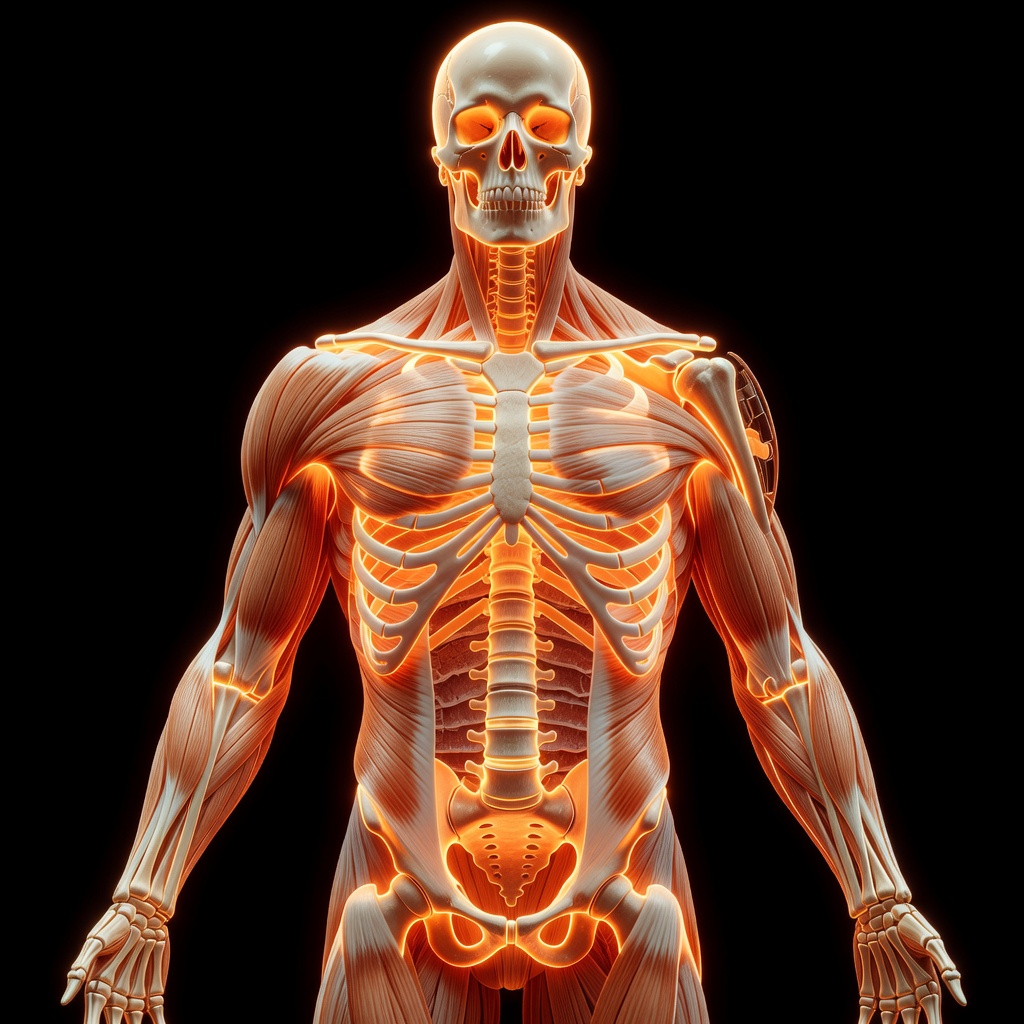
Overview: The Silent Crisis of the Indoor Generation
For the vast majority of human history, our biological systems were forged in the crucible of the natural world. Our ancestors lived, laboured, and rested in accordance with the solar cycle, bathed in a full spectrum of electromagnetic radiation ranging from ultraviolet to near-infrared. Today, however, we have undergone a radical and historically unprecedented transition. We have become an "indoor generation."
In the United Kingdom, it is estimated that office workers spend upwards of 90% of their lives within artificial enclosures. While we have mastered the architectural control of temperature and shelter, we have fundamentally failed to respect our photobiological requirements. The artificial light environments of modern offices, hospitals, and schools are not merely "different" from sunlight; they are biologically impoverished.
Occupational Photobiology is the study of how these artificial light environments interact with our cellular and systemic health. This article aims to unveil the hidden reality of light as a bioactive nutrient and expose how current lighting standards—designed for visual efficiency and energy conservation—are inadvertently contributing to a silent epidemic of metabolic dysfunction, sleep disorders, and chronic inflammation.
Biological Mechanisms: Light as a Systemic Regulator
To understand the risks of indoor environments, one must first accept that the eye is not merely an organ for vision. It is a sophisticated gateway for biological signalling.
The Non-Visual Pathway and Circadian Entrainment
In the early 2000s, researchers identified a third type of photoreceptor in the human retina: intrinsically photosensitive Retinal Ganglion Cells (ipRGCs). Unlike rods and cones, which allow us to see shapes and colours, ipRGCs contain a pigment called melanopsin. This pigment is most sensitive to short-wavelength blue light (around 480nm).
When blue light hits these cells, they send signals directly to the Suprachiasmatic Nucleus (SCN), the body’s "master clock." This governs the release of:
- Cortisol: The alertness hormone, ideally peaked in the morning.
- Melatonin: The "vampire hormone" required for deep sleep and antioxidant repair, suppressed by light.
"Light is the primary 'zeitgeber' or time-giver for the human body. When we provide the brain with the wrong spectral information at the wrong time, we induce a state of 'circadian mismatch,' which is linked to everything from obesity to neurodegenerative disease."
Mitochondrial Health and the Infrared Deficit
Perhaps the most "truth-exposing" aspect of photobiology is the role of Near-Infrared (NIR) light. Sunlight is composed of over 50% infrared. Modern LED (Light Emitting Diode) lighting, however, is almost entirely devoid of these wavelengths to maximise "luminous efficacy."
Research indicates that NIR light penetrates deep into our tissues and is absorbed by Cytochrome C Oxidase, a key enzyme in the mitochondria. This process stimulates the production of Adenosine Triphosphate (ATP)—the energy currency of the cell—and reduces oxidative stress. By working under LEDs that lack NIR, we are effectively starving our mitochondria of the corrective, regenerative wavelengths that naturally balance the high-energy stress of blue light.
The UK Context & Relevance: A High-Latitude Hazard
The United Kingdom presents a unique challenge for occupational photobiology. Due to our high-latitude geography, our natural light exposure is significantly limited during the winter months.
The "Winter Blues" and Office Culture
In the UK, Seasonal Affective Disorder (SAD) affects approximately 3 in every 100 people, with many more suffering from "sub-syndromal SAD." When employees commute in the dark, work in windowless or poorly lit offices, and return home in the dark, they experience "Biological Darkness."
The British Health and Safety Executive (HSE) provides guidelines on "Lighting at Work" (HSG38), but these focus almost exclusively on preventing accidents and ensuring enough light is present to read documents. There is currently no regulatory framework in the UK that accounts for the melanopic lux—the intensity of light required to maintain a healthy circadian rhythm.
The Energy Efficiency Trap
Under the drive for "Net Zero," many UK businesses have rapidly swapped older incandescent or halogen bulbs for "Cool White" LEDs. While this reduces carbon footprints, the spectral quality of these cheap LEDs is often aggressive, featuring a massive "Blue Spike" and zero infrared output. We have sacrificed biological wellbeing on the altar of electrical efficiency.
Environmental Factors: The Invisible Stressors of the Office
When we examine the indoor environment through the lens of photobiology, several "hidden" risk factors emerge that go unnoticed by the average worker.
1. Temporal Light Modulation (Flicker)
Many office LEDs and fluorescent tubes exhibit flicker. While this may be invisible to the naked eye, the brain still processes these rapid fluctuations in light intensity. Studies have shown that invisible flicker can trigger:
- Eyestrain and migraines.
- Reduced cognitive performance.
- Increased levels of irritability and stress.
2. Spectral Deficiency and "Junk Light"
Standard office lighting is often "monochromatic" in its nature, lacking the rich, continuous spectrum of the sun. This "junk light" forces the eye to work harder to resolve contrast and colour. More importantly, the lack of Red and Near-Infrared means there is no "biological buffer" to protect the retina from the potential oxidative damage caused by high-energy blue light (the "Blue Light Hazard").
3. The Glare and Screen Symbiosis
Occupational environments are now dominated by backlit displays. When high-intensity screens are used in dimly lit or poorly balanced rooms, the contrast ratio creates significant ocular strain. Furthermore, the constant focus on a near-field light source (screens) combined with a lack of bright, ambient sky-blue light leads to "Circadian Drift," where the body's internal clock begins to lag, causing insomnia and "social jetlag."
Protective Strategies: Reclaiming Your Biological Sovereignty
While we may be stuck in office environments, we are not powerless. Mitigating the risks of occupational photobiology requires a two-pronged approach: environmental modification and personal habits.
For the Individual: Behavioural Interventions
- The Morning Light Anchor: Seek 10–20 minutes of direct outdoor light before 10:00 AM. This "sets" your SCN and makes you more resilient to artificial light later in the day. Even a cloudy day in London provides significantly more lux than a bright office.
- The "Solar Break": Treat light like a nutrient. Take your lunch break outside. Removing the barrier of window glass is essential, as glass filters out most beneficial UV and some infrared wavelengths.
- Blue-Blocking Eyewear: If you work late hours or in an environment with high-CRI cool LEDs, consider high-quality blue-light-blocking glasses that filter the 450-480nm range.
For the Organisation: Environmental Optimisation
- Circadian Lighting Systems: Implement "tunable" lighting that transitions from cool, bright light in the morning (to stimulate cortisol) to warm, dim, amber light in the late afternoon (to allow melatonin onset).
- Near-Infrared Supplementation: Forward-thinking offices are beginning to experiment with Red Light Therapy or NIR panels in break rooms to compensate for the spectral deficiencies of standard LEDs.
- Low-Flicker Drivers: Ensure that all LED installations use "flicker-free" DC drivers to reduce the neurological load on employees.
Technological Tools
- Software Solutions: Use applications like f.lux or "Night Shift" on all work computers to automatically shift the colour temperature of screens as the day progresses.
- Light Metering: Use "Spectrometer" apps or dedicated devices to measure the Color Rendering Index (CRI) of your workspace. Aim for a CRI of 90+ to ensure a more balanced spectrum.
Key Takeaways: The Path to Innerstanding
To achieve true INNERSTANDING of our health, we must recognise that we are light-driven organisms. The artificial indoor environment is a radical departure from our evolutionary requirements, but by applying the principles of photobiology, we can bridge the gap.
- Light is Bioactive: Every photon that enters the eye or hits the skin is a set of instructions for the body’s metabolic and hormonal systems.
- Quality Over Quantity: It is not just about "how much" light we have, but the spectral composition (the balance of blue, green, red, and infrared).
- The Infrared Gap: Modern LEDs are efficient but biologically "cold." We must find ways to reintroduce the healing wavelengths of the red spectrum into our lives.
- Circadian Rhythm is Non-Negotiable: Disrupting the sleep-wake cycle through poor lighting is a foundational cause of modern chronic disease.
- Demand Better Standards: As we move forward, UK health and safety regulations must evolve beyond "visibility" to include "biological safety" as a core pillar of occupational health.
By prioritising our photobiological needs, we do more than just improve productivity; we protect the fundamental cellular integrity that allows us to thrive in a modern world. The "truth" of our environment is hidden in plain sight—it is time we saw the light for what it truly is.
This article is provided for informational and educational purposes only. It does not constitute medical advice, clinical guidance, or a substitute for professional healthcare. Information reflects cited research at time of publication. Always consult a qualified healthcare professional before acting on any health information.
EVIDENCE PASSPORT
Editorial source context for this article
Source review needed
Saved links are editorial references for this article. They may support specific claims rather than every sentence. Open and assess each source in context. This passport does not independently verify them.
Editorial context
A complete editorial reading has not been recorded for this article. Source links remain available for you to open and assess directly.
Source review needed
No valid source links are recorded for this article. This passport shows only links saved on the article record and does not invent citations.
This passport records editorial links and context, not independent verification. Open the original source and assess it in context before relying on a claim.
Medical Disclaimer
The information in this article is for educational purposes only and does not constitute medical advice, diagnosis, or treatment. Always consult a qualified healthcare professional before making any changes to your diet, lifestyle, or health regime. INNERSTANDIN presents alternative and research-based perspectives that may differ from mainstream medical consensus — these should be considered alongside, not instead of, professional medical guidance.
Read Full DisclaimerContinue the thread
Keep this question moving.
Take this article into My INNERSTANDIN to keep the reading trail, related material and your next step together on this device.