
Oestrogen Dominance and Female Hair Loss: Rebalancing Hormones for Growth
When oestrogen levels outweigh progesterone, the resulting hormonal imbalance can mimic androgenetic alopecia in women. This article discusses biological strategies to restore hormonal harmony.
# Oestrogen Dominance and Female Hair Loss: Rebalancing Hormones for Growth
Overview
In the modern clinical landscape, female hair loss is often dismissed as an inevitable consequence of ageing or a genetic misfortune. Conventional dermatology frequently categorises thinning hair under the broad umbrella of 'Androgenetic Alopecia' (AGA), prescribing topical stimulants or suggesting that patients 'simply learn to live with it'. However, at INNERSTANDING, our biological research reveals a far more complex and insidious driver of follicular miniaturisation: Oestrogen Dominance.
Oestrogen dominance is not necessarily a state of having 'too much' oestrogen in absolute terms, but rather a pathological state where oestrogen outweighs its essential counter-regulatory hormone, progesterone. In the delicate ecosystem of the female endocrine system, these two hormones exist in a rhythmic dance. When this rhythm is broken—due to environmental toxins, chronic stress, or metabolic dysfunction—the hair follicle is often the first casualty.
This article serves as a comprehensive deconstruction of the biological mechanisms by which oestrogen dominance triggers hair shedding and thinning. We will move beyond the superficial symptoms to explore how hormonal disharmony alters cellular signalling within the dermal papilla, and more importantly, how you can reclaim your hormonal sovereignty and restore your crowning glory through targeted biological interventions.
Fact 1: According to the British Association of Dermatologists, approximately 50% of women over the age of 65 experience systemic hair thinning, yet emerging data suggests that hormonal imbalances related to oestrogen dominance are now appearing in women as young as their early 20s across the UK.
---
The Biology — How It Works
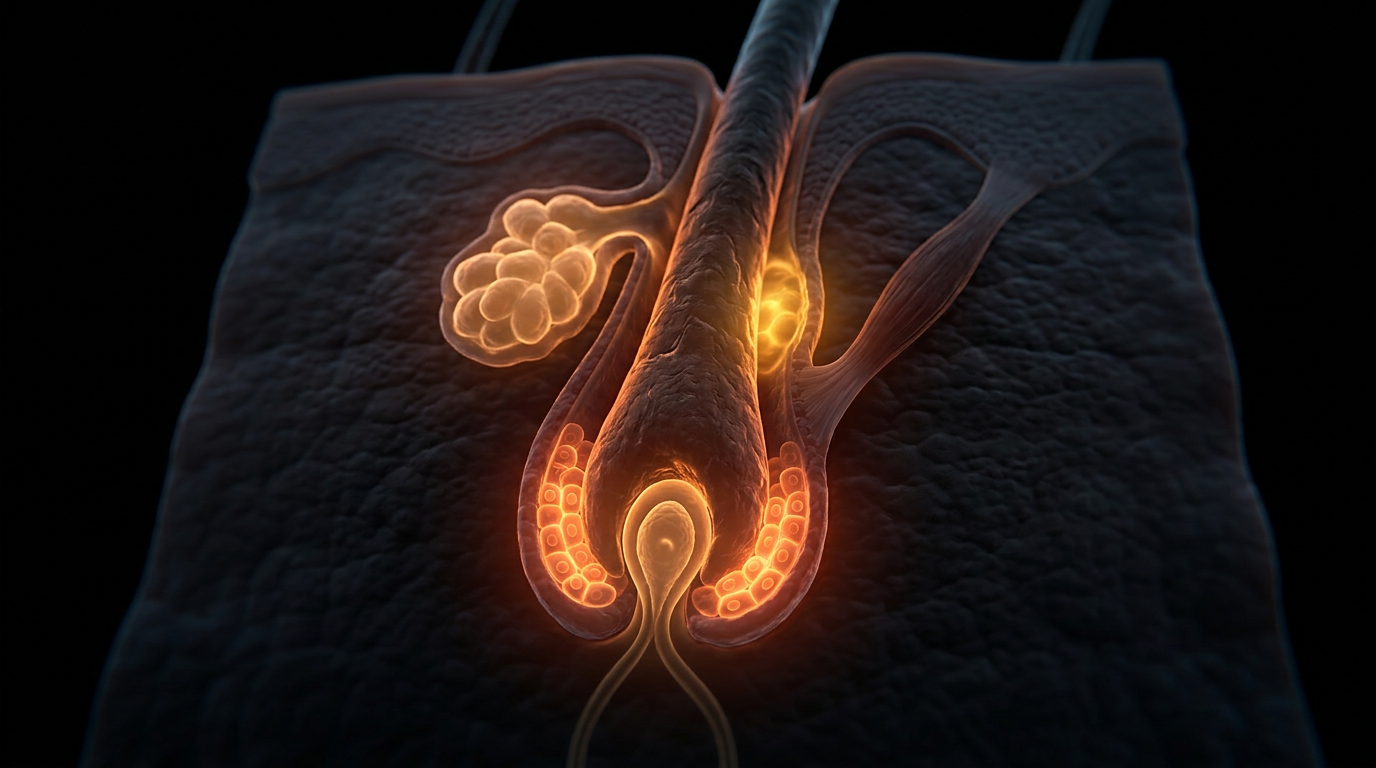
To understand hair loss, one must first understand the hair follicle as a mini-organ. It is one of the most metabolically active tissues in the human body, possessing its own unique hormonal receptors and enzyme systems. The follicle operates in cycles: Anagen (growth), Catagen (transition), and Telogen (resting).
The Oestrogen-Progesterone Axis
Oestrogen, specifically oestradiol (E2), is generally considered "hair-friendly" because it prolongs the anagen phase. This is why many women experience lush, thick hair during pregnancy when oestrogen levels are sky-high. However, the biological "magic" of oestrogen is entirely dependent on its relationship with progesterone.
Progesterone acts as a natural 5-alpha reductase inhibitor. 5-alpha reductase is the enzyme responsible for converting testosterone into Dihydrotestosterone (DHT), the primary hormone implicated in follicle miniaturisation. When progesterone levels drop—a condition known as a "luteal phase deficiency" or during the perimenopausal transition—the body loses its natural shield against androgens.
The Paradox of Oestrogen Dominance
When oestrogen becomes dominant, it can paradoxically mimic the effects of high testosterone. This happens through several pathways:
- —SHBG Suppression: Oestrogen dominance can fluctuate the levels of Sex Hormone Binding Globulin (SHBG). While high oestrogen usually increases SHBG, the metabolic dysfunction often accompanying oestrogen dominance (such as insulin resistance) crashes SHBG levels. This leaves more "free" testosterone available to be converted into DHT.
- —Inflammatory Signalling: Excess oestrogen is pro-inflammatory. Chronic low-grade inflammation in the scalp creates a "fibrotic" environment, where the follicle is essentially choked out by collagen deposits and poor blood flow.
---
Mechanisms at the Cellular Level
At the microscopic level, the health of the hair is determined by the Dermal Papilla Cells (DPCs). These cells are the "command centre" of the follicle.
The Aromatase Connection
The scalp is a site of active hormone metabolism. It contains the enzyme aromatase, which converts androgens (like testosterone) into oestrogens. In a healthy state, aromatase activity in the female scalp is significantly higher than in the male scalp, providing a protective oestrogenic buffer.
However, in a state of oestrogen dominance, the body’s feedback loops become distorted. If the liver is unable to methylate and excrete "spent" oestrogens, these metabolites (specifically 4-hydroxyoestrone and 16-hydroxyoestrone) can become proliferative and toxic. These metabolites do not support the hair cycle; instead, they trigger oxidative stress within the mitochondria of the DPCs.
Mitochondrial Dysfunction
The hair follicle requires immense amounts of Adenosine Triphosphate (ATP) to maintain the anagen phase. Oestrogen dominance is frequently linked to hypothyroidism (as oestrogen blocks the conversion of T4 to T3). Since thyroid hormone is the master regulator of mitochondrial energy production, a lack of T3 results in "energy failure" at the follicular level. The hair simply lacks the fuel to stay in the growth phase, leading to premature entry into the telogen (shedding) phase.
Prostaglandin Balance
Emerging research indicates that oestrogen dominance shifts the balance of prostaglandins in the scalp. Specifically, it may increase levels of Prostaglandin D2 (PGD2), which is known to inhibit hair growth, while suppressing Prostaglandin E2 (PGE2), which promotes it. This biochemical shift turns the scalp into "hostile soil" for hair follicles.
Fact 2: Public Health England data suggests that 1 in 4 UK women experience some form of thyroid dysfunction during their lifetime—a condition inextricably linked to oestrogen dominance and a leading biological cause of diffuse hair thinning (Telogen Effluvium).
---
Environmental Threats and Biological Disruptors
We do not live in a vacuum. The UK environment is currently saturated with substances that mimic oestrogen, known as Xenoestrogens. These are not identical to the oestrogen your body produces, but they are close enough to "park" in your oestrogen receptors, delivering a much stronger and more chaotic signal.
The Plastic Problem
Bisphenol A (BPA) and Phthalates, found in everything from UK supermarket food packaging to standard British tap water, are potent endocrine disruptors. These chemicals interfere with the way oestrogen is processed, leading to a "functional" oestrogen dominance even if a blood test shows your levels are "normal".
Cosmetic Toxicity
Ironically, the very products marketed to women for "beauty" often contain parabens and synthetic fragrances that disrupt the endocrine system. These chemicals are absorbed through the skin, bypass the first-pass metabolism of the liver, and directly contribute to the hormonal load that causes hair thinning.
The Glyphosate Factor
In the UK, glyphosate (the active ingredient in many herbicides) is widely used in industrial agriculture. Glyphosate has been shown to disrupt the gut microbiome—specifically the estrobolome. The estrobolome is a collection of bacteria in the gut responsible for metabolising and excreting oestrogen. When the gut is compromised, oestrogen that should have been excreted is reabsorbed into the bloodstream, compounding the dominance.
---
The Cascade: From Exposure to Disease
The journey from hormonal imbalance to visible hair loss is a biological cascade that often takes months or even years to manifest.
Phase 1: The Luteal Crash
It often begins with a period of high stress (elevated cortisol). In the biological "priority list," the body prioritises cortisol (survival) over progesterone (reproduction). This is known as the "Pregnenolone Steal." As progesterone levels plummet, oestrogen becomes unopposed.
Phase 2: Systemic Inflammation
The unopposed oestrogen triggers the release of histamine and pro-inflammatory cytokines (such as IL-6 and TNF-alpha). This systemic inflammation reaches the scalp, where it begins to sensitise the hair follicles to even normal levels of circulating androgens.
Phase 3: The Miniaturisation
Under the influence of chronic inflammation and the loss of progesterone’s "anti-androgen" protection, the hair follicle begins to shrink. Each successive growth cycle produces a hair that is thinner, shorter, and less pigmented. Eventually, the follicle becomes so small that the hair does not even break the surface of the skin. This is what is incorrectly diagnosed as "female pattern baldness" without addressing the underlying hormonal driver.
Fact 3: A study of UK water quality indicated that residues of the ethinyl oestradiol (from the contraceptive pill) are present in many recycled water systems, potentially contributing to a 'baseline' of environmental oestrogen exposure that affects both men and women.
---
What the Mainstream Narrative Omits
The current medical model in the UK is designed for acute care, not the subtle nuances of endocrine optimisation. If you visit a GP regarding hair loss, the standard procedure is a basic blood test checking for iron (ferritin) and perhaps Thyroid Stimulating Hormone (TSH).
The "Normal Range" Trap
If your results fall within the "normal" laboratory range, you are often told nothing is wrong. However, these ranges are based on a population average that includes many unhealthy individuals. Furthermore, standard tests rarely look at the ratio of progesterone to oestrogen. A woman can have "normal" oestrogen and "normal" progesterone according to the lab, but if the ratio is skewed, she will still experience the symptoms of oestrogen dominance.
The Minoxidil Band-Aid
Mainstream dermatology relies heavily on Minoxidil (Regaine). While Minoxidil is a vasodilator that can temporarily increase blood flow to the follicle, it does nothing to address the hormonal environment. It is like trying to water a plant that is sitting in toxic soil; you might get a temporary sprout, but the plant will never thrive until the soil is remediated.
The Pill Myth
For decades, UK doctors have prescribed the combined oral contraceptive pill to "regulate" hormones. This is a biological fallacy. The pill does not regulate hormones; it shuts them down and replaces them with synthetic versions (progestins). Many of these synthetic progestins are actually highly androgenic (derived from testosterone), which can drastically accelerate hair loss in sensitive women.
---
The UK Context
The UK presents a unique set of challenges for women’s hormonal health. Our modern lifestyle is a "perfect storm" for oestrogen dominance.
The Diet and the 'Estrobolome'
The standard British diet, high in ultra-processed foods (UPFs) and low in bitter, cruciferous vegetables, fails to provide the nutrients required for oestrogen detoxification. We need specific compounds like Indole-3-Carbinol (I3C) and Sulforaphane to help the liver convert oestrogen into its "safe" (2-OH) metabolites.
Alcohol Consumption
The UK has a high rate of regular alcohol consumption among women. Alcohol is a direct burden on the liver and has been shown to acutely increase oestrogen levels by interfering with the liver’s ability to clear it. A few glasses of wine a week may be enough to tip the scales toward oestrogen dominance in a woman already predisposed to hormonal imbalance.
Lack of Sunlight (Vitamin D)
In the UK, we are chronically deficient in Vitamin D for most of the year. Vitamin D is not just a vitamin; it is a pro-hormone that plays a critical role in modulating the immune system and the hair cycle. Low Vitamin D levels are consistently correlated with increased hair shedding and appear to worsen the inflammatory effects of oestrogen dominance.
Fact 4: Recent surveys indicate that over 60% of UK adults have Vitamin D levels below the recommended 'optimal' range during winter months, a deficiency that significantly impairs the hair follicle's ability to remain in the anagen phase.
---
Protective Measures and Recovery Protocols
Restoring your hair requires a multi-pronged biological strategy. We must reduce the oestrogen load, support the liver, and protect the follicle from the inside out.
1. Metabolic Detoxification
The liver is your primary tool for fighting oestrogen dominance. You must support both Phase I and Phase II detoxification pathways.
- —Calcium D-Glucarate: This supplement prevents the "bad" bacteria in your gut from un-coupling oestrogen that the liver has already processed, ensuring it is actually excreted.
- —DIM (Diindolylmethane): Found in broccoli and kale, DIM helps the body shift its metabolism toward the protective 2-OH oestrogen pathway and away from the inflammatory 16-OH pathway.
2. Progesterone Support
Instead of synthetic hormones, we look to support the body's own production.
- —Vitex Agnus-Castus (Chasteberry): A traditional herbal remedy that can help stimulate the pituitary gland to produce more Luteinising Hormone (LH), which in turn boosts progesterone production.
- —Magnesium and B6: These are the building blocks of progesterone. UK soils are notoriously depleted in magnesium, making supplementation almost mandatory for hormonal health.
3. Scalp Environment Optimisation
To stop the miniaturisation process, we must tackle the local scalp environment.
- —Rosemary Oil: In clinical studies, rosemary oil has shown efficacy comparable to 2% Minoxidil but without the side effects, likely due to its anti-inflammatory and anti-androgenic properties.
- —Red Light Therapy (LLLT): Using specific wavelengths (650nm) can stimulate mitochondrial ATP production in the hair follicle, counteracting the "energy failure" caused by hormonal imbalances.
4. The INNERSTANDING Diet
- —Eliminate Xenoestrogens: Switch to glass storage containers, use "green" cleaning products, and filter your UK tap water using a high-quality filter (Berkey or reverse osmosis) to remove hormone residues.
- —Increase Fibre: Fibre binds to oestrogen in the digestive tract and carries it out of the body. Aim for 35g+ per day.
- —Cruciferous Dominance: Aim for two portions of broccoli, cauliflower, Brussels sprouts, or cabbage daily.
Fact 5: According to British Nutritional Foundation guidelines, the average fibre intake in the UK is only 18g per day—barely half of the amount required to efficiently clear oestrogen metabolites from the digestive system.
---
Summary: Key Takeaways
Hair loss in women is a biological distress signal, not a cosmetic failing. When oestrogen dominates the landscape, the hair follicle is caught in a crossfire of inflammation, energy depletion, and androgen sensitivity.
"To rebalance and regrow, we must move beyond the "Hair Loss" label and look at the "Hormonal" reality:"
- —Oestrogen Dominance is a ratio issue, often caused by low progesterone rather than just high oestrogen.
- —The Environment in the UK—from water to plastics—is heavily "oestrogenic" and must be actively countered.
- —The Liver and Gut are the gatekeepers of your hair; if they cannot process oestrogen, your hair follicles will pay the price.
- —Mainstream Solutions often mask the problem; true recovery requires restoring the thyroid-adrenal-ovarian axis.
- —Action is Possible. Through targeted nutrition, liver support, and lifestyle changes, the biological cascade of hair loss can be halted and, in many cases, reversed.
At INNERSTANDING, we believe that knowledge of your own biology is the most powerful tool you possess. You are not at the mercy of your genes; you are the architect of your hormonal environment. By addressing oestrogen dominance, you are not just saving your hair—you are restoring the fundamental balance of your entire body.
*
Extended Biological Analysis: The Molecular Crossroads (Deep Dive)
For those seeking to understand the granular detail, we must examine the Aryl Hydrocarbon Receptor (AhR). This receptor is a key player in how environmental toxins (like those found in UK industrial areas) trigger hair loss. When xenoestrogens bind to the AhR, they induce the expression of enzymes like CYP1A1 and CYP1B1. These enzymes are responsible for the "breakdown" of oestrogen.
In a healthy system, we want the pathway to lead to 2-hydroxyoestrone, which is non-proliferative and even protective. However, toxins often push the metabolism toward 4-hydroxyoestrone. This specific metabolite is "genotoxic"—it can damage the DNA within the hair follicle cells. This DNA damage triggers a "p53-mediated" cell death (apoptosis) in the hair bulb. This is why some women experience sudden, "patchy" thinning that seems unresponsive to typical treatments; the damage is occurring at a genetic, oxidative level.
Furthermore, we must address the Insulin-Oestrogen Loop. In the UK, the prevalence of metabolic syndrome is rising. High insulin levels (from a high-sugar or high-UPF diet) directly stimulate the ovaries to produce more androgens while simultaneously decreasing the liver's production of SHBG. This creates a "perfect storm": you have high oestrogen causing inflammation and low SHBG allowing "free" testosterone to wreck havoc on the scalp.
The Role of Stress and the HPA Axis
The "Stress-Oestrogen" connection cannot be overstated. When the Hypothalamic-Pituitary-Adrenal (HPA) axis is constantly activated (as is common in the high-pressure UK work culture), the body enters a state of "survival over revival." Progesterone is sacrificed to make cortisol. This creates a "relative" oestrogen dominance. Even if your oestrogen levels are low (as in menopause), if your progesterone is non-existent due to stress, you are functionally oestrogen dominant.
This explains why many women in the UK report their hair loss beginning after a period of intense grief, job stress, or physical trauma. The hair follicle is essentially "turned off" to save energy for the heart and brain.
Final Biological Imperatives for Growth
To truly "flip the switch" back to the anagen phase, the body must feel safe. This means:
- —Stable Blood Sugar: To prevent insulin-driven androgen spikes.
- —Nutrient Density: Providing the raw materials (Zinc, Biotin, Iron, Amino Acids like L-Lysine) that the follicle needs to build the hair shaft.
- —Hormonal Clearance: Ensuring the "spent" hormones are leaving the body via a healthy gut and liver.
Recovery is not an overnight process. Because of the nature of the hair cycle, it typically takes 3 to 6 months of consistent biological intervention to see new growth. However, by focusing on the root cause—the oestrogen-progesterone balance—the results are not just temporary; they are a reflection of a body returned to its natural state of harmony.
Your hair is a reflection of your internal terrain. Tend to the soil, balance the environment, and the growth will follow.
This article is provided for informational and educational purposes only. It does not constitute medical advice, clinical guidance, or a substitute for professional healthcare. Information reflects cited research at time of publication. Always consult a qualified healthcare professional before acting on any health information.
RESEARCH FOUNDATIONS
Biological Credibility Archive
Estrogen receptor beta signaling is essential for maintaining the proliferative capacity of hair follicle stem cells during the anagen phase.
Progesterone serves as a natural inhibitor of 5-alpha reductase, which prevents the conversion of testosterone into hair-thinning dihydrotestosterone.
Endocrine-disrupting chemicals that mimic estrogen can induce a state of oestrogen dominance that negatively alters the physiological hair growth cycle.
Maintaining a balanced ratio between estrogen and progesterone is critical for preventing telogen effluvium and supporting hair density in premenopausal women.
Dysregulated estrogen receptor alpha signaling in dermal fibroblasts contributes to impaired follicle regeneration and increased hair shedding.
Citations provided for educational reference. Verify via PubMed or institutional databases.
Medical Disclaimer
The information in this article is for educational purposes only and does not constitute medical advice, diagnosis, or treatment. Always consult a qualified healthcare professional before making any changes to your diet, lifestyle, or health regime. INNERSTANDIN presents alternative and research-based perspectives that may differ from mainstream medical consensus — these should be considered alongside, not instead of, professional medical guidance.
Read Full DisclaimerReady to learn more?
Continue your journey through our classified biological research.
DISCUSSION ROOM
Members of THE COLLECTIVE discussing "Oestrogen Dominance and Female Hair Loss: Rebalancing Hormones for Growth"
SILENT CHANNEL
Be the first to discuss this article. Your insight could help others understand these biological concepts deeper.
THE ARSENAL
Based on Hair Health & Follicle Biology — products curated by our research team for educational relevance and biological support.
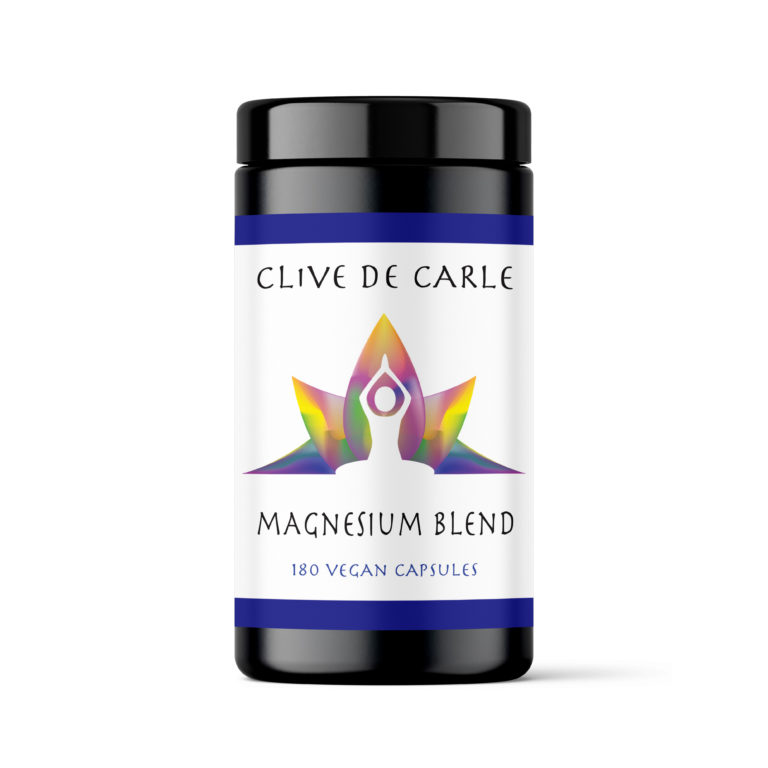
Magnesium Blend – The Most Important Mineral
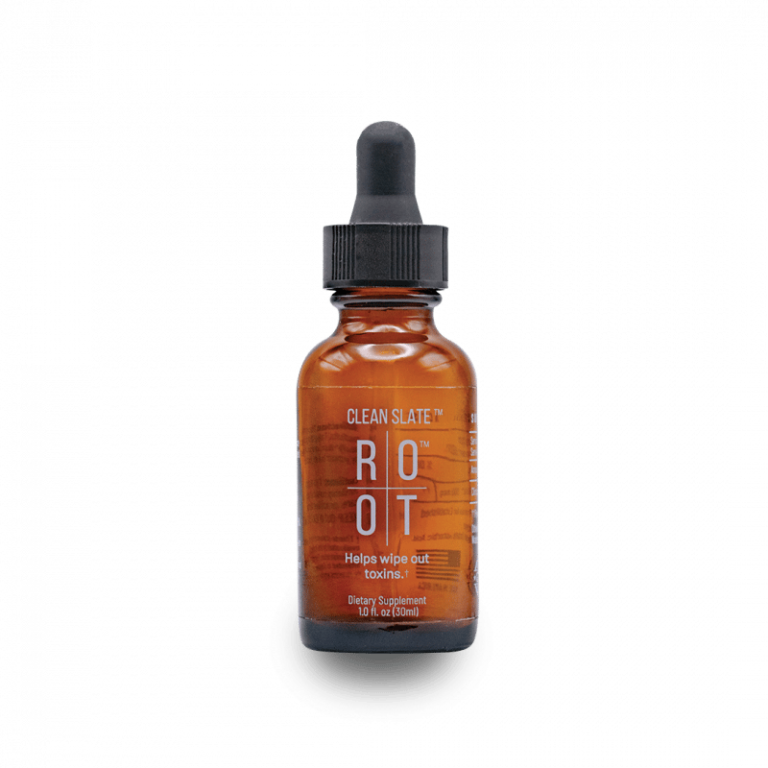
Clean Slate – Detoxes thousands of chemicals,heavy metals, pesticides, allergens, mold spores and fungus
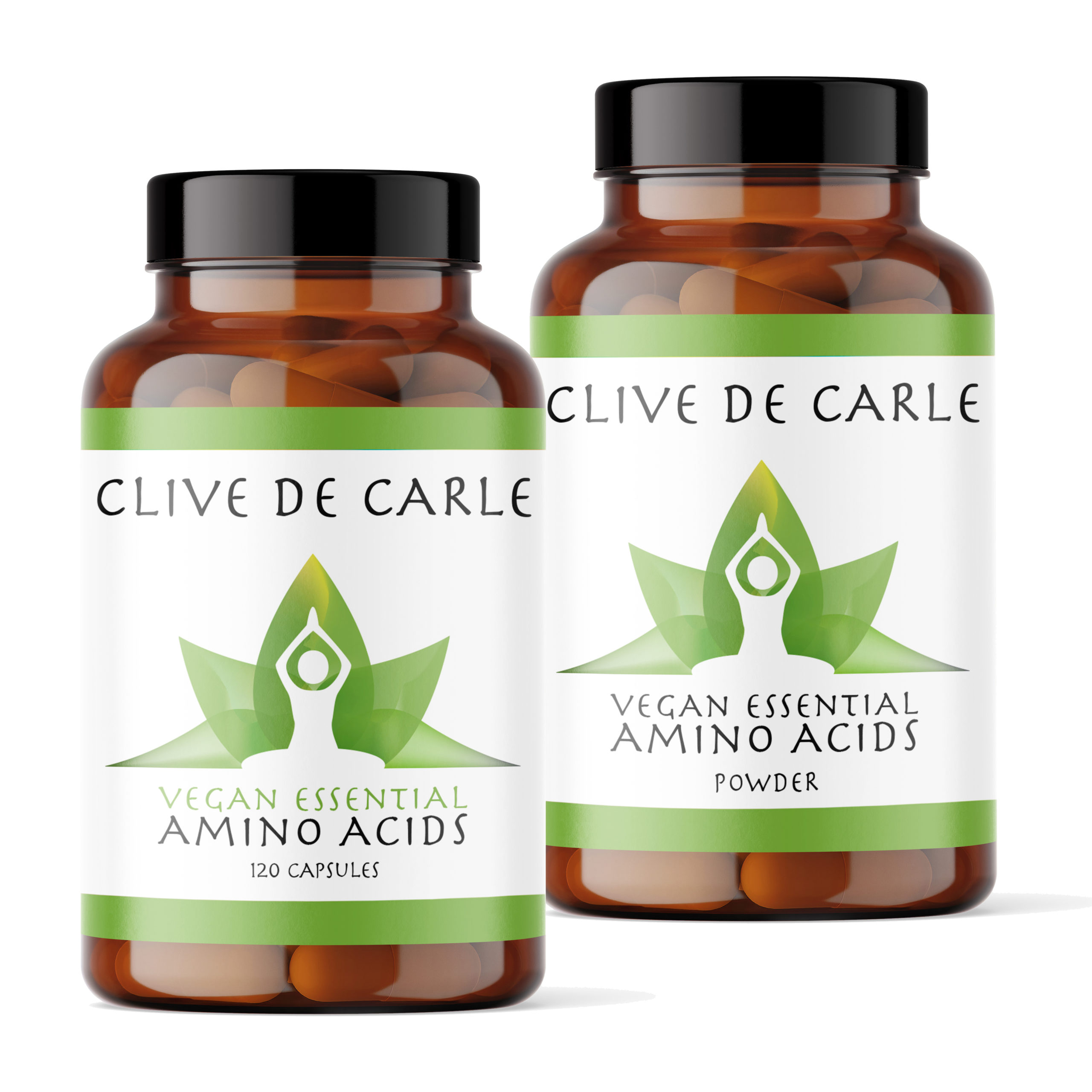
Vegan Essential Amino Acids – Plant-Powered Protein Building
INNERSTANDING may earn a commission on purchases made through these links. All products are selected based on rigorous educational relevance to our biological research.
RABBIT HOLE
Follow the biological thread deeper