
Optimizing Intracellular Electrolyte Ratios to Counteract Environmental Oxidative Stress
Discuss this resourceUpdated August 2026
An exploration into how precise mineral balancing, specifically the sodium-potassium and magnesium-calcium ratios, serves as a primary defense mechanism against modern environmental oxidative stressors.
Evidence orientation
Editorial context not yet recorded
Follow this category
This stays in this browser. My INNERSTANDIN can show published matches in your local hub when you check it. It does not send email, push, or alert notifications.
Local learning review
A private browser aid for revisiting ideas. It is not an alert or a health recommendation.
Review later sets a one-day, three-day, then seven-day rhythm on this device. Choose it only when you want to revisit this article.
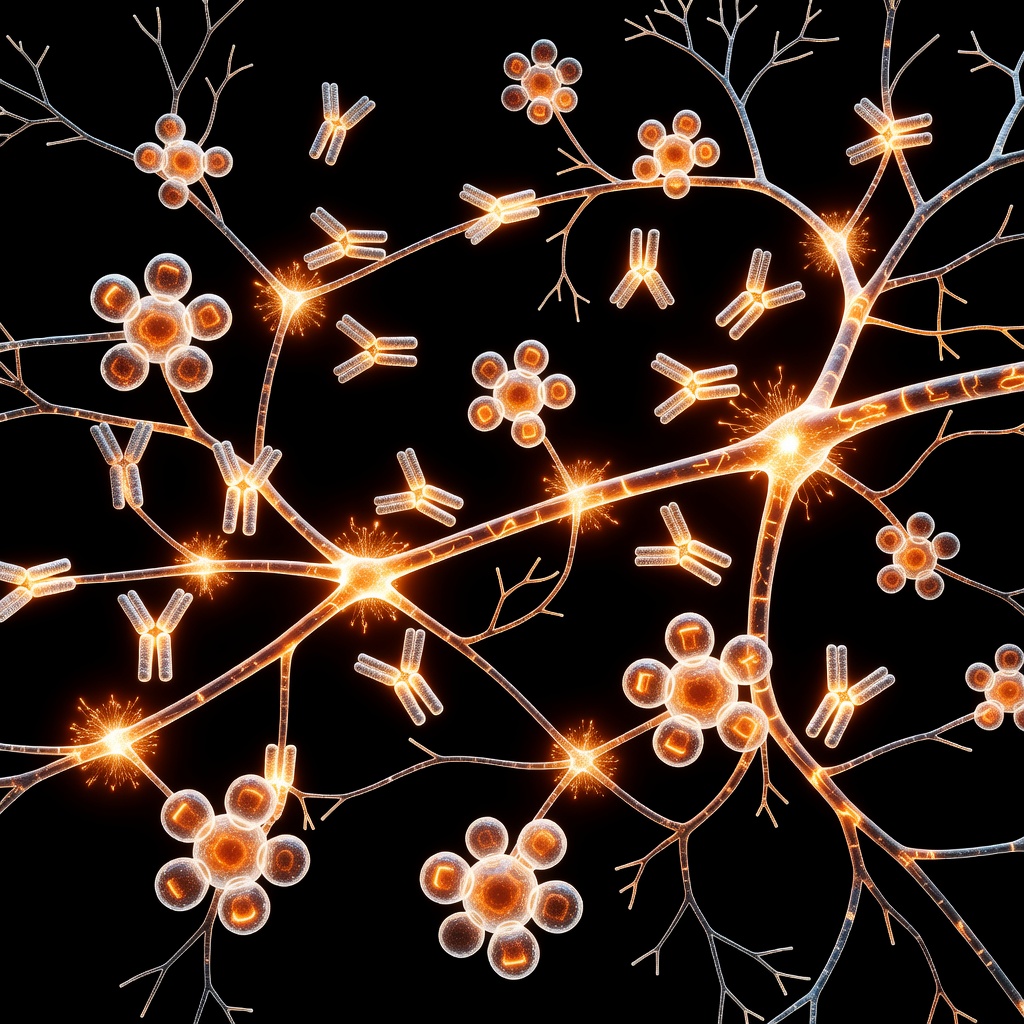
In our modern environment, the human body is under constant siege. From non-ionizing radiation and chemical pollutants to microplastics and endocrine disruptors, 'environmental oxidative stress' has become the baseline condition of human physiology. At INNERSTANDING, we look past symptoms to the root cause: the failure of the cellular membrane to maintain homeostatic integrity.
The Root Cause: Mineral Dysregulation
Oxidative stress occurs when the production of reactive oxygen species (ROS) overwhelms the body's antioxidant capacity. However, this is not merely a deficiency of Vitamin C or Glutathione. It is an electrical failure. The integrity of our cell membranes relies entirely on the Sodium-Potassium (Na+/K+) pump, an ATP-dependent mechanism that accounts for up to 40% of a cell's total energy expenditure. When we are inundated with environmental toxins, the pump slows down, leading to intracellular sodium retention and potassium leakage. This shift creates a pro-inflammatory state that makes cells highly susceptible to oxidative damage.
The Sodium-Potassium Ratio: The Electrical Foundation
Most contemporary diets are skewed toward high sodium and low potassium, which fundamentally alters the resting membrane potential. To counteract oxidative stress, we must re-establish the intracellular dominance of potassium. Potassium acts as an intracellular antioxidant, protecting enzymes and DNA from damage. Increasing whole-food potassium intake—specifically through dark leafy greens, avocados, and root vegetables—is essential for stabilizing the cell membrane against external stress.
The Magnesium-Calcium Nexus
Calcium is a signaling molecule, but in a state of high environmental stress, cells often experience 'calcium overload.' This leads to mitochondrial dysfunction and perpetual excitability. Magnesium is the body’s natural calcium channel blocker. When we optimize intracellular magnesium, we effectively 'relax' the cell, shielding it from the excitatory damage caused by environmental pollutants. Without adequate magnesium, the cell cannot recover from the oxidative hit, as ATP production—required for cellular repair—is magnesium-dependent.
Practical Protocol Steps
- Mineral Testing: Utilize Hair Tissue Mineral Analysis (HTMA) to determine your unique baseline ratio rather than guessing.
- Bioavailable Supplementation: Focus on magnesium glycinate or malate to ensure absorption without gastrointestinal distress.
- Trace Mineral Hydration: Move away from filtered water that lacks electrolytes. Add trace mineral drops or unrefined sea salt to your water to provide the necessary co-factors for cellular hydration.
- Toxic Load Reduction: You cannot balance minerals if you are actively displacing them with heavy metals. Prioritize water filtration and air purification to lower the baseline stressor load.
By focusing on these ratios, we empower the cell to handle its own maintenance, shifting the body from a state of reactive inflammation to one of resilient innerstanding.
This article is provided for informational and educational purposes only. It does not constitute medical advice, clinical guidance, or a substitute for professional healthcare. Information reflects cited research at time of publication. Always consult a qualified healthcare professional before acting on any health information.
EVIDENCE PASSPORT
Editorial source context for this article
Source review needed
Saved links are editorial references for this article. They may support specific claims rather than every sentence. Open and assess each source in context. This passport does not independently verify them.
Editorial context
A complete editorial reading has not been recorded for this article, and no source links are saved on its record.
Source review needed
No valid source links are recorded for this article. Supplementary research, where available, is listed separately below.
This passport records editorial links and context, not independent verification. Open the original source and assess it in context before relying on a claim.
Medical Disclaimer
The information in this article is for educational purposes only and does not constitute medical advice, diagnosis, or treatment. Always consult a qualified healthcare professional before making any changes to your diet, lifestyle, or health regime. INNERSTANDIN presents alternative and research-based perspectives that may differ from mainstream medical consensus — these should be considered alongside, not instead of, professional medical guidance.
Read Full DisclaimerContinue the thread
Keep this question moving.
Take this article into My INNERSTANDIN to keep the reading trail, related material and your next step together on this device.