
Oxalates and Osteoid: Exploring the Impact of Dietary Oxalic Acid on Cation Availability
Updated April 2026
Evidence orientation
Editorial context not yet recorded
Follow this category
This stays in this browser. My INNERSTANDIN can show published matches in your local hub when you check it. It does not send email, push, or alert notifications.
Local learning review
A private browser aid for revisiting ideas. It is not an alert or a health recommendation.
Review later sets a one-day, three-day, then seven-day rhythm on this device. Choose it only when you want to revisit this article.
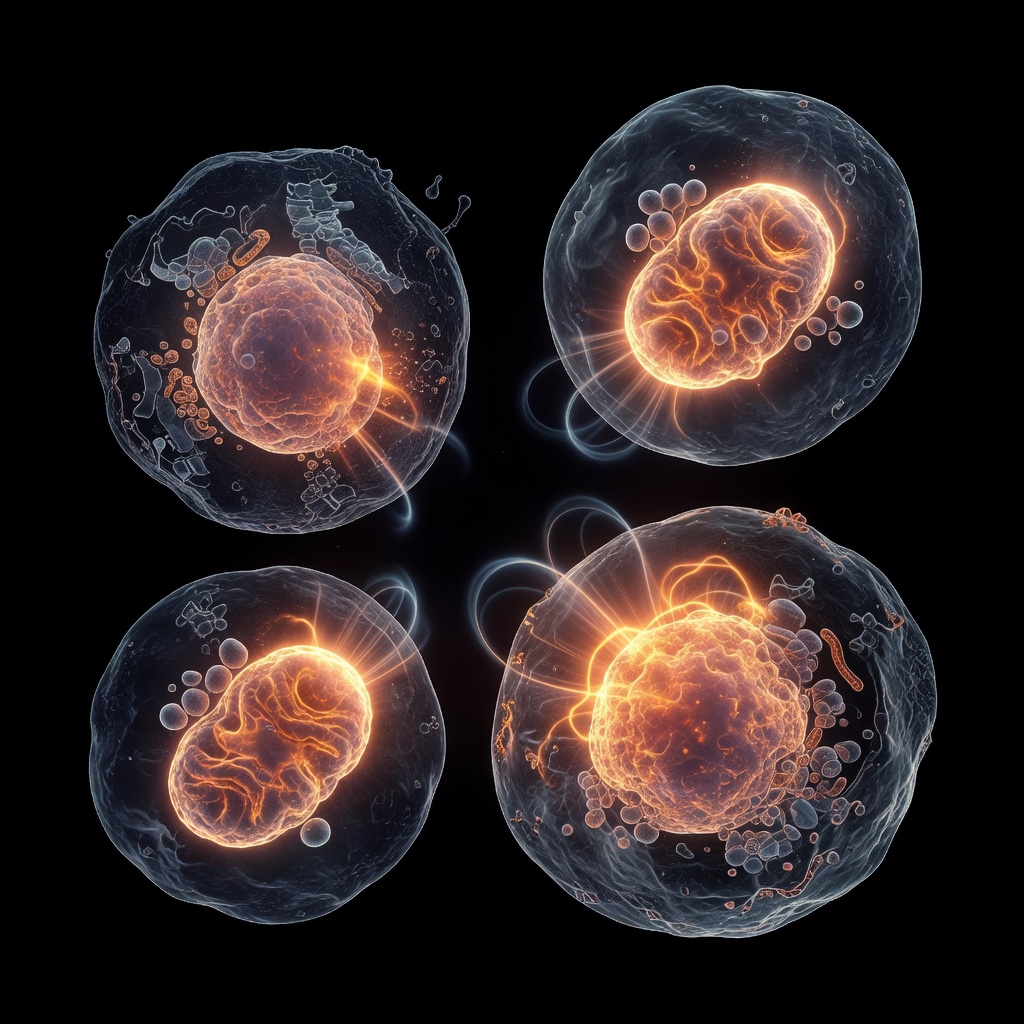
In the pursuit of optimal health, the modern British consumer has been conditioned to equate "green" with "vitality." From the ubiquity of cold-pressed spinach juices to the elevation of rhubarb and beetroot as nutritional icons, the prevailing narrative suggests that plant-based consumption is an unmitigated good. However, beneath the surface of these vibrantly coloured "superfoods" lies a complex chemical reality that may be silently undermining the very foundations of our physical structure: our bones.
To understand the health of our skeleton, we must look beyond the simple intake of calcium. We must examine the bioavailability of essential minerals and the presence of anti-nutrients that hijack these minerals before they can reach the osteoid—the unmineralised organic matrix of the bone. Chief among these metabolic thieves is oxalic acid.
The Hidden Architecture: Understanding Osteoid and Mineralisation
Before examining the disruptive nature of oxalates, it is vital to understand what osteoid is. Bone is not a static, rock-like substance; it is a dynamic, living tissue. It begins as a soft, protein-rich matrix primarily composed of Type I collagen, known as osteoid. For this osteoid to transform into hard, functional bone, it must undergo mineralisation.
During mineralisation, essential cations—primarily Calcium (Ca²⁺) and Magnesium (Mg²⁺)—are deposited into the osteoid matrix to form hydroxyapatite crystals. This process requires a precise internal environment and the unimpeded availability of these minerals.
Key Fact: Osteoid is the "scaffold" of the bone. Without successful mineralisation, the skeleton remains soft, a condition known as osteomalacia in adults or rickets in children, leading to increased fracture risk and chronic skeletal pain.
The Chemistry of Interference: How Oxalates Seize Cations
Oxalic acid (and its salt form, oxalate) is a naturally occurring organic acid found in a wide variety of plants. In the plant kingdom, it serves as a defence mechanism against herbivores and a means of regulating internal calcium levels. When humans consume high-oxalate plants, the same chemical properties that protect the plant begin to interfere with human physiology.
The Formation of Insoluble Complexes
Oxalate is a highly reactive molecule with a powerful affinity for divalent cations. When oxalic acid encounters minerals like Calcium, Magnesium, or Zinc in the digestive tract, it binds to them instantly, forming insoluble crystals.
- Calcium Oxalate: The most common form, which is virtually unabsorbable by the human gut.
- Magnesium Oxalate: Similarly prevents the absorption of magnesium, a critical cofactor for over 300 enzymatic reactions, including those that activate Vitamin D.
When these minerals are bound to oxalate, they become "locked away." They cannot be absorbed into the bloodstream, meaning they never reach the osteoid. Effectively, a diet high in oxalates can induce a state of functional mineral deficiency, even if the individual's mineral intake appears high on paper.
Systemic Oxalosis: Beyond the Gut
The danger is not limited to the digestive tract. Small amounts of "free" oxalate can be absorbed into the bloodstream. Once in the systemic circulation, these molecules seek out cations. If they find calcium in the blood, they form micro-crystals. While the kidneys attempt to filter these out—often leading to the agonising formation of kidney stones—these crystals can also deposit in soft tissues, joints, and even the bone matrix itself.
The UK Context: A Modern Epidemic of "Healthy" Mineral Depletion
In the United Kingdom, we are witnessing a "perfect storm" regarding bone health and dietary habits. Despite the fortification of flours and the historical emphasis on dairy, the British population is increasingly suffering from conditions related to poor mineralisation.
The "Green Smoothie" Fallacy
The rise of the "wellness" movement in UK urban centres has popularised the consumption of raw, high-oxalate vegetables in unprecedented quantities. A single large spinach smoothie can contain upwards of 1,000mg of oxalate—far exceeding what the human body evolved to process in a single sitting. In a country where Vitamin D deficiency is already endemic due to limited sunlight, the further reduction of calcium availability via oxalate binding is a recipe for skeletal disaster.
The Demise of Traditional Preparation
Historically, British culinary traditions involved methods that naturally reduced anti-nutrient loads. Long-duration boiling of greens (and discarding the water), the fermentation of vegetables, and the pairing of high-oxalate foods with calcium-rich dairy (such as the traditional "creamed spinach") served to neutralise oxalic acid. The modern shift toward raw "power salads" and quick-steaming has stripped away these protective cultural barriers.
Environmental Factors and the Soil-Mineral Connection
The impact of oxalates on cation availability is exacerbated by the declining nutritional quality of our environment.
Soil Depletion
Industrial farming practices in the UK have led to a significant decrease in the mineral content of our soil. When we consume plants that are lower in magnesium and calcium to begin with, the relative impact of their oxalic acid content becomes even more damaging. The "cation gap" widens; there are fewer minerals to neutralise the oxalates in the gut, and even fewer remaining to support the osteoid mineralisation process.
The Microbiome Crisis
The human body has a natural defence against oxalates in the form of a specific bacterium called *Oxalobacter formigenes*. This specialist microbe lives in the gut and survives solely by breaking down oxalates. However, research suggests that a significant portion of the British population has lost this bacterium due to the repeated use of broad-spectrum antibiotics and the consumption of ultra-processed foods. Without this microbial shield, the systemic burden of oxalic acid increases exponentially.
Truth-Exposing Fact: A single course of common antibiotics can permanently eradicate Oxalobacter formigenes from the gut, leaving the individual "oxalate-sensitive" for the rest of their life without them ever realising the cause of their joint pain or bone density loss.
Biological Mechanisms: The Impact on Bone Remodelling
Bone health is a balance between osteoblasts (cells that build bone) and osteoclasts (cells that break it down). High systemic oxalate levels disrupt this delicate equilibrium.
- Direct Toxicity: Research indicates that oxalate crystals can be toxic to osteoblasts. When these bone-building cells are damaged, the production of new osteoid slows down.
- Parathyroid Stimulation: When oxalates bind to calcium in the blood, systemic calcium levels drop. The parathyroid gland senses this drop and releases Parathyroid Hormone (PTH). PTH signals the body to "mine" calcium from the bones to maintain blood levels. Over time, this chronic "mining" leads to a loss of bone mineral density (BMD).
- The Magnesium Trap: Magnesium is essential for the conversion of Vitamin D into its active form (calcitriol). By sequestering magnesium, oxalates indirectly prevent the body from effectively using Vitamin D to absorb calcium, creating a secondary cycle of mineral depletion.
Protective Strategies: Reclaiming Cation Availability
Navigating a world full of oxalates does not require the total elimination of plant foods, but it does require a sophisticated, "innerstanding" approach to nutrition.
1. Strategic Calcium Pairing
If you choose to consume high-oxalate foods (like spinach, beet greens, or Swiss chard), you must pair them with a high-calcium food source. By consuming calcium with the oxalate, the binding process happens in the gut rather than the blood. The resulting calcium-oxalate crystals are then excreted safely in the stool, protecting your systemic mineral stores.
2. Thermal and Chemical Processing
- Boiling: Boiling high-oxalate vegetables and discarding the water can reduce oxalate content by 30% to 80%.
- Fermentation: The bacteria involved in fermentation (such as Lactobacillus species) can significantly degrade oxalic acid, making fermented foods like sauerkraut a safer option for those concerned with bone health.
3. Supporting the "Internal Pharmacy"
Replenishing the gut microbiome is essential. While Oxalobacter supplements are not yet widely available in the UK, supporting general microbial diversity through fibre (low-oxalate sources like carrots or peeled cucumbers) and fermented foods can improve the gut's resilience to anti-nutrients.
4. Hydration and Citrate
Citric acid (found in lemons and limes) can help inhibit the formation of calcium oxalate crystals. Maintaining high hydration levels ensures that the kidneys can effectively flush out any oxalates that do enter the bloodstream.
Key Takeaways: Protecting Your Skeletal Future
The relationship between oxalates and osteoid is a poignant reminder that "natural" does not always mean "harmless." To maintain a robust skeleton into old age, we must move beyond the superficial metrics of nutrient intake and consider the chemical interference of anti-nutrients.
- Osteoid requires mineralisation: Without cations like Calcium and Magnesium, the bone scaffold remains soft and vulnerable.
- Oxalates are cation thieves: They bind to essential minerals, rendering them bio-unavailable for bone health.
- Preparation matters: Raw is not always better. Traditional cooking methods are essential for neutralising oxalic acid.
- Systemic impact: High oxalate intake affects not just the kidneys, but the entire bone remodelling process through parathyroid stimulation and osteoblast toxicity.
- The UK Challenge: Vitamin D deficiency and soil depletion make the British population particularly susceptible to the negative effects of high-oxalate diets.
By fostering a deeper innerstanding of how dietary compounds interact with our internal biological architecture, we can make informed choices that truly support our long-term mineral health and skeletal integrity. True health is found not in the blind following of trends, but in the harmonious balance of nutrient density and anti-nutrient awareness.
This article is provided for informational and educational purposes only. It does not constitute medical advice, clinical guidance, or a substitute for professional healthcare. Information reflects cited research at time of publication. Always consult a qualified healthcare professional before acting on any health information.
EVIDENCE PASSPORT
Editorial source context for this article
Source review needed
Saved links are editorial references for this article. They may support specific claims rather than every sentence. Open and assess each source in context. This passport does not independently verify them.
Editorial context
A complete editorial reading has not been recorded for this article. Source links remain available for you to open and assess directly.
Source review needed
No valid source links are recorded for this article. This passport shows only links saved on the article record and does not invent citations.
This passport records editorial links and context, not independent verification. Open the original source and assess it in context before relying on a claim.
Medical Disclaimer
The information in this article is for educational purposes only and does not constitute medical advice, diagnosis, or treatment. Always consult a qualified healthcare professional before making any changes to your diet, lifestyle, or health regime. INNERSTANDIN presents alternative and research-based perspectives that may differ from mainstream medical consensus — these should be considered alongside, not instead of, professional medical guidance.
Read Full DisclaimerContinue the thread
Keep this question moving.
Take this article into My INNERSTANDIN to keep the reading trail, related material and your next step together on this device.