
Oxidative Stress and Ferroptosis: Understanding Lipid Peroxidation in Non-Apoptotic Cellular Demise
Discuss this resourceUpdated August 2026
An in-depth exploration of ferroptosis, a unique form of iron-dependent cell death driven by lipid peroxidation, and its implications for human health and disease.
Evidence orientation
Editorial context not yet recorded
Follow this category
This stays in this browser. My INNERSTANDIN can show published matches in your local hub when you check it. It does not send email, push, or alert notifications.
Local learning review
A private browser aid for revisiting ideas. It is not an alert or a health recommendation.
Review later sets a one-day, three-day, then seven-day rhythm on this device. Choose it only when you want to revisit this article.
Introduction to Ferroptosis
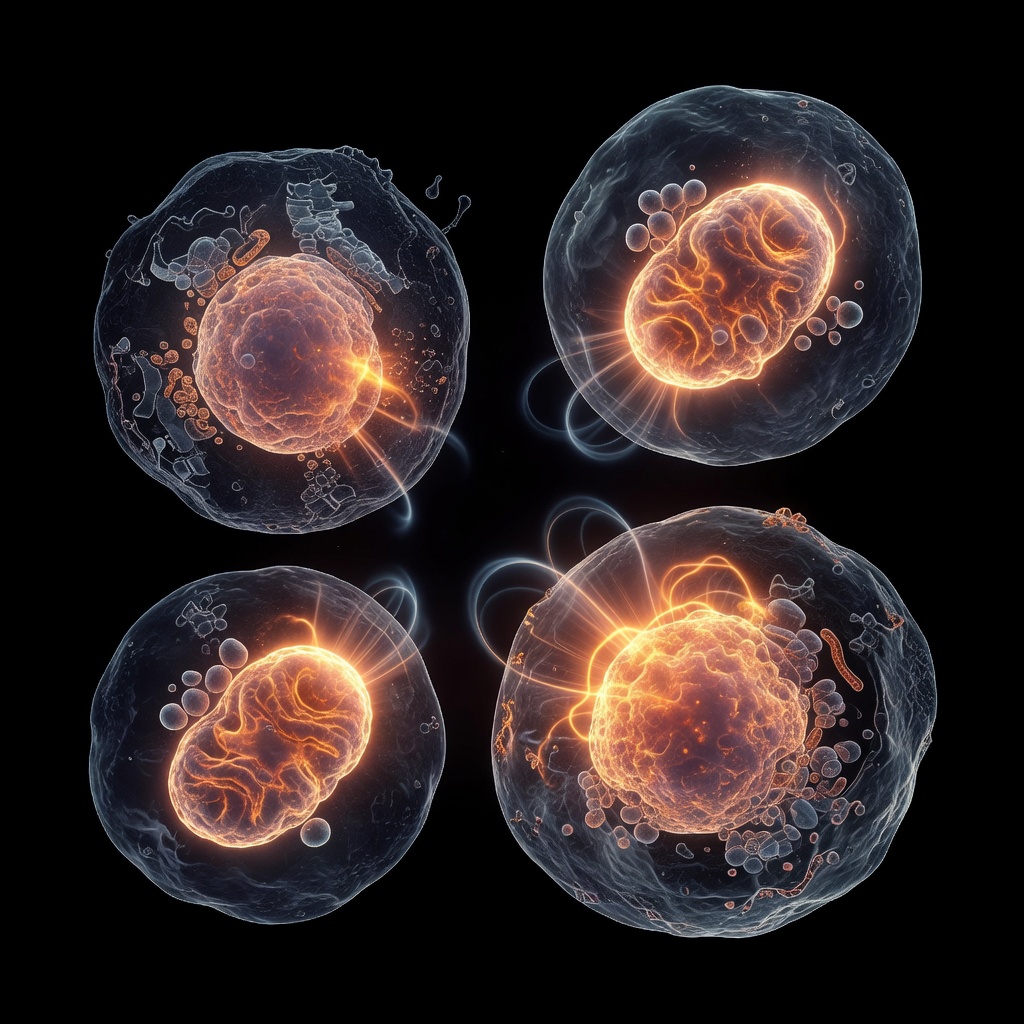
Cellular death is a tightly regulated process essential for maintaining homeostasis. While we are familiar with apoptosis—the programmed 'self-destruct' sequence—modern cell biology has identified a distinct, iron-dependent modality known as ferroptosis. Unlike apoptosis, which relies on caspase enzymes, ferroptosis is defined by the catastrophic accumulation of lipid peroxides and reactive oxygen species (ROS), leading to plasma membrane rupture.
The Biochemistry of Lipid Peroxidation
At the root of ferroptosis lies the disruption of cellular antioxidant defense systems, specifically the glutathione peroxidase 4 (GPX4) pathway. GPX4 is the primary enzyme responsible for neutralizing toxic lipid hydroperoxides. When cellular iron levels become dysregulated, the Fenton reaction triggers the transformation of hydrogen peroxide into highly reactive hydroxyl radicals. These radicals attack polyunsaturated fatty acids (PUFAs) within the cell membrane, initiating a chain reaction of lipid peroxidation that compromises structural integrity.
Root Causes: Iron Overload and Antioxidant Failure
Ferroptosis is essentially a failure of cellular redox management. Three primary factors drive this process: 1) Excess labile iron pool (LIP), which acts as a catalyst for ROS; 2) Increased uptake of PUFAs, which serve as fuel for peroxidation; and 3) Inhibition of the System Xc- cystine/glutamate antiporter, which starves the cell of cysteine, the limiting factor in glutathione synthesis. Without glutathione, GPX4 becomes inactive, leaving the membrane vulnerable to oxidative carnage.
Clinical Implications
Understanding ferroptosis is crucial for addressing various pathological states. In neurodegenerative diseases like Alzheimer's and Parkinson's, iron accumulation in specific brain regions suggests that ferroptosis contributes to neuronal loss. Conversely, in oncology, inducing ferroptosis represents a promising strategy for killing drug-resistant cancer cells that have evolved to evade traditional apoptotic pathways.
Conclusion
Ferroptosis reminds us that health is a delicate balance of metabolic and mineral homeostasis. By managing oxidative stress and supporting endogenous antioxidant systems, we can potentially mitigate the pathways that lead to this destructive form of cellular demise.
This article is provided for informational and educational purposes only. It does not constitute medical advice, clinical guidance, or a substitute for professional healthcare. Information reflects cited research at time of publication. Always consult a qualified healthcare professional before acting on any health information.
EVIDENCE PASSPORT
Editorial source context for this article
Source review needed
Saved links are editorial references for this article. They may support specific claims rather than every sentence. Open and assess each source in context. This passport does not independently verify them.
Editorial context
A complete editorial reading has not been recorded for this article, and no source links are saved on its record.
Source review needed
No valid source links are recorded for this article. Supplementary research, where available, is listed separately below.
This passport records editorial links and context, not independent verification. Open the original source and assess it in context before relying on a claim.
Medical Disclaimer
The information in this article is for educational purposes only and does not constitute medical advice, diagnosis, or treatment. Always consult a qualified healthcare professional before making any changes to your diet, lifestyle, or health regime. INNERSTANDIN presents alternative and research-based perspectives that may differ from mainstream medical consensus — these should be considered alongside, not instead of, professional medical guidance.
Read Full DisclaimerContinue the thread
Keep this question moving.
Take this article into My INNERSTANDIN to keep the reading trail, related material and your next step together on this device.