
Beyond DNA: The Role of Paternal Sperm MicroRNA in Offspring Anxiety
Updated April 2026
This investigative piece delves into the non-genetic transmission of trauma through paternal sperm microRNA. We analyze how environmental stressors in males alter the small non-coding RNA payload delivered during fertilization, influencing the neurodevelopment and stress-resilience of the next generation. This mechanism challenges the maternal-centric view of prenatal health and highlights the importance of paternal preconception wellness.
Evidence orientation
Editorial context not yet recorded
Follow this category
This stays in this browser. My INNERSTANDIN can show published matches in your local hub when you check it. It does not send email, push, or alert notifications.
Local learning review
A private browser aid for revisiting ideas. It is not an alert or a health recommendation.
Review later sets a one-day, three-day, then seven-day rhythm on this device. Choose it only when you want to revisit this article.
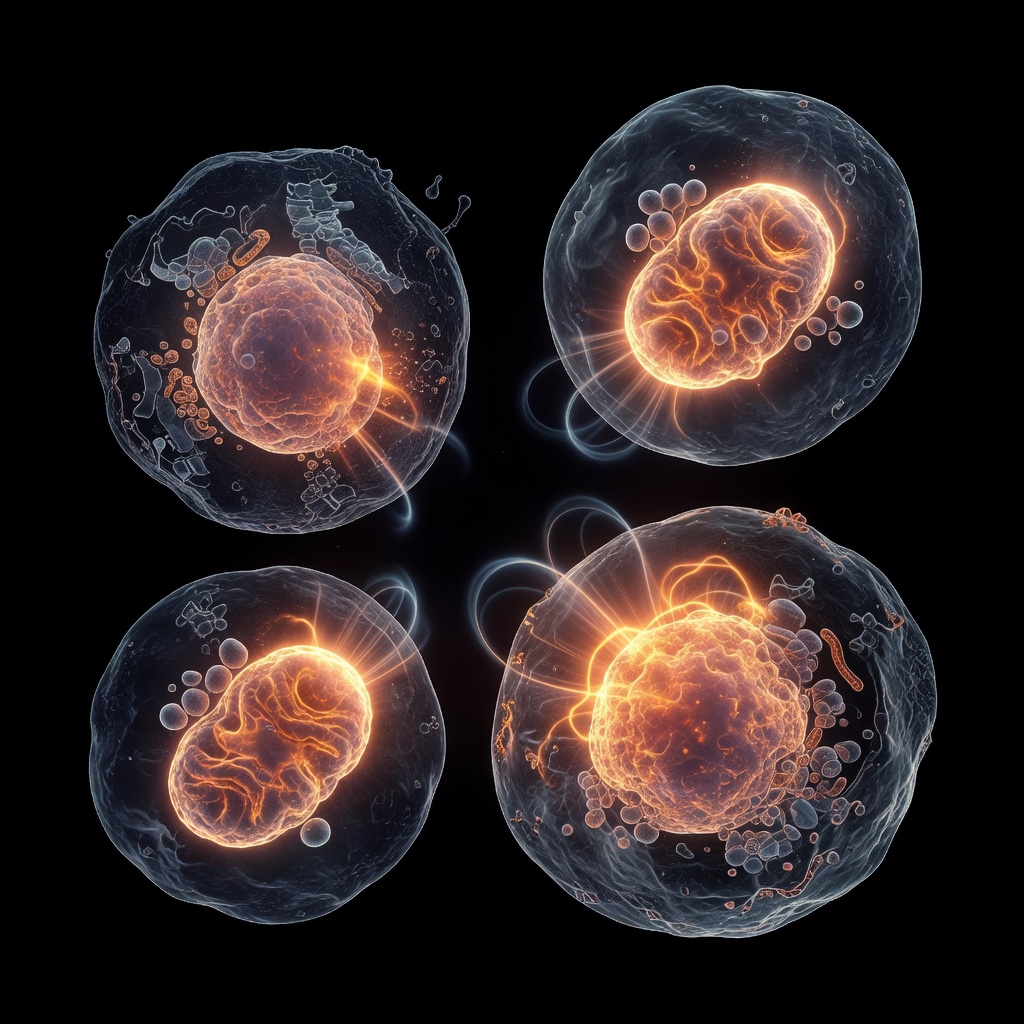
For decades, the field of prenatal health has focused almost exclusively on the maternal environment. However, cutting-edge research is revealing that fathers play a far more significant role in the epigenetic health of their offspring than previously understood. The mechanism at play is not found in the DNA sequence itself, but in the microRNA (miRNA) cargo carried by the sperm. These small, non-coding RNA molecules act as powerful regulators of gene expression, and recent studies have shown that paternal stress can significantly alter the miRNA profile of sperm, with profound consequences for the offspring’s brain development and anxiety levels. Conventional medicine tends to view sperm simply as a delivery vehicle for half of the child's genetic code.
It misses the reality that sperm is a dynamic biological medium that responds to the father’s environment, diet, and psychological state. When a male experiences chronic stress, the hypothalamic-pituitary-adrenal (HPA) axis is activated, leading to changes in the extracellular vesicles (exosomes) within the reproductive tract. These exosomes fuse with the sperm, transferring specific miRNA signatures that reflect the father’s stress history. Research led by neuroscientists such as Tracy Bale has demonstrated that these altered miRNAs, once they enter the egg at fertilization, target and degrade specific maternal mRNA transcripts that are essential for early neurodevelopment. The result is an offspring with a recalibrated HPA axis, often manifesting as increased sensitivity to stress or generalized anxiety disorders.
This 'molecular memory' of the father’s trauma effectively programs the child’s brain before they have even taken their first breath. Environmental factors such as exposure to endocrine-disrupting chemicals (EDCs), high-fat diets, and nicotine have also been shown to modulate sperm miRNA. This suggests that the 'preconception window' for fathers is a critical period for biological intervention. To mitigate these risks, men must prioritize HPA axis regulation through practices like mindfulness, aerobic exercise, and deep-sleep optimization at least three months prior to conception—the duration of a full spermatogenesis cycle. Additionally, diets rich in antioxidants and omega-3 fatty acids can protect sperm from oxidative stress, which is a major driver of epigenetic alterations.
The takeaway is clear: intergenerational trauma is a two-way street. By acknowledging the paternal contribution to epigenetic inheritance, we can move toward a more holistic model of family health that empowers men to take active responsibility for the biological legacy they pass on to their children.
This article is provided for informational and educational purposes only. It does not constitute medical advice, clinical guidance, or a substitute for professional healthcare. Information reflects cited research at time of publication. Always consult a qualified healthcare professional before acting on any health information.
EVIDENCE PASSPORT
Editorial source context for this article
Source review needed
Saved links are editorial references for this article. They may support specific claims rather than every sentence. Open and assess each source in context. This passport does not independently verify them.
Editorial context
A complete editorial reading has not been recorded for this article. Source links remain available for you to open and assess directly.
Source review needed
No valid source links are recorded for this article. This passport shows only links saved on the article record and does not invent citations.
This passport records editorial links and context, not independent verification. Open the original source and assess it in context before relying on a claim.
Medical Disclaimer
The information in this article is for educational purposes only and does not constitute medical advice, diagnosis, or treatment. Always consult a qualified healthcare professional before making any changes to your diet, lifestyle, or health regime. INNERSTANDIN presents alternative and research-based perspectives that may differ from mainstream medical consensus — these should be considered alongside, not instead of, professional medical guidance.
Read Full DisclaimerContinue the thread
Keep this question moving.
Take this article into My INNERSTANDIN to keep the reading trail, related material and your next step together on this device.
Explore this in the Body Map
See where this hits your biology. Interactive anatomy, threats, and protective protocols.
Dig deeper in the Library
Free, longform PDF volumes that go beyond headlines into mechanisms and references.