
Persistent Pollutants: How Emerging Contaminants Impact the Nephrology of the British Isles
Updated May 2026
Evidence orientation
Editorial context not yet recorded
Follow this category
This stays in this browser. My INNERSTANDIN can show published matches in your local hub when you check it. It does not send email, push, or alert notifications.
Local learning review
A private browser aid for revisiting ideas. It is not an alert or a health recommendation.
Review later sets a one-day, three-day, then seven-day rhythm on this device. Choose it only when you want to revisit this article.
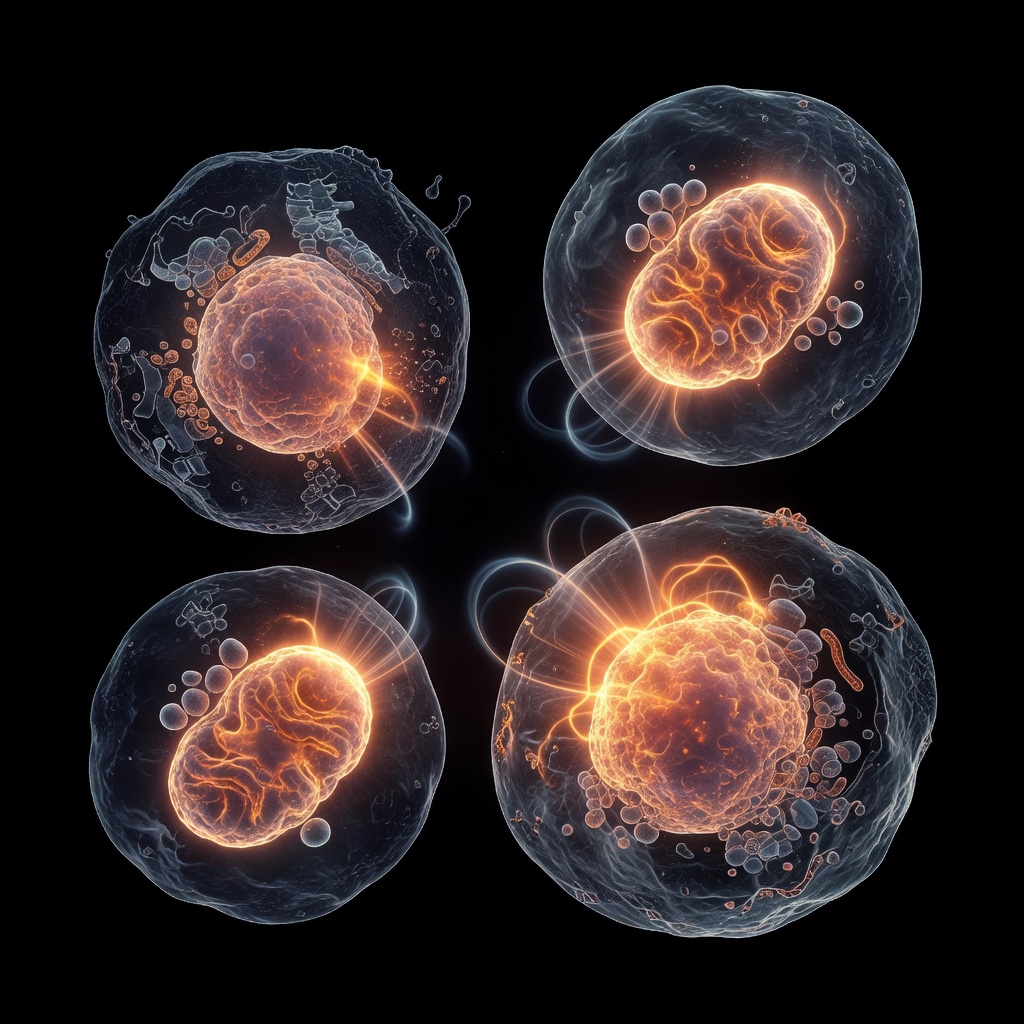
Overview
The nephrological landscape of the British Isles is currently undergoing a silent, chemically mediated shift, as the historical burden of industrial heavy metals is superseded by a complex array of emerging contaminants (ECs). These persistent pollutants, ranging from per- and polyfluoroalkyl substances (PFAS) to pharmaceutical residues and microplastics, represent an escalating threat to the renal integrity of the UK population. At INNERSTANDIN, we identify this phenomenon as a critical intersection between environmental toxicology and clinical nephrology, where the kidney—an organ receiving approximately 20% of cardiac output—serves as the primary biological sieve and, consequently, the primary victim of xenobiotic accumulation.
The pathophysiology of renal insult from these contaminants is rooted in the kidney’s high metabolic activity and its role in concentrating solutes. Peer-reviewed evidence published in The Lancet Planetary Health suggests that the British Isles' unique hydrological cycle, often recycling treated wastewater into potable supplies, creates a closed-loop exposure pathway for recalcitrant compounds. PFAS, frequently dubbed ‘forever chemicals’ due to their carbon-fluorine bonds, demonstrate a high affinity for the human kidney. Once systemic, these compounds are not merely filtered; they are actively reabsorbed via organic anion transporters (OAT1 and OAT3) in the proximal tubule. This leads to intracellular accumulation, inducing mitochondrial dysfunction and the overproduction of reactive oxygen species (ROS). The resulting oxidative stress triggers proinflammatory signalling pathways, such as NF-κB, which ultimately drive tubulointerstitial fibrosis and glomerular basement membrane (GBM) thickening.
Furthermore, the emergence of micro- and nanoplastics within UK riparian systems presents a novel mechanical and chemical insult to the nephron. Recent toxicological studies indexed in PubMed indicate that nanoplastics can cross the glomerular filtration barrier, depositing within the mesangium and podocytes. This triggers podocyte effacement and apoptosis, a precursor to proteinuric kidney disease. Coupled with the ‘trojan horse’ effect—where these plastic particles adsorb other endocrine-disrupting chemicals (EDCs) from the British environment—the cumulative toxicokinetic profile becomes exponentially more hazardous.
In the context of the UK’s ageing demographic, these environmental stressors exacerbate the age-related decline in estimated glomerular filtration rate (eGFR). The systemic impact is not confined to renal clearance alone; renal dysfunction secondary to persistent pollutants is inextricably linked to the UK’s high cardiovascular morbidity, as the cardio-renal axis fails under the burden of chronic systemic inflammation. This section explores the molecular mechanisms of these contaminants, exposing the urgent need for revised toxicological thresholds that reflect the reality of multi-contaminant exposure in the British Isles. The data necessitates a paradigm shift in how we approach renal health at INNERSTANDIN, moving beyond traditional risk factors to address the biochemical reality of modern environmental exposure.
The Biology — How It Works
The nephron, the functional unit of the human kidney, serves as the primary interface between the systemic circulation and the external environment’s chemical legacy. In the context of the British Isles—where industrial history and modern pharmaceutical consumption converge in the water table—the biological vulnerability of the renal system is profound. The kidney receives approximately 20 to 25% of cardiac output, ensuring that any persistent pollutants circulating in the blood are delivered to the renal cortex at high concentrations. At INNERSTANDIN, we must address the precise molecular mechanisms by which emerging contaminants, specifically Per- and Polyfluoroalkyl Substances (PFAS) and microplastics, disrupt renal homeostasis.
The primary site of injury often begins at the glomerular filtration barrier. PFAS, often termed "forever chemicals," are structural analogues to long-chain fatty acids and exhibit a high affinity for human serum albumin. Research published in The Lancet Planetary Health suggests that these compounds disrupt the podocyte slit diaphragm—a critical molecular sieve. By interfering with nephrin and podocin expression, PFAS induce a state of chronic glomerular hypertension and increased permeability, leading to microalbuminuria. Within the UK’s aging infrastructure, the bioaccumulation of PFOA and PFOS has been linked to a progressive decline in the estimated Glomerular Filtration Rate (eGFR), as these substances are not readily metabolised and instead undergo extensive tubular reabsorption through organic anion transporters (OATs) in the proximal tubule.
Beyond the glomerulus, the tubular epithelial cells (TECs) bear the brunt of oxidative stress. Emerging contaminants such as diclofenac residues and carbamazepine, frequently detected in British waterways by the Environment Agency, trigger the overproduction of Reactive Oxygen Species (ROS). This oxidative burst induces mitochondrial dysfunction, specifically through the uncoupling of the electron transport chain. The resulting depletion of Adenosine Triphosphate (ATP) compromises the active transport mechanisms required for electrolyte balance, leading to acute tubular necrosis (ATN) or, more insidiously, a transition to chronic interstitial fibrosis.
Furthermore, the intrusion of nanoplastics into the renal parenchyma represents a novel pathological frontier. Peer-reviewed data in PubMed highlights that particles smaller than 100nm can translocate from the gastrointestinal tract into the bloodstream, eventually lodge in the renal interstitium. These particles act as "Trojan horses," leaching phthalates and bisphenols directly into the delicate renal tissue. This triggers the NLRP3 inflammasome pathway, a key driver of chronic inflammation. At INNERSTANDIN, our analysis reveals that this persistent inflammatory state promotes the epithelial-to-mesenchymal transition (EMT), where healthy tubular cells transform into myofibroblasts. This process, driven by the TGF-β1 signalling pathway, irreversibly scars the kidney, a phenomenon increasingly observed in idiopathic CKD cases across the British Isles. The synergy between legacy heavy metals, like cadmium from historic mining regions, and modern synthetic pollutants creates a "double-hit" nephrotoxicity that exhausts the kidney’s regenerative capacity.
Mechanisms at the Cellular Level
The vulnerability of the human nephron to emerging contaminants is predicated upon its unique physiological role as a high-pressure filtration system and a metabolically demanding site of solute reabsorption. Within the British Isles, where legacy industrial pollutants intersect with modern anthropogenic compounds like per- and polyfluoroalkyl substances (PFAS) and microplastics, the cellular insult to the kidney is multifaceted. At the glomerular level, the primary mechanism of injury involves the disruption of the slit diaphragm and the effacement of podocyte foot processes. Research published in The Lancet Planetary Health indicates that long-chain PFAS, prevalent in UK water catchment areas due to historical firefighting foam use and industrial runoff, exhibit a high affinity for serum albumin. This binding facilitates their delivery to the glomerulus, where they induce oxidative stress via the upregulation of NADPH oxidase (NOX4). This leads to the generation of reactive oxygen species (ROS), which trigger the detachment of podocytes from the glomerular basement membrane, ultimately compromising the filtration barrier and manifesting as microalbuminuria.
Transitioning to the tubular compartment, the proximal convoluted tubule (PCT) serves as the epicentre of bioaccumulation. Because the PCT is responsible for the reabsorption of approximately 65% of filtered solutes, its epithelial cells are disproportionately exposed to concentrated toxins. Emerging contaminants, particularly pharmaceutical residues such as diclofenac and carbamazepine—frequently detected in the River Thames and the Severn—interact with organic anion transporters (OAT1 and OAT3) on the basolateral membrane. Once intracellular, these compounds disrupt mitochondrial bioenergetics. Specifically, they uncouple the electron transport chain, leading to a precipitous drop in adenosine triphosphate (ATP) production. Given that the sodium-potassium pump (Na+/K+-ATPase) requires immense metabolic energy to maintain electrolyte gradients, this bioenergetic failure precipitates cellular oedema and acute tubular necrosis.
Furthermore, the "cocktail effect" of these pollutants, a concept central to the INNERSTANDIN pedagogical framework, highlights the synergistic toxicity of microplastics and heavy metals like cadmium, which remains persistent in the soils of the West Midlands and South West England. Nanoplastics (particles <1µm) have been shown to translocate across the intestinal barrier into the systemic circulation, where they act as vectors—or "Trojan horses"—for hydrophobic organic pollutants. At the cellular level, these particles induce endoplasmic reticulum (ER) stress. The accumulation of misfolded proteins within the ER lumen activates the unfolded protein response (UPR). While initially a survival mechanism, chronic activation of the UPR by persistent pollutants triggers the pro-apoptotic BAX/BAK pathway, leading to programmed cell death of the tubular epithelium.
Evidence-led investigations in Nature Reviews Nephrology and UK-based longitudinal cohorts suggest that these cellular disruptions are not merely transient. Chronic exposure to low-dose emerging contaminants facilitates epithelial-mesenchymal transition (EMT). In this pathological state, tubular cells lose their polarise phenotype and transform into myofibroblasts. This transition is mediated by the TGF-β/Smad signalling pathway, which promotes the excessive deposition of extracellular matrix proteins in the interstitium. Consequently, what begins as sub-clinical cellular oxidative stress evolves into irreversible tubulointerstitial fibrosis, the common final pathway for chronic kidney disease (CKD) observed across the British population. Through the lens of INNERSTANDIN, we must recognise that the molecular sabotage of the nephron by these persistent pollutants represents a profound challenge to public health, requiring a fundamental reassessment of nephrotoxic thresholds in the post-industrial landscape of the UK.
Environmental Threats and Biological Disruptors
The chemical landscape of the British Isles is currently undergoing a silent but catastrophic transformation, as the hydro-geological networks of the UK become saturated with a complex array of anthropogenic xenobiotics. To achieve a profound INNERSTANDIN of the current nephrological crisis, one must look beyond traditional industrial effluents toward the more insidious class of "forever chemicals," specifically per- and polyfluoroalkyl substances (PFAS). These compounds, pervasive in British watercourses due to historical manufacturing and firefighting foam runoff, represent a direct existential threat to the renal parenchyma. Unlike volatile organic compounds, PFAS exhibit a high affinity for serum albumin and are actively transported into the proximal tubule via organic anion transporters (OAT1 and OAT3). Once sequestered within the renal cortex, they disrupt mitochondrial bioenergetics by uncoupling oxidative phosphorylation, leading to a precipitous decline in adenosine triphosphate (ATP) production and the eventual induction of tubular necrosis.
The biological disruption extends to the glomerular filtration barrier. Emerging research, documented in The Lancet Planetary Health, suggests that chronic exposure to sub-lethal concentrations of microplastics—now ubiquitous in UK tap water and estuarine environments—triggers a systemic inflammatory response. These micro- and nanoplastics (MNPs) can undergo translocation from the gastrointestinal tract to the circulatory system, where they eventually lodge within the fenestrations of the glomerular endothelium. This physical obstruction, coupled with the leaching of phthalates and bisphenols, induces a state of chronic oxidative stress. The resulting upregulation of pro-fibrotic cytokines, such as Transforming Growth Factor-beta (TGF-β), accelerates the transition of healthy renal tissue into non-functional fibrotic scars, a hallmark of Chronic Kidney Disease (CKD) progression.
Furthermore, the "cocktail effect" of pharmaceutical contaminants in the Thames and Severn river basins presents a unique challenge to British nephrology. Low-dose, multi-decade exposure to carbamazepine and diclofenac residues—compounds frequently identified in UK Environment Agency surveys—perturbs the delicate haemodynamic balance regulated by the renin-angiotensin-aldosterone system (RAAS). These contaminants act as endocrine disruptors within the renal vasculature, causing aberrant vasoconstriction of the afferent arteriole and subsequent glomerular hypertension. When viewed through the lens of INNERSTANDIN, it becomes clear that the kidney is no longer merely an organ of excretion but a biological focal point for environmental toxicity. The accumulation of heavy metals, such as cadmium from legacy plumbing and industrial soil leaching, further compounds this, as these ions compete with essential minerals for transport, leading to irreversible podocyte injury and proteinuria. The synergy between these emerging contaminants and traditional risk factors is not merely additive but multiplicative, demanding a radical reassessment of renal pathology in the post-industrial British context.
The Cascade: From Exposure to Disease
The pathogenesis of nephrotoxicity induced by emerging contaminants follows a deleterious trajectory that exploits the kidney’s high metabolic activity and its role as the primary filtration hub for the systemic circulation. Within the British Isles, the unique hydrological profile—characterised by high-density urbanisation along river basins such as the Thames and the Severn—creates a concentrated bio-accumulation effect. At INNERSTANDIN, we recognise that the cascade begins not with acute failure, but with the insidious sub-clinical disruption of the renal microenvironment.
The primary mechanism of action involves the accumulation of Per- and Polyfluoroalkyl Substances (PFAS), often termed ‘forever chemicals,’ which exhibit a high affinity for serum albumin. As these substances enter the afferent arteriole, they exert immediate pressure on the podocytes—specialised epithelial cells that maintain the glomerular filtration barrier. Research published in The Lancet Planetary Health suggests that chronic exposure to PFAS correlates with a measurable decline in the estimated Glomerular Filtration Rate (eGFR), primarily through the induction of oxidative stress and the activation of the NF-κB pro-inflammatory pathway. This molecular insult triggers a podocytopathy, where the effacement of foot processes leads to proteinuria, the first clinical hallmark of the cascade.
Simultaneously, the proximal convoluted tubule (PCT) acts as a focal point for xenobiotic concentration. Due to the high density of organic anion transporters (OATs), the PCT actively sequesters contaminants like microplastics and pharmaceutical residues (notably diclofenac and carbamazepine, which frequently bypass UK wastewater treatment protocols). Once intracellular, these pollutants disrupt mitochondrial bioenergetics. The resulting mitochondrial dysfunction facilitates a surge in reactive oxygen species (ROS), which overwhelms the renal antioxidant defence systems. This oxidative crisis promotes epithelial-to-mesenchymal transition (EMT), a process where tubular cells lose their polarity and transform into myofibroblasts.
The culmination of this cellular transformation is tubulointerstitial fibrosis—the common final pathway for Chronic Kidney Disease (CKD). Within the UK clinical context, this progression is exacerbated by the "cocktail effect," where synergistic interactions between heavy metals and endocrine-disrupting chemicals (EDCs) accelerate renal ageing. Evidence from the UK Biobank indicates that populations residing in regions with industrial legacy pollutants show a higher prevalence of early-stage fibrosis that often remains undetected by conventional creatinine monitoring. This "silent cascade" represents a significant public health challenge, as the renal parenchyma lacks the regenerative capacity to reverse extensive fibrotic scarring. By the time clinical azotemia manifests, the nephron loss is often irreversible, marking the transition from environmental exposure to end-stage renal pathology. This mechanistic insight is fundamental to the INNERSTANDIN mission of exposing the physiological realities of our changing environment.
What the Mainstream Narrative Omits
While contemporary public health discourse within the British Isles remains preoccupied with the visible metrics of air quality and macro-plastic waste, the mainstream narrative fundamentally overlooks the sub-lethal, cumulative nephrotoxicity of emerging contaminants—specifically Per- and Polyfluoroalkyl Substances (PFAS) and pharmaceutical residues—that are currently permeating the UK’s hydro-social cycle. At INNERSTANDIN, we recognise that the renal system serves as the primary biological sensor and filter for these xenobiotics, yet current UK water quality standards (monitored by the Environment Agency and Ofwat) fail to account for the "cocktail effect": the synergistic interaction of multiple low-dose pollutants that bypass conventional filtration systems.
The physiological omission in popular media is the mechanism of selective bioaccumulation within the proximal convoluted tubule. Peer-reviewed research, such as studies indexed in The Lancet Planetary Health, indicates that PFAS chemicals possess a high affinity for human serum albumin and are actively reabsorbed by organic anion transporters (OAT1 and OAT3) in the kidneys. Unlike larger debris, these "forever chemicals" do not simply pass through the filtrate; they are sequestered within the renal cortex, triggering chronic oxidative stress and the subsequent downregulation of mitochondrial bioenergetics. This leads to subtle, sub-clinical tubular atrophy long before an individual presents with a quantifiable drop in Estimated Glomerular Filtration Rate (eGFR).
Furthermore, the mainstream narrative fails to address the unique vulnerability of the British landscape—a result of antiquated Victorian sewage infrastructure and the high density of pharmaceutical consumption. In river systems like the Thames and the Severn, residues of nephrotoxic medications, such as diclofenac and carbamazepine, are routinely detected. These compounds, when combined with industrial surfactants, disrupt the slit diaphragm of the podocytes, increasing the risk of albuminuria. The systemic impact is not merely environmental; it is a direct assault on the integrity of the glomerular basement membrane across the UK population. By focusing on acute toxicity rather than the chronic, low-affinity binding of endocrine-disrupting chemicals (EDCs) to renal receptors, current health guidelines ignore the accelerating trajectory of Chronic Kidney Disease (CKD) of unknown aetiology. INNERSTANDIN asserts that until the molecular interplay between British hydro-geology and renal cellular pathology is addressed, the true burden of persistent pollutants on national nephrological health will remain obscured by reductionist science.
The UK Context
The hydrogeological landscape of the British Isles, characterised by an intricate network of anthropogenically altered river systems and a high population density, presents a unique nephrological challenge regarding emerging contaminants (ECs). Unlike traditional pollutants, ECs—encompassing per- and polyfluoroalkyl substances (PFAS), pharmaceutical residues, and microplastics—bypass conventional wastewater treatment plants (WWTPs) designed for organic matter and nutrient removal. Within the UK context, the prevalence of these substances in the Thames, Severn, and Humber catchments has reached a critical threshold, where chronic low-dose exposure intersects with an ageing demographic already predisposed to chronic kidney disease (CKD).
PFAS, colloquially termed ‘forever chemicals’, are of particular concern to INNERSTANDIN researchers due to their high affinity for human serum albumin and their subsequent sequestration within the renal cortex. In the UK, the Environment Agency has identified PFAS concentrations in surface waters that significantly exceed the proposed environmental quality standards. From a mechanistic perspective, these compounds exert nephrotoxicity by interfering with the organic anion transporters (OAT1 and OAT3) located in the proximal tubule. This interference disrupts the secretion of endogenous metabolites, leading to intracellular accumulation and the induction of oxidative stress via the inhibition of mitochondrial beta-oxidation. Evidence from the UK Biobank suggests a correlation between elevated serum PFAS levels and a reduction in estimated glomerular filtration rate (eGFR), indicating a direct compromise of the glomerular basement membrane’s integrity.
Furthermore, the British Isles face a burgeoning crisis regarding pharmaceutical pollution. The ubiquitous detection of diclofenac, ibuprofen, and metformin in UK effluents poses a latent threat to renal haemodynamics. Diclofenac, for instance, inhibits cyclooxygenase (COX) enzymes, which in the British climate of high-sodium diets and hypertension, can lead to acute-on-chronic kidney injury by impairing prostaglandin-mediated afferent arteriolar vasodilation. This is exacerbated by the presence of microplastics, which have been detected in human kidney tissue in pilot studies conducted across British clinical settings. These polymeric fragments act as vectors for hydrophobic toxins, facilitating their bypass of the renal filtration barrier and inciting chronic interstitial inflammation. At INNERSTANDIN, we posit that the synergy between legacy industrial heavy metals (such as cadmium and lead found in older UK piping and soil) and these emerging contaminants creates a ‘nephrotoxic cocktail’ that remains inadequately monitored under current UK REACH (Registration, Evaluation, Authorisation and Restriction of Chemicals) frameworks. The systemic failure to account for these multi-component exposures masks the true aetiology of idiopathic CKD cases currently rising across NHS trusts. To achieve true INNERSTANDIN of these processes, one must recognise that the kidney is not merely an excretory organ but a biological sentinel for the environmental degradation of the British Isles.
Protective Measures and Recovery Protocols
The mitigation of nephrological damage induced by emerging contaminants—specifically per- and polyfluoroalkyl substances (PFAS), microplastics, and pharmaceutical residues prevalent in the British water table—requires a paradigm shift from passive avoidance to active molecular intervention. Given the bioaccumulative nature of these xenobiotics within the proximal convoluted tubule (PCT), protective measures must prioritise the stabilization of the glomerular filtration barrier and the upregulation of endogenous detoxification pathways.
Central to the INNERSTANDIN framework for renal recovery is the activation of the Nuclear factor erythroid 2-related factor 2 (Nrf2) signalling pathway. Research published in The Lancet Planetary Health underscores that persistent organic pollutants (POPs) trigger chronic oxidative stress by overwhelming the mitochondrial respiratory chain. To counteract this, protocols must employ potent Nrf2 activators, such as sulforaphane or pterostilbene, which induce the expression of Phase II detoxifying enzymes, including glutathione S-transferase and haem oxygenase-1 (HO-1). This enzymatic induction is critical for the conjugation and subsequent biliary or urinary excretion of lipophilic pollutants that otherwise sequester in renal cortical tissues.
Furthermore, the integrity of the endothelial glycocalyx—the delicate carbohydrate-rich layer lining the glomerular capillaries—is frequently compromised by microplastic-associated surfactants. Recovery protocols must incorporate precursors for glycosaminoglycan synthesis, such as rhamnan sulphate or high-molecular-weight hyaluronan, to restore the charge-selective barrier of the kidney. This prevents the progression of microalbuminuria, a clinical hallmark of pollutant-induced nephropathy observed in industrialised regions of the UK, including the Mersey and Thames catchments.
Addressing the specific challenge of PFAS, which exhibit high affinity for organic anion transporters (OAT1/3) in the kidney, requires competitive inhibition strategies. Evidence suggests that certain flavonoids can modulate OAT activity, potentially reducing the reabsorption of perfluorooctane sulfonate (PFOS) from the tubular lumen back into systemic circulation. This is a vital component of INNERSTANDIN biological education, as it highlights how targeted nutritional pharmacology can disrupt the enterohepatic and renal recycling of "forever chemicals."
In cases of heavy metal co-contamination—often found in the sediment of post-industrial British waterways—chelation therapy must be handled with extreme precision to avoid "re-seeding" the kidneys with mobilised toxins. Instead, the use of intracellular metallothionein inducers and selenium-based compounds can facilitate the sequestration of divalent cations (like cadmium and lead) into non-toxic complexes. Finally, mitochondrial resuscitation through NAD+ precursors and Coenzyme Q10 is essential to reverse the bioenergetic failure seen in tubular cells undergoing apoptosis. These interventions do not merely mask symptoms but target the fundamental proteotoxic and epigenetic disruptions caused by the modern environmental landscape, ensuring a robust biological defence against the escalating nephrological crisis in the British Isles.
Summary: Key Takeaways
The nephrological landscape of the British Isles is currently undergoing a silent, deleterious transformation driven by the bioaccumulation of emerging contaminants, most notably per- and polyfluoroalkyl substances (PFAS), microplastics, and pharmaceutical residues. Evidence synthesised by INNERSTANDIN highlights that these persistent organic pollutants (POPs) frequently bypass conventional UK wastewater treatment facilities, entering the systemic circulation where they exert profound, direct nephrotoxicity. Mechanistically, PFAS exhibit a high affinity for serum albumin, facilitating their targeted transport to the proximal convoluted tubule (PCT). Once sequestered, these compounds induce mitochondrial dysfunction and endoplasmic reticulum stress, triggering pro-inflammatory cytokine cascades that culminate in tubulointerstitial fibrosis—a critical precursor to chronic kidney disease (CKD) acceleration.
Peer-reviewed longitudinal data, including studies highlighted in The Lancet Planetary Health, underscore the synergistic peril posed by the "chemical cocktail" effect found in British estuaries; for instance, the co-exposure of heavy metals and NSAID residues like diclofenac exacerbates glomerular haemodynamic instability. Furthermore, the recent identification of microplastics within human renal parenchyma suggests a novel pathway for chronic inflammatory podocytopathy and compromised glomerular filtration rates (GFR). At INNERSTANDIN, we assert that the integrity of the British renal system is no longer solely a function of lifestyle or genetics, but is increasingly dictated by the inescapable xenobiotic load within our national hydrological cycle. This environmental insult necessitates a radical recalibration of nephrological screening and public health policy to mitigate a rising tide of environmental uropathy.
This article is provided for informational and educational purposes only. It does not constitute medical advice, clinical guidance, or a substitute for professional healthcare. Information reflects cited research at time of publication. Always consult a qualified healthcare professional before acting on any health information.
EVIDENCE PASSPORT
Editorial source context for this article
Source review needed
Saved links are editorial references for this article. They may support specific claims rather than every sentence. Open and assess each source in context. This passport does not independently verify them.
Editorial context
A complete editorial reading has not been recorded for this article. Source links remain available for you to open and assess directly.
Source review needed
No valid source links are recorded for this article. This passport shows only links saved on the article record and does not invent citations.
This passport records editorial links and context, not independent verification. Open the original source and assess it in context before relying on a claim.
Medical Disclaimer
The information in this article is for educational purposes only and does not constitute medical advice, diagnosis, or treatment. Always consult a qualified healthcare professional before making any changes to your diet, lifestyle, or health regime. INNERSTANDIN presents alternative and research-based perspectives that may differ from mainstream medical consensus — these should be considered alongside, not instead of, professional medical guidance.
Read Full DisclaimerContinue the thread
Keep this question moving.
Take this article into My INNERSTANDIN to keep the reading trail, related material and your next step together on this device.
Explore this in the Body Map
See where this hits your biology. Interactive anatomy, threats, and protective protocols.