Pesticide Residue Limits and Mitochondrial Dysfunction: Evaluating Divergent Regulatory Thresholds in UK and US Produce
Discuss this resourceUpdated August 2026
An in-depth analysis of how divergent pesticide regulations between the UK and the US impact mitochondrial health, exploring the biological mechanisms of chemical-induced cellular dysfunction.
Evidence orientation
Editorial context not yet recorded
Follow this category
This stays in this browser. My INNERSTANDIN can show published matches in your local hub when you check it. It does not send email, push, or alert notifications.
Local learning review
A private browser aid for revisiting ideas. It is not an alert or a health recommendation.
Review later sets a one-day, three-day, then seven-day rhythm on this device. Choose it only when you want to revisit this article.

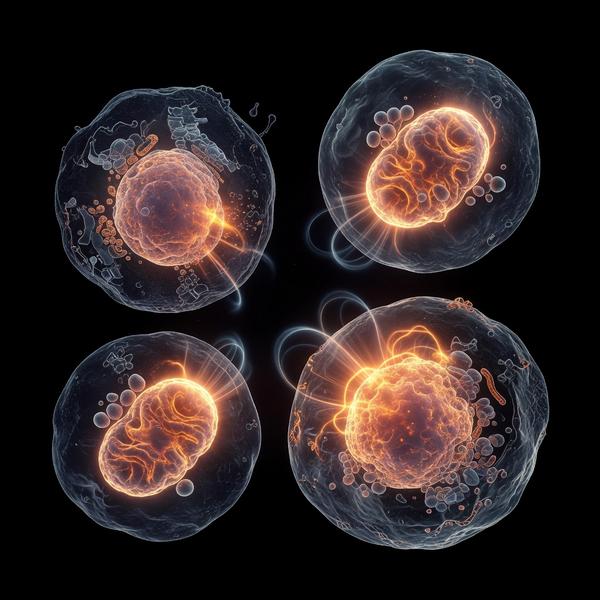
# Pesticide Residue Limits and Mitochondrial Dysfunction: Evaluating Divergent Regulatory Thresholds in UK and US Produce ## The Invisible Burden: Pesticides and Cellular Energy At the core of every human cell lies the mitochondrion—the powerhouse responsible for ATP production and metabolic regulation. Emerging research suggests that the chronic ingestion of low-dose pesticide residues may act as an environmental stressor, potentially contributing to mitochondrial dysfunction. This article explores the stark differences in regulatory frameworks between the UK and the US and the implications for long-term health. ## Divergent Regulatory Paradigms The UK, under the guidance of the Health and Safety Executive (HSE) and legacy EU-derived standards, employs the 'Precautionary Principle.' This philosophy prioritizes the avoidance of harm by restricting substances even when scientific consensus is still developing. Conversely, the US regulatory framework, overseen by the EPA and FDA, often utilizes a 'Risk-Based Approach,' which focuses on calculating 'acceptable' levels of exposure based on quantifiable toxicity data.
This divergence leads to a significant discrepancy in allowed residue levels for common agricultural chemicals, such as organophosphates and neonicotinoids, which are frequently restricted in the UK but widely permitted in US-grown produce. ## Mechanisms of Mitochondrial Interference Pesticides are designed to disrupt biological pathways, often targeting the nervous system of pests. However, many of these chemicals lack complete specificity and can inadvertently disrupt human cellular processes. Research indicates that certain pesticide classes interfere with the electron transport chain—the series of protein complexes where ATP is generated. By inhibiting Complex I or II, these residues can induce oxidative stress, promote the leakage of electrons, and trigger the production of reactive oxygen species (ROS).
Over time, this chronic sub-lethal stress leads to mitochondrial membrane degradation and impaired mitophagy—the cell's vital process for clearing out damaged organelles. ## Impact on Systemic Health The correlation between pesticide-induced mitochondrial dysfunction and metabolic disease is becoming clearer. When mitochondria struggle to produce energy efficiently, the body may experience heightened systemic inflammation, disrupted insulin signaling, and neurological exhaustion. Because the US allows higher maximum residue limits (MRLs) for certain synthetic compounds, consumers of US-grown produce may be subject to a higher cumulative burden of these endocrine and metabolic disruptors compared to those consuming produce governed by stricter UK MRLs. ## Navigating the Food Landscape For the conscious consumer, understanding these differences is a step toward metabolic sovereignty. While global supply chains make total avoidance difficult, prioritizing organic, locally sourced, or UK-grown produce significantly reduces exposure to chemicals that are banned or tightly controlled due to their potential for mitochondrial toxicity.
Furthermore, supporting regenerative agricultural practices can foster soil health, potentially reducing the reliance on chemical inputs entirely. As we continue to study the long-term impact of environmental chemicals, the argument for stricter regulation remains a focal point for public health advocates seeking to protect the fundamental energy-producing capacity of the human body.
This article is provided for informational and educational purposes only. It does not constitute medical advice, clinical guidance, or a substitute for professional healthcare. Information reflects cited research at time of publication. Always consult a qualified healthcare professional before acting on any health information.
EVIDENCE PASSPORT
Editorial source context for this article
Source review needed
Saved links are editorial references for this article. They may support specific claims rather than every sentence. Open and assess each source in context. This passport does not independently verify them.
Editorial context
A complete editorial reading has not been recorded for this article, and no source links are saved on its record.
Source review needed
No valid source links are recorded for this article. Supplementary research, where available, is listed separately below.
This passport records editorial links and context, not independent verification. Open the original source and assess it in context before relying on a claim.
Medical Disclaimer
The information in this article is for educational purposes only and does not constitute medical advice, diagnosis, or treatment. Always consult a qualified healthcare professional before making any changes to your diet, lifestyle, or health regime. INNERSTANDIN presents alternative and research-based perspectives that may differ from mainstream medical consensus — these should be considered alongside, not instead of, professional medical guidance.
Read Full DisclaimerContinue the thread
Keep this question moving.
Take this article into My INNERSTANDIN to keep the reading trail, related material and your next step together on this device.
Explore this in the Body Map
Explore related body structures and their educational pages in the interactive Body Map.
Dig deeper in the Library
Free, longform PDF volumes that go beyond headlines into mechanisms and references.
RABBIT HOLE
Follow the biological thread deeper